Aerial Lift Equipment Leasing

Aerial Lift Equipment Leasing

Financing Options / Aerial Lift Equipment Leasing

Aerial Lift Equipment Leasing

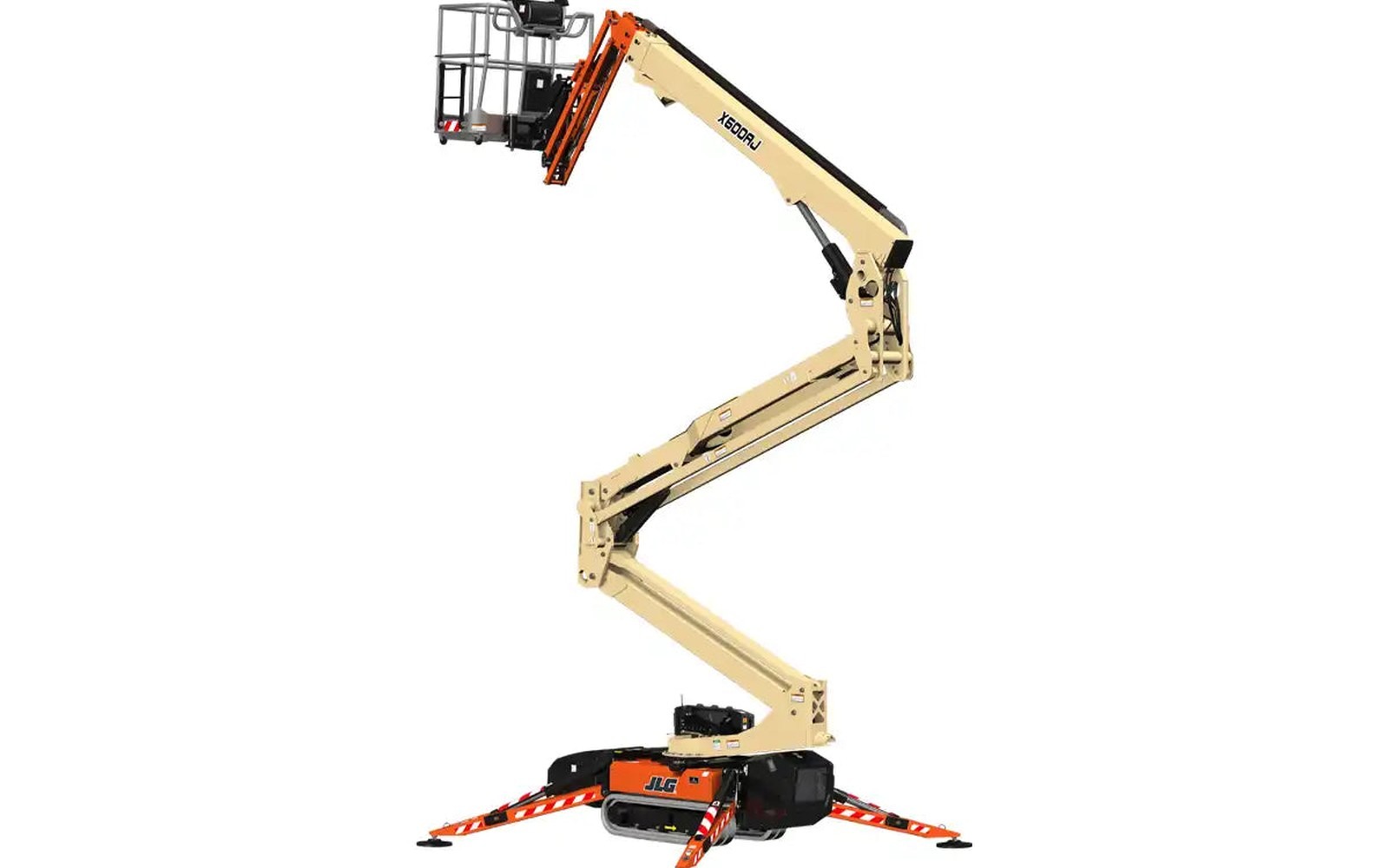
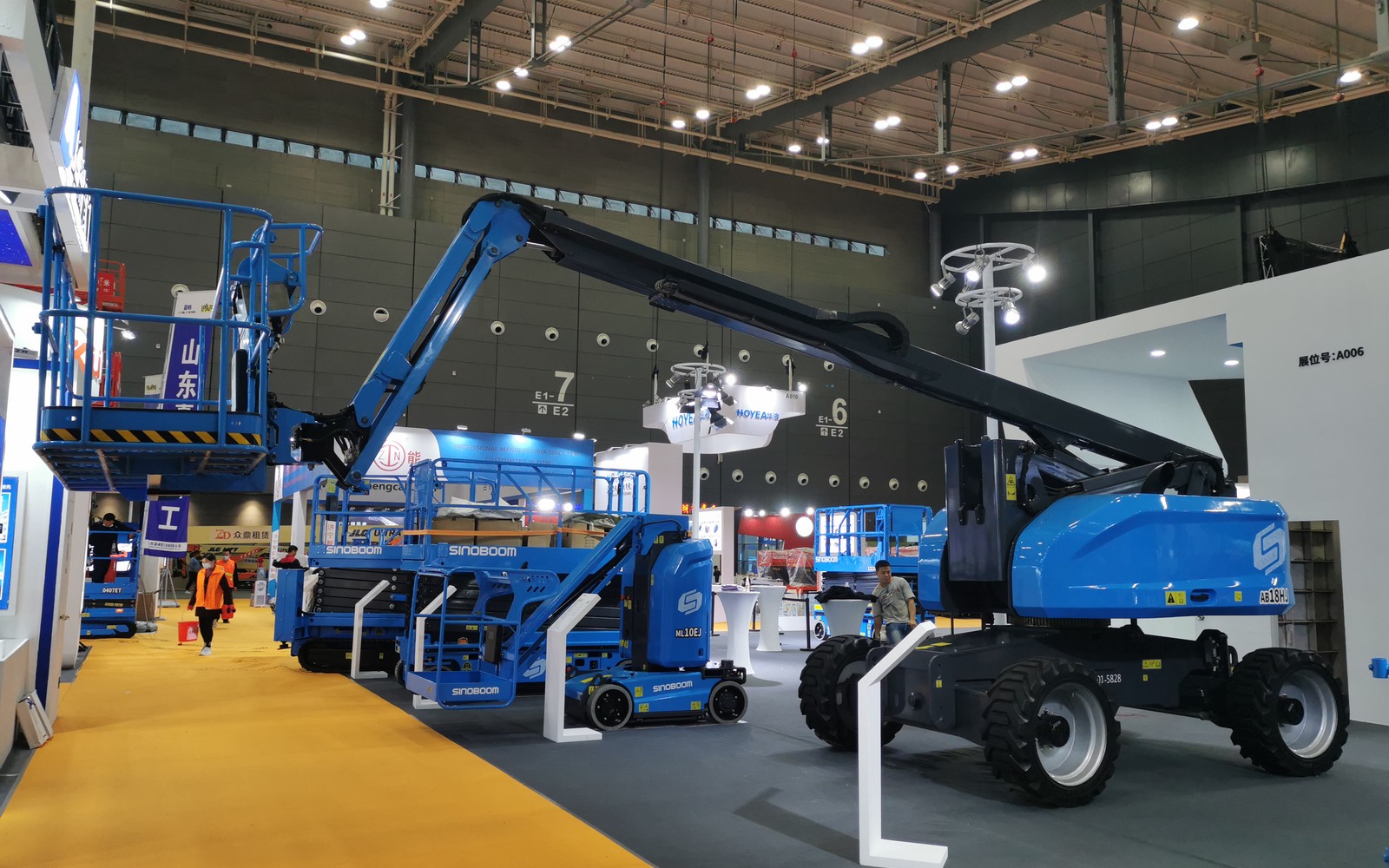
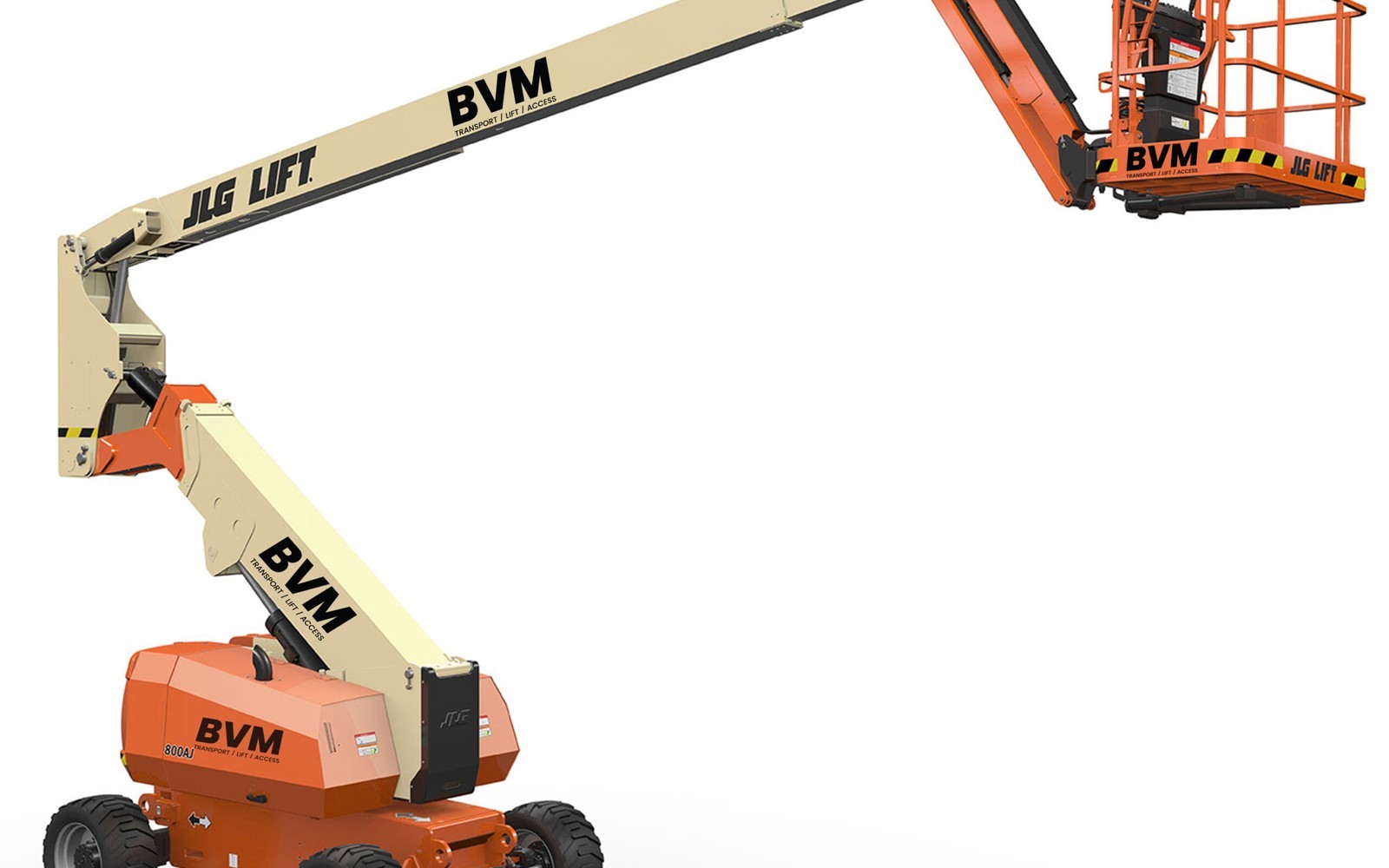
Lease a boom lift, scissor lift, or personnel lift. Lower monthly payments, tax-advantaged write-offs, and built-in fleet flexibility. We fund $50k and up.

Approval is more than a credit score.

Private Party Aerial Lift Financing
  • Priced on the asset — deck height, hours, and resale strength carry the file.
  • Application-only up to $500,000 — financials stay in the drawer.
  • New, used, dealer, auction, or private party — all fundable.
  • Startups and challenged credit get structure, not a form rejection.
Startup Aerial Lift Financing

Utilization is the metric that matters. A machine generating $4,500 a week in rental revenue does not care whether it sits on your balance sheet or on a lender's, but your monthly cash flow does. Leasing keeps the monthly payment lower than a straight loan because you are not financing the full purchase price, only the use of the equipment over the lease term. At the end, you choose: buy it out, return it, or roll into something newer.

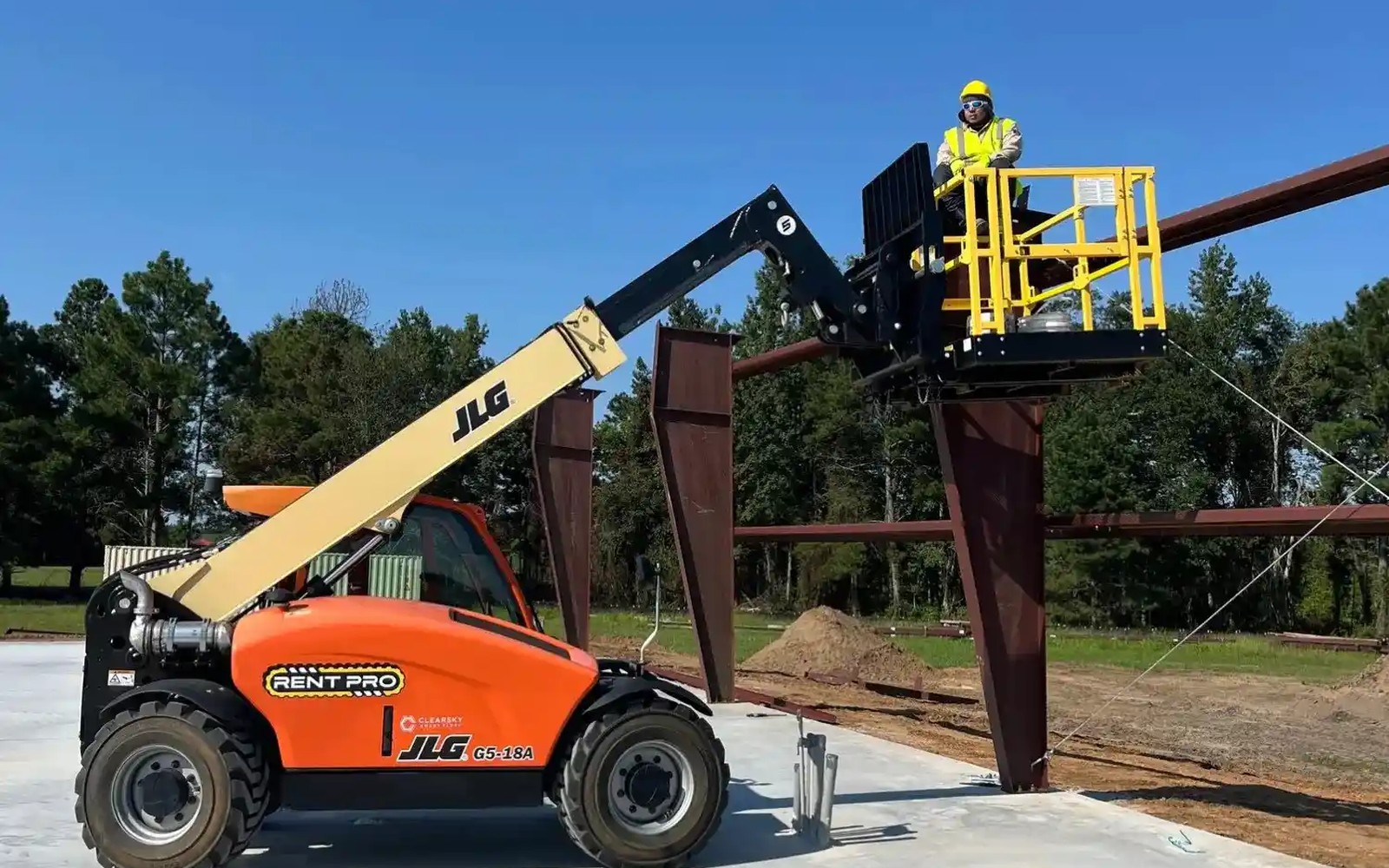
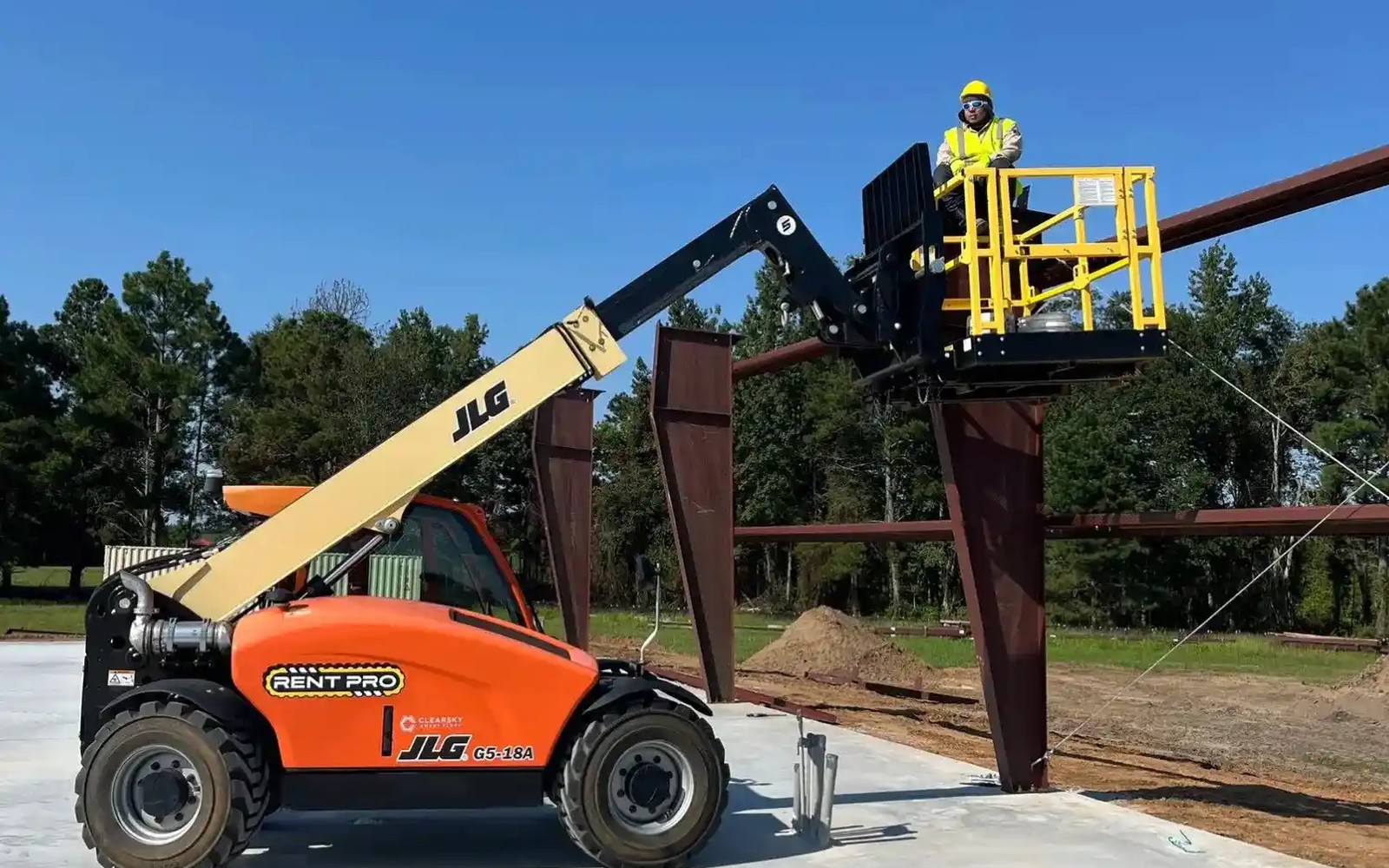
We structure equipment leases on boom lifts, scissor lifts, mast lifts, telehandlers, and the full range of aerial access equipment. Minimum deal size is $50,000, and our core funded range runs from $100,000 to several hundred thousand on fleet leases. Prior credit issues are reviewed in context. Most files close in one to two weeks.

Working Capital Vs Equipment Financing
Lease Structures: What the Options Actually Mean

Lease Structures: What the Options Actually Mean

Two lease types dominate aerial equipment: the $1 buyout lease and the fair market value (FMV) lease. A $1 buyout is essentially a loan in lease clothing. Payments are similar to a loan, and at the end of the term you buy the unit for a dollar. You own it, build equity, and get the full depreciation benefit. It is the right structure if you know you want the equipment long-term but prefer the paperwork or the payment to look like a lease.

A fair market value lease runs lower monthly payments because there is a residual left at the end. At term, you can buy the unit at its then-fair-market value, return it, or upgrade to a newer machine. This structure works well for rental yards that like turning fleet every five to seven years, or for contractors who want to match equipment to project cycles rather than owning iron through slow periods.

The TRAC lease (Terminal Rental Adjustment Clause) is a third option built for companies that use equipment in a business capacity and want off-balance-sheet treatment combined with the option to share in the equipment's residual value. It is more common on titled vehicles but is used on larger aerial equipment in some fleet scenarios.

Aerial Lift Refinancing
Who Leasing Makes Sense For

Who Leasing Makes Sense For

Leasing is the right structure for a few specific situations. First, the operator who needs the machine now but wants to preserve working capital. A lower monthly payment leaves cash in the account for fuel, insurance, labor, and the next opportunity. For rental companies scaling fast, that freed-up cash can mean adding a second unit instead of waiting.

Second, the business with strong enough cash flow to service the payment but unpredictable enough revenue that locking into a larger loan note feels aggressive. A lease gives you the machine, the revenue, and the flexibility to reassess at the end of the term.

Third, operators who plan to upgrade on a defined cycle. Electrical contractors and general contractors doing commercial work sometimes prefer to run equipment for five years and trade into something newer with better working height or lower-emission drive systems. A lease with an FMV end makes that rotation clean.

Leasing is less compelling if you plan to keep the unit for ten-plus years, if you want to do a a leaseback on owned equipment down the road (you cannot sell what you do not own), or if capturing full depreciation through Section 179 deductions is a priority in the purchase year. A sale-leaseback on an owned lift is the route to pull equity from equipment you already have on the yard.

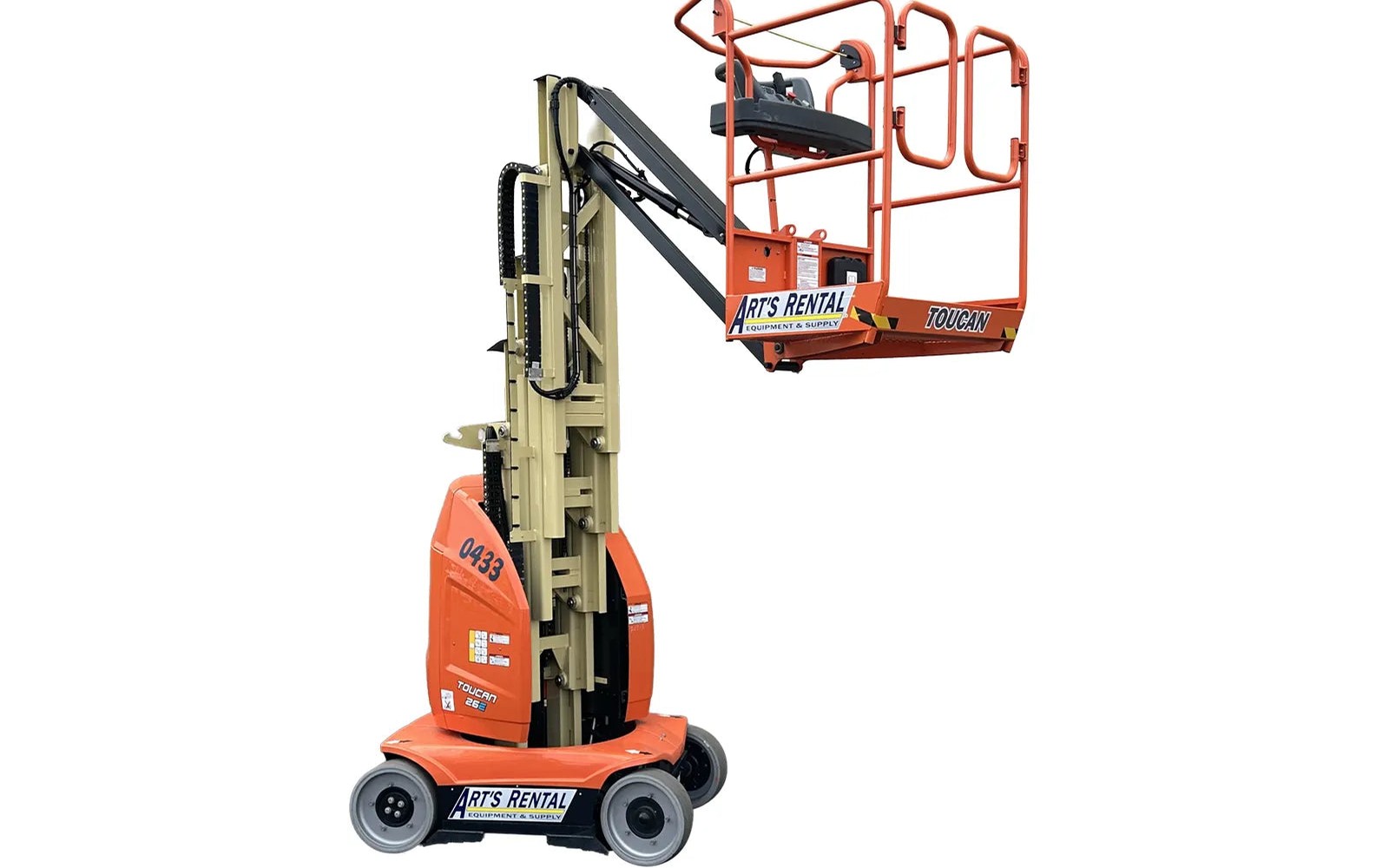
Low Level Access Lift
Common questions
Answers from the desk.

Can I write off lease payments on my taxes?

Operating lease payments are generally deductible as a business expense in the year paid, which can be favorable compared to the depreciation schedule on a purchased asset. Tax treatment depends on how the lease is structured and your business's accounting method. Confirm specifics with your accountant, since the IRS applies specific tests to determine whether a lease is a true lease or a disguised purchase.

What happens if the lift gets damaged during the lease?

You are responsible for the equipment during the lease term. Most lessees carry property damage coverage on leased equipment, similar to insuring a financed asset. If the unit is a total loss, your insurance payout typically goes to satisfy the remaining lease obligation. We recommend confirming your policy covers the full replacement value, not just the depreciated book value.

Can I add hours and return the unit early if a job ends ahead of schedule?

Early termination of an equipment lease typically triggers an early buyout amount based on the remaining payments and the residual. It is not a simple walk-away. If your project cycle is unpredictable, a shorter initial term or a fair market value lease with a defined return window may be a better fit than a long fixed-term lease.

Does leasing a lift affect my borrowing capacity for other equipment?

A lease is a financial obligation and will appear on your credit profile. Lenders evaluating future borrowing will look at your total monthly obligations including lease payments. That said, a well-performing lease can also demonstrate creditworthiness. Whether leasing versus buying changes your overall borrowing capacity depends on your balance sheet structure, which varies by operator.

Can I lease used aerial equipment, or is leasing only for new machines?

Used equipment leases are absolutely fundable. The key factors are the machine's age, hours, and condition. Very old or high-hour equipment may not qualify for a full-term lease, but a well-maintained five-to-ten-year-old lift in good working condition is a regular candidate. We fund used boom lifts and scissor lifts in lease structures routinely.

Common Questions on Aerial Lift Equipment Leasing

Straight answers before you send the equipment file.

Can I write off lease payments on my taxes?

Operating lease payments are generally deductible as a business expense in the year paid, which can be favorable compared to the depreciation schedule on a purchased asset. Tax treatment depends on how the lease is structured and your business's accounting method. Confirm specifics with your accountant, since the IRS applies specific tests to determine whether a lease is a true lease or a disguised purchase.

What happens if the lift gets damaged during the lease?

You are responsible for the equipment during the lease term. Most lessees carry property damage coverage on leased equipment, similar to insuring a financed asset. If the unit is a total loss, your insurance payout typically goes to satisfy the remaining lease obligation. We recommend confirming your policy covers the full replacement value, not just the depreciated book value.

Can I add hours and return the unit early if a job ends ahead of schedule?

Early termination of an equipment lease typically triggers an early buyout amount based on the remaining payments and the residual. It is not a simple walk-away. If your project cycle is unpredictable, a shorter initial term or a fair market value lease with a defined return window may be a better fit than a long fixed-term lease.

Does leasing a lift affect my borrowing capacity for other equipment?

A lease is a financial obligation and will appear on your credit profile. Lenders evaluating future borrowing will look at your total monthly obligations including lease payments. That said, a well-performing lease can also demonstrate creditworthiness. Whether leasing versus buying changes your overall borrowing capacity depends on your balance sheet structure, which varies by operator.

Can I lease used aerial equipment, or is leasing only for new machines?

Used equipment leases are absolutely fundable. The key factors are the machine's age, hours, and condition. Very old or high-hour equipment may not qualify for a full-term lease, but a well-maintained five-to-ten-year-old lift in good working condition is a regular candidate. We fund used boom lifts and scissor lifts in lease structures routinely.
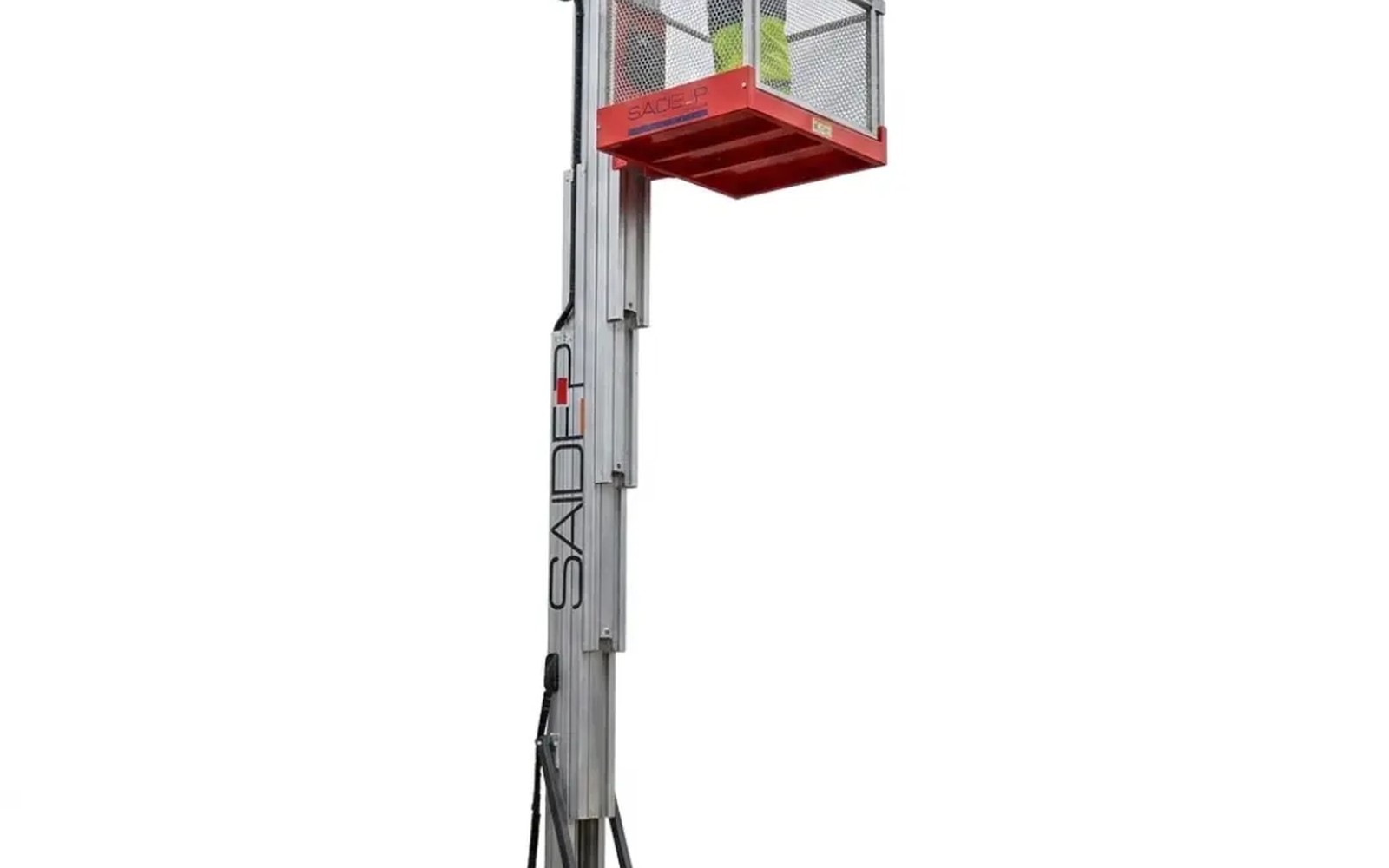
Get Terms on Aerial Lift Equipment Leasing

Tell us what you are buying, who is selling it, and when you need it earning. We will review the file and point you to the next step.

Get Loan Terms →Call (713) 375-4374