Boom Lift Financing

Boom Lift Financing

Aerial Lifts We Finance / Boom Lift Financing

Boom Lift Financing

Finance boom lifts from $50k. Articulating and telescopic boom lifts for construction, steel erection, and utility work. credit history weighed against lift.

Approval is more than a credit score.

Refurbished Aerial Lift
  • Priced on the asset — deck height, hours, and resale strength carry the file.
  • Application-only up to $500,000 — financials stay in the drawer.
  • New, used, dealer, auction, or private party — all fundable.
  • Startups and challenged credit get structure, not a form rejection.
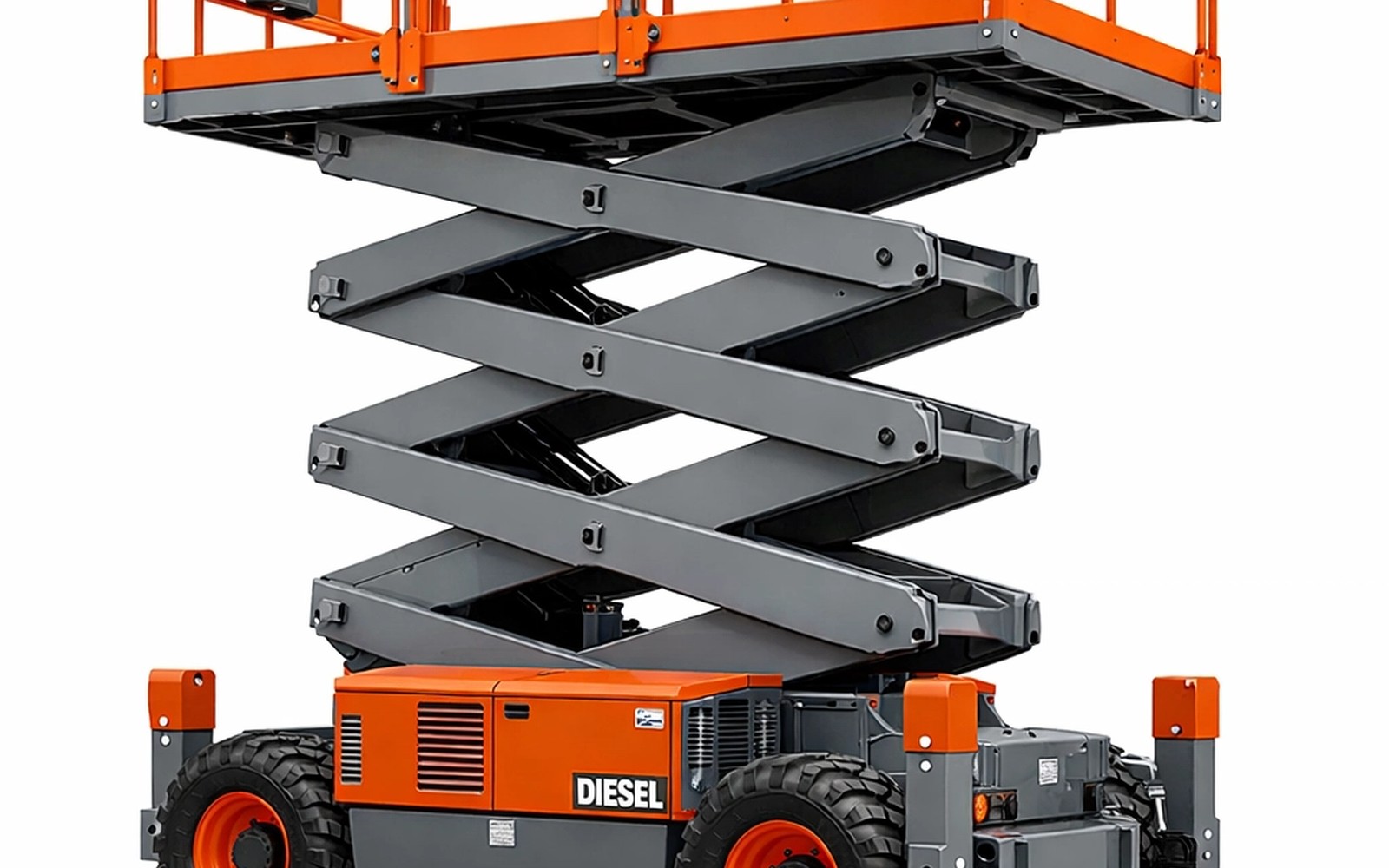
Scissor Lift

A boom lift earns its day rate by reaching places a scissor can't: over a parapet, around a column, above a steel beam, across open grade to a wall face thirty feet out. The scissor goes up; the boom goes up and out, and that horizontal reach is what the rate card reflects. A 60-foot articulating boom earning $600 to $900 per day in an active rental market pays for itself in six to eight months at sustained utilization. That's the math that drives boom lift purchases, and it's the reason we fund these machines in significant volume.

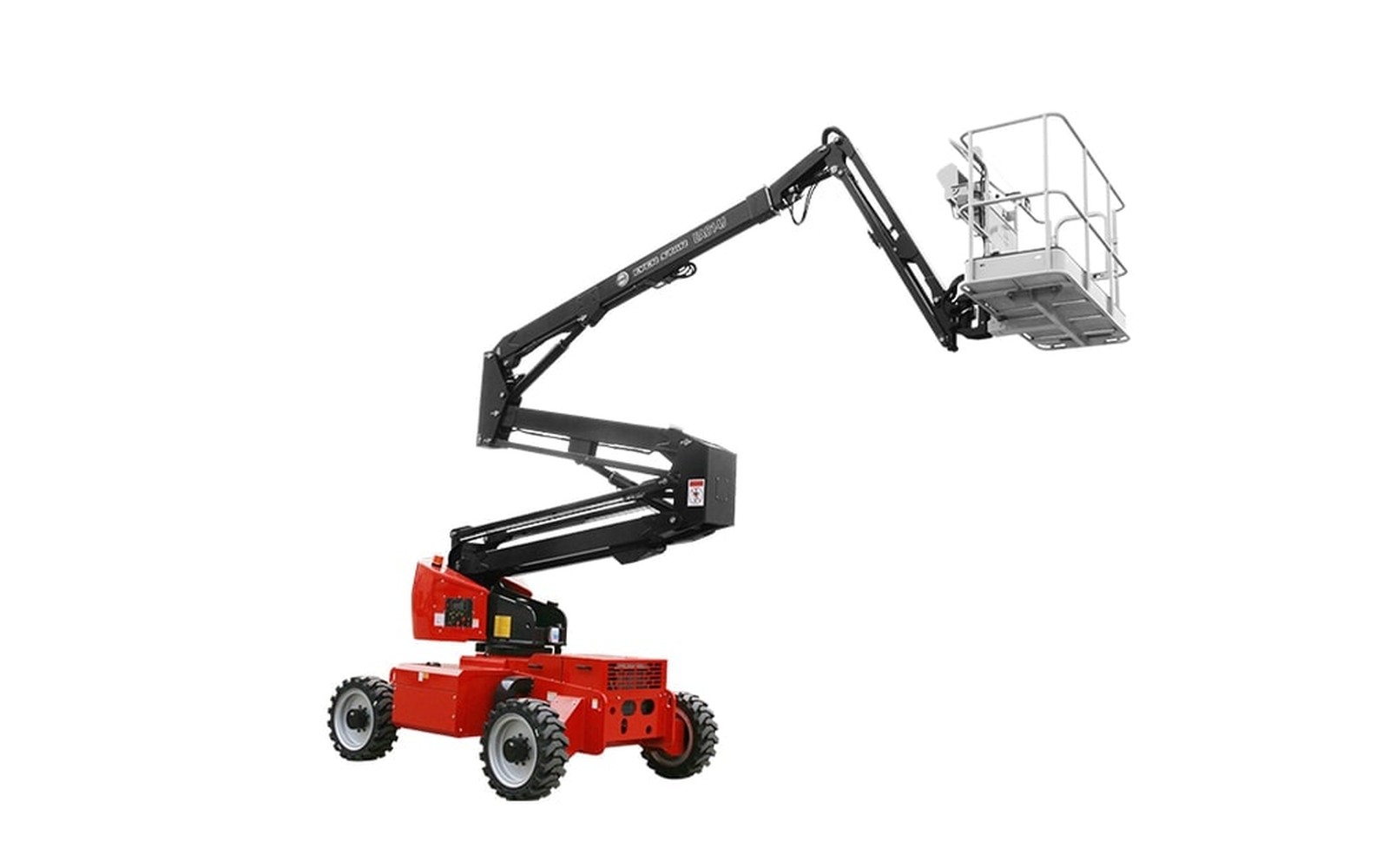
Boom lifts split into two main families. Articulating booms, also called knuckle booms, use a jointed arm that bends at the elbow to reach over and around obstacles. Telescopic booms, also called straight booms or stick booms, extend in a straight line for maximum reach and height. Each has a different application profile. The right machine depends on the job, and we fund both. Our floor is $50,000 and the core funded range starts past $100,000, which covers most boom lift purchases in the 40-to-85-foot class. Statement-led review below about $400,000, funded in one to two weeks.

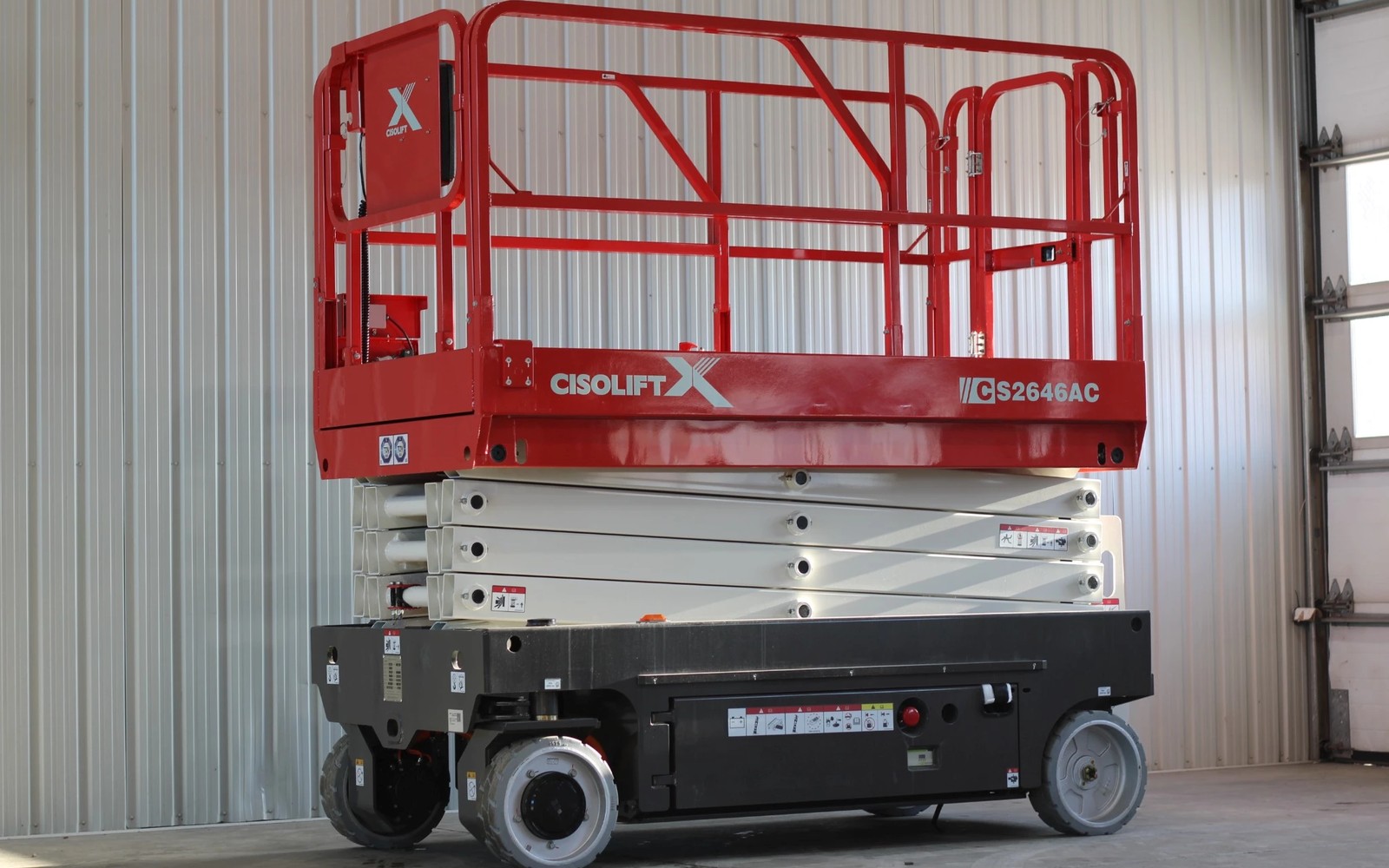
Slab Scissor Lift
Boom Lift Types: Articulating vs. Telescopic

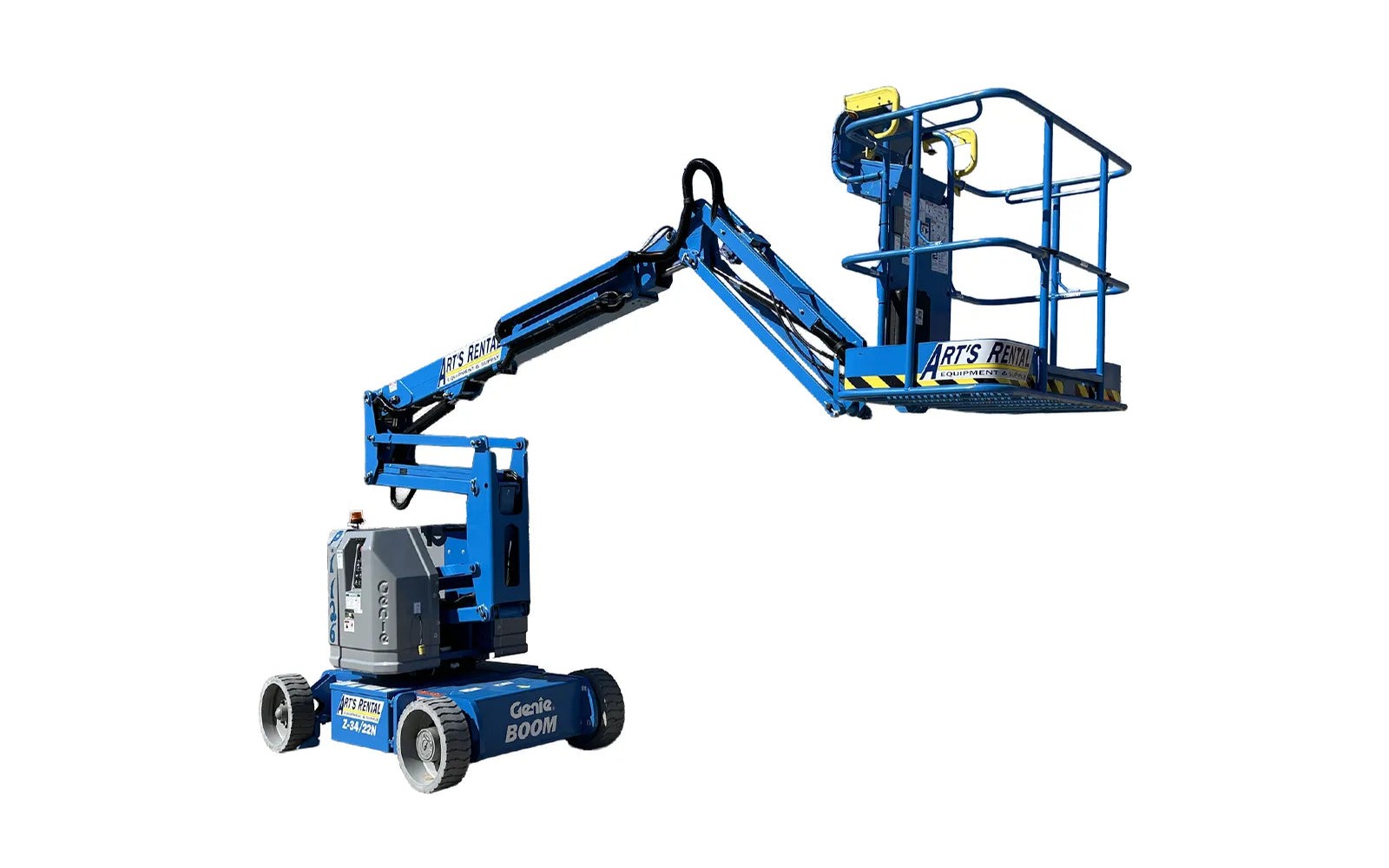
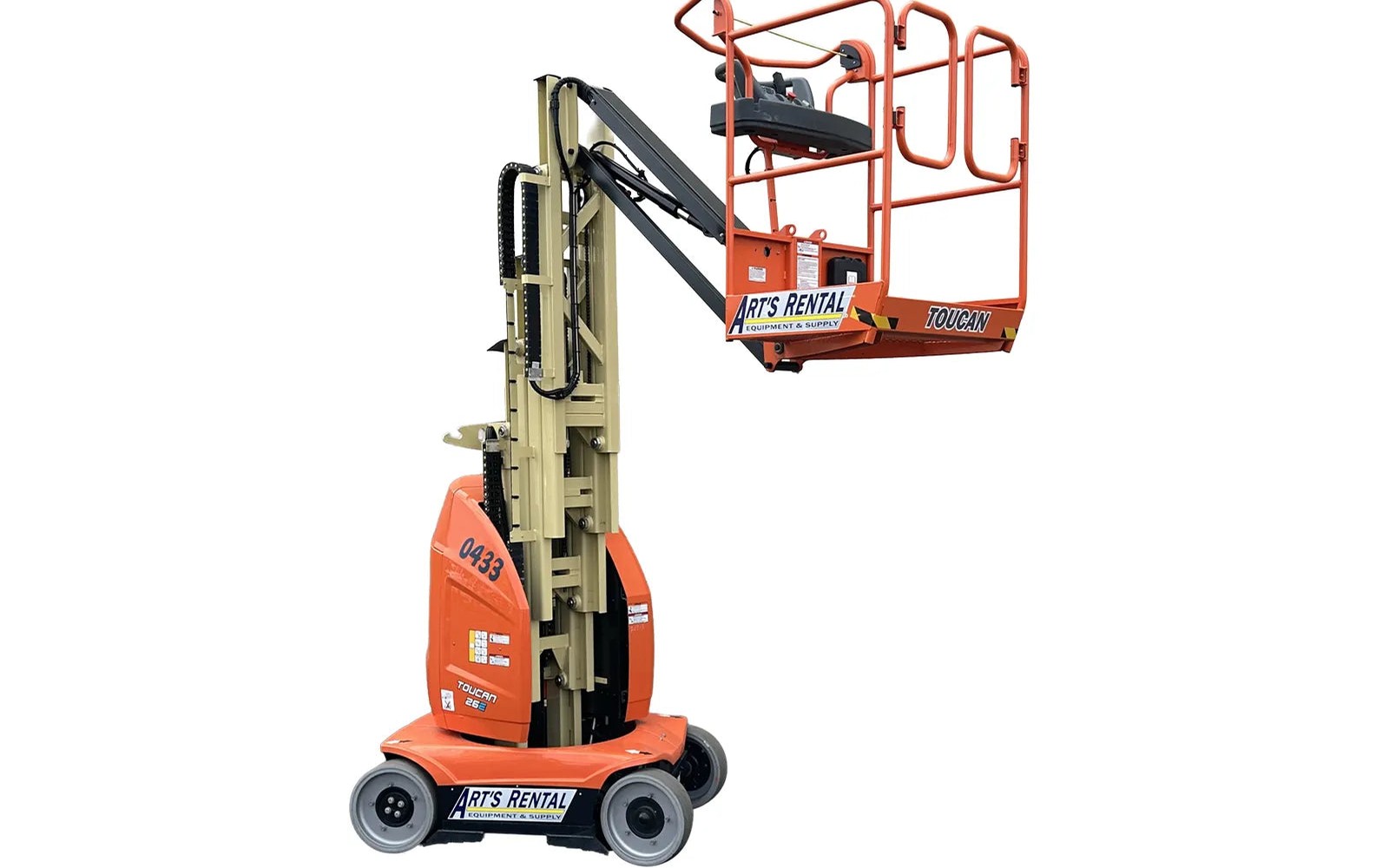
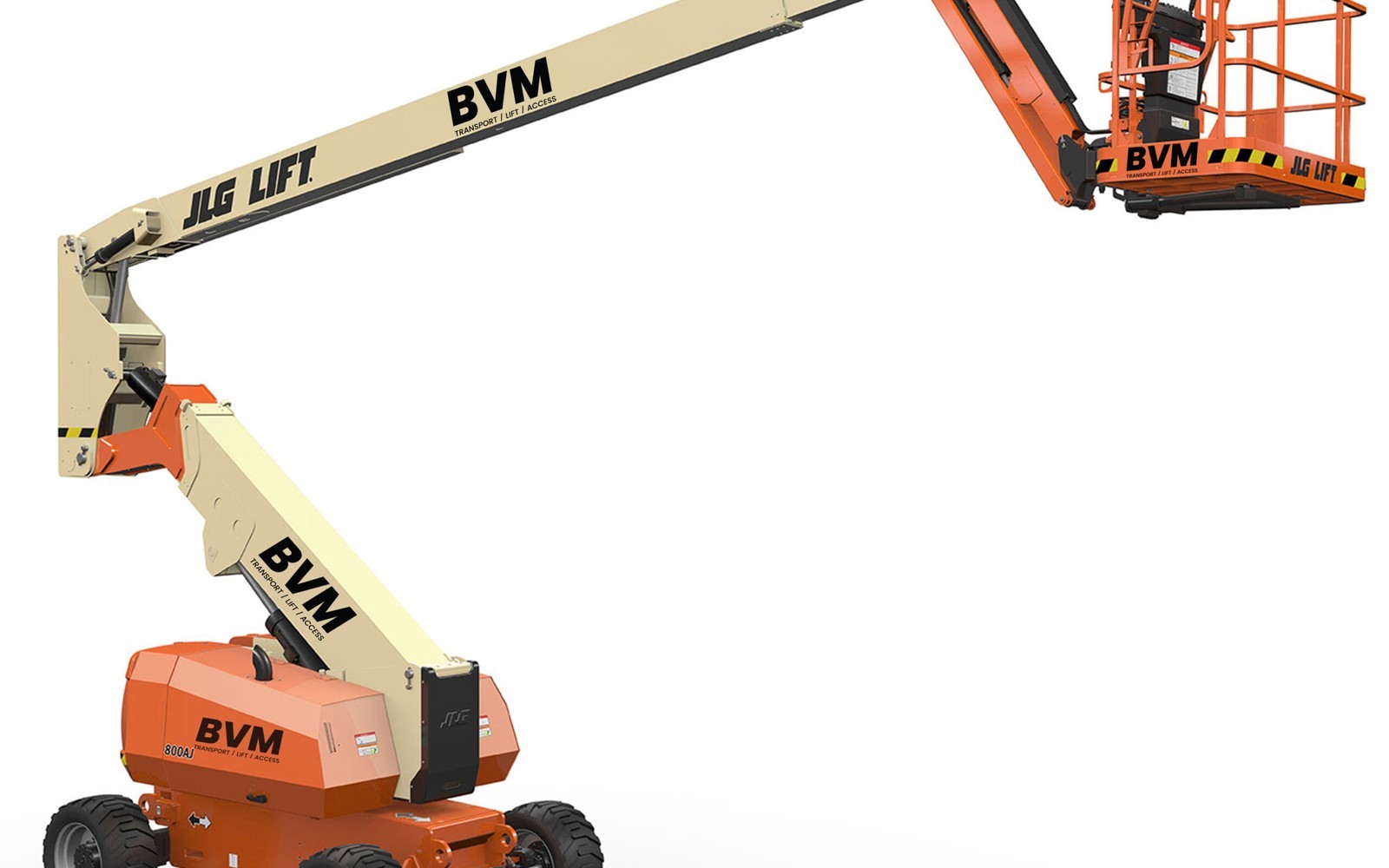
The articulating boom lift is the more flexible machine for construction environments. The jointed arm lets the operator lift the platform, extend the elbow out to clear an obstacle, and position the bucket without moving the base. Iron workers use articulating booms to reach connection points above other structural steel. Electrical crews use them to access cable trays that run behind other mechanical systems. The platform approaches from the side or above rather than straight up, which is exactly what jobs with obstacles and congested overhead conditions require.

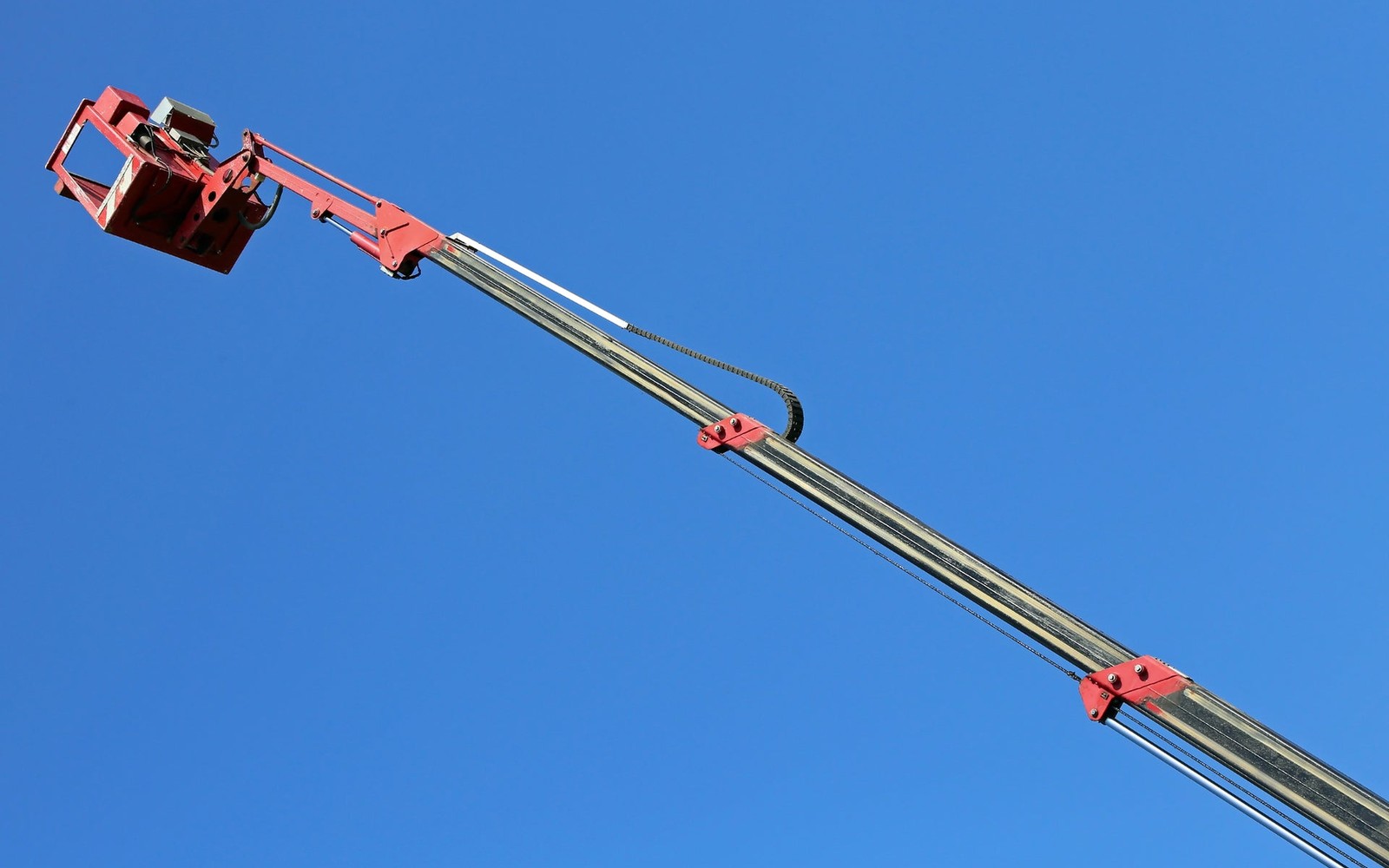
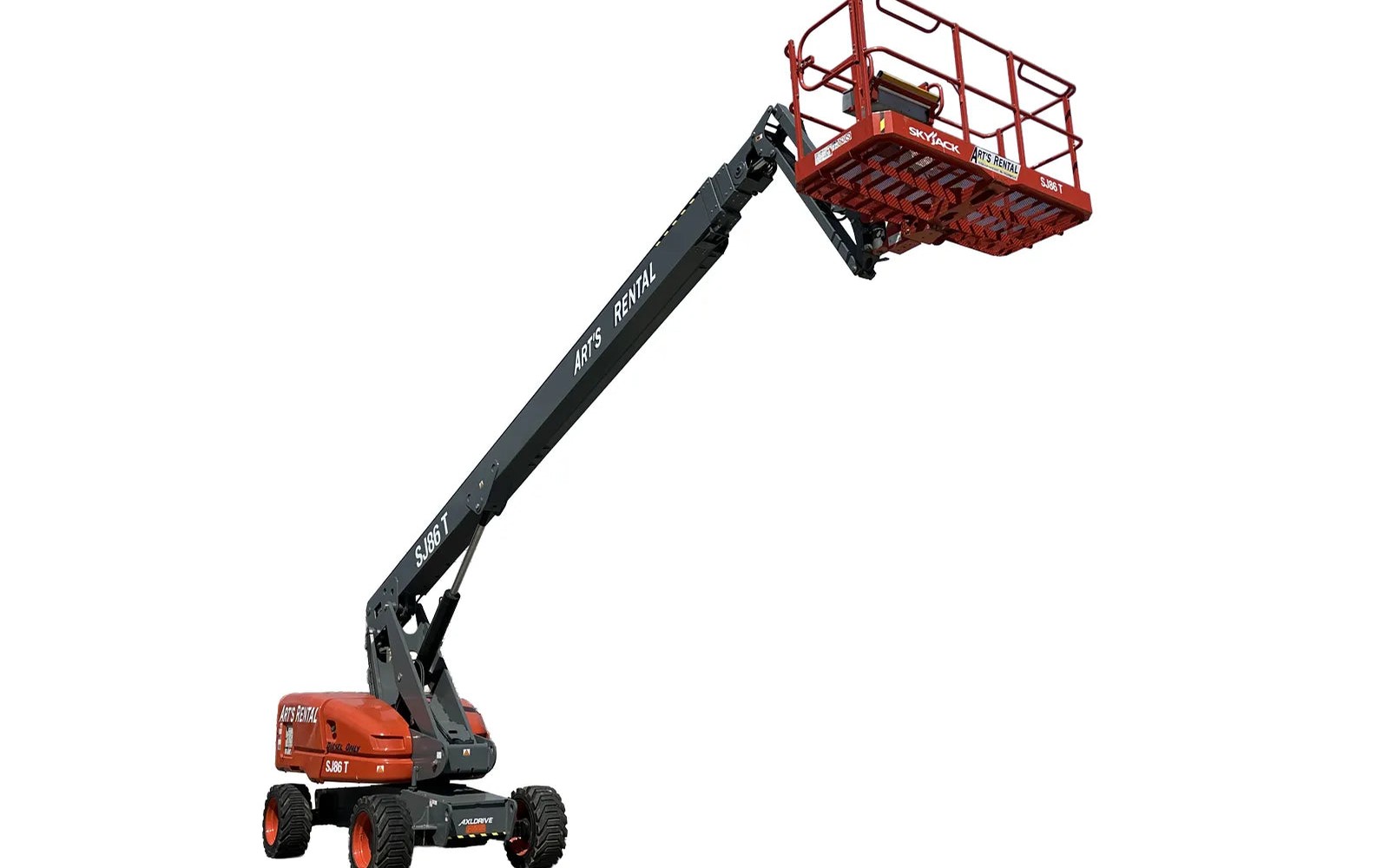
The telescopic boom lift, by contrast, extends from a single pivot point in a straight line. Maximum working height and maximum horizontal outreach are the strengths: a 135-foot telescopic boom from JLG or Genie reaches further and higher than any articulating model at equivalent cost. Bridge inspections, power line work, tall commercial facade access, and stadium lighting are jobs where the reach envelope of a telescopic boom is the deciding spec. The platform approaches from below and in front of the work, which is right for open-face applications and wrong for congested interiors.

Height class matters for both types. A 60-foot boom lift covers the bulk of commercial construction and building maintenance work. An 80-foot boom handles mid-rise construction and tall industrial facility work. The 120-foot class and above gets into specialty construction, tower work, and large-span industrial jobs. We fund the full range.

Telescopic Boom Lift
Trades and Companies That Finance Boom Lifts

Equipment rental companies are the largest boom lift buyer category. Rental yard boom fleet mix depends on the market; a yard serving heavy commercial construction needs a different ratio of articulating to telescopic and a different height mix than one serving municipal maintenance. Fleet purchases of three to ten boom lifts in a single deal are common, and we close them off bank statements without requiring financials.

Utility and linework contractors buy boom lifts for transmission and distribution work, substation construction, and pole maintenance. The height requirements and rough-terrain capability of boom lifts built for utility work make them a different spec than the standard construction boom, and we're familiar with both categories in underwriting.

Telecom and tower crews use boom lifts for antenna installation, small cell attachment, and tower base work at heights that a man-lift can't reach. The articulating boom is standard for this work because of its ability to approach the tower face from a position that isn't directly below the attachment point.

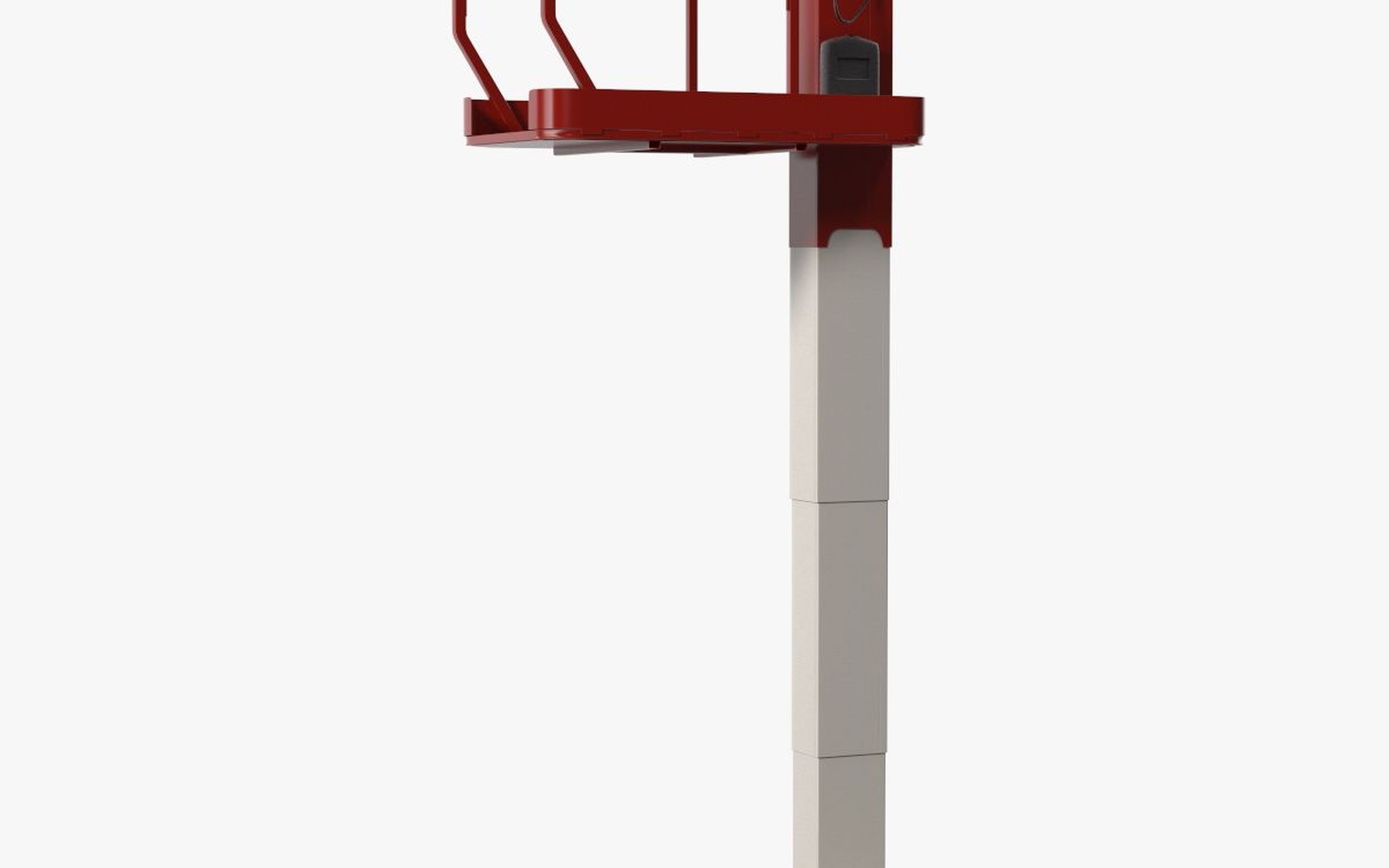
Low Level Access Lift
Common questions
Answers from the desk.

Should I buy an articulating or telescopic boom lift?

It depends on your job types. Articulating booms work best in congested job sites where you need to reach over or around obstacles. Telescopic booms deliver maximum height and outreach for open-face applications like bridges, facades, and tall construction. If you work varied jobs, owning one of each or renting the type you need less frequently is the standard approach.

What's the price range for boom lifts I'd typically finance?

New 40-to-45-foot articulating booms run $50,000 to $80,000. New 60-foot models run $80,000 to $130,000. New 80-foot telescopic models run $130,000 to $200,000. Used units at comparable heights run 40 to 60 percent of new value depending on age, hours, and condition.

Can I finance a boom lift with a bad credit history from two years ago?

challenged credit is something we work with regularly. A credit event from two years back paired with strong current bank statement cash flow is a workable situation. We underwrite the business and the asset, not just the credit score.

How long does it take to get a boom lift deal funded?

From application to funded, most boom lift deals take one to two weeks. Application-only under $400,000, so no financials stack is required. The main inputs are the one-page app and three months of business bank statements.

Can I finance a towable boom lift through the same process?

Yes. Towable boom lifts and trailer-mounted booms qualify for the same deal structure as self-propelled models. The key inputs are the machine value and your operating financials.

Common Questions on Boom Lift Financing

Straight answers before you send the equipment file.

Should I buy an articulating or telescopic boom lift?

It depends on your job types. Articulating booms work best in congested job sites where you need to reach over or around obstacles. Telescopic booms deliver maximum height and outreach for open-face applications like bridges, facades, and tall construction. If you work varied jobs, owning one of each or renting the type you need less frequently is the standard approach.

What's the price range for boom lifts I'd typically finance?

New 40-to-45-foot articulating booms run $50,000 to $80,000. New 60-foot models run $80,000 to $130,000. New 80-foot telescopic models run $130,000 to $200,000. Used units at comparable heights run 40 to 60 percent of new value depending on age, hours, and condition.

Can I finance a boom lift with a bad credit history from two years ago?

challenged credit is something we work with regularly. A credit event from two years back paired with strong current bank statement cash flow is a workable situation. We underwrite the business and the asset, not just the credit score.

How long does it take to get a boom lift deal funded?

From application to funded, most boom lift deals take one to two weeks. Application-only under $400,000, so no financials stack is required. The main inputs are the one-page app and three months of business bank statements.

Can I finance a towable boom lift through the same process?

Yes. Towable boom lifts and trailer-mounted booms qualify for the same deal structure as self-propelled models. The key inputs are the machine value and your operating financials.
Get Terms on Boom Lift Financing

Tell us what you are buying, who is selling it, and when you need it earning. We will review the file and point you to the next step.

Get Loan Terms →Call (713) 375-4374