Utility & Line Contractors

Utility & Line Contractors

Industries We Serve / Utility & Line Contractors

Utility & Line Contractors

Utility line contractors need aerial lifts for distribution work, substation maintenance, and right-of-way access. Finance boom lifts and bucket trucks for.

Approval is more than a credit score.

Window Cleaning And Glazing
  • Priced on the asset — deck height, hours, and resale strength carry the file.
  • Application-only up to $500,000 — financials stay in the drawer.
  • New, used, dealer, auction, or private party — all fundable.
  • Startups and challenged credit get structure, not a form rejection.
Equipment Rental Companies

Energized distribution lines wait for no one's financing timeline. Utility line contractors running substation work, underground-to-overhead transitions, distribution upgrades, and ROW maintenance need equipment in the air the day the crew mobilizes. The contractors with owned access equipment show up ready. The contractors on weekly rental spend the first morning of every job on the phone with the rental yard instead of on the line. We fund aerial lifts and access equipment for utility and line contractors from $50,000 on up, statement-led review below about $400,000, credit history weighed against lift value, funding in one to two weeks.

General Contractors
Access Equipment Utility Contractors Run

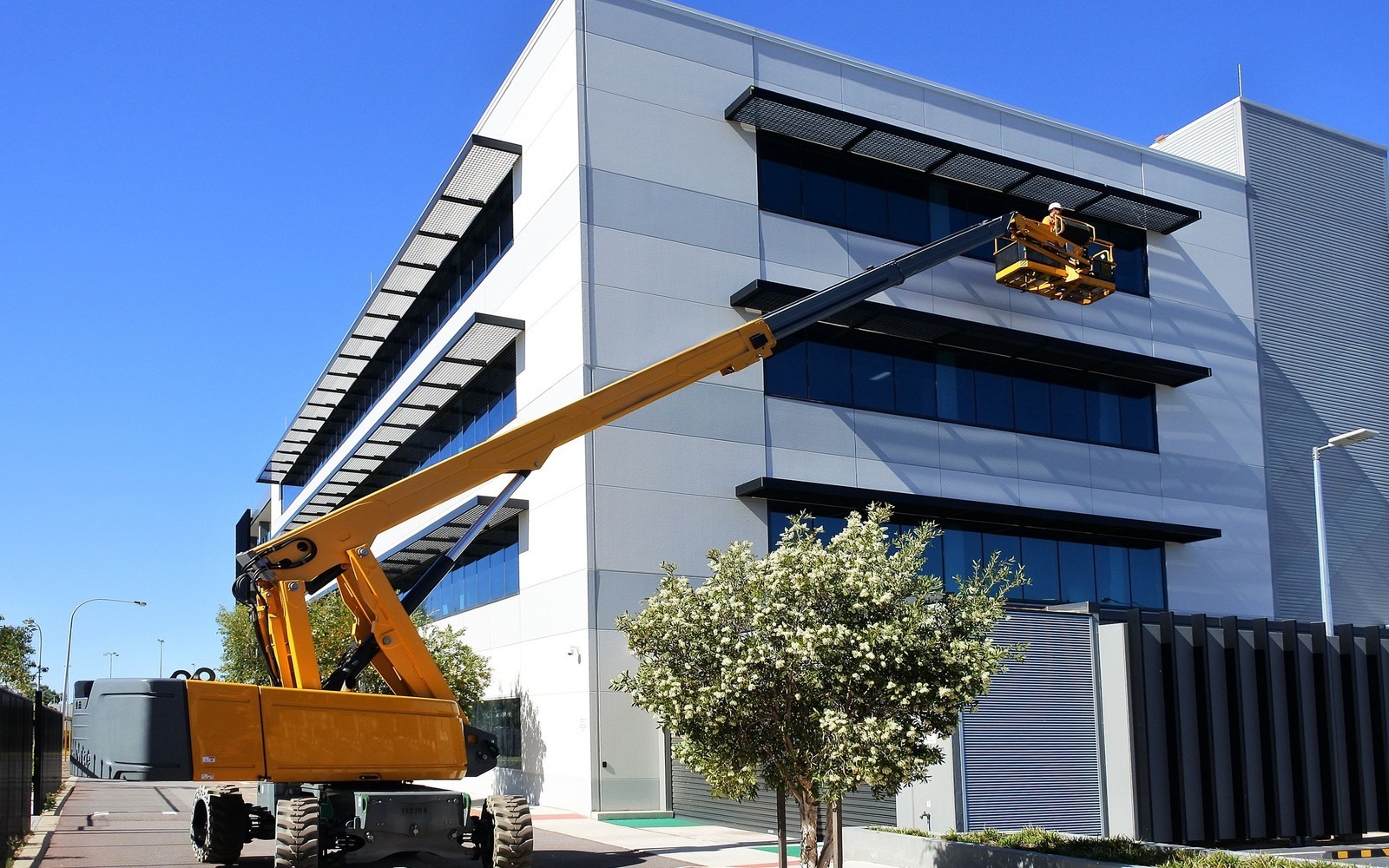
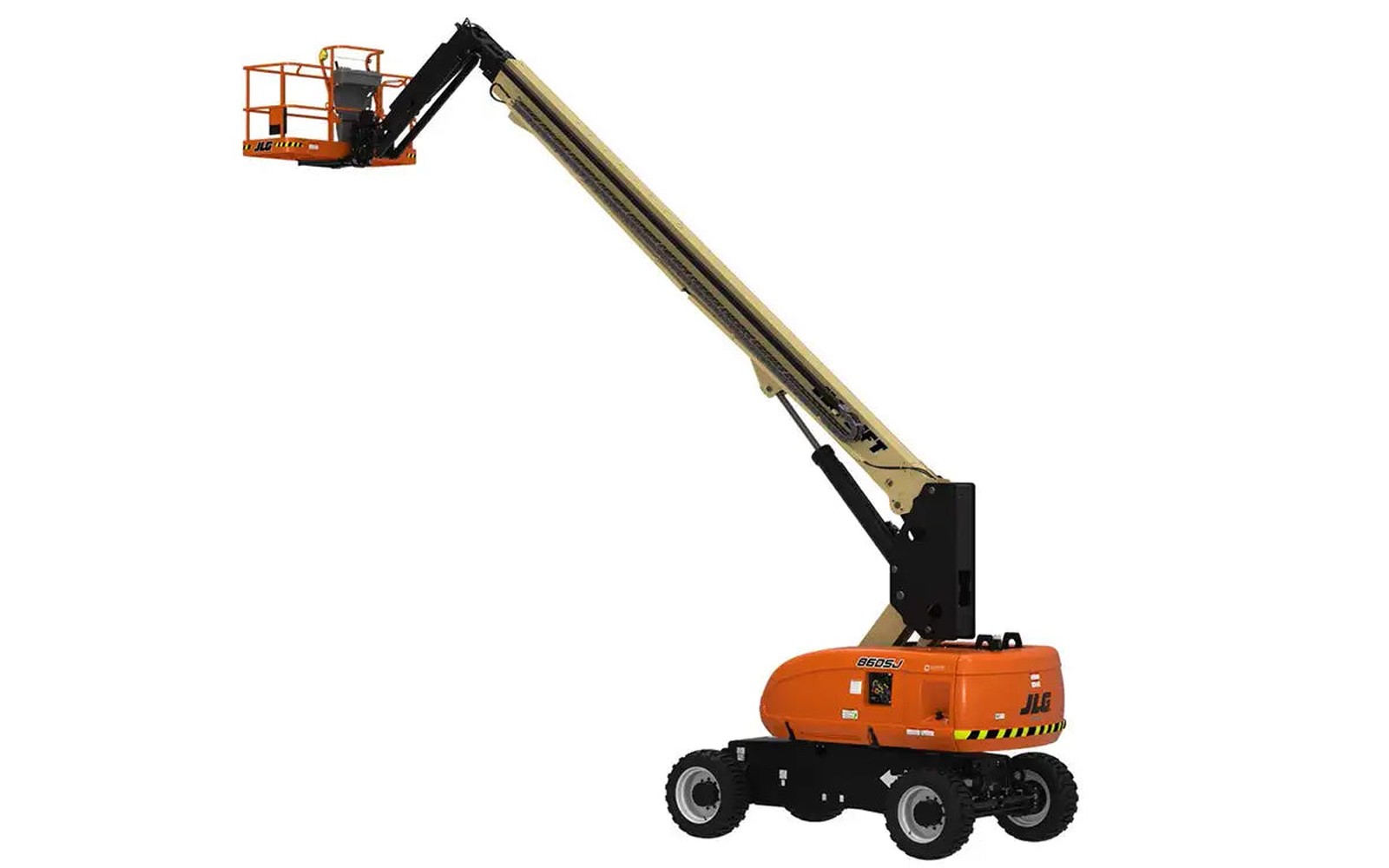
Utility line work splits between transmission and distribution, and the access equipment follows that split. Distribution work on secondary lines at 25 to 40 feet uses compact aerial work platforms and insulated bucket trucks. Large-reach transmission work at 100 feet and above uses specialized insulated aerial devices that are outside the general aerial lift category. Most of the financing demand we see in the utility space is from distribution contractors and substation service firms working in the 40 to 80-foot range with insulated or standard aerial lifts depending on the energization status of the work.

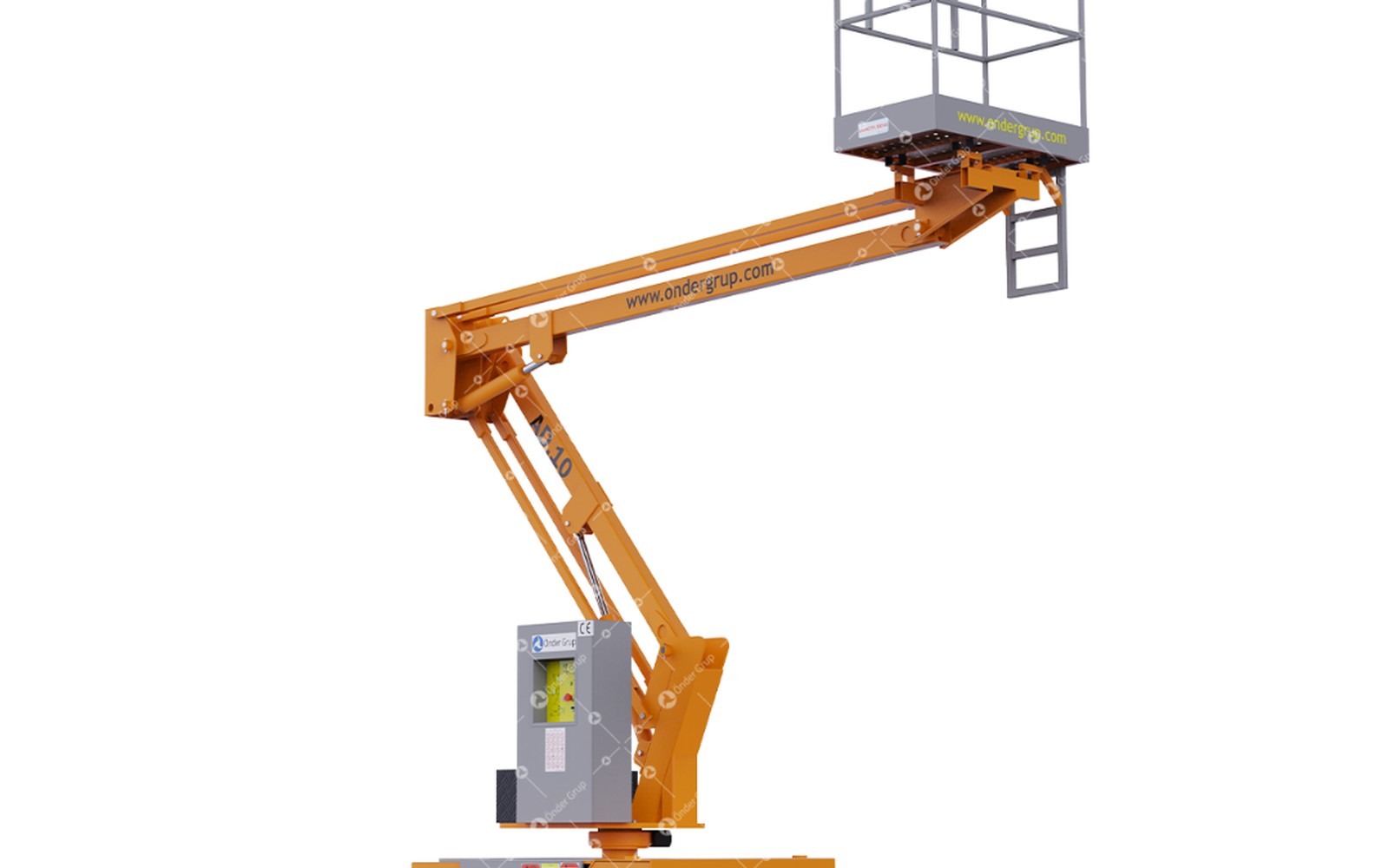
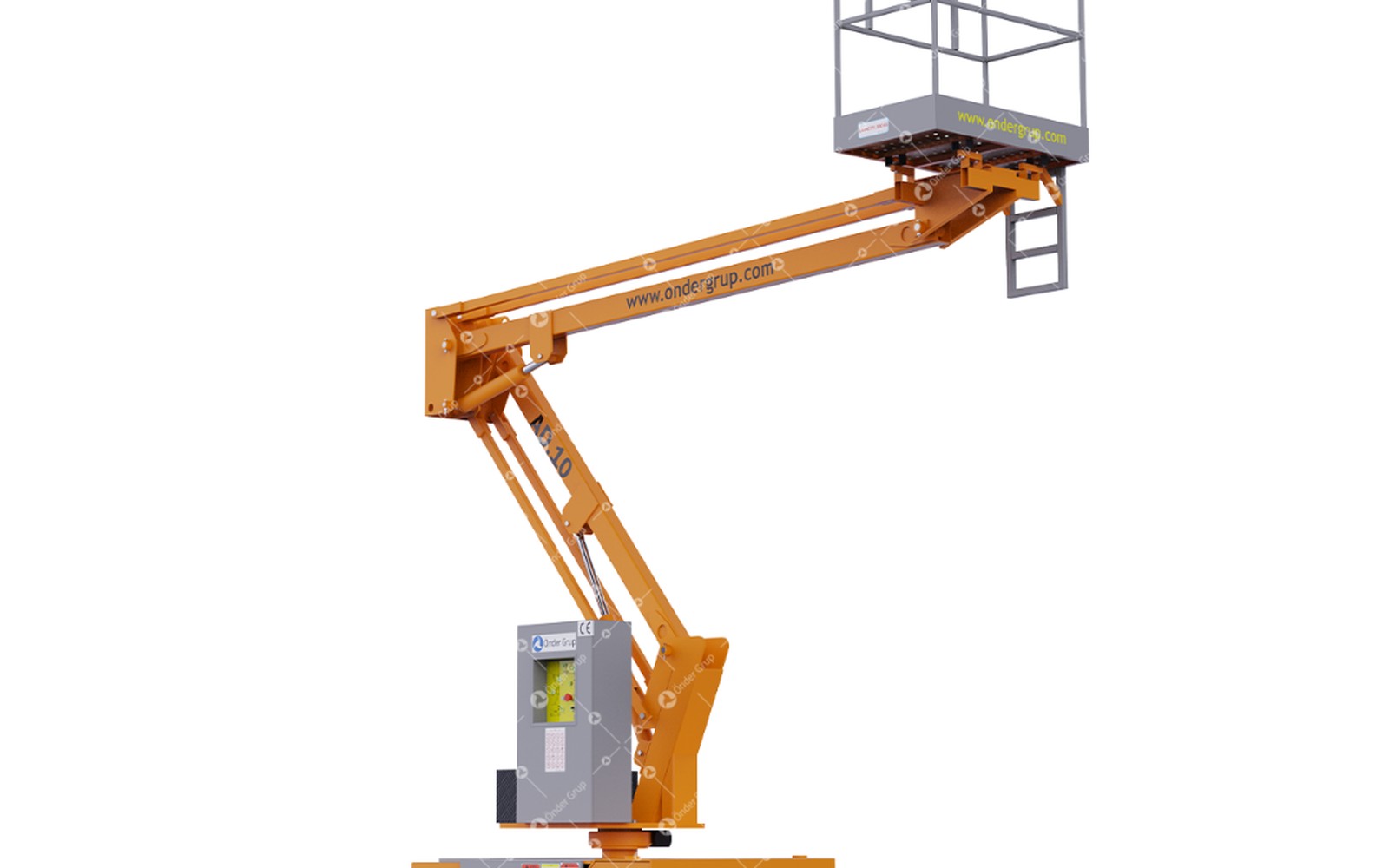
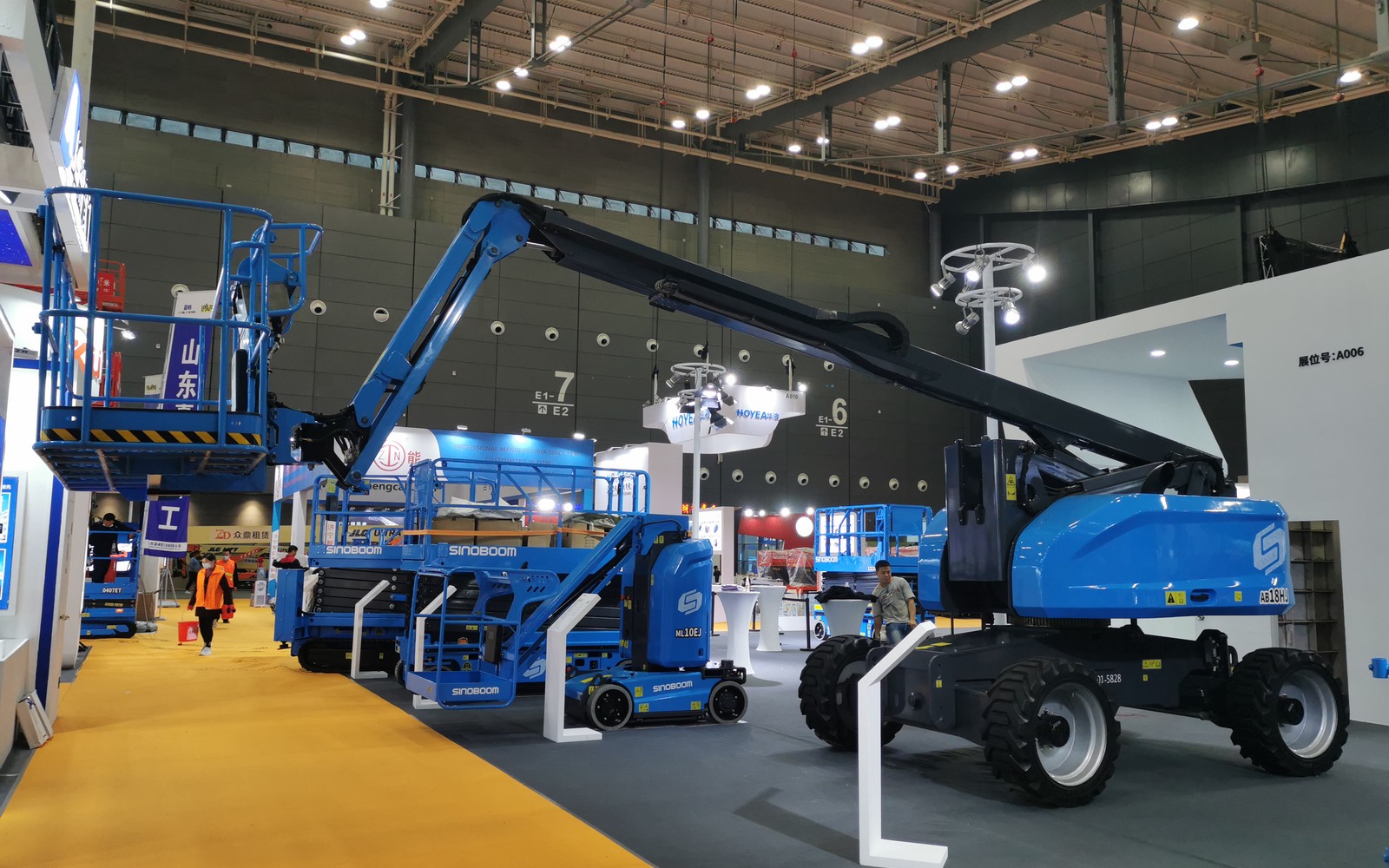
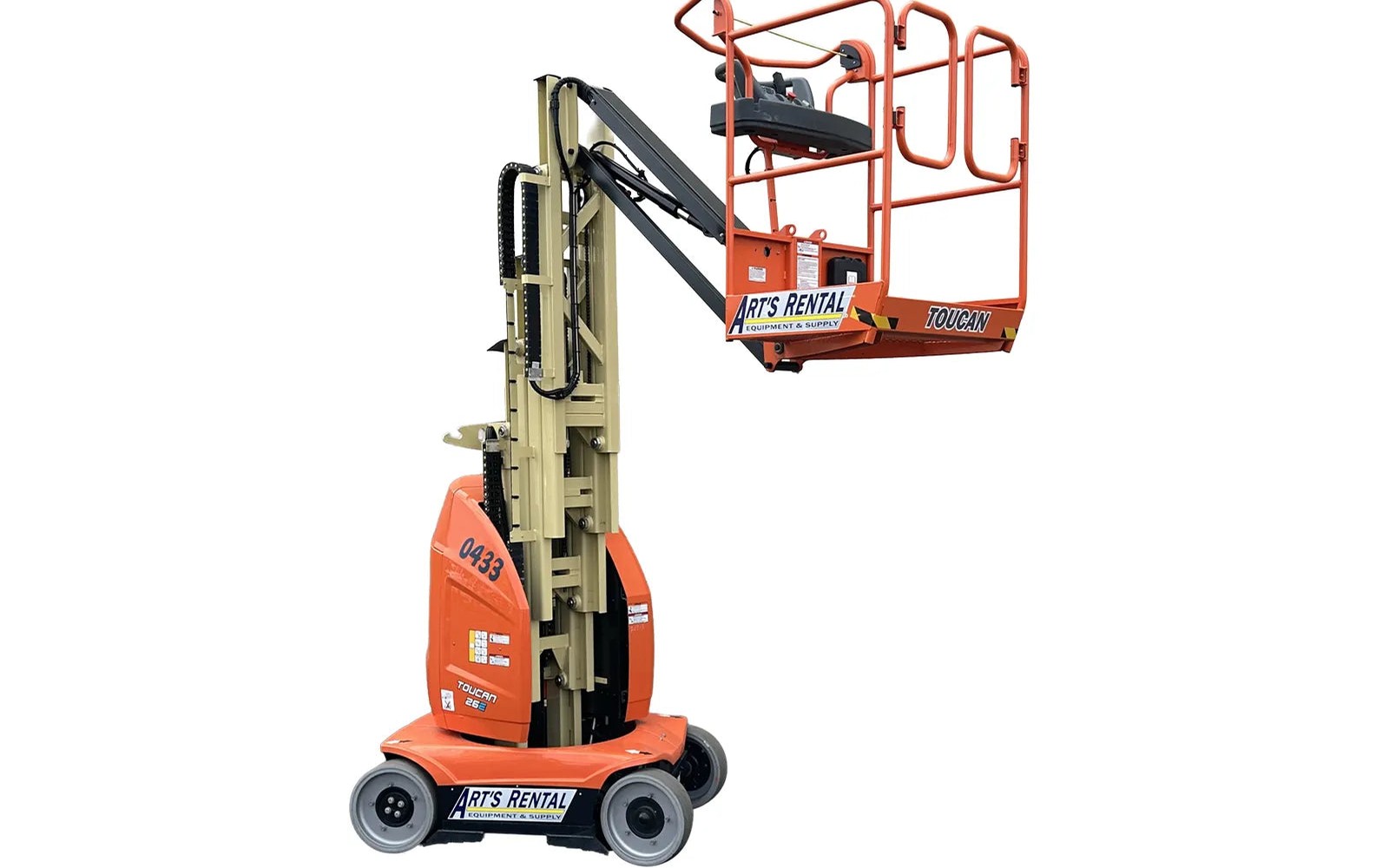
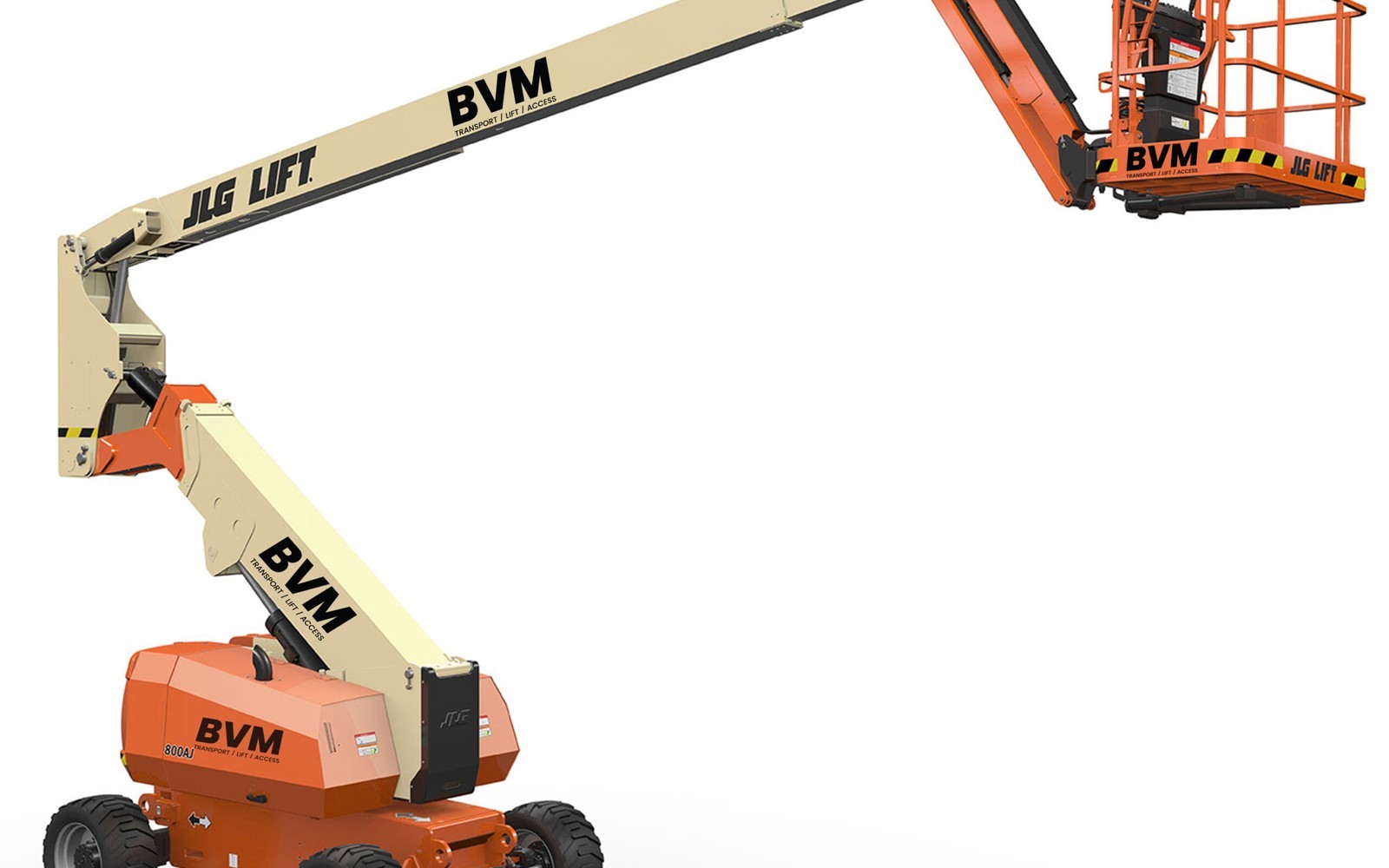
For de-energized substation and switching station work, standard rough-terrain boom lifts in the 60 to 80-foot class give crews safe access to bus bar connections, disconnect switches, transformer bushings, and overhead structural work. A rough-terrain articulating boom in the 60-foot class is the standard unit for substation maintenance contractors working on de-energized systems or on ground-level equipment that requires elevated access for connections and terminations.

For civil construction work associated with utility projects, including pole setting support, underground riser installation, transformer pad placement assistance, and distribution line stringing support, a combination of boom lifts and rough-terrain scissors covers the site work access needs. Utility contractors doing trenching, boring, and cable installation alongside the energized line work often run a broader equipment fleet, and the aerial lift component is typically one or two booms that serve the elevated access needs across multiple crews.

Telecom and fiber contractors doing aerial plant work alongside utility lines use similar equipment. The access needs for aerial splice work, fiber splice enclosure installation, and strand attachment are similar to distribution line work in height and maneuverability requirements, though without the insulation requirements. Articulating boom lifts in the 40 to 60-foot class are standard for aerial plant contractors.

For pre-inspections, post-storm damage assessment, and vegetation management work alongside energized conductors, some utility contractors use tracked spider lifts or compact towable booms that can work in narrow road shoulders and easements where larger rubber-tired equipment cannot safely position.

Painting Contractors
What Is Driving Utility Work Volume

Grid modernization, T&D reliability improvement programs, and the buildout of electric vehicle charging infrastructure have been driving sustained contractor demand for utility access work. Major investor-owned utilities have multi-year capital spending programs that put consistent work in front of experienced distribution contractors. Storm hardening projects, undergrounding initiatives in hurricane-prone markets, and distribution automation upgrades all generate aerial access equipment demand.

The offshore and onshore renewable energy build-out has added another layer. Substations, collector lines, and switching stations associated with solar and wind projects require the same distribution contractor skills and access equipment as traditional grid work. Contractors who can serve both traditional T&D and renewable interconnect work are well-positioned and often looking to expand their fleet to cover both project types.

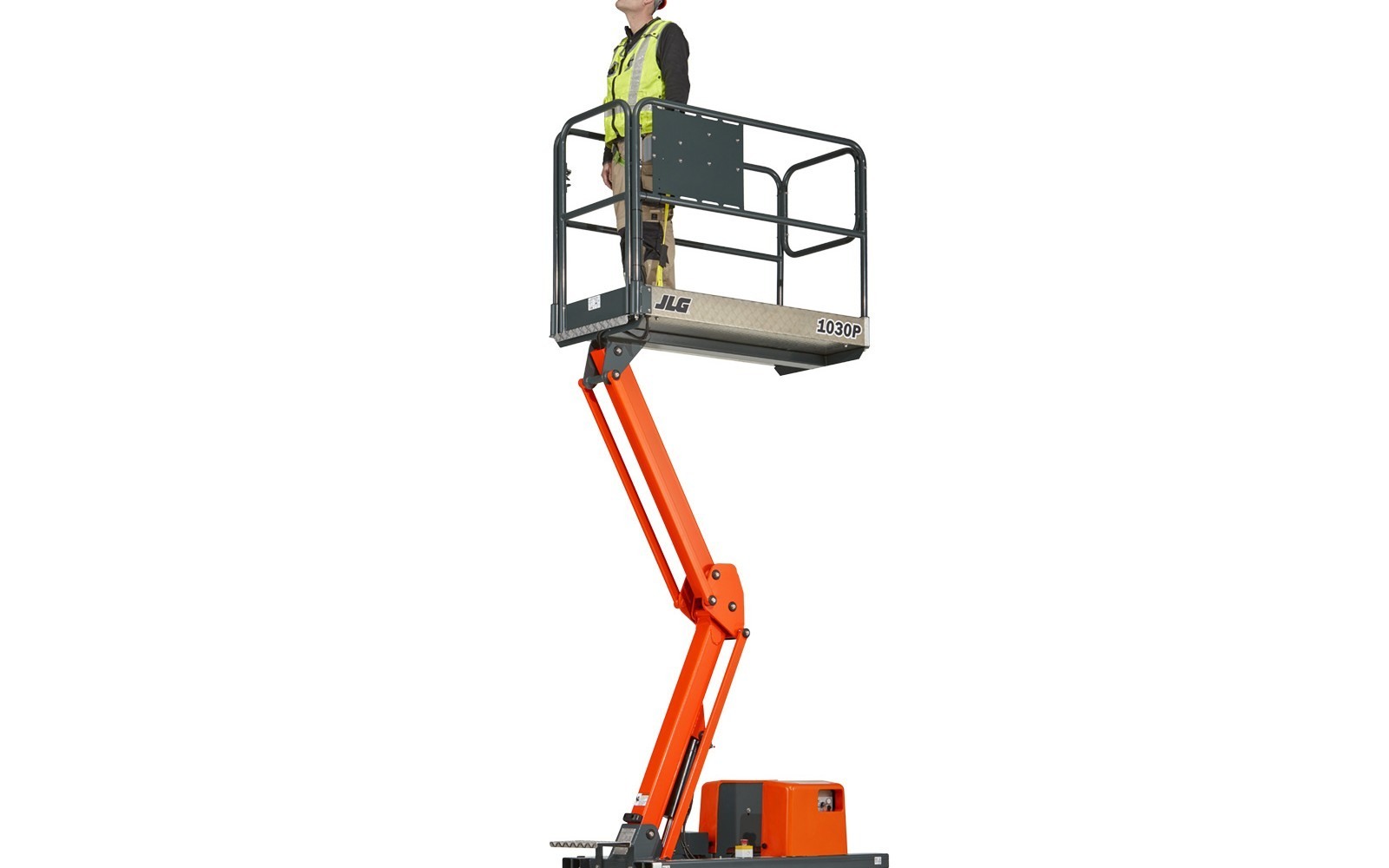
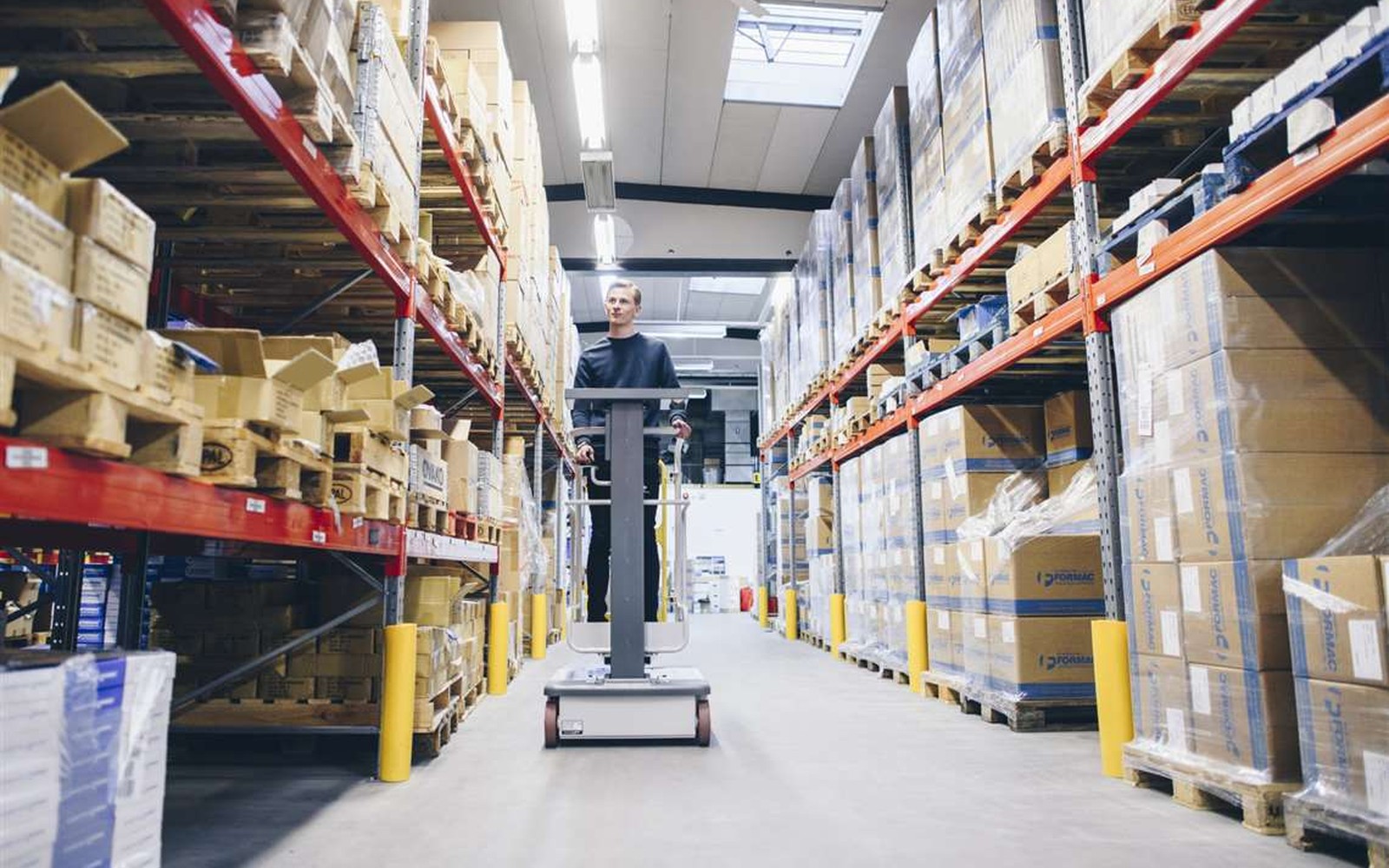
Low Level Access Lift
Common questions
Answers from the desk.

Do you finance insulated aerial work platforms for energized work?

Yes. Insulated aerial work platforms and dielectric-rated lifts are financed the same way as standard equipment. The insulation rating and OSHA compliance requirements are the operator's responsibility; from a financing standpoint, these are standard aerial work platforms.

We are a small distribution contractor with three crews. Can we finance two booms at once?

Yes. A two-unit purchase is a clean single deal if the total is under $400,000. Application-only processing covers it. One application, three months of bank statements, decision in a day.

Can I finance a boom lift that will be used on both utility contract work and private commercial projects?

Yes. How you allocate the equipment across projects does not affect the financing. The equipment is yours to deploy as the work demands.

My utility contracting company is growing fast and I anticipate needing multiple units over the next year. How do I avoid re-applying for each one?

An equipment line of credit pre-qualifies a total borrowing limit. You draw individual units against that limit as you acquire them without a full re-application each time. It is the right structure for a contractor adding equipment on a rolling basis.

Can I refinance an existing boom note to free up monthly cash flow during a slower contract period?

Yes. If there is remaining balance on a financed boom, an aerial lift refinance can extend the term and reduce the monthly payment. The unit stays in service throughout. The lower payment creates room in the monthly cash flow while the job pipeline fills back up.

Common Questions on Utility & Line Contractors

Straight answers before you send the equipment file.

Do you finance insulated aerial work platforms for energized work?

Yes. Insulated aerial work platforms and dielectric-rated lifts are financed the same way as standard equipment. The insulation rating and OSHA compliance requirements are the operator's responsibility; from a financing standpoint, these are standard aerial work platforms.

We are a small distribution contractor with three crews. Can we finance two booms at once?

Yes. A two-unit purchase is a clean single deal if the total is under $400,000. Application-only processing covers it. One application, three months of bank statements, decision in a day.

Can I finance a boom lift that will be used on both utility contract work and private commercial projects?

Yes. How you allocate the equipment across projects does not affect the financing. The equipment is yours to deploy as the work demands.

My utility contracting company is growing fast and I anticipate needing multiple units over the next year. How do I avoid re-applying for each one?

An equipment line of credit pre-qualifies a total borrowing limit. You draw individual units against that limit as you acquire them without a full re-application each time. It is the right structure for a contractor adding equipment on a rolling basis.

Can I refinance an existing boom note to free up monthly cash flow during a slower contract period?

Yes. If there is remaining balance on a financed boom, an aerial lift refinance can extend the term and reduce the monthly payment. The unit stays in service throughout. The lower payment creates room in the monthly cash flow while the job pipeline fills back up.

Get Terms on Utility & Line Contractors

Tell us what you are buying, who is selling it, and when you need it earning. We will review the file and point you to the next step.

Get Loan Terms →Call (713) 375-4374