Telescopic Boom Lift Financing

Telescopic Boom Lift Financing

Aerial Lifts We Finance / Telescopic Boom Lift Financing

Telescopic Boom Lift Financing

Finance telescopic (straight) boom lifts from $50k. Maximum reach and height for open-face work. JLG, Genie, and Skyjack models. credit history weighed against.

Approval is more than a credit score.

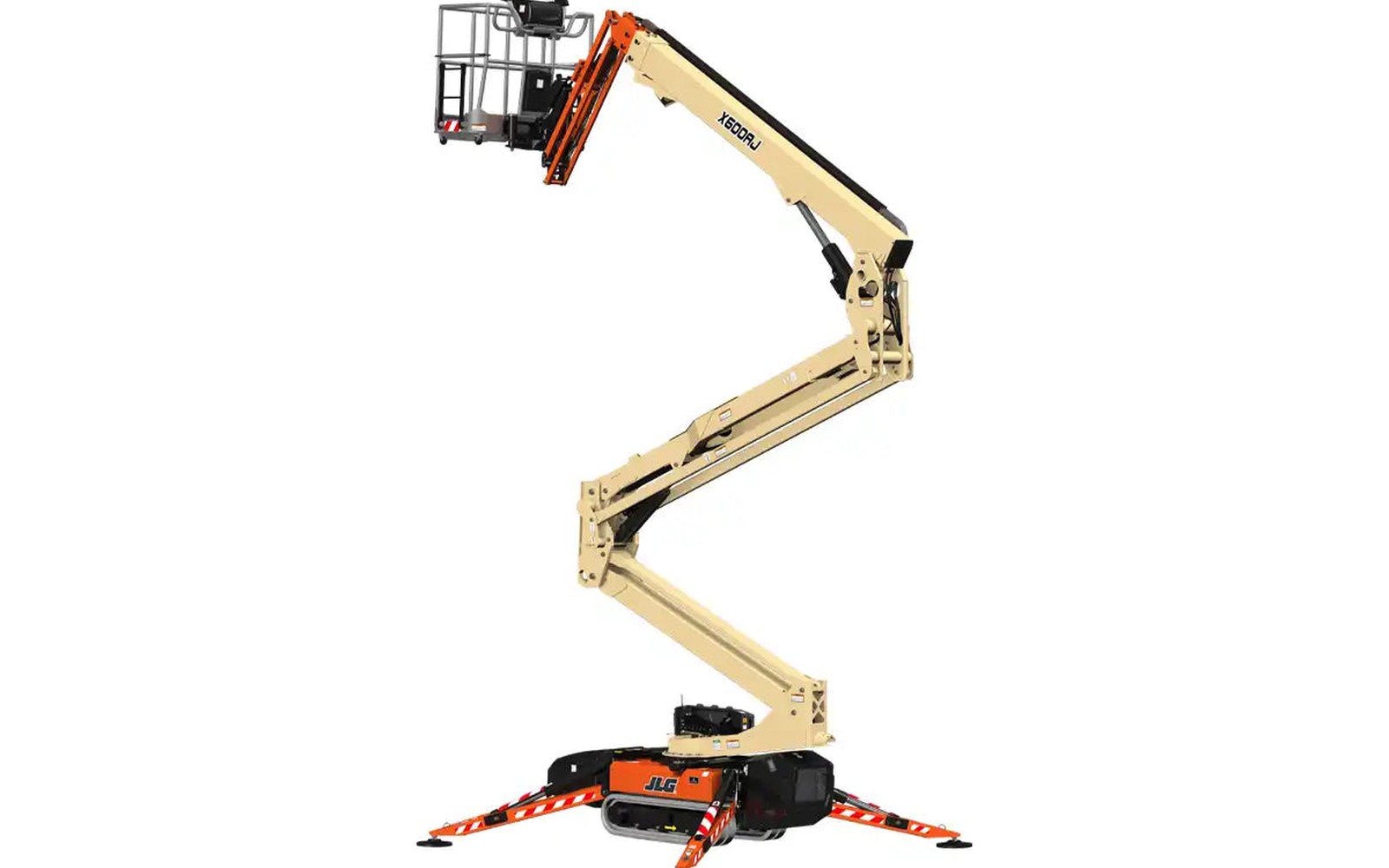
Trailer Mounted Boom Lift
  • Priced on the asset — deck height, hours, and resale strength carry the file.
  • Application-only up to $500,000 — financials stay in the drawer.
  • New, used, dealer, auction, or private party — all fundable.
  • Startups and challenged credit get structure, not a form rejection.
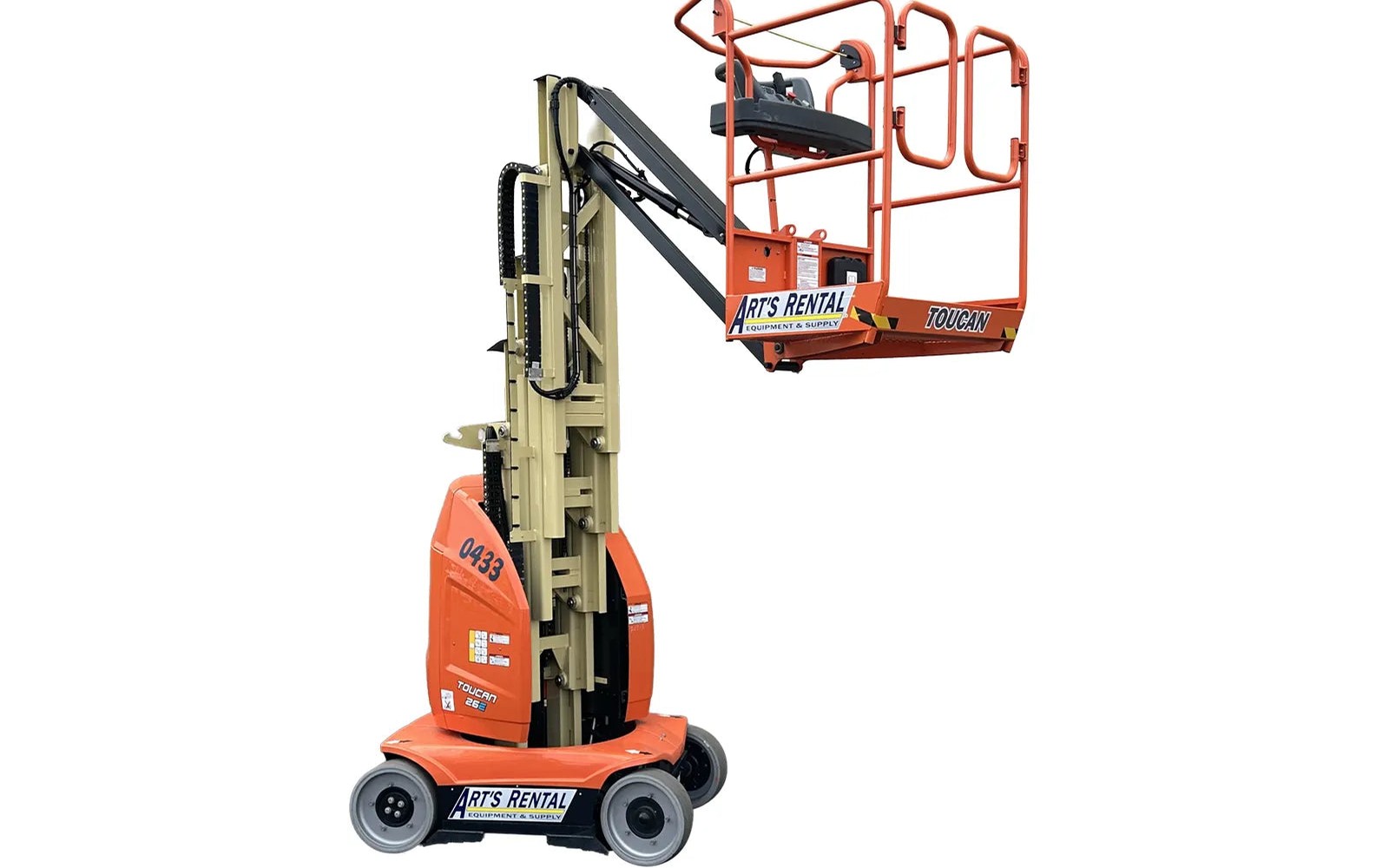
Vertical Mast Lift

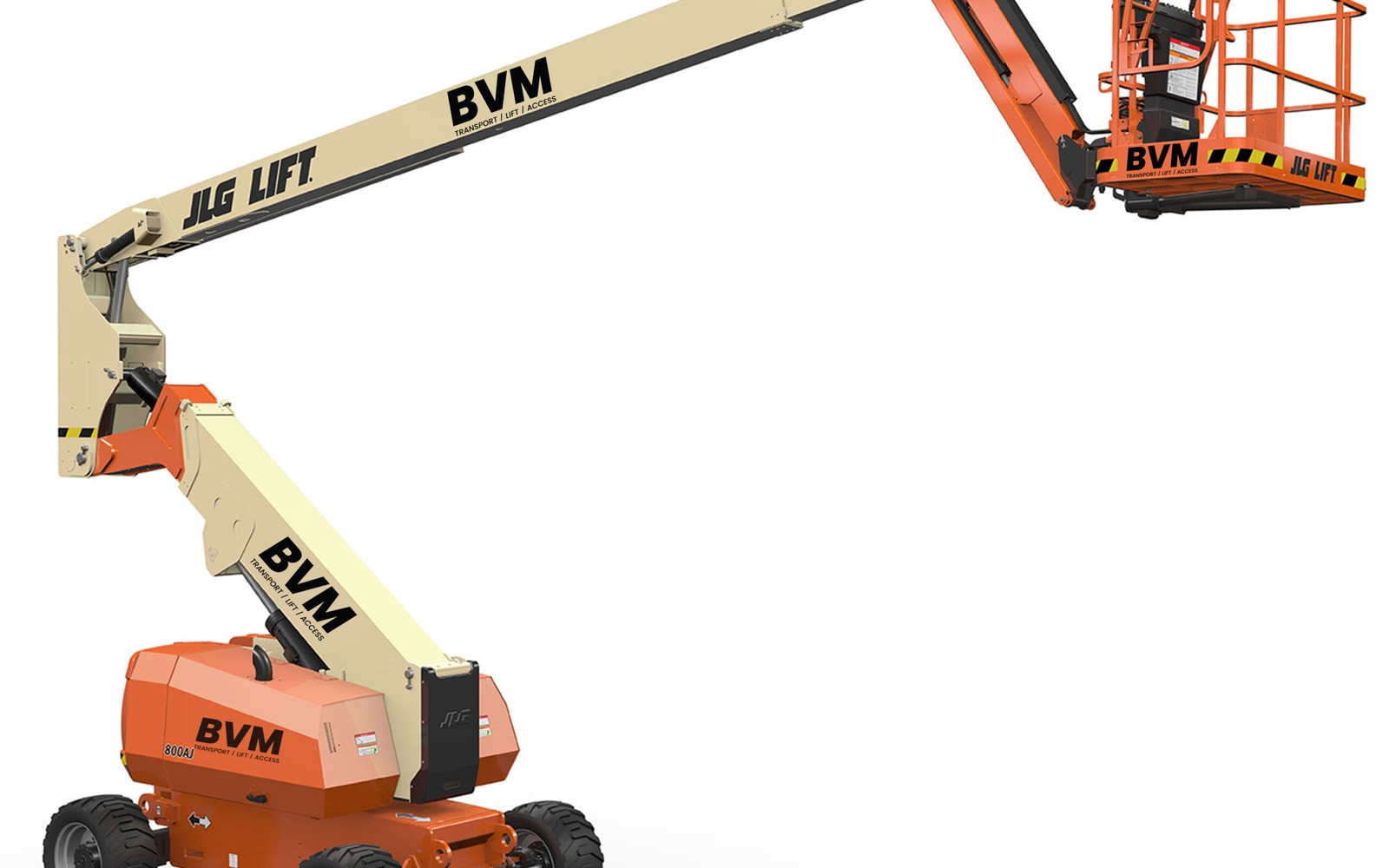
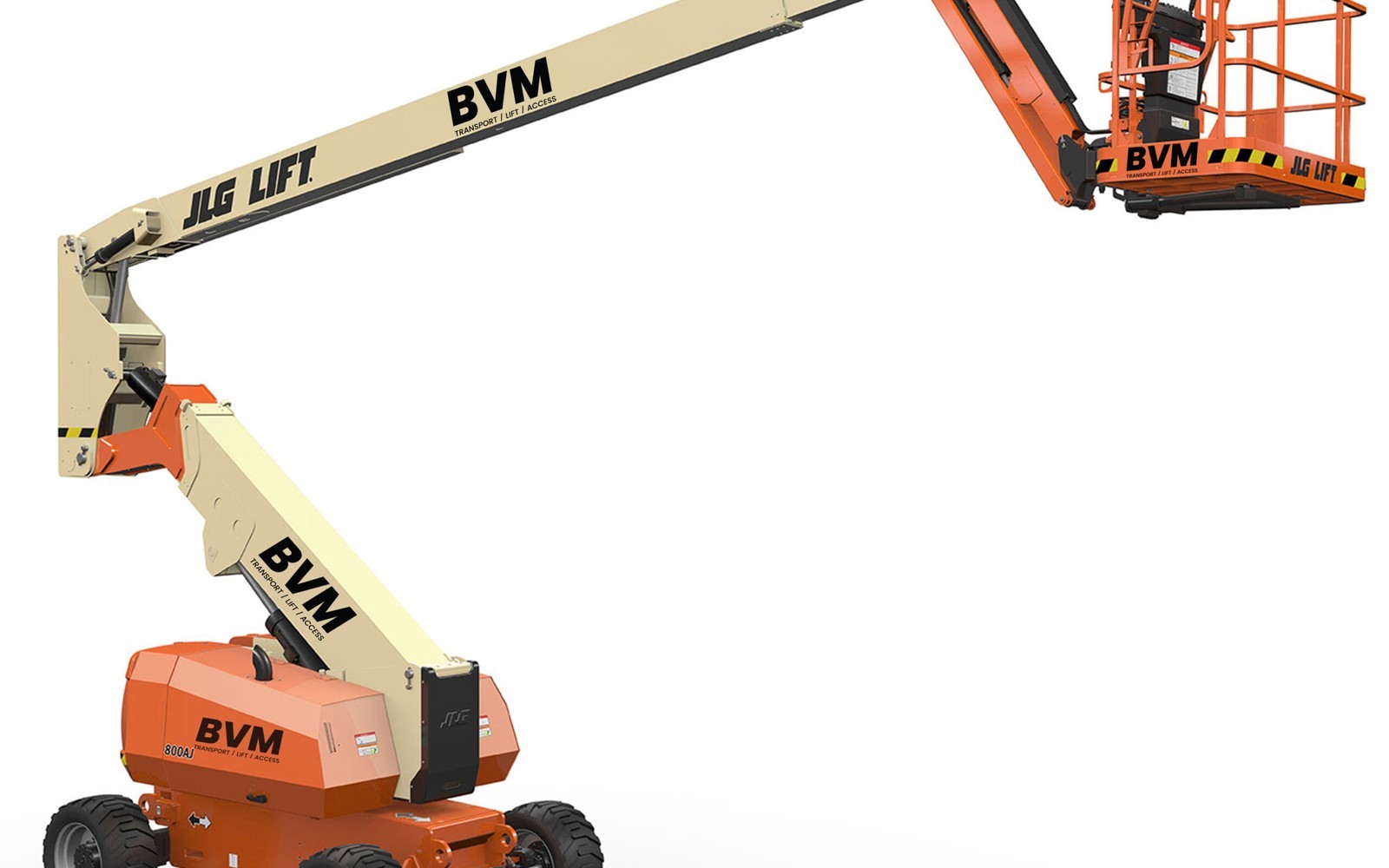
The telescopic boom trades the articulating arm's obstacle-clearing flexibility for something else: pure reach. A Genie S-85 puts a platform at 85 feet and 75 feet of horizontal outreach from the base. A JLG 1500SJ puts a worker at 150 feet. There's no elbow in the boom, no up-and-over routing; the arm extends straight from the turntable to the work. For open-face applications, that's exactly the geometry you want. Bridge decks, power transmission structures, stadium lighting, building facades without cantilevered obstructions, and tall industrial work where the load path is clear: these are telescopic jobs.

We fund straight booms in all height classes: the compact 40-to-60-foot range that handles commercial construction maintenance and mid-rise work, the 80-to-120-foot range that covers tall commercial and industrial construction, and the specialty machines above 135 feet that get into bridge inspection and large-infrastructure work. Our floor is $50,000 and the core funded range starts well above that for telescopic booms; most single-unit deals in this category price into our deal range on their own. Statement-led review below about $400,000, funded in one to two weeks, challenged credit reviewed.

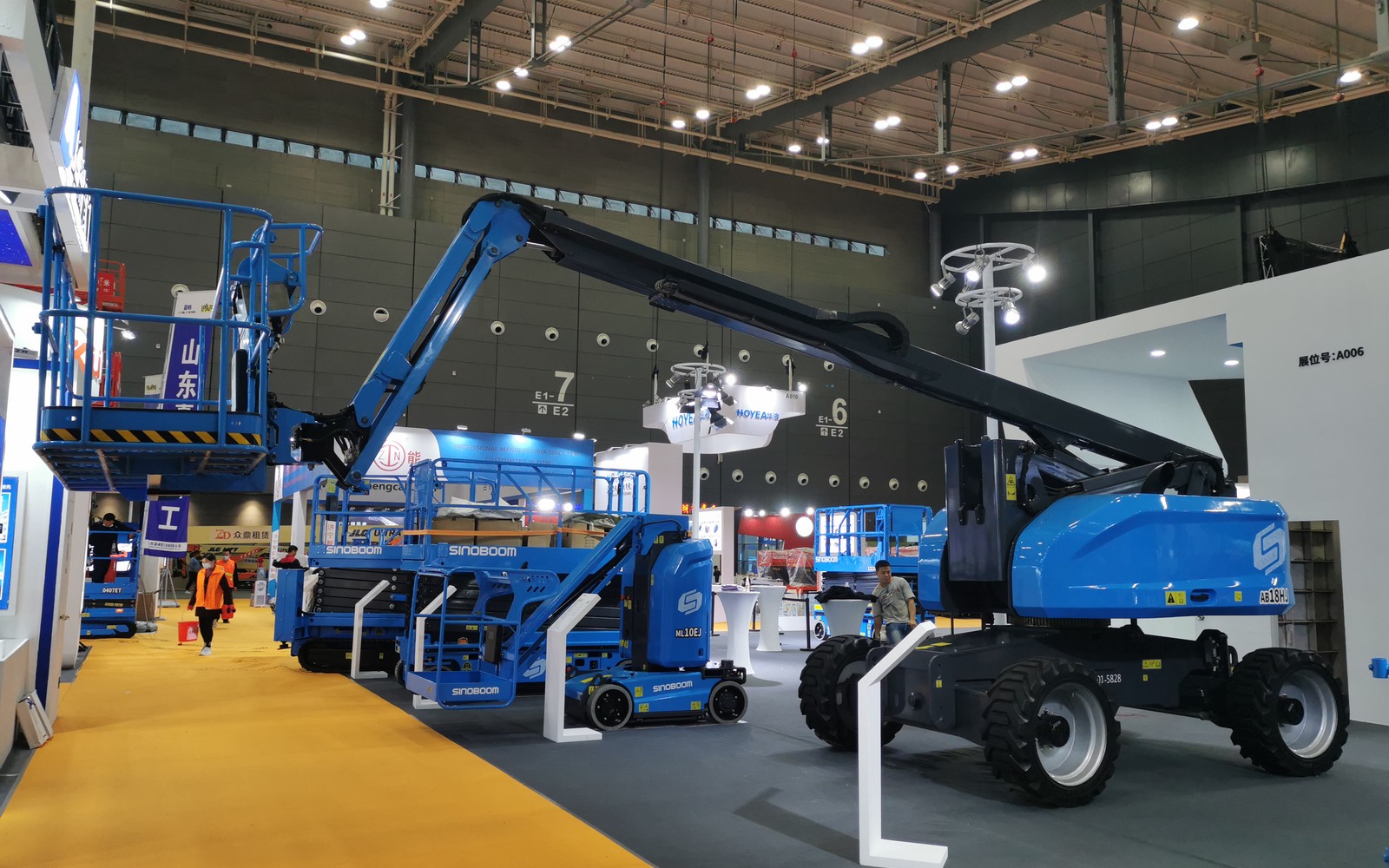
150 Foot Boom Lift
Telescopic Boom Specs: What the Numbers Mean

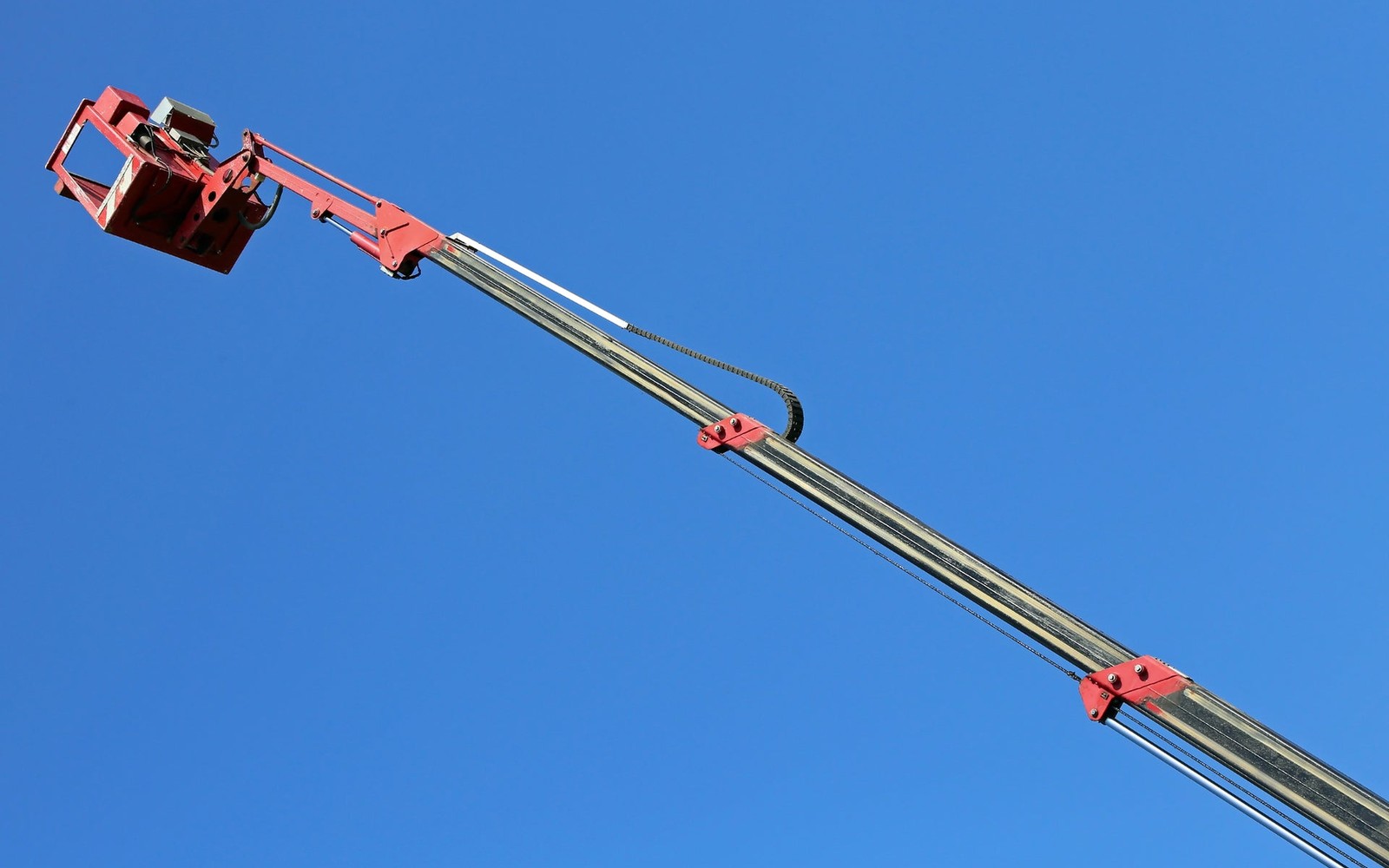
The key specs on a telescopic boom are platform height, horizontal outreach, and platform capacity. Platform height is the vertical reach from ground to the floor of the platform. Horizontal outreach is how far the platform travels horizontally from the center of the machine at full extension. On a Genie S-85, for example, platform height is 85 feet and horizontal outreach runs about 75 feet. That 75-foot outreach means the machine base can be set back 75 feet from a structure and still reach the face at 85 feet up.

Platform capacity is the other critical number. Standard telescopic booms carry 500 to 800 pounds unrestricted capacity at full extension. Some models have restricted-capacity extended positions that allow a single worker to reach further but limit total platform load. Knowing which capacity zone your crew operates in is important for both safety compliance and for evaluating the right machine for the job.

Rough-terrain and slab-grade models both exist in the telescopic class. A rough-terrain telescopic boom on foam-filled tires handles open-air construction and uneven sites. The electric telescopic, like the JLG 600S or Genie S-60 in the 60-foot class, runs on battery power for indoor or emissions-sensitive applications. The Genie S-125 and Genie SX-150 in the 135-foot class are diesel-powered large machines for tall open-air work.

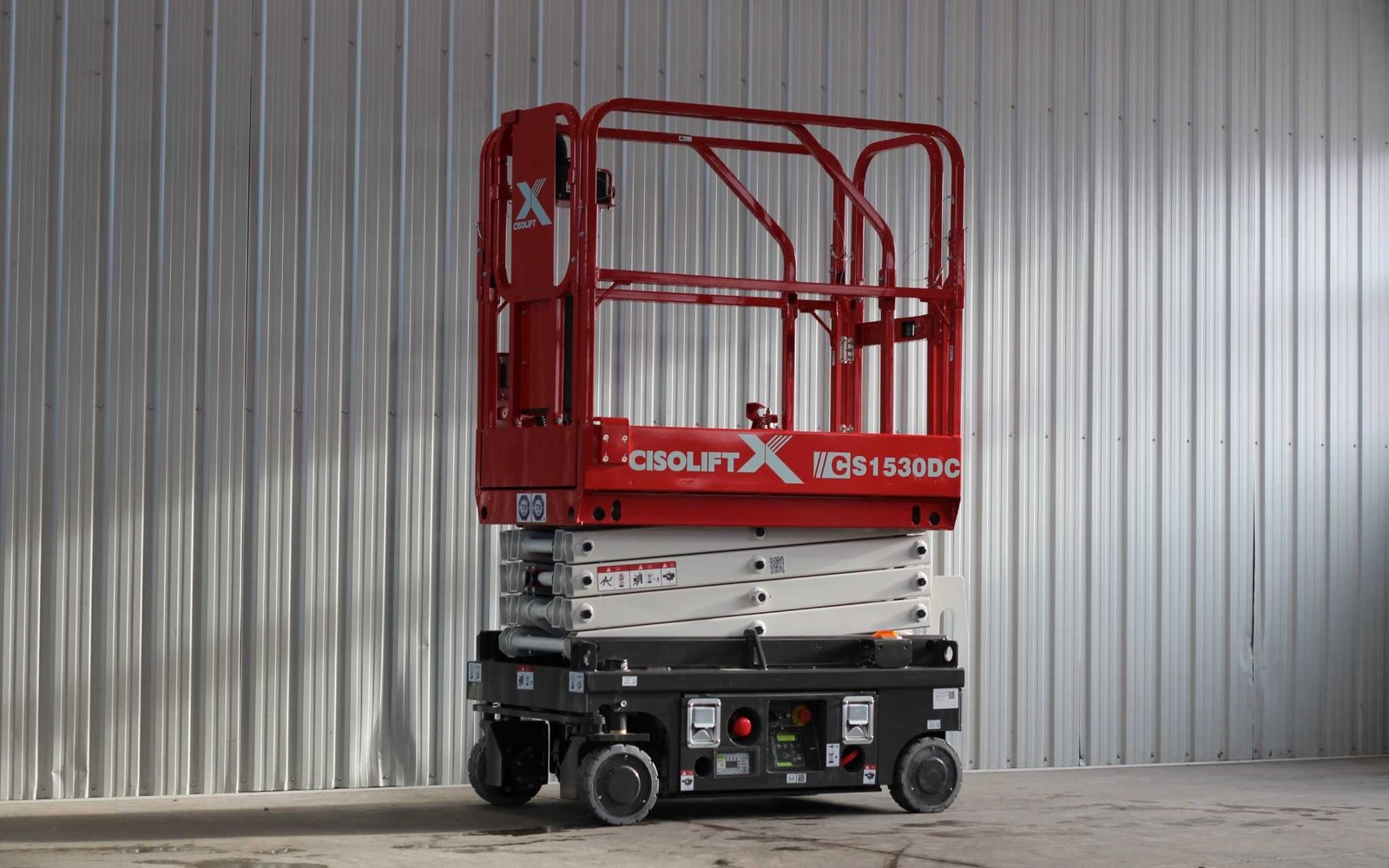
26 Foot Scissor Lift
Where Telescopic Booms Do Their Best Work

Steel erection crews use telescopic booms to set and bolt structural steel connections on multi-story buildings where the boom needs to extend directly out from the perimeter to reach the iron going up. The straight geometry of a telescopic lets the crew position the base on grade or on a lower deck and reach the connection at the required height and standoff distance without repositioning between connections.

Window cleaning and glazing contractors use telescopic booms on commercial high-rise and mid-rise exteriors where the arm needs to extend across the glass face from a fixed base position. The horizontal outreach is the spec they're buying, not just the height, and it's why a telescopic serves this market better than a same-height articulating boom.

Painting and coatings contractors working large commercial exterior applications use telescopic booms for the same reach geometry. An exterior coating program on a warehouse or distribution center exterior can run multiple straight booms simultaneously, one per wall face, with each machine working the length of a wall from a fixed position and stepping down the wall rather than repositioning the base constantly.

Bridge inspection crews working for state DOTs and municipal authorities use long-reach telescopic booms, often in the 135-to-185-foot class, for underbridge and deck edge inspections. These are specialized machines and represent some of the highest per-unit values in the aerial lift category. The 185-foot telescopic class is typically financed for fleet operators rather than individual owner-operators.

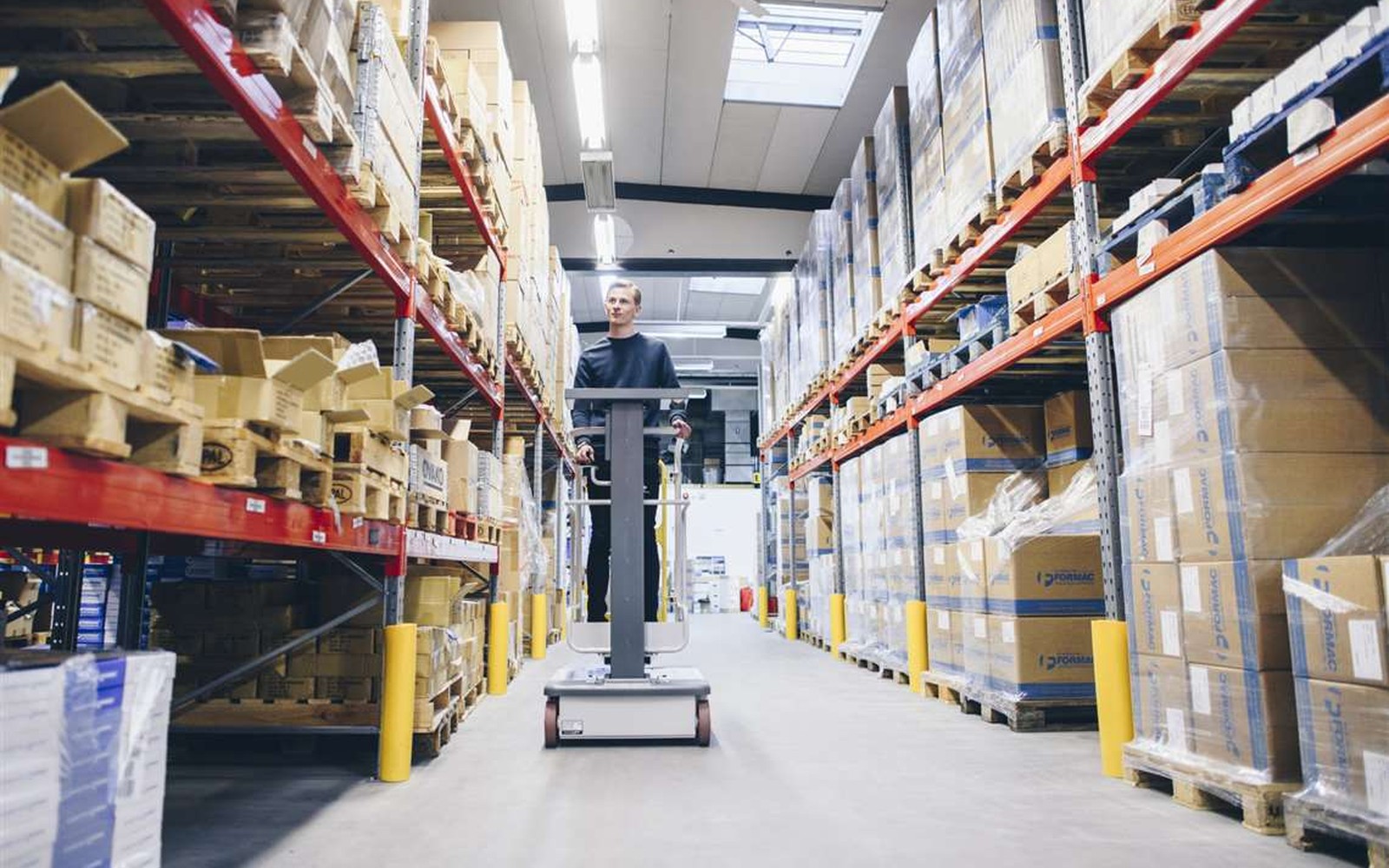
Low Level Access Lift
Common questions
Answers from the desk.

What's the difference between a telescopic and an articulating boom lift for my rental fleet?

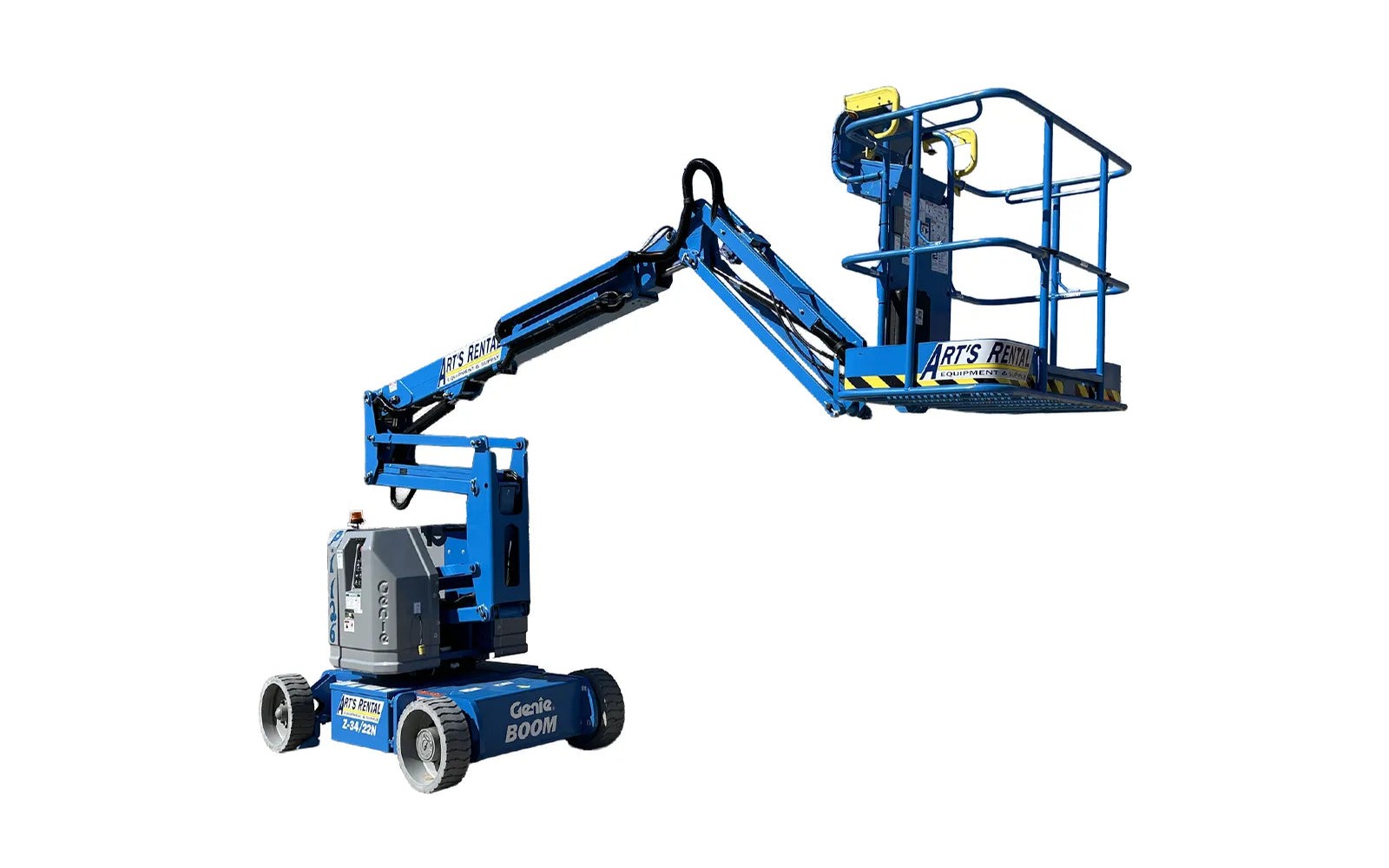
Telescopics give you better height and outreach for open-face work. Articulating booms work better in congested job sites where the platform needs to go over or around obstacles. A balanced rental fleet needs both. The 60-foot classes of both types are the volume movers in most commercial construction markets.

Can I finance a used Genie S-85 or JLG 800S from a rental company fleet sale?

Yes. Used large-class telescopic booms from rental fleet disposals are good financing candidates. The machine value on a well-maintained S-85 with under 2,000 hours holds well and supports a single-unit deal in our deal range. We need the bill of sale, equipment description, and three months of your bank statements.

Is it possible to get a 135-foot telescopic boom financed with B credit?

Yes, though larger machines in the 135-foot class and above typically involve more documentation than the standard bank-statement review. B credit with strong cash flow from bank statements is workable. We'll be straight with you about what we need to underwrite a larger-than-average deal.

How do I know if a telescopic boom is right for my job versus a knuckle boom?

If your work requires the platform to clear an obstacle before reaching the work (a balcony, a steel beam, a ledge), the articulating knuckle boom handles that better. If your work is open-face at height with no obstacles between the machine and the work surface, the telescopic gives more reach per dollar. For most tower, bridge, and facade work, telescopic is the standard choice.

Can I get a sale-leaseback on a telescopic boom I own outright?

Yes. Sale-leaseback on owned telescopic booms is a straightforward deal for us. We establish current market value, you receive cash at close, and you lease the machine back. The machine stays in service throughout.

Common Questions on Telescopic Boom Lift Financing

Straight answers before you send the equipment file.

What's the difference between a telescopic and an articulating boom lift for my rental fleet?

Telescopics give you better height and outreach for open-face work. Articulating booms work better in congested job sites where the platform needs to go over or around obstacles. A balanced rental fleet needs both. The 60-foot classes of both types are the volume movers in most commercial construction markets.

Can I finance a used Genie S-85 or JLG 800S from a rental company fleet sale?

Yes. Used large-class telescopic booms from rental fleet disposals are good financing candidates. The machine value on a well-maintained S-85 with under 2,000 hours holds well and supports a single-unit deal in our deal range. We need the bill of sale, equipment description, and three months of your bank statements.

Is it possible to get a 135-foot telescopic boom financed with B credit?

Yes, though larger machines in the 135-foot class and above typically involve more documentation than the standard bank-statement review. B credit with strong cash flow from bank statements is workable. We'll be straight with you about what we need to underwrite a larger-than-average deal.

How do I know if a telescopic boom is right for my job versus a knuckle boom?

If your work requires the platform to clear an obstacle before reaching the work (a balcony, a steel beam, a ledge), the articulating knuckle boom handles that better. If your work is open-face at height with no obstacles between the machine and the work surface, the telescopic gives more reach per dollar. For most tower, bridge, and facade work, telescopic is the standard choice.

Can I get a sale-leaseback on a telescopic boom I own outright?

Yes. Sale-leaseback on owned telescopic booms is a straightforward deal for us. We establish current market value, you receive cash at close, and you lease the machine back. The machine stays in service throughout.
Get Terms on Telescopic Boom Lift Financing

Tell us what you are buying, who is selling it, and when you need it earning. We will review the file and point you to the next step.

Get Loan Terms →Call (713) 375-4374