Rough-Terrain Boom Lift Financing

Rough-Terrain Boom Lift Financing

Aerial Lifts We Finance / Rough-Terrain Boom Lift Financing

Rough-Terrain Boom Lift Financing

Finance rough-terrain boom lifts for outdoor construction, industrial, and energy work. $50k floor, credit history weighed against lift value, statement-led.

Approval is more than a credit score.

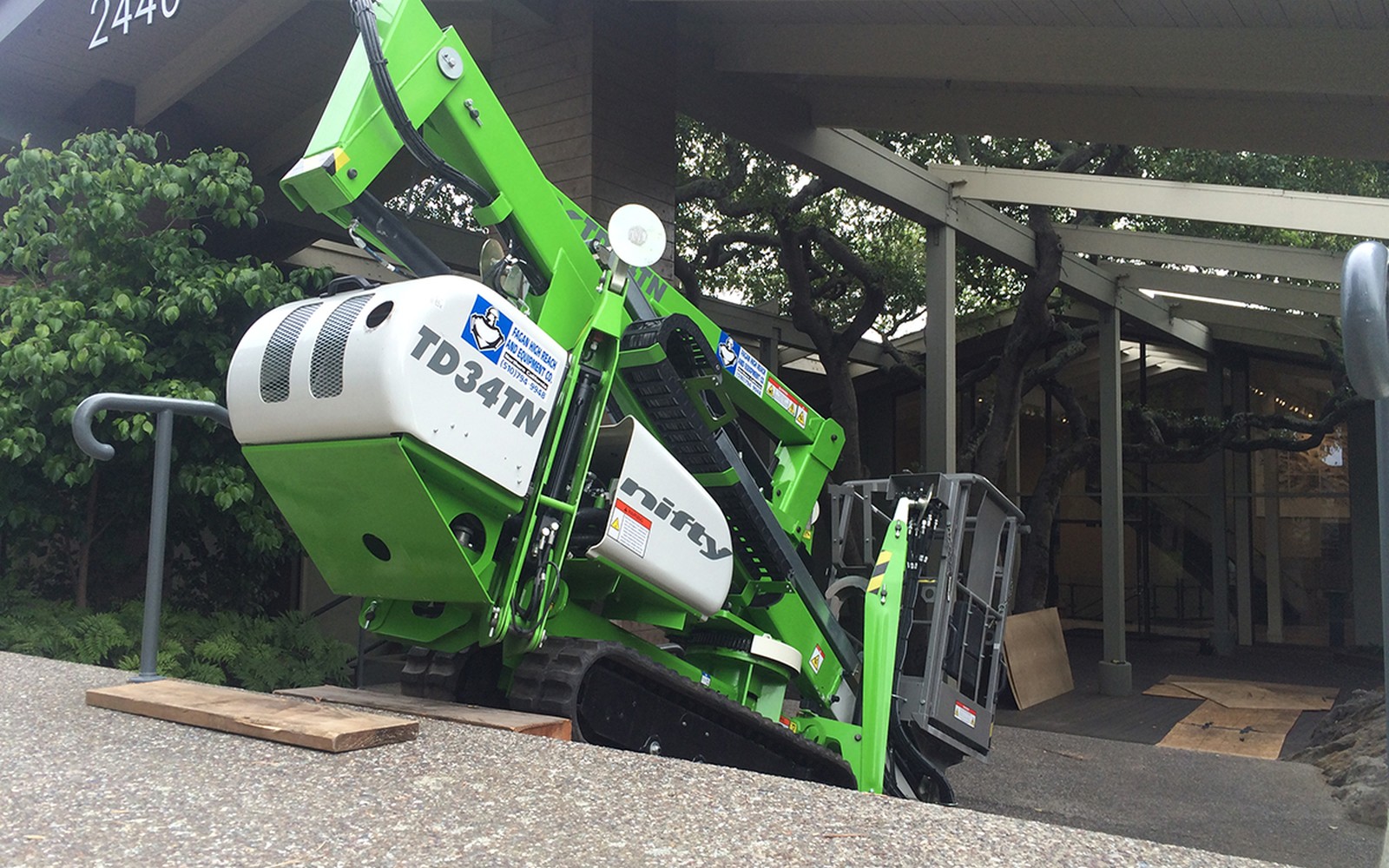
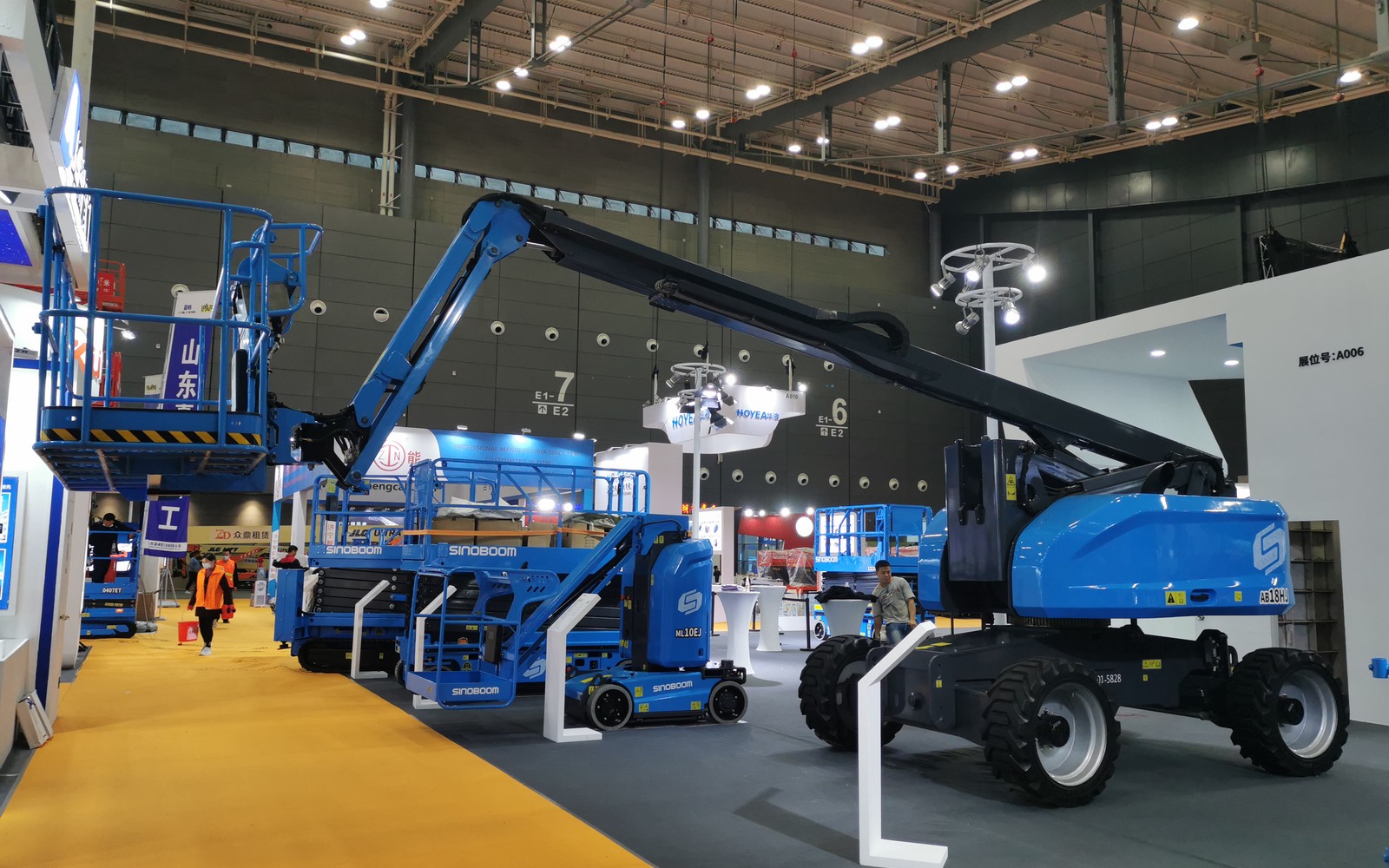
Crawler Boom Lift
  • Priced on the asset — deck height, hours, and resale strength carry the file.
  • Application-only up to $500,000 — financials stay in the drawer.
  • New, used, dealer, auction, or private party — all fundable.
  • Startups and challenged credit get structure, not a form rejection.
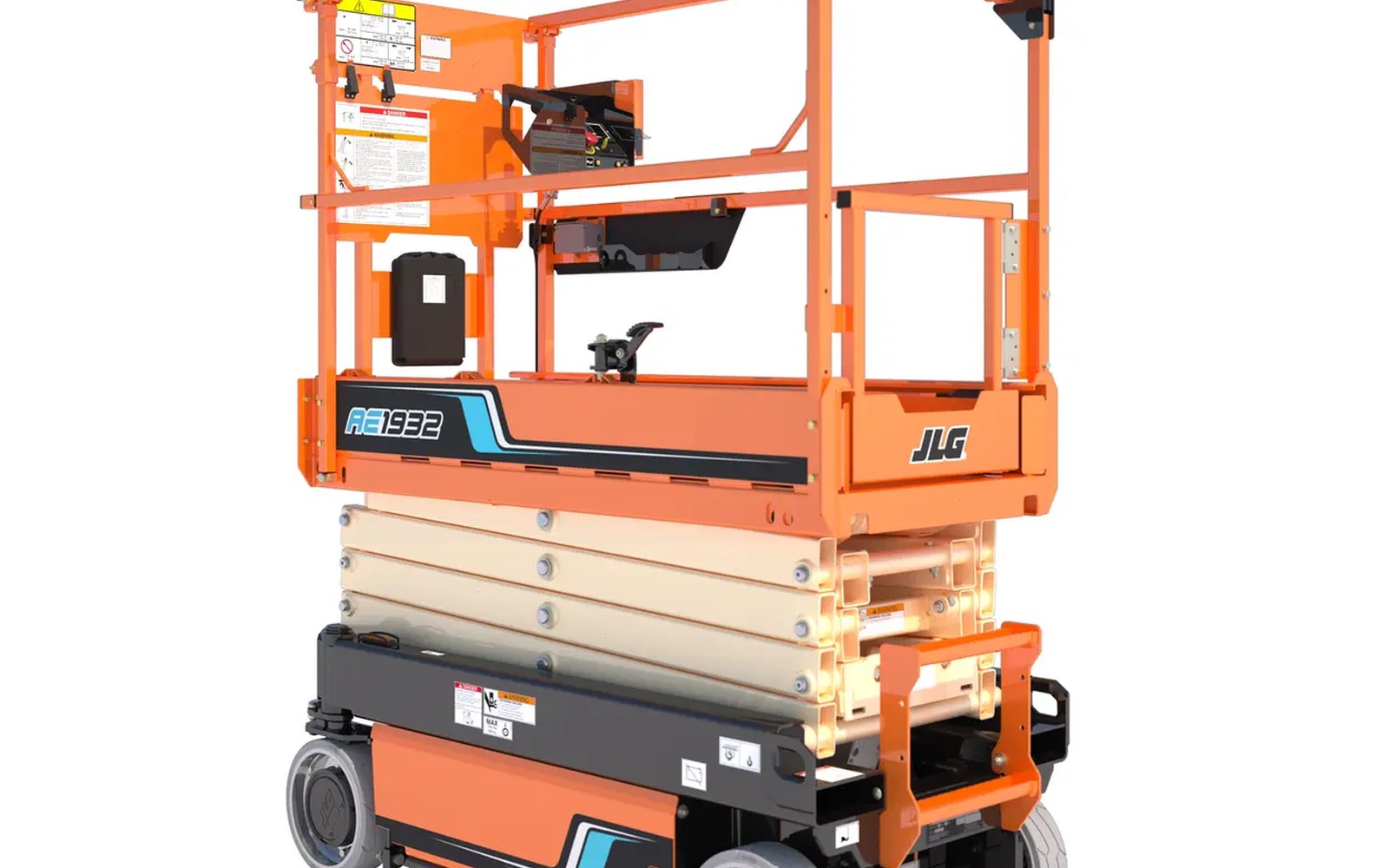
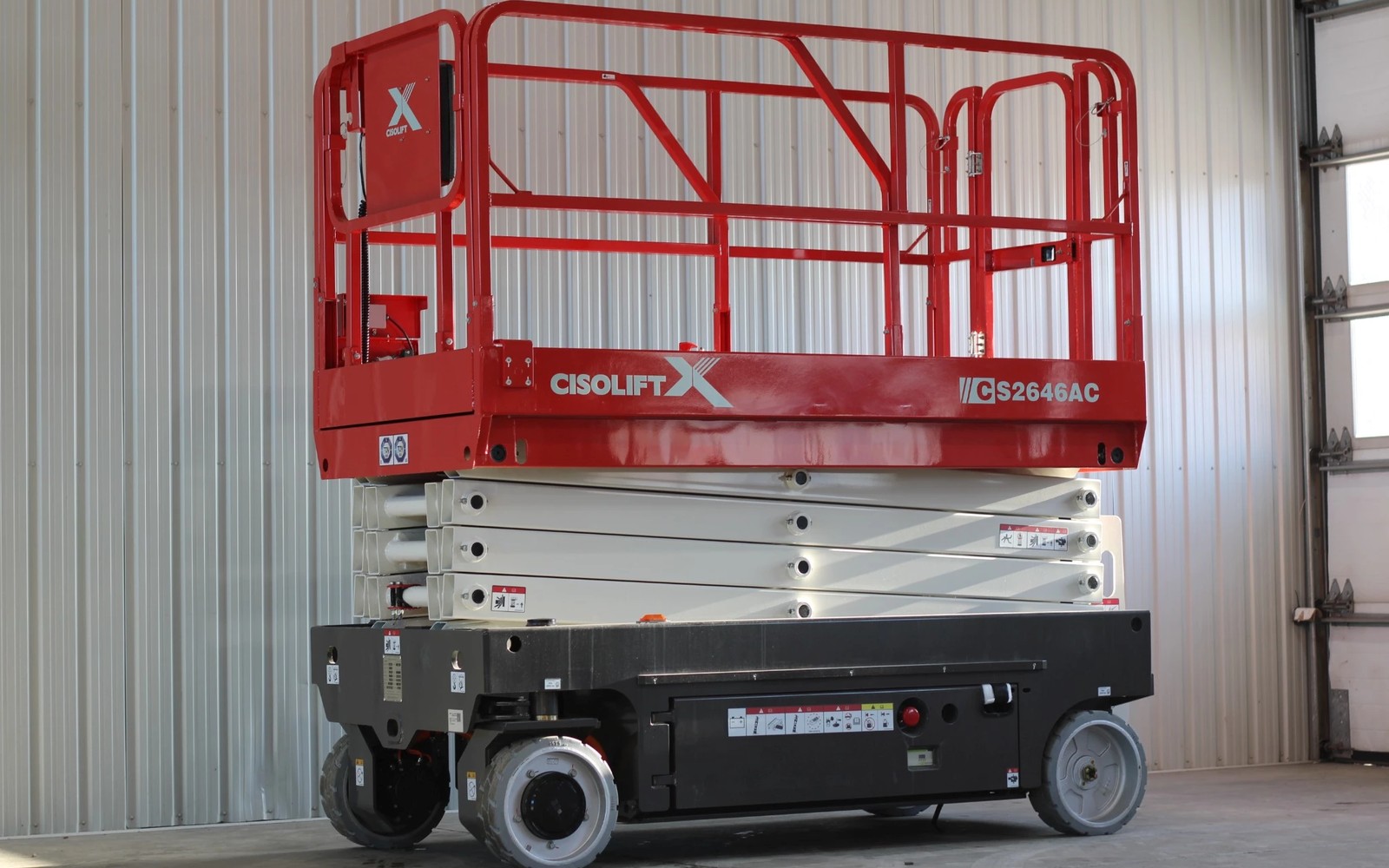
Electric Scissor Lift

Grade changes, muddy ground, gravel pads, rock: that is the operating environment for a rough-terrain boom lift. The four-wheel-drive system, foam-filled tires, and oscillating axles are built for sites where a slab machine would dig in and stop. Active construction sites, oil field locations, utility right-of-way work, and energy infrastructure maintenance all depend on rough-terrain booms because the work doesn't happen on flat, finished floor. The machine either handles the ground or the crew waits, and waiting is expensive. We fund rough-terrain boom lifts across all height classes, new or used, from a $50k floor.

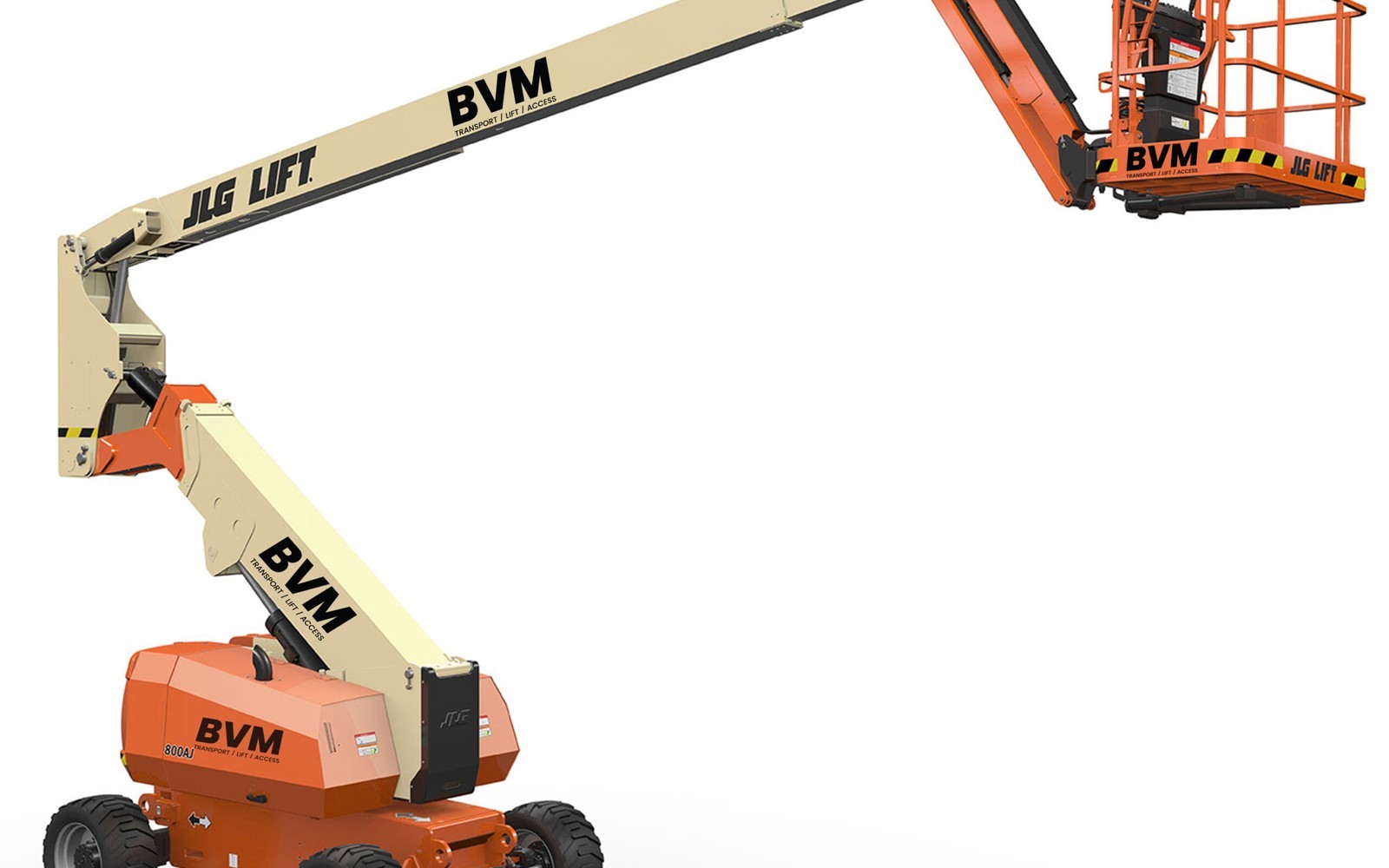
Rough-terrain booms come in both telescopic (straight boom) and articulating (knuckle) configurations. The drive class is what defines the category, not the boom geometry. A 4WD articulating boom on foam-filled tires rated for outdoor grade work and a 4WD telescopic boom built for high-rise facade access on a construction site are both rough-terrain units. The financing works the same either way. Most common sizes for active construction sites run from 60 to 120 feet platform height, though the smallest RT units start around 45 feet and the largest purpose-built industrial models exceed 150 feet.

Low Level Access Lift
Built for the Site, Not the Shop Floor

Built for the Site, Not the Shop Floor

Four-wheel drive and all-wheel steering are the mechanical foundation of a rough-terrain boom. Most RT units also feature an oscillating front axle that allows the machine to maintain four-point ground contact on uneven terrain without destabilizing the platform. That stability matters at height, particularly on an active construction site where the ground shifts as fill gets compacted or material gets moved. Operators and site supervisors who understand the machines will notice immediately when a unit lacks proper RT capability for the conditions, and the ANSI and OSHA requirements around machine suitability for the ground conditions are clear.

Fuel type on rough-terrain booms is almost universally diesel or dual-fuel diesel/propane. Diesel is the default for long-shift outdoor use because the run time and refueling logistics are simpler on a large jobsite than battery charging. Tier 4 Final diesel engines are now standard on machines manufactured in the past several years, which matters for work in urban areas with idling restrictions or sites with specific emission requirements.

Used rough-terrain boom values hold well compared to indoor electric units, partly because diesel equipment is fungible across geographies and the used market for construction-grade RT booms is active nationwide. A well-maintained rough-terrain 80-foot boom from JLG or Genie is a machine that dealers, rental yards, and contractors across the country are actively buying. That liquidity supports the deal from a lender's perspective. Compare that to a specialty slab machine with limited use cases, and the rough-terrain unit often underwrites better, even at similar dollar values.

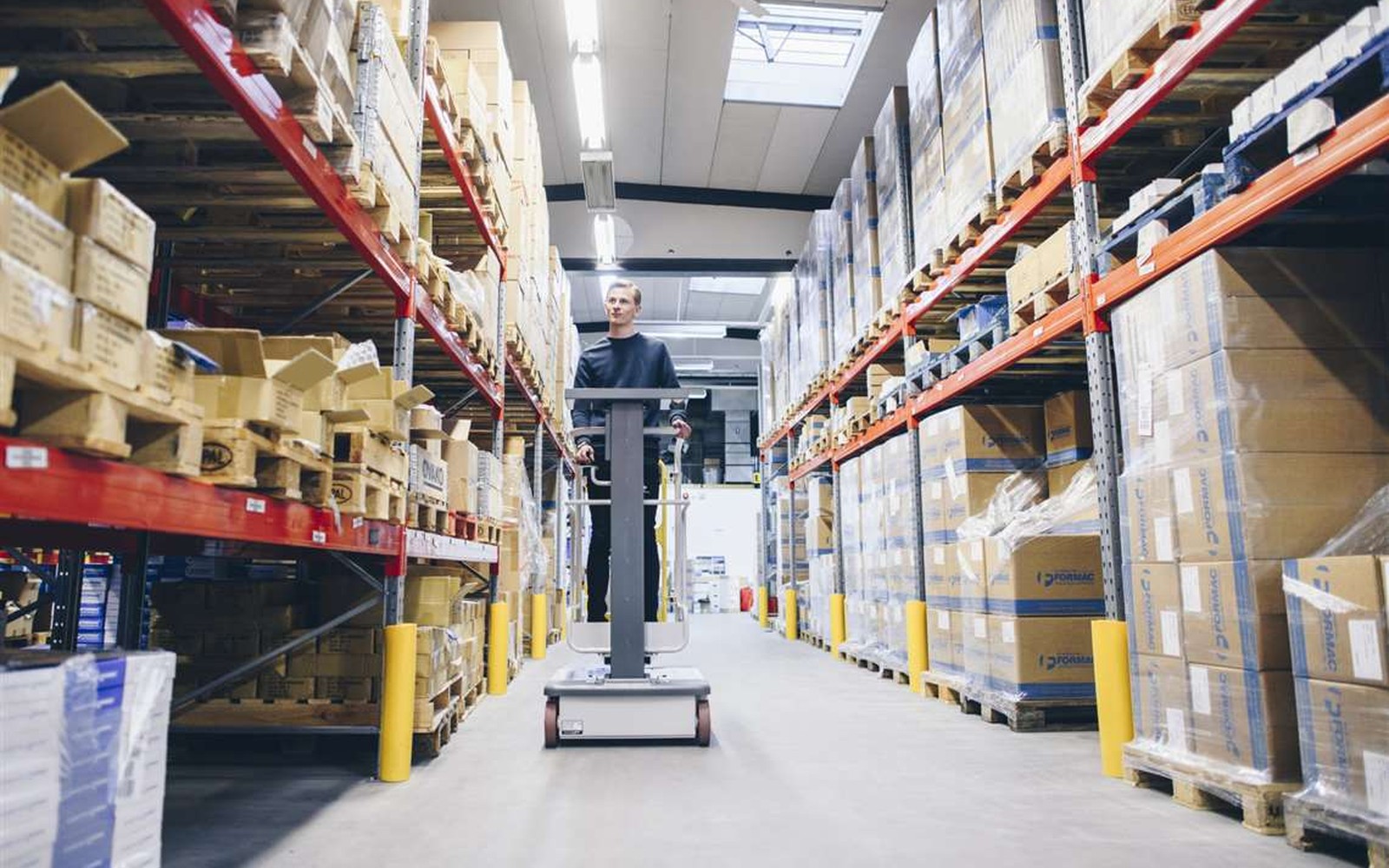
One Man Scissor Lift
Who Buys Rough-Terrain Booms

Who Buys Rough-Terrain Booms

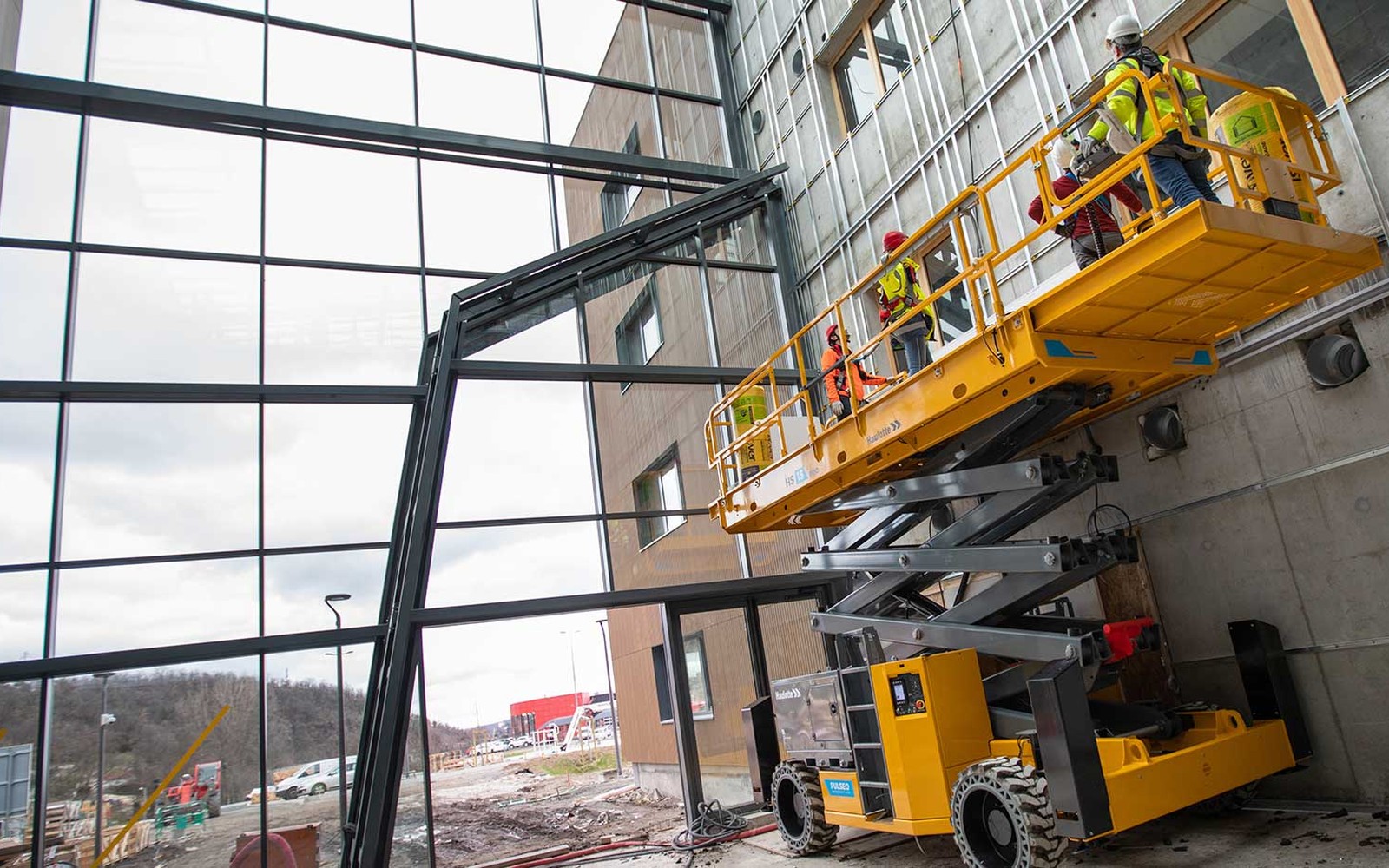
General contractors running multi-year commercial and industrial construction projects are the largest buyer of rough-terrain boom financing. A GC who wins a large warehouse or industrial building project may purchase two or three RT booms for the duration of the project, use them for steel connections, roofing system installation, MEP rough-in, and facade work over 18 to 24 months, and then sell or refinance the machines after project completion. That cycle is a common deal pattern for us. We fund the units at project start and sometimes handle the sale-leaseback or refinance at the end.

Solar installation contractors running large commercial rooftop or ground-mount projects are significant rough-terrain boom buyers. Large commercial rooftop installations, where the system is on a building roof or a paved lot with uneven access, often require 60-to-80-foot RT articulating booms for panel placement and rail installation at the roof edge. Ground-mount utility-scale solar sites operate on raw ground that a slab machine cannot serve at all. Solar contractors who own their own rough-terrain booms rather than renting achieve meaningful cost savings on projects with multi-month timelines.

Utility and line contractors doing distribution line work, substation construction, and transmission right-of-way maintenance run rough-terrain booms in 60-to-120-foot height classes. Substations and transmission structures are almost never on paved, flat ground. The machines need to drive through grass, gravel, and sometimes raw cut, and the RT configuration is the baseline requirement for that type of work.

Low Level Access Lift
Common questions
Answers from the desk.

Can I finance a rough-terrain boom that will be used on an active construction site in a different state than my business is registered in?

Yes. Equipment location and business registration address don't have to match. We've funded machines for operators who keep their fleet across multiple states. The business entity, the revenue, and the asset are what matter.

Are Tier 4 diesel rough-terrain booms easier to finance than older Tier 2 or Tier 3 machines?

Tier 4 machines are newer by definition and typically have lower hours, which supports value and makes approval cleaner. Older Tier 2 or Tier 3 machines can still be financed but the loan-to-value may be tighter. We assess each machine on its actual market value, not its emissions tier alone.

I need three rough-terrain booms for a project that starts in 45 days. Is that realistic?

Yes, that's a workable timeline. Application-only deals under $400k per unit typically close inside two weeks. Three units can be structured as one transaction or three separate notes. Call us with the machine specs and we'll map the fastest path.

Can I refinance a rough-terrain boom I bought 18 months ago and still owe money on?

Refinancing with an existing lien is possible if there's equity in the machine above the current payoff. We'd pay off the existing lender and issue a new note at current market value. Whether that makes sense depends on your current rate, the current value of the machine, and what you need the cash for.

What's the difference between financing a rough-terrain boom and a standard boom lift?

Structurally the financing is the same. The difference is in asset value and liquidity in the used market. Rough-terrain diesel units tend to have a robust secondary market, which supports the lender's risk and sometimes translates to better loan-to-value terms than indoor-only electric units.

Common Questions on Rough-Terrain Boom Lift Financing

Straight answers before you send the equipment file.

Can I finance a rough-terrain boom that will be used on an active construction site in a different state than my business is registered in?

Yes. Equipment location and business registration address don't have to match. We've funded machines for operators who keep their fleet across multiple states. The business entity, the revenue, and the asset are what matter.

Are Tier 4 diesel rough-terrain booms easier to finance than older Tier 2 or Tier 3 machines?

Tier 4 machines are newer by definition and typically have lower hours, which supports value and makes approval cleaner. Older Tier 2 or Tier 3 machines can still be financed but the loan-to-value may be tighter. We assess each machine on its actual market value, not its emissions tier alone.

I need three rough-terrain booms for a project that starts in 45 days. Is that realistic?

Yes, that's a workable timeline. Application-only deals under $400k per unit typically close inside two weeks. Three units can be structured as one transaction or three separate notes. Call us with the machine specs and we'll map the fastest path.

Can I refinance a rough-terrain boom I bought 18 months ago and still owe money on?

Refinancing with an existing lien is possible if there's equity in the machine above the current payoff. We'd pay off the existing lender and issue a new note at current market value. Whether that makes sense depends on your current rate, the current value of the machine, and what you need the cash for.

What's the difference between financing a rough-terrain boom and a standard boom lift?

Structurally the financing is the same. The difference is in asset value and liquidity in the used market. Rough-terrain diesel units tend to have a robust secondary market, which supports the lender's risk and sometimes translates to better loan-to-value terms than indoor-only electric units.
Get Terms on Rough-Terrain Boom Lift Financing

Tell us what you are buying, who is selling it, and when you need it earning. We will review the file and point you to the next step.

Get Loan Terms →Call (713) 375-4374