General Contractors

General Contractors

Industries We Serve / General Contractors

General Contractors

GCs running commercial, industrial, and multi-family projects need aerial lift financing that moves as fast as their schedule. We fund boom lifts and scissor.

Approval is more than a credit score.

Film And Event Production
  • Priced on the asset — deck height, hours, and resale strength carry the file.
  • Application-only up to $500,000 — financials stay in the drawer.
  • New, used, dealer, auction, or private party — all fundable.
  • Startups and challenged credit get structure, not a form rejection.
Manufacturing Plants

The schedule does not negotiate. A general contractor carrying a commercial build, a multi-family project, or an industrial retrofit has subs showing up on a date certain, and the lift platform those subs need has to be there. Renting works until the rental house is out of 80-foot booms the week you need three of them, or until the per-week cost on a six-month job quietly climbs past what ownership would have cost. At some point the math on carrying your own lift fleet tips, and that is usually the conversation that brings GCs to us.

We fund aerial work platforms for general contractors from $50,000 on up. Core funded range starts around $100,000 to $150,000 and above, which covers a decent articulating boom or a pair of rough-terrain scissors. New or used equipment, purchase or lease, credit history weighed against lift value, and most deals fund in about one to two weeks. Application-only to roughly $400,000, which means no tax returns or financial statements required at that level.

Sign Installation Companies
How GCs Actually Use Owned Lift Equipment

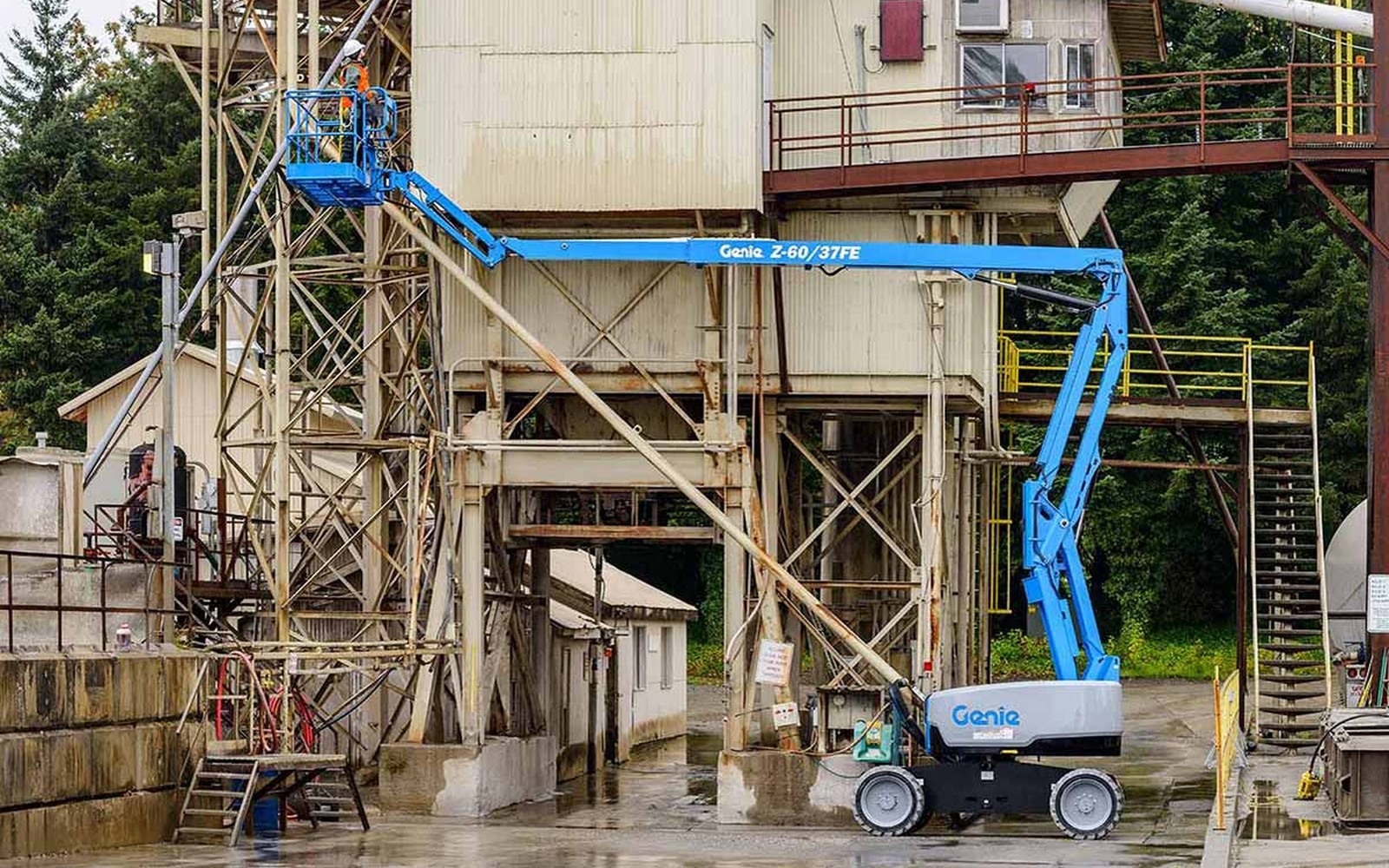
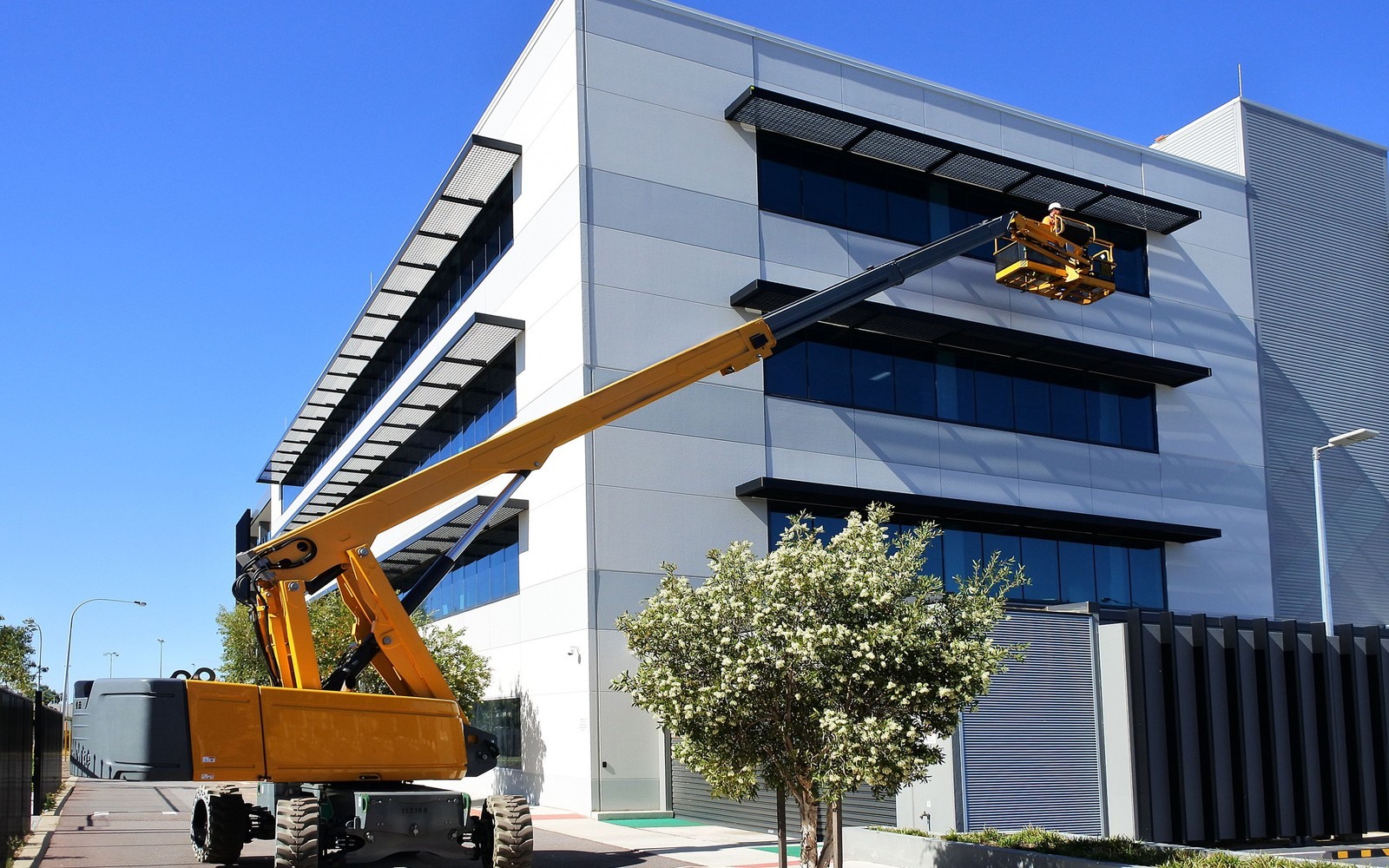
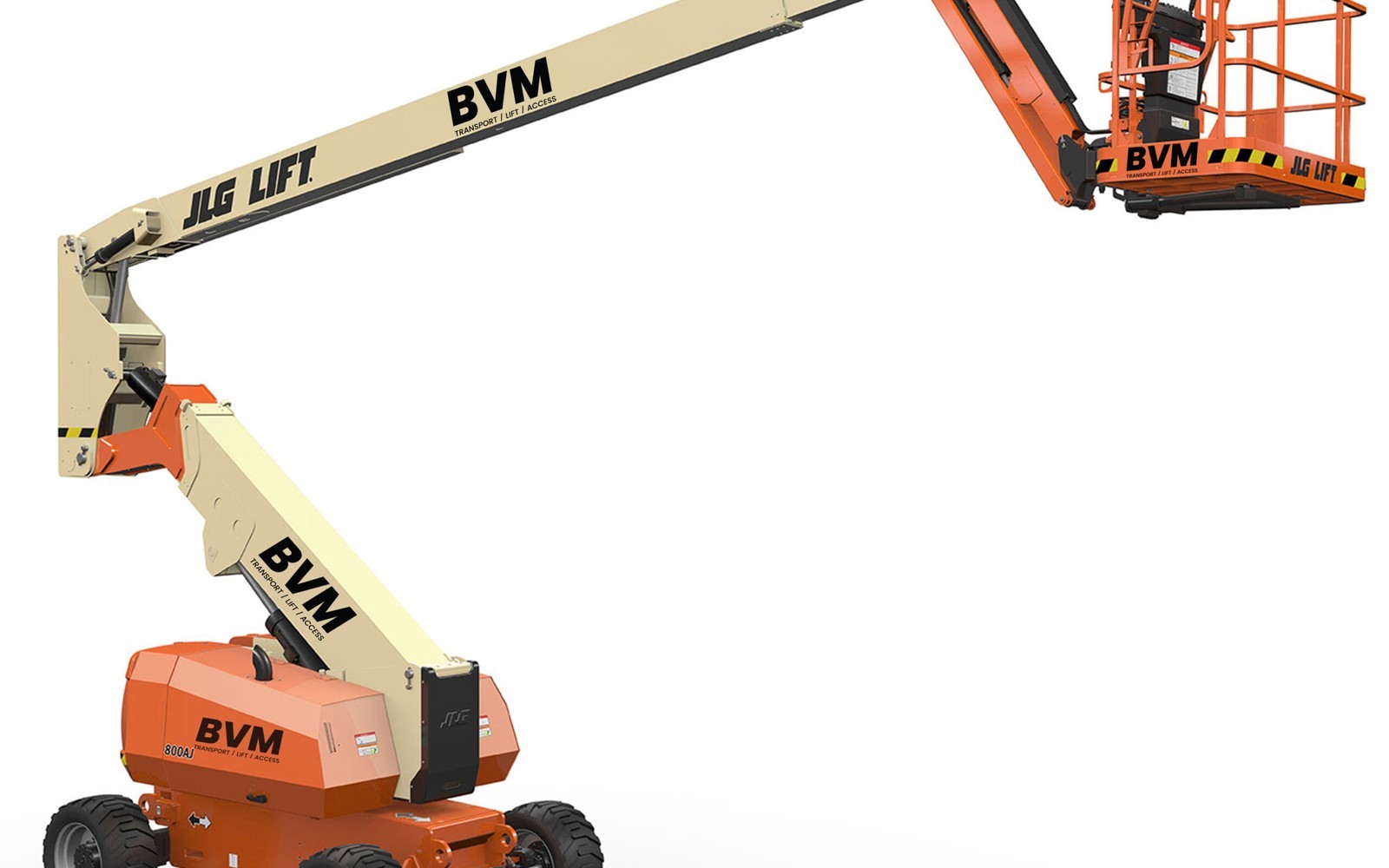
The general contractor who buys their first boom lift is usually the one who has spent two or three years renting and finally got tired of availability uncertainty. A rough-terrain boom lift in the 60 to 80-foot class covers the majority of exterior commercial work: curtain wall installation, roofing access, steel connections, HVAC crane-set assists, and exterior mechanical work. Once it is in the yard, it goes to every job that needs it and the rental line item disappears.

Scissor lifts fill a different role. Interior work on large commercial floors, hotel or hospital renovations, warehouse racking installation, and suspended ceiling work all run on electric scissor lifts at 26 to 32 feet. GCs doing a significant volume of interior commercial tenant improvement often carry four to eight of these and move them between jobs on a rolling basis. At that fleet size, the rental math breaks badly against ownership.

On larger projects, GCs sometimes spec specialty units. An articulating boom lift on a project with mechanical obstacles or setback constraints works where a telescopic cannot. Spider lifts get into atriums and historic buildings where a conventional boom would damage the floor. Those units are typically rented for the specific project, but GCs doing repeated similar work sometimes justify owning them.

Telecom And Tower Crews
How the Financing Works for a GC

Most general contractor deals come in one of two ways. The first is a straightforward equipment purchase: the GC found a unit at a dealer or auction, has a price, and needs to close fast so the machine shows up before the next project mobilizes. That deal is a simple application, three months of bank statements, and a decision in about a day. Funding in one to two weeks. The second is a fleet buy ahead of a major project: the GC is bidding or has won a significant job and wants to add multiple units before mobilization. That deal might be larger and structured as a lease or a term loan depending on what makes more sense for how the company accounts for equipment.

We match the structure to the situation. A GC who wants ownership at the end of the term and is thinking about Section 179 deductions gets a dollar-buyout lease or a straight loan. A GC who wants lower payments and the option to upgrade every few years might prefer an operating lease structure. We lay out the options plainly and the GC picks what fits.

GCs with challenged credit get considered. A company that had a rough project or two, carried some receivables too long, or went through a tough year still has options. We look at the bank statements to understand current cash flow, not just what happened 18 months ago.

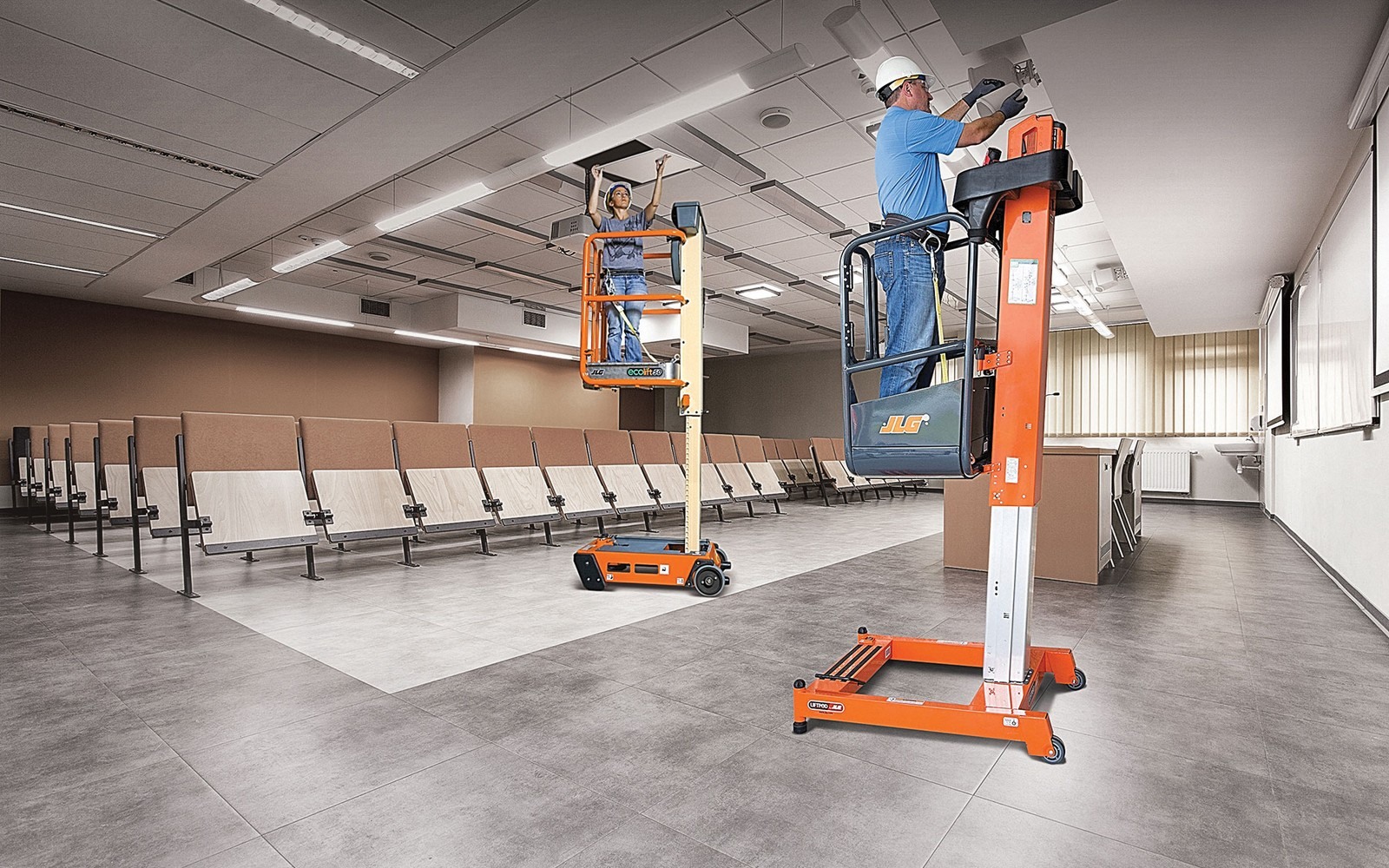
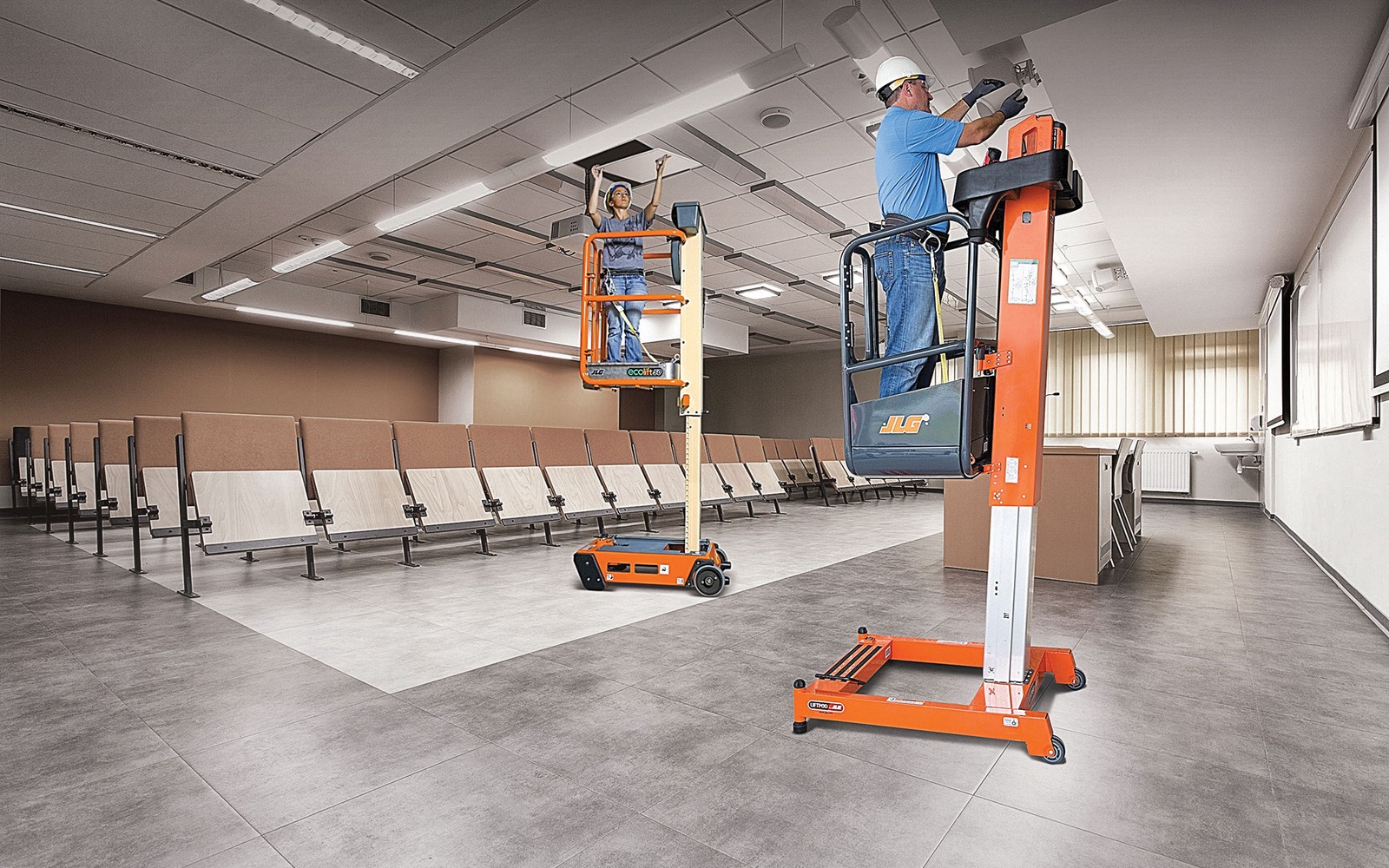
Low Level Access Lift
Common questions
Answers from the desk.

Can I finance a used boom lift I found at auction?

Yes. Auction and private-party purchases are handled the same way as dealer purchases. We need the purchase agreement or auction confirmation as part of the closing package. Pre-qualifying before you bid is also an option so you know your ceiling.

We are a GC with a few rough years on the financials. Can we still get approved?

Prior credit issues are reviewed in context. We focus heavily on what the last three months of bank statements show. If current cash flow supports the payment, a rough prior year is not automatically disqualifying. Larger deals may require more documentation, but smaller deals under $400k are often application-only.

Is a lease or a loan better for a general contractor?

It depends on how you want to treat the equipment on your taxes and balance sheet. A dollar-buyout lease or term loan gives you ownership and full Section 179 or bonus depreciation eligibility. An operating lease gives you lower payments and the option to upgrade at term end but you do not own the asset. We walk through both options before you sign anything.

Can I finance both boom lifts and scissor lifts on the same deal?

Yes. A mixed fleet purchase can typically be structured as one deal or as separate line items under a master facility, whichever is cleaner for the equipment types and vendors involved.

How do I handle financing if the project ends and I no longer need the lift?

Owned equipment can be sold, rented to other contractors, or used on the next project. A term loan or dollar-buyout lease gives you full flexibility to dispose of the asset on your schedule. If you anticipate the need being project-specific, a short-term rental or an operating lease with a defined return window might be a better fit than a purchase.

Common Questions on General Contractors

Straight answers before you send the equipment file.

Can I finance a used boom lift I found at auction?

Yes. Auction and private-party purchases are handled the same way as dealer purchases. We need the purchase agreement or auction confirmation as part of the closing package. Pre-qualifying before you bid is also an option so you know your ceiling.

We are a GC with a few rough years on the financials. Can we still get approved?

Prior credit issues are reviewed in context. We focus heavily on what the last three months of bank statements show. If current cash flow supports the payment, a rough prior year is not automatically disqualifying. Larger deals may require more documentation, but smaller deals under $400k are often application-only.

Is a lease or a loan better for a general contractor?

It depends on how you want to treat the equipment on your taxes and balance sheet. A dollar-buyout lease or term loan gives you ownership and full Section 179 or bonus depreciation eligibility. An operating lease gives you lower payments and the option to upgrade at term end but you do not own the asset. We walk through both options before you sign anything.

Can I finance both boom lifts and scissor lifts on the same deal?

Yes. A mixed fleet purchase can typically be structured as one deal or as separate line items under a master facility, whichever is cleaner for the equipment types and vendors involved.

How do I handle financing if the project ends and I no longer need the lift?

Owned equipment can be sold, rented to other contractors, or used on the next project. A term loan or dollar-buyout lease gives you full flexibility to dispose of the asset on your schedule. If you anticipate the need being project-specific, a short-term rental or an operating lease with a defined return window might be a better fit than a purchase.
Get Terms on General Contractors

Tell us what you are buying, who is selling it, and when you need it earning. We will review the file and point you to the next step.

Get Loan Terms →Call (713) 375-4374