Equipment Rental Companies

Equipment Rental Companies

Industries We Serve / Equipment Rental Companies

Equipment Rental Companies

Rental yards growing their aerial lift fleet need fast, flexible financing. We fund boom lifts, scissor lifts, and mast lifts for rental companies from $50k.

Approval is more than a credit score.

Aircraft And Mro Hangars
  • Priced on the asset — deck height, hours, and resale strength carry the file.
  • Application-only up to $500,000 — financials stay in the drawer.
  • New, used, dealer, auction, or private party — all fundable.
  • Startups and challenged credit get structure, not a form rejection.
Facility Maintenance

A unit sitting on the trailer earns nothing. Rental yards run on utilization, and the math is simple: every day a boom is off-rent is a day the payment still comes due. The operators who grow fastest are the ones who keep the fleet ahead of demand, not chasing it. We fund aerial lift fleets for rental companies at all stages, from the two-yard regional outfit adding a pair of 60-foot booms to the multi-location operator refreshing 20 units at once. The deal structure is the same either way: $50,000 floor, core funded range past $100k, statement-led review below roughly $400k, and funding in about one to two weeks. New iron or used, credit history weighed against lift value, purchase or sale-leaseback on units already on the lot.

Rental is a capital-intensive business and most banks treat it that way, slowly. We underwrite the revenue the fleet generates, not just the balance sheet. Three months of bank statements is usually what it takes to get a decision, and we have funded yards that were still building their credit file alongside yards that have been renting iron for 30 years. The application is one page and the call back is fast.

Hvac Contractors
The Fleet Units Rental Companies Actually Finance

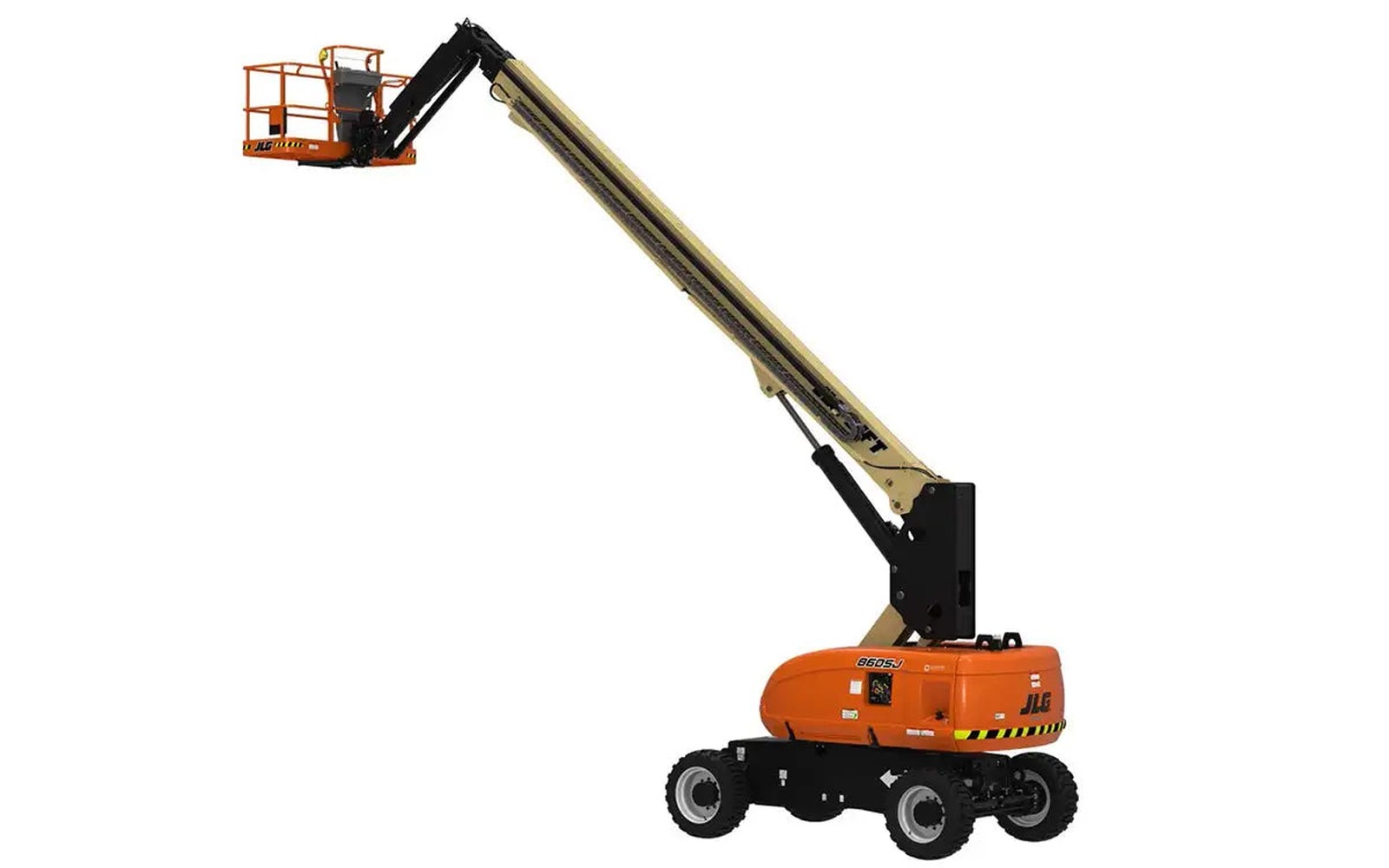
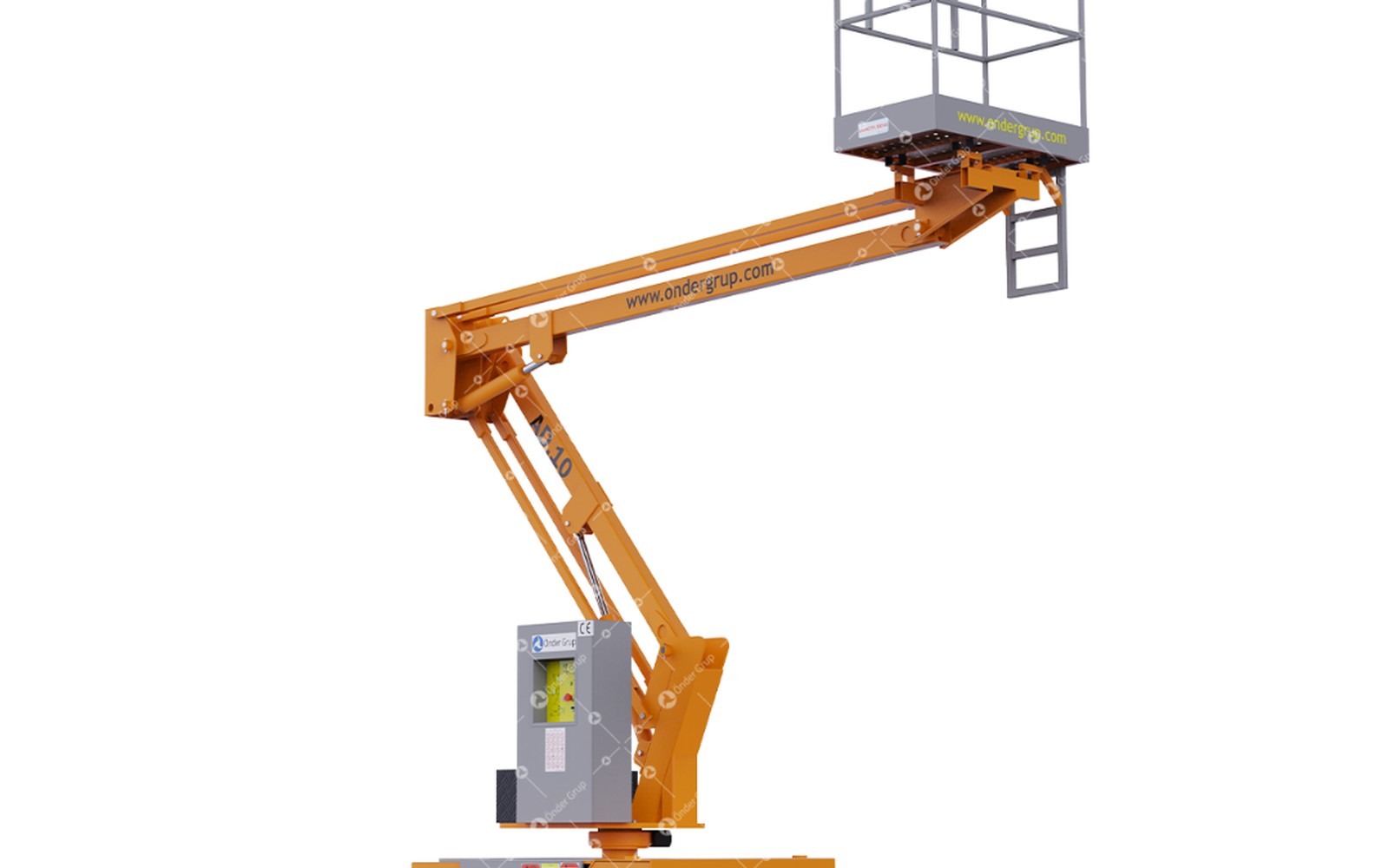
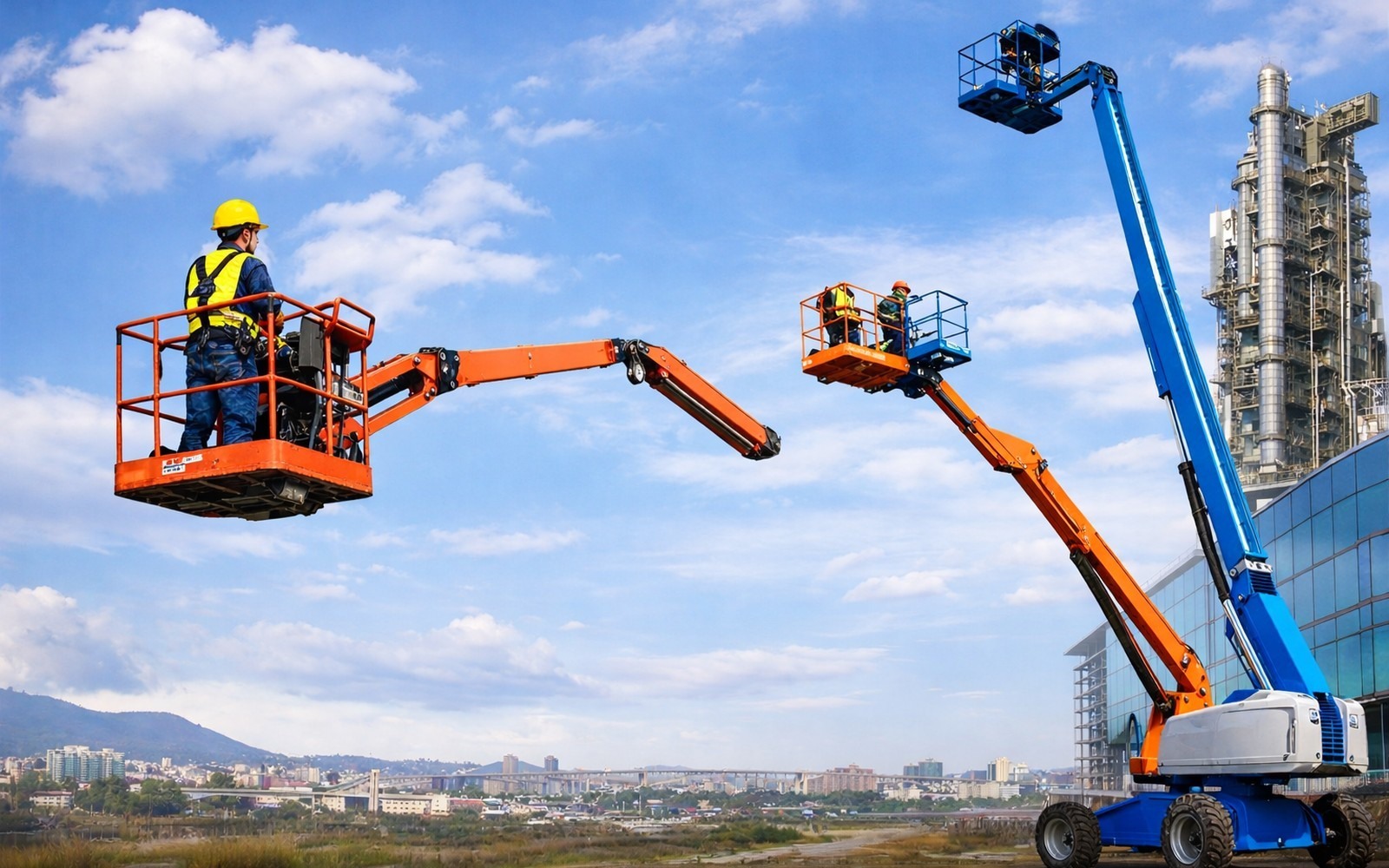
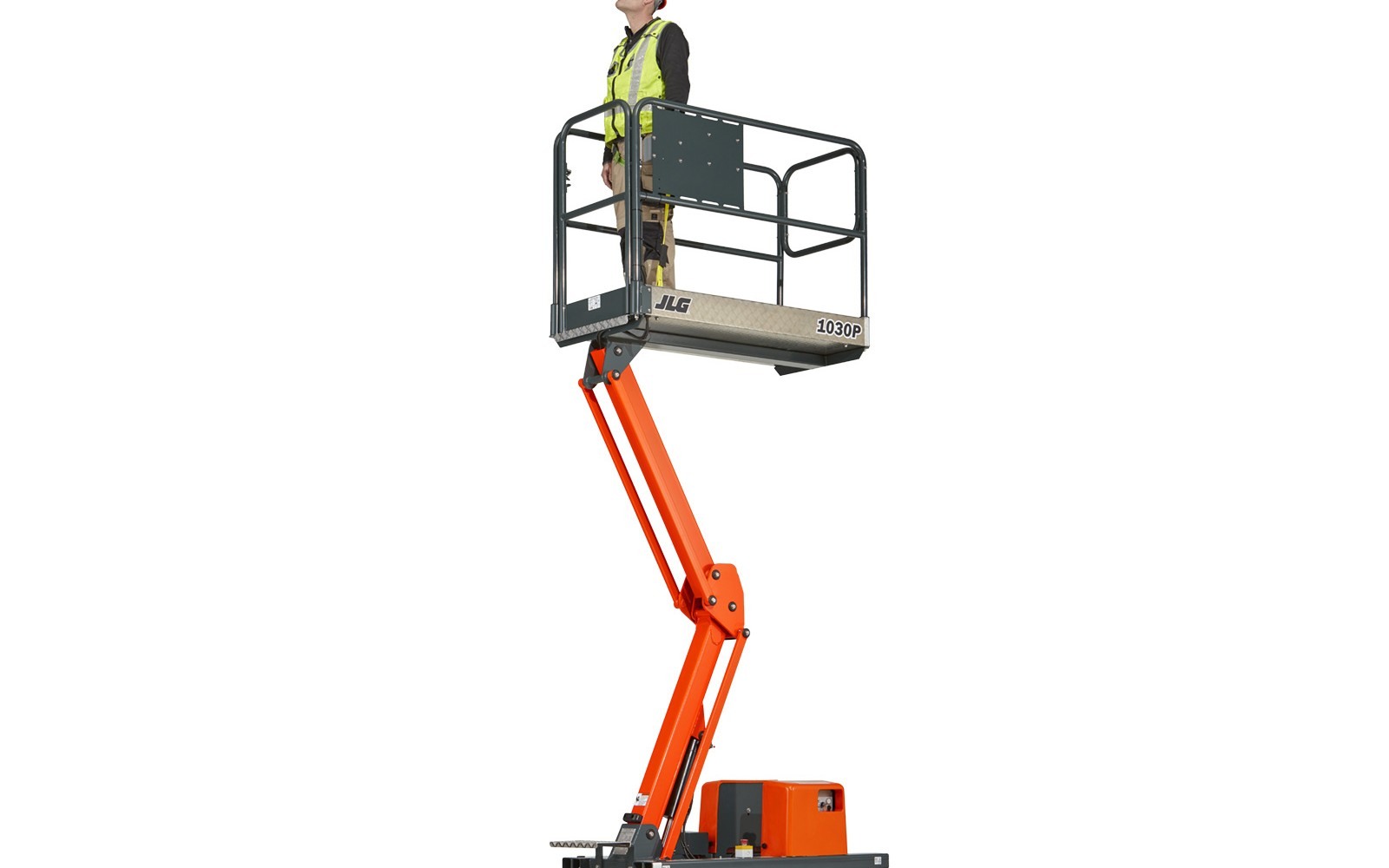
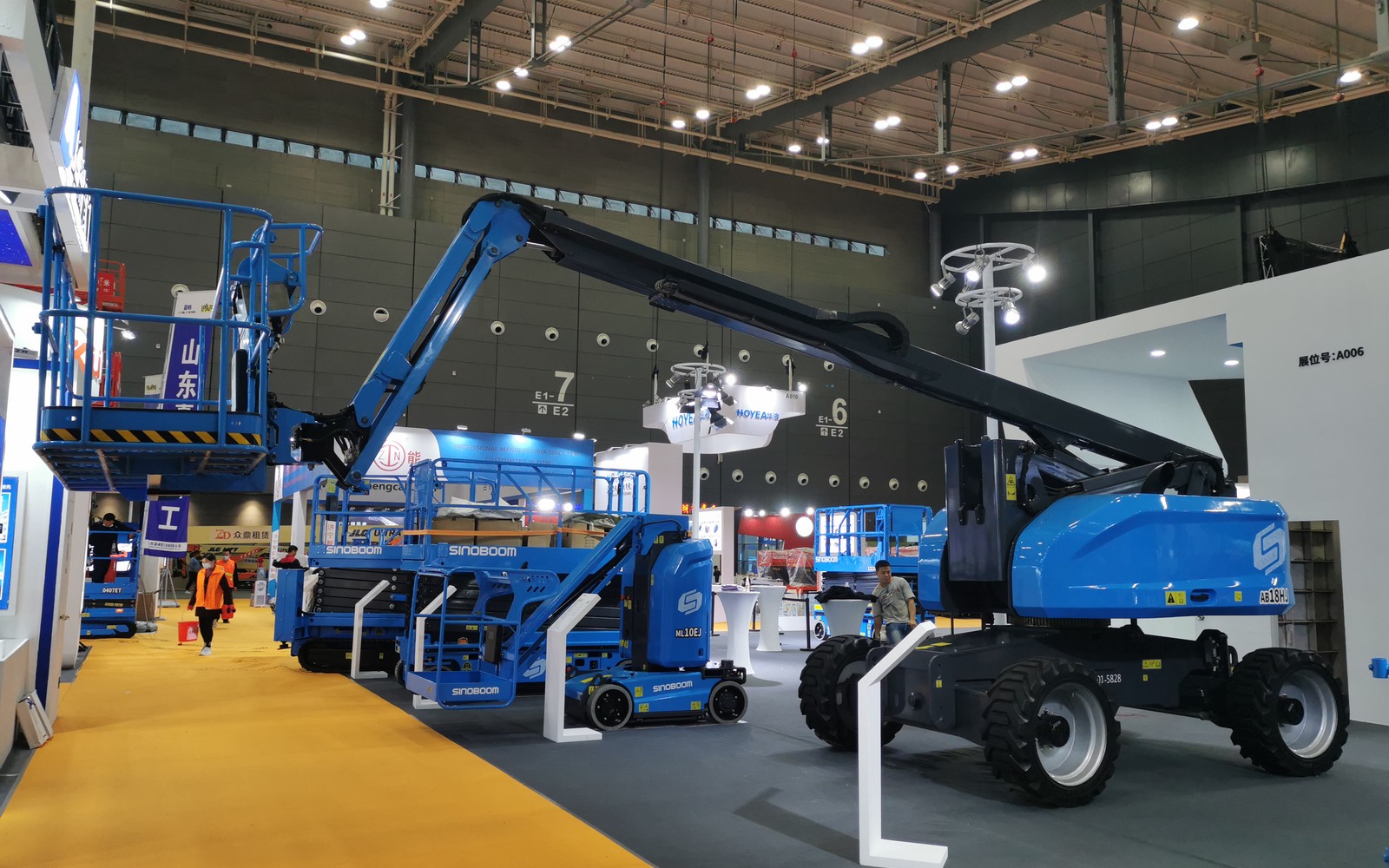
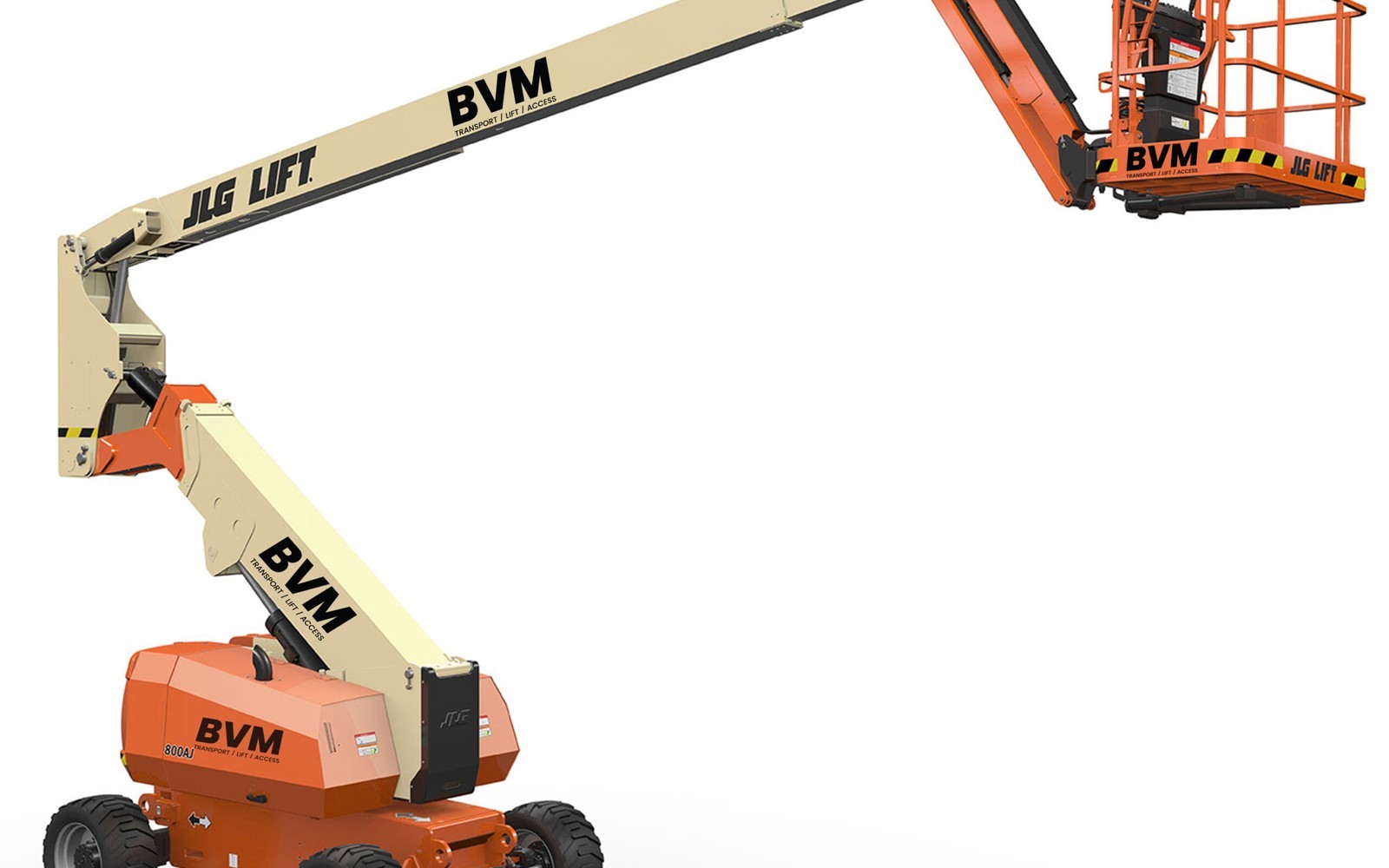
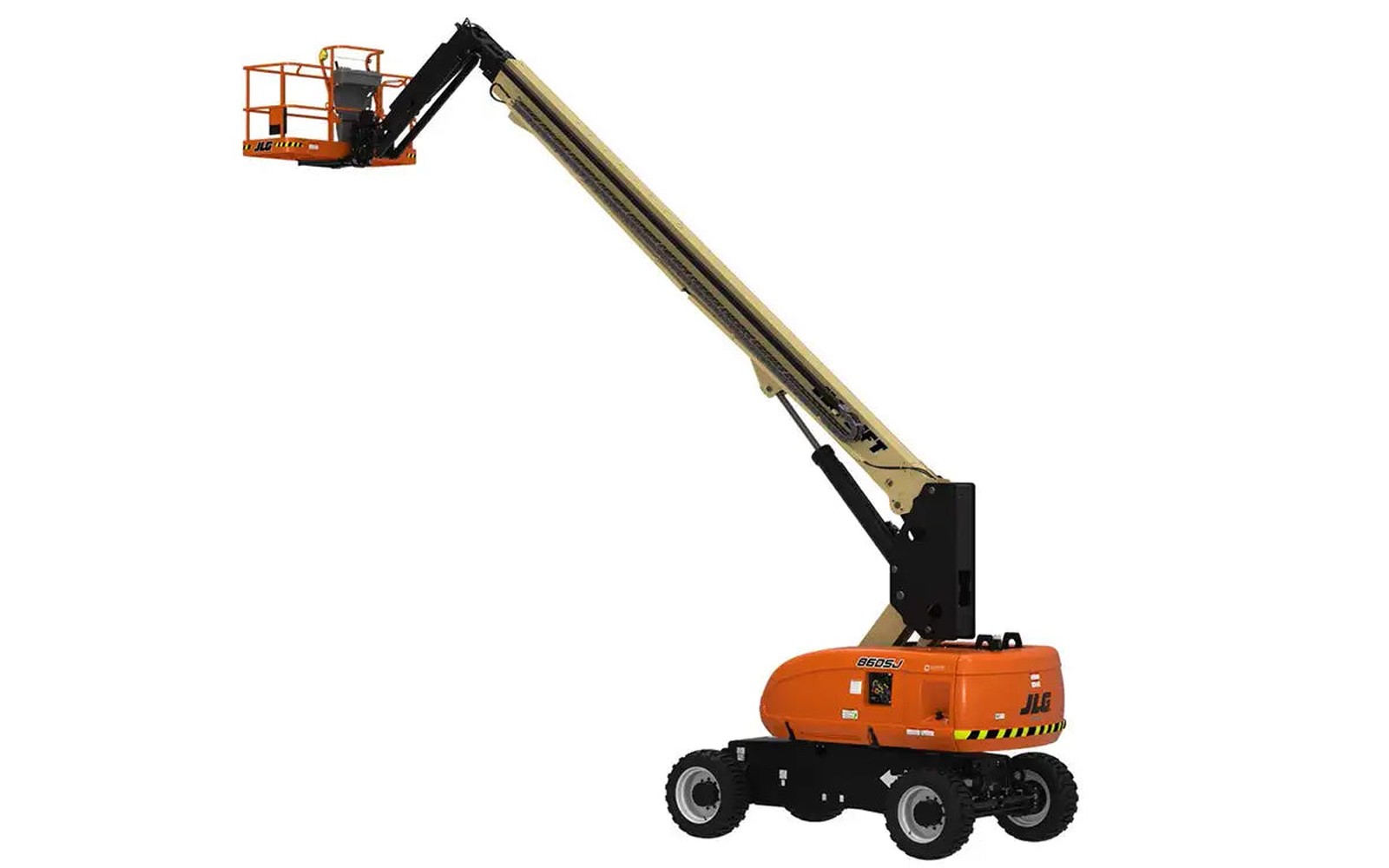
Rental fleets run the full range. Compact electric scissor lifts at 19 and 26 feet turn fast on interior fit-out jobs and move constantly between accounts. Rough-terrain scissors go to construction sites and stay there longer, often three to six months on a single project. Boom lifts at 60 and 80 feet are the units that drive rental rate, especially on commercial exteriors, bridge work, and telecom maintenance where a forklift with a man basket simply is not the right tool.

On the high end, 135-foot telescopic booms are specialized assets that not every yard carries, which is exactly why the yards that do carry them command rate premiums and long-term rental agreements. Spider lifts and crawler boom lifts address the narrow-access niche that standard rubber-tired units cannot reach, and those segments have been growing as urban construction density increases.

Most rental companies finance a mix of new and used units. A new JLG or Genie carries full OEM warranty and appeals to customers who specify equipment age. A well-maintained used unit at 40 to 60 percent of new cost gets the same rent rate in most markets and improves fleet-level margin. We fund both without treating used equipment as a second-class deal.

Roofing Contractors
Sale-Leaseback: Pull Equity Out of the Yard

Rental companies often sit on owned equipment that is paid off or nearly paid off. That iron has equity in it, and a sale-leaseback converts that equity to working capital without changing who operates the units or where they live. You sell the equipment to the lender, they lease it back to you at a fixed monthly payment, and you deploy the cash to buy more fleet, fund repairs, or cover a slow quarter.

We have funded sale-leasebacks on yards with five units and yards with fifty. The collateral is the equipment itself, so the underwrite focuses on the fleet's condition and the company's rental revenue rather than real estate or personal assets. If the units are on rent and generating cash, that story is usually fundable.

Refinancing existing notes also works well for rental operators who financed fleet at a bad time on a short term and want to extend the payment period to free up monthly cash flow. A refinance does not require new equipment, just a clear picture of what is owed versus what the fleet is worth.

Low Level Access Lift
Common questions
Answers from the desk.

Can I finance a mix of new and used units on the same deal?

Yes. We routinely structure fleet purchases that include both new units from a dealer and used units from auction or private sale. The underwrite looks at the aggregate collateral value and your business revenue, not whether each unit rolled off a dealer lot.

I already own my fleet outright. Can I pull cash out without selling the yard?

A sale-leaseback is exactly that. You sell the titled equipment to the lender at fair market value, they write you a check, and you make monthly payments to use the same equipment you were already using. The units stay on your lot and in your customers' hands.

How does financing work for a rental company that has been open less than two years?

Startup and early-stage rental companies can get funded, but the deal usually requires stronger personal credit, a larger down payment, or both. Three months of whatever bank statements exist helps establish cash flow. If the owner has prior industry experience and reasonable credit, there is often a path.

Can I finance aerial lift attachments and accessories alongside the units?

Yes. Jib booms, pipe cradles, generator attachments, and similar accessories can usually roll into the same financing as the host unit rather than being purchased out of pocket.

What happens at the end of a lease if I want to keep the units?

That depends on the lease structure. A dollar-buyout lease transfers ownership for one dollar at maturity. A TRAC lease gives you a stated residual you pay to own. We match the structure to your preference before the deal funds, so there are no surprises at the end of the term.

Common Questions on Equipment Rental Companies

Straight answers before you send the equipment file.

Can I finance a mix of new and used units on the same deal?

Yes. We routinely structure fleet purchases that include both new units from a dealer and used units from auction or private sale. The underwrite looks at the aggregate collateral value and your business revenue, not whether each unit rolled off a dealer lot.

I already own my fleet outright. Can I pull cash out without selling the yard?

A sale-leaseback is exactly that. You sell the titled equipment to the lender at fair market value, they write you a check, and you make monthly payments to use the same equipment you were already using. The units stay on your lot and in your customers' hands.

How does financing work for a rental company that has been open less than two years?

Startup and early-stage rental companies can get funded, but the deal usually requires stronger personal credit, a larger down payment, or both. Three months of whatever bank statements exist helps establish cash flow. If the owner has prior industry experience and reasonable credit, there is often a path.

Can I finance aerial lift attachments and accessories alongside the units?

Yes. Jib booms, pipe cradles, generator attachments, and similar accessories can usually roll into the same financing as the host unit rather than being purchased out of pocket.

What happens at the end of a lease if I want to keep the units?

That depends on the lease structure. A dollar-buyout lease transfers ownership for one dollar at maturity. A TRAC lease gives you a stated residual you pay to own. We match the structure to your preference before the deal funds, so there are no surprises at the end of the term.
Get Terms on Equipment Rental Companies

Tell us what you are buying, who is selling it, and when you need it earning. We will review the file and point you to the next step.

Get Loan Terms →Call (713) 375-4374