$1 Buyout Lease Financing for Aerial Lifts

$1 Buyout Lease Financing for Aerial Lifts

Financing Options / $1 Buyout Lease Financing for Aerial Lifts

$1 Buyout Lease Financing for Aerial Lifts

Finance a boom lift or scissor lift with a $1 buyout lease. Payments like a loan, ownership guaranteed at term end, full Section 179 eligibility. $50k min.

Approval is more than a credit score.

Trac Lease Aerial Lift
  • Priced on the asset — deck height, hours, and resale strength carry the file.
  • Application-only up to $500,000 — financials stay in the drawer.
  • New, used, dealer, auction, or private party — all fundable.
  • Startups and challenged credit get structure, not a form rejection.
Aerial Lift Equipment Lease

The rate card, the utilization, and the working height are what a machine is worth to you. The structure on the note is secondary, but it matters at tax time and at the end of the term. A $1 buyout lease puts the machine in your possession from day one with a guaranteed purchase option of one dollar at the end, which means you are effectively buying it on a loan while calling it a lease. The distinction is not just semantic; it affects how the transaction appears on your books and whether you can take accelerated depreciation in the purchase year.

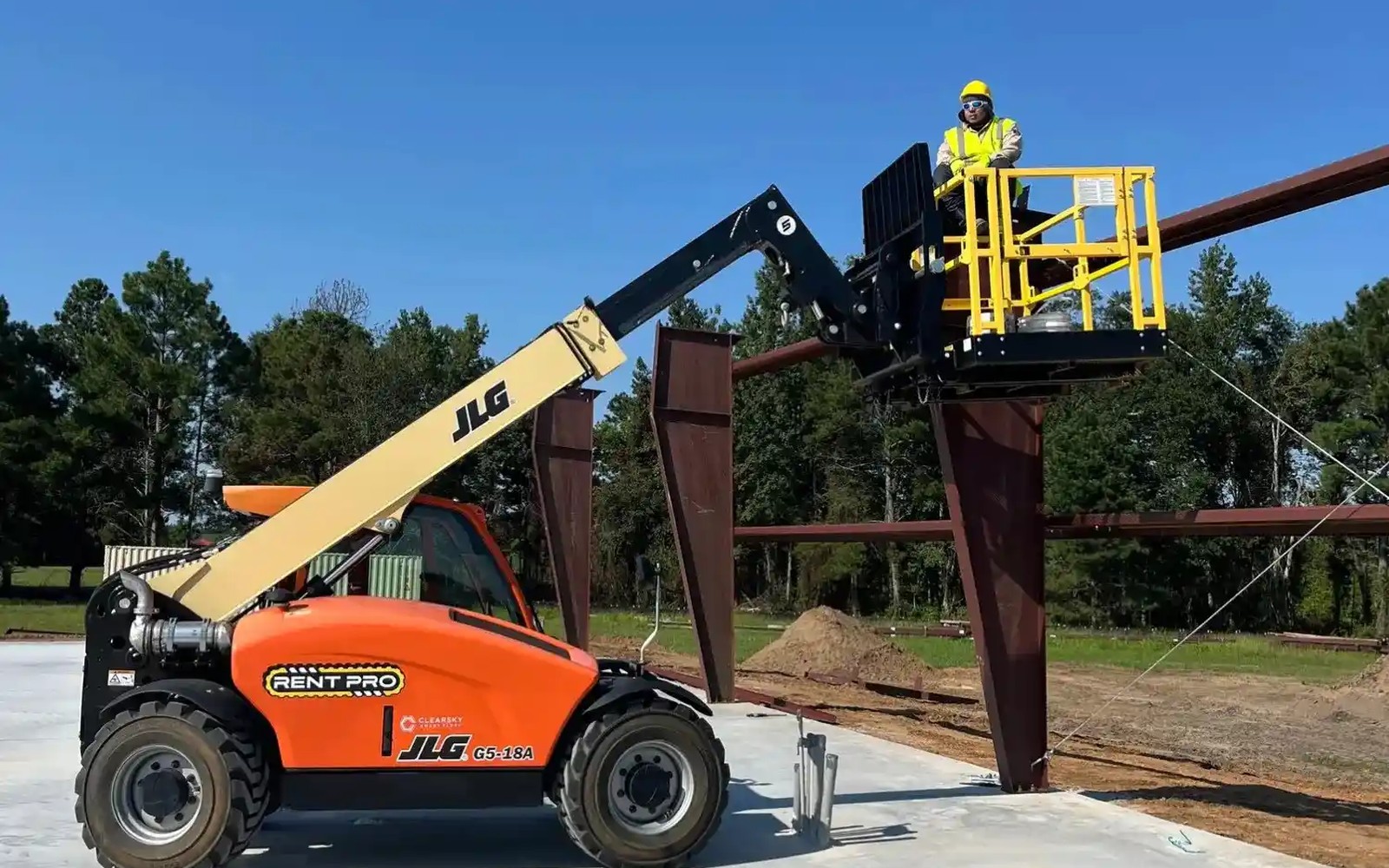
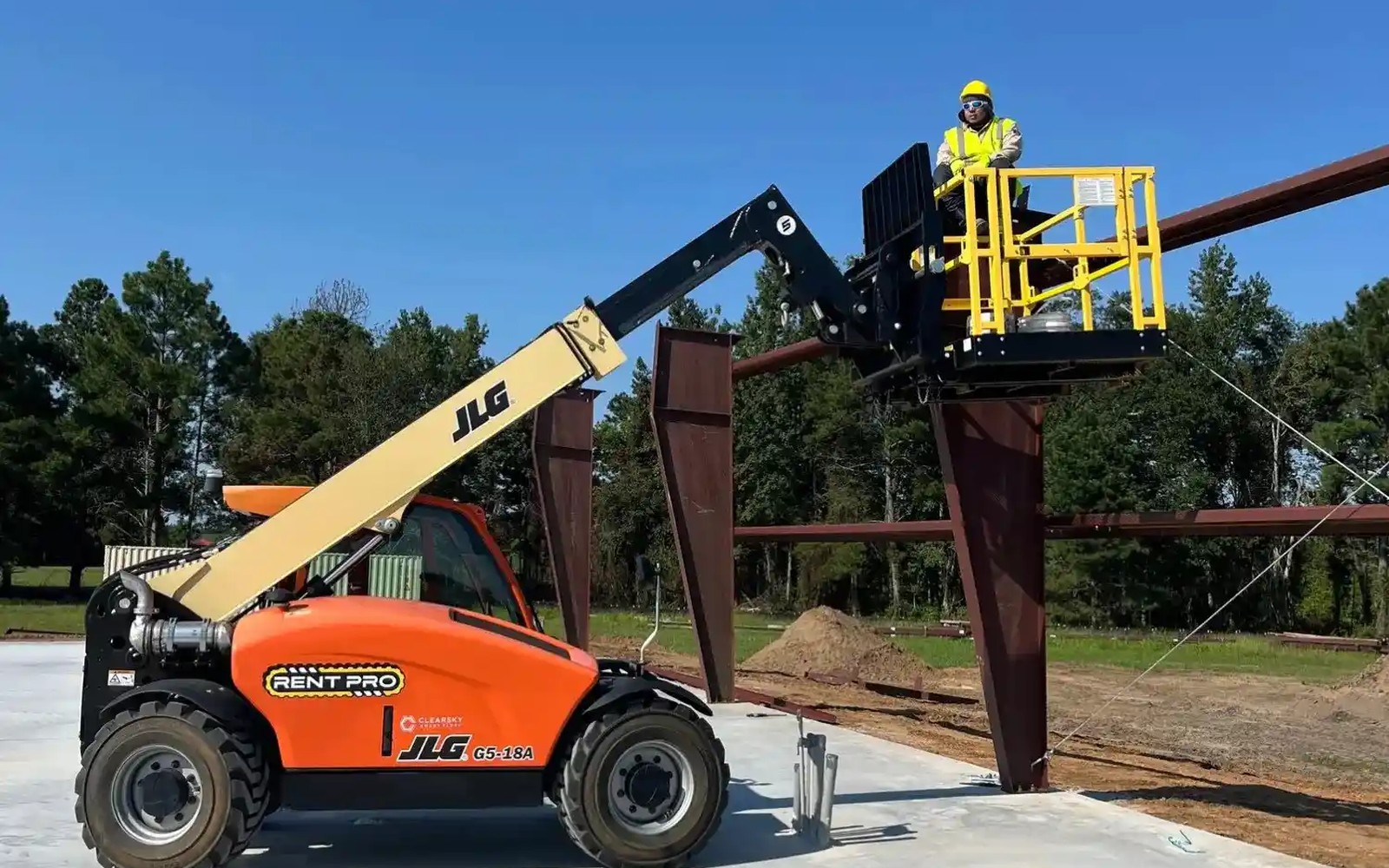
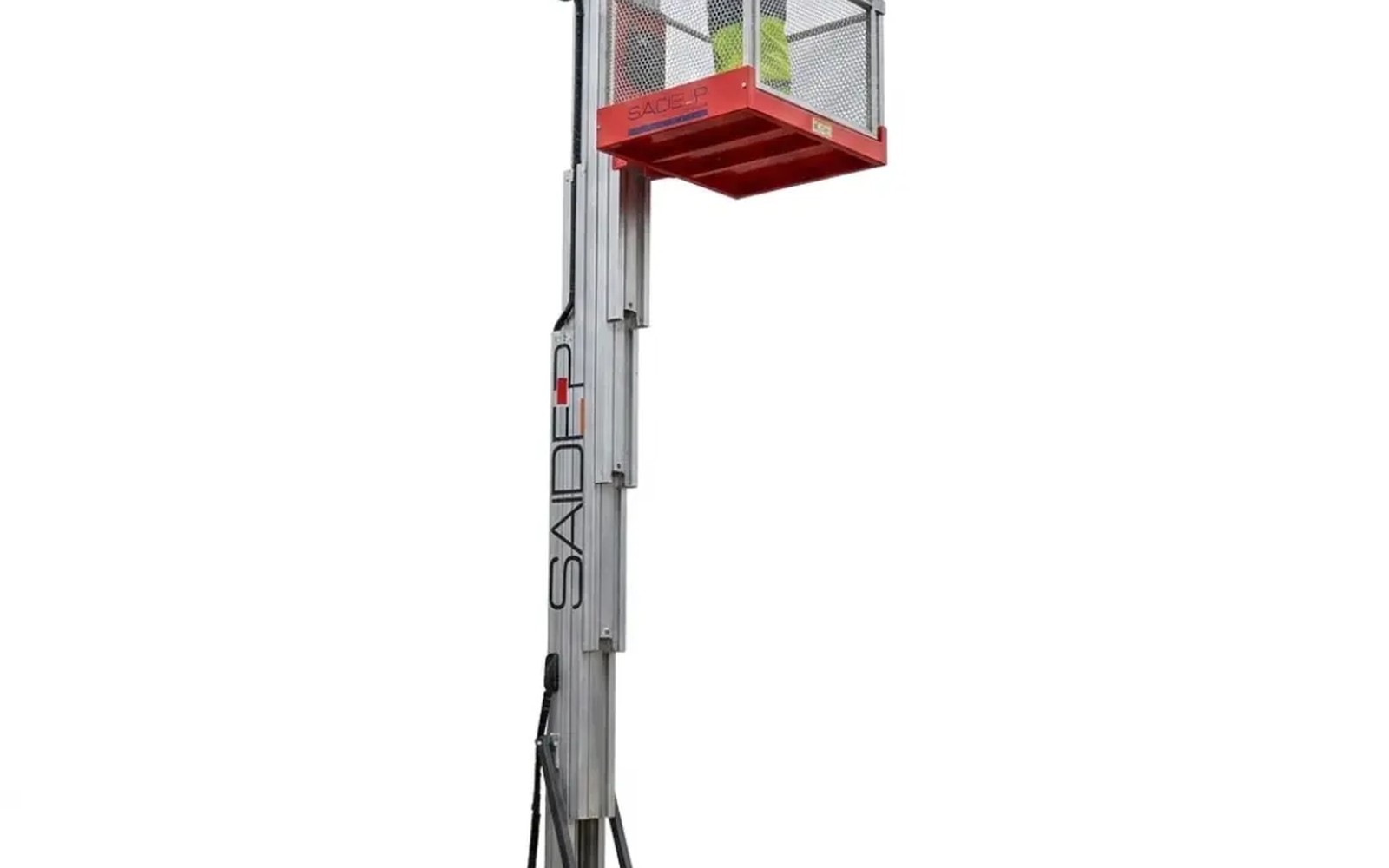
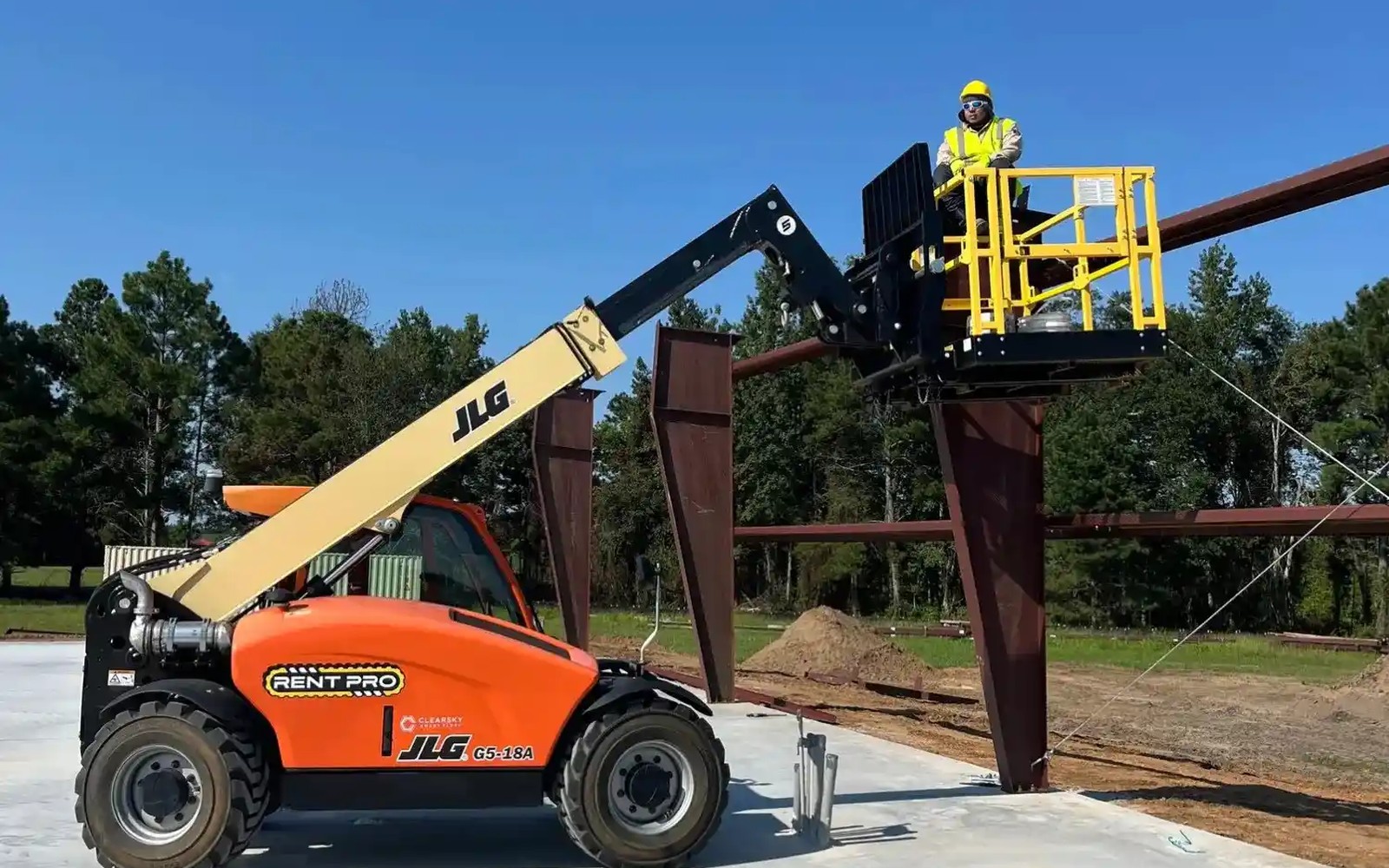
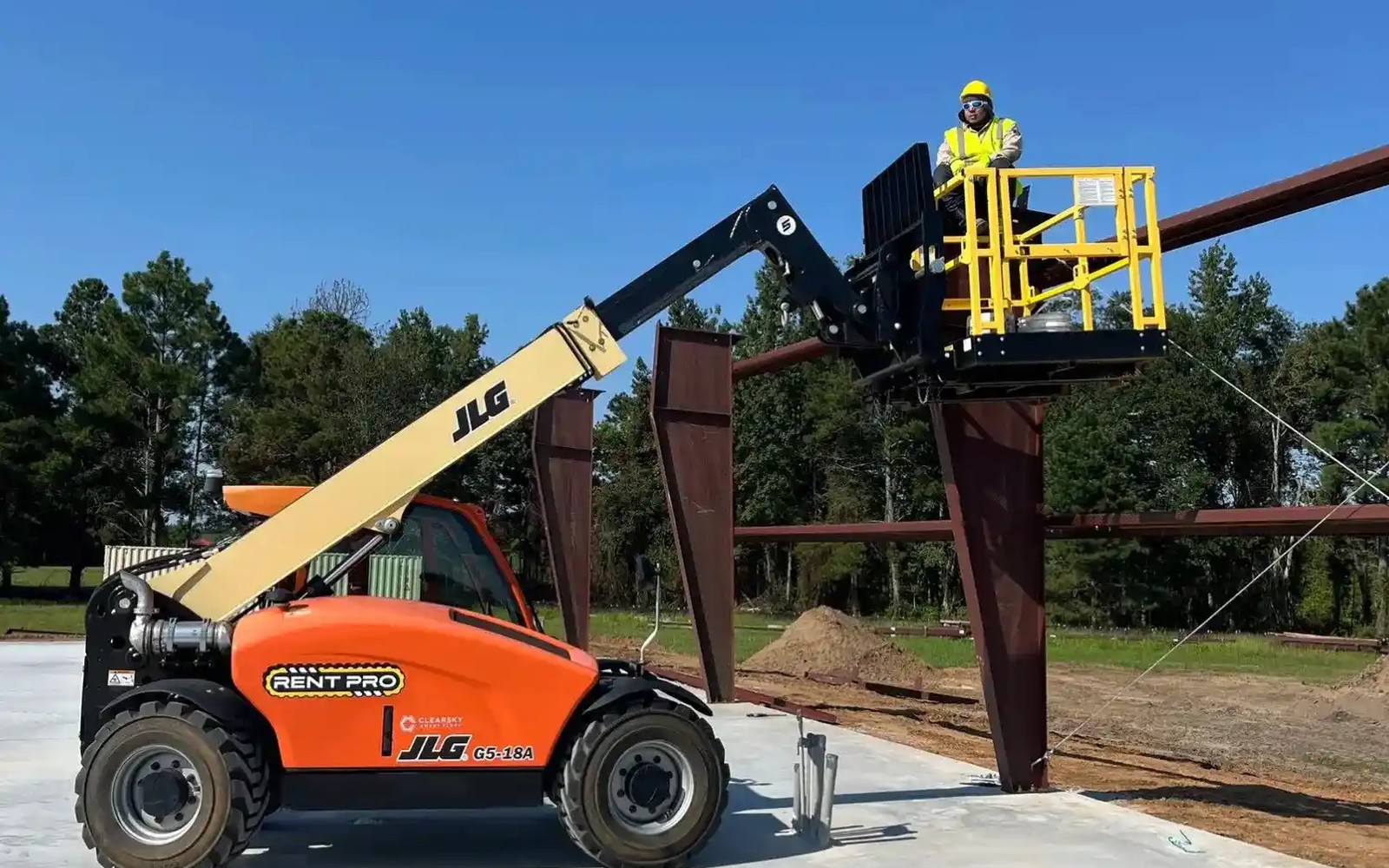
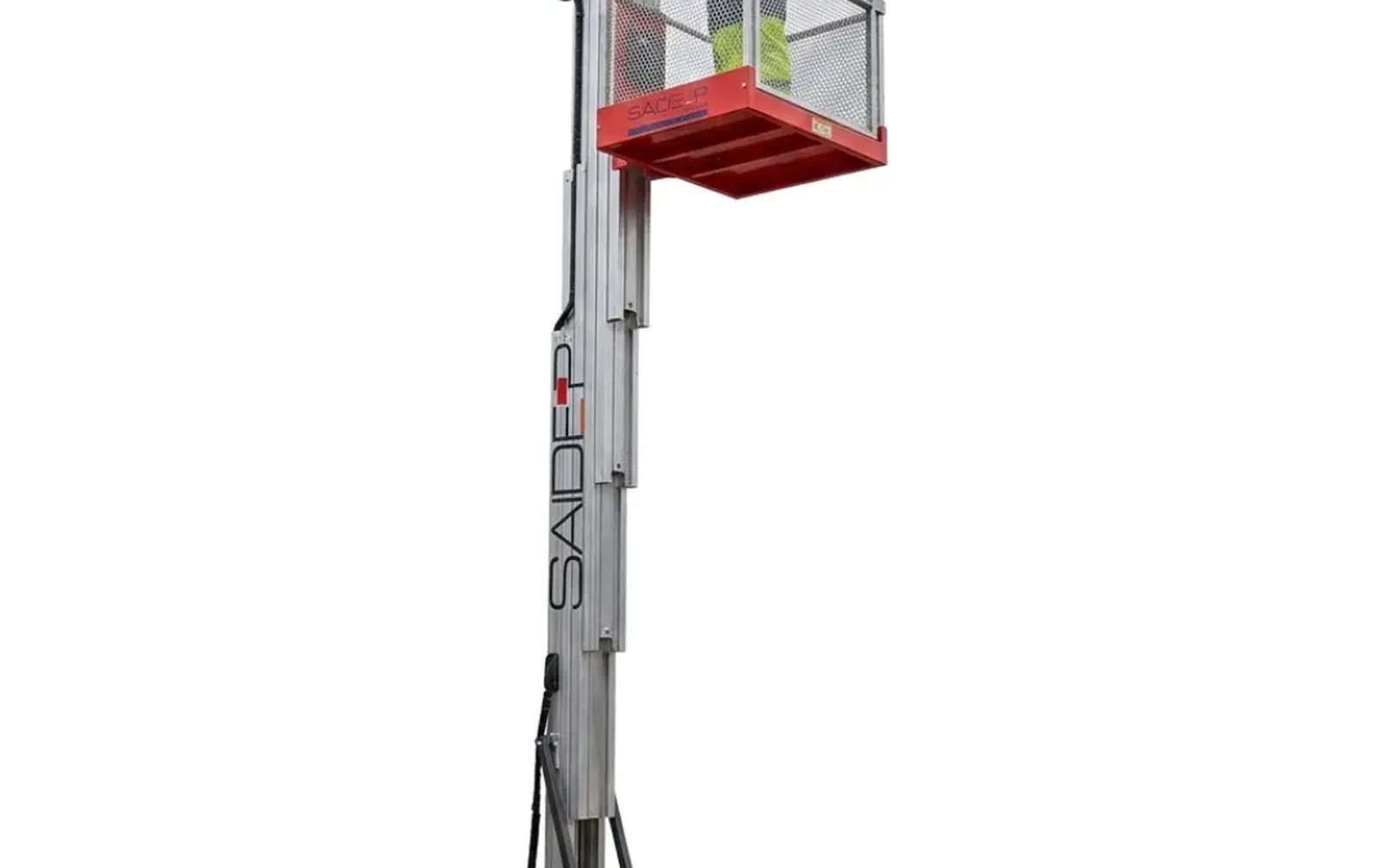
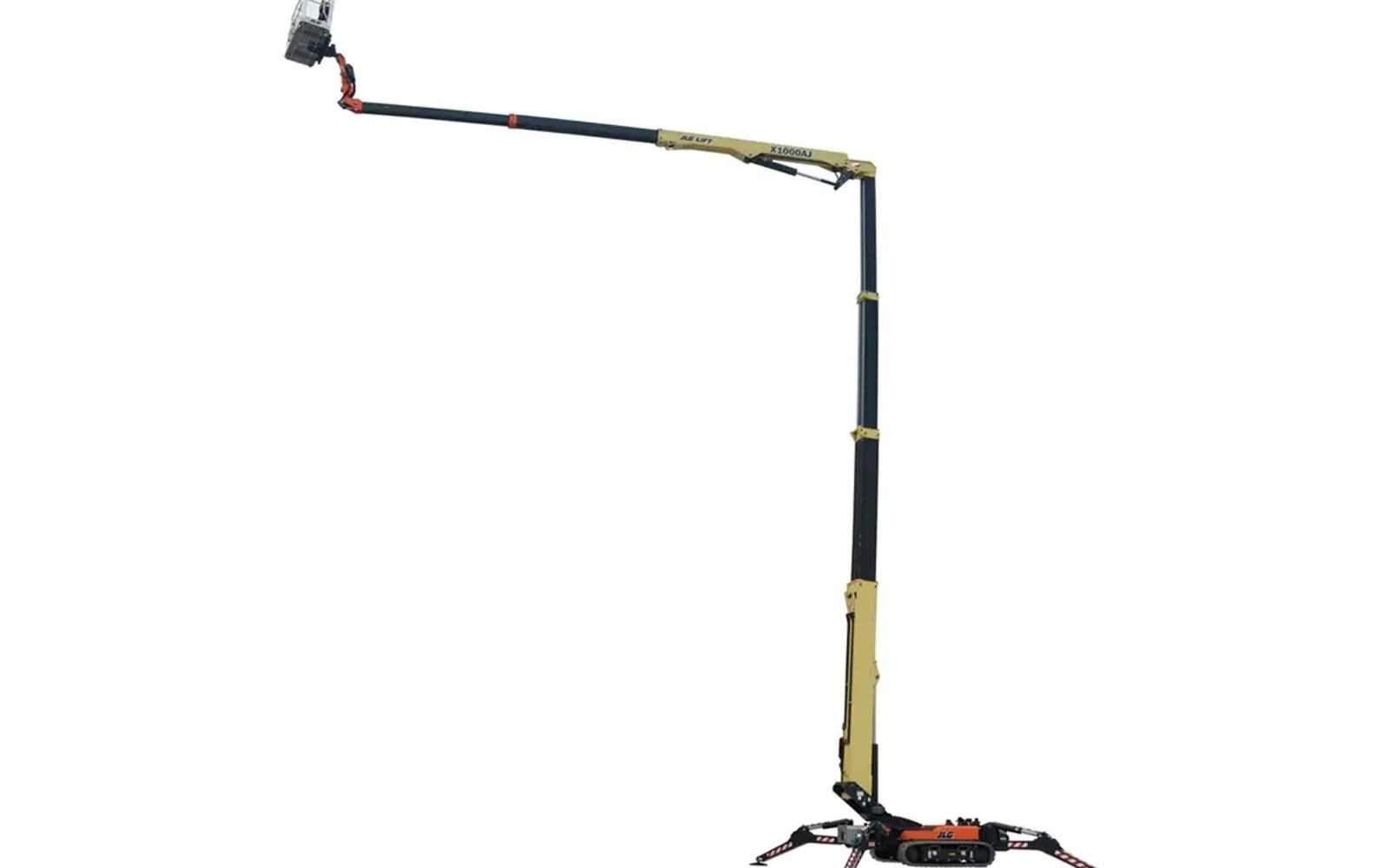
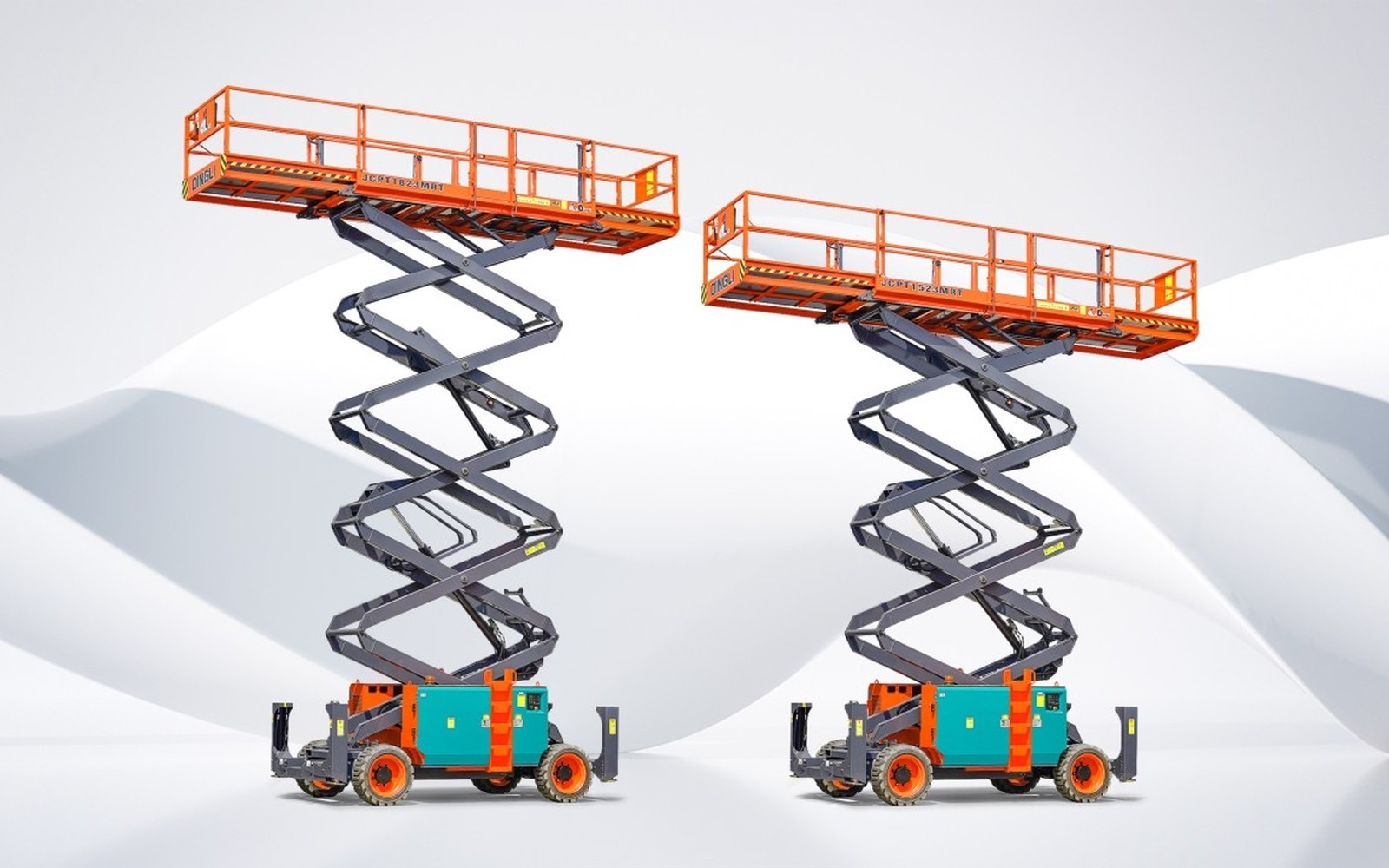
We structure $1 buyout leases on boom lifts, scissor lifts, spider lifts, and other aerial access equipment from $50,000. Prior credit issues are reviewed in context. Most deals close in one to two weeks.

Aerial Lift Sale Leaseback
What Makes a $1 Buyout Lease Different

What Makes a $1 Buyout Lease Different

Three lease structures dominate aerial equipment finance: the $1 buyout, the fair market value lease, and the TRAC lease. Each handles the end-of-term purchase option differently.

In a $1 buyout lease, the residual is defined as one dollar. The lender is not retaining any meaningful portion of the asset's value at the end; they recover full principal and interest through the monthly payments, just like a loan. The only difference from a loan is the legal structure (the lender holds title during the term rather than placing a lien on equipment you own) and how the transaction gets classified on your balance sheet and for tax purposes.

Because the lender recovers all their capital through payments, monthly payment amounts on a $1 buyout lease are similar to a conventional equipment loan at the same rate. They will be higher than an FMV lease, which spreads some of the equipment cost into the residual. If you want lower monthly payments and do not mind the end-of-term buy/return decision, an FMV lease is the alternative. If you want certainty that the machine is yours at term end, the $1 buyout structure provides that.

Cash Out Equipment Refinance
Tax Treatment and Section 179 on a $1 Buyout Lease

Tax Treatment and Section 179 on a $1 Buyout Lease

The IRS applies a substance-over-form test to lease agreements. A $1 buyout lease, because the purchase option is economically certain (no rational person would walk away from a machine rather than pay one dollar for it), is typically treated as a conditional sales contract for tax purposes. That means you, as the lessee, are treated as the owner of the equipment from the beginning of the term and can take Section 179 or bonus depreciation in the year of purchase.

This is an important distinction from a true operating lease (FMV or TRAC), where the lessor holds the depreciation benefit. A $1 buyout gives you the depreciation even before you write the final dollar check at the end. For a business in a high-income year looking to run a year-end boom lift or scissor lift purchase through Section 179, the $1 buyout structure delivers the ownership economics without waiting for payoff.

As always, the specific tax treatment of your transaction should be confirmed with your accountant. The general principle is well-established, but structuring details and state tax law variations can affect the outcome.

Low Level Access Lift
Common questions
Answers from the desk.

Is a $1 buyout lease cheaper monthly than a regular equipment loan?

Not meaningfully. Because all principal and interest is recovered through payments (the $1 residual covers nothing of substance), monthly payments are very close to a conventional loan at the same rate and term. The difference is structural (title handling, balance-sheet treatment, tax classification) not in the monthly cash outlay. If lower monthly payments are the goal, an FMV lease achieves that through the residual.

Can I take Section 179 on a lift financed with a $1 buyout lease?

Generally yes. The IRS typically treats a $1 buyout lease as a conditional sale because ownership transfer is economically certain. That means you are treated as the owner for tax purposes from day one and can take Section 179 or bonus depreciation in the year of purchase. Your accountant should confirm the specific treatment for your situation and jurisdiction.

What happens if I want to sell the lift while the $1 buyout lease is still active?

During the lease term, the lender holds title, so you cannot sell the equipment to a third party without first buying it out of the lease. You would need to obtain a payoff quote, remit the buyout amount, receive title, and then sell the machine. Depending on the market value versus the buyout, this can still make economic sense. Once you own it outright, the sale is straightforward.

Does the lender inspect the equipment at the end of a $1 buyout lease?

No standard end-of-term inspection process applies, because the lender is not receiving the equipment back. You are buying it for a dollar, you keep it, and the lender has no further interest in its condition after the final payment. This is different from an FMV lease return, where the lender's remarketing value of the returned equipment is relevant and end-of-term condition can affect what you owe.

Can I refinance a $1 buyout lease into a different structure mid-term?

Refinancing a $1 buyout lease before term end is a buyout of the lease followed by a new loan or lease. The process is similar to refinancing a conventional loan: get a payoff quote, close a new deal with a different lender, and the new lender remits the payoff. This is called a mid-term buyout and is possible but involves transaction costs. It makes the most sense when interest rates have dropped significantly or your credit profile has improved enough to make the new rate materially better.

Common Questions on $1 Buyout Lease Financing for Aerial Lifts

Straight answers before you send the equipment file.

Is a $1 buyout lease cheaper monthly than a regular equipment loan?

Not meaningfully. Because all principal and interest is recovered through payments (the $1 residual covers nothing of substance), monthly payments are very close to a conventional loan at the same rate and term. The difference is structural (title handling, balance-sheet treatment, tax classification) not in the monthly cash outlay. If lower monthly payments are the goal, an FMV lease achieves that through the residual.

Can I take Section 179 on a lift financed with a $1 buyout lease?

Generally yes. The IRS typically treats a $1 buyout lease as a conditional sale because ownership transfer is economically certain. That means you are treated as the owner for tax purposes from day one and can take Section 179 or bonus depreciation in the year of purchase. Your accountant should confirm the specific treatment for your situation and jurisdiction.

What happens if I want to sell the lift while the $1 buyout lease is still active?

During the lease term, the lender holds title, so you cannot sell the equipment to a third party without first buying it out of the lease. You would need to obtain a payoff quote, remit the buyout amount, receive title, and then sell the machine. Depending on the market value versus the buyout, this can still make economic sense. Once you own it outright, the sale is straightforward.

Does the lender inspect the equipment at the end of a $1 buyout lease?

No standard end-of-term inspection process applies, because the lender is not receiving the equipment back. You are buying it for a dollar, you keep it, and the lender has no further interest in its condition after the final payment. This is different from an FMV lease return, where the lender's remarketing value of the returned equipment is relevant and end-of-term condition can affect what you owe.

Can I refinance a $1 buyout lease into a different structure mid-term?

Refinancing a $1 buyout lease before term end is a buyout of the lease followed by a new loan or lease. The process is similar to refinancing a conventional loan: get a payoff quote, close a new deal with a different lender, and the new lender remits the payoff. This is called a mid-term buyout and is possible but involves transaction costs. It makes the most sense when interest rates have dropped significantly or your credit profile has improved enough to make the new rate materially better.
Get Terms on $1 Buyout Lease Financing for Aerial Lifts

Tell us what you are buying, who is selling it, and when you need it earning. We will review the file and point you to the next step.

Get Loan Terms →Call (713) 375-4374