Aerial Lift Sale-Leaseback

Aerial Lift Sale-Leaseback

Financing Options / Aerial Lift Sale-Leaseback

Aerial Lift Sale-Leaseback

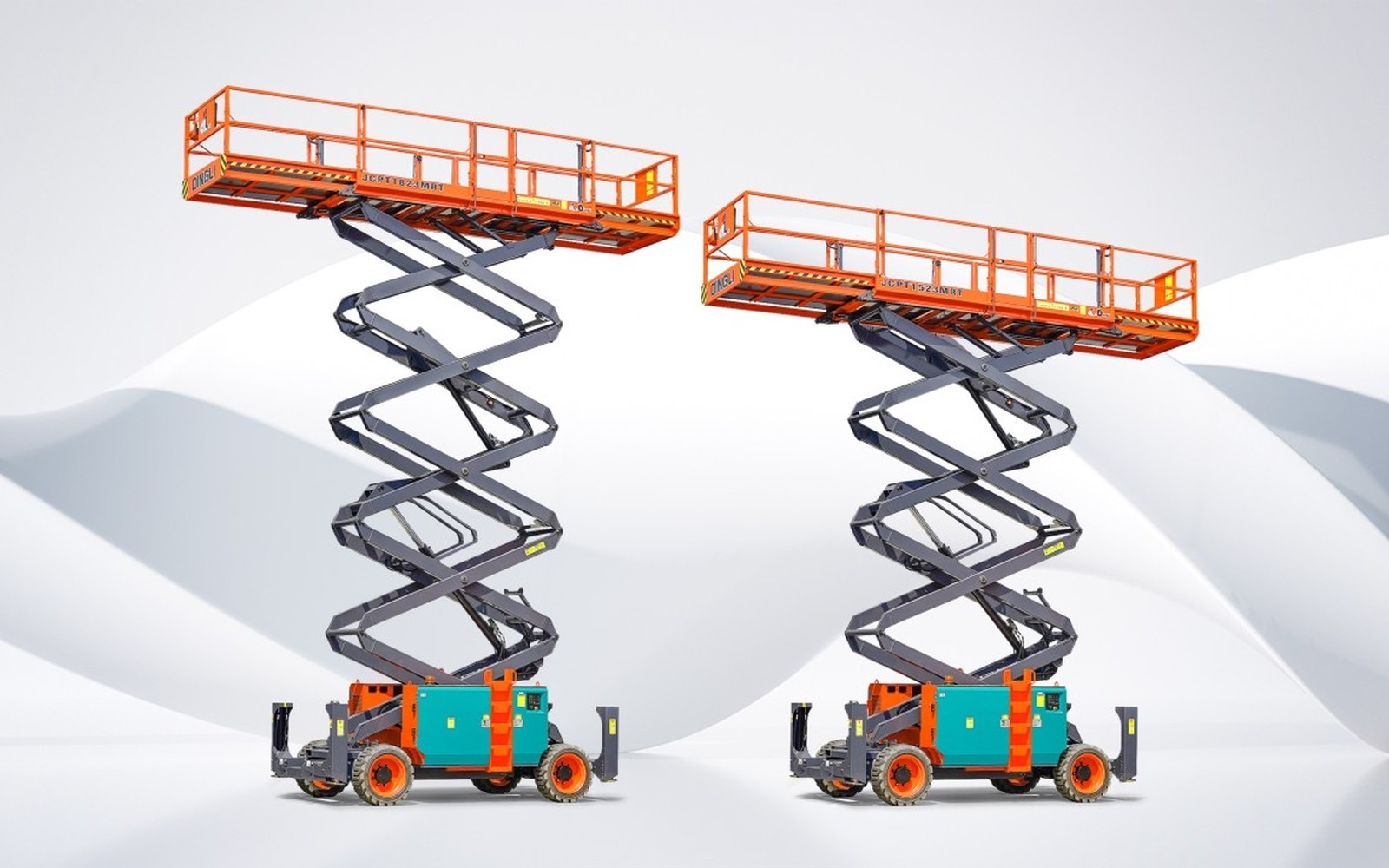
Convert owned boom lifts or scissor lifts into working capital with a sale-leaseback. Keep the machines running, pull the equity out. $50k minimum.

Approval is more than a credit score.

Dollar Buyout Lease
  • Priced on the asset — deck height, hours, and resale strength carry the file.
  • Application-only up to $500,000 — financials stay in the drawer.
  • New, used, dealer, auction, or private party — all fundable.
  • Startups and challenged credit get structure, not a form rejection.
Seasonal Deferred Payment Financing

The lift is paid off, or close to it. It goes in the air every week, earns money, and keeps the crew busy. That machine also has equity sitting in it, and equity that does not move is just iron on the yard. A sale-leaseback converts that equity into cash without interrupting the machine's work schedule. You sell the unit to a lender, lease it back on a term, and the cash lands in your account. The machine never leaves the job.

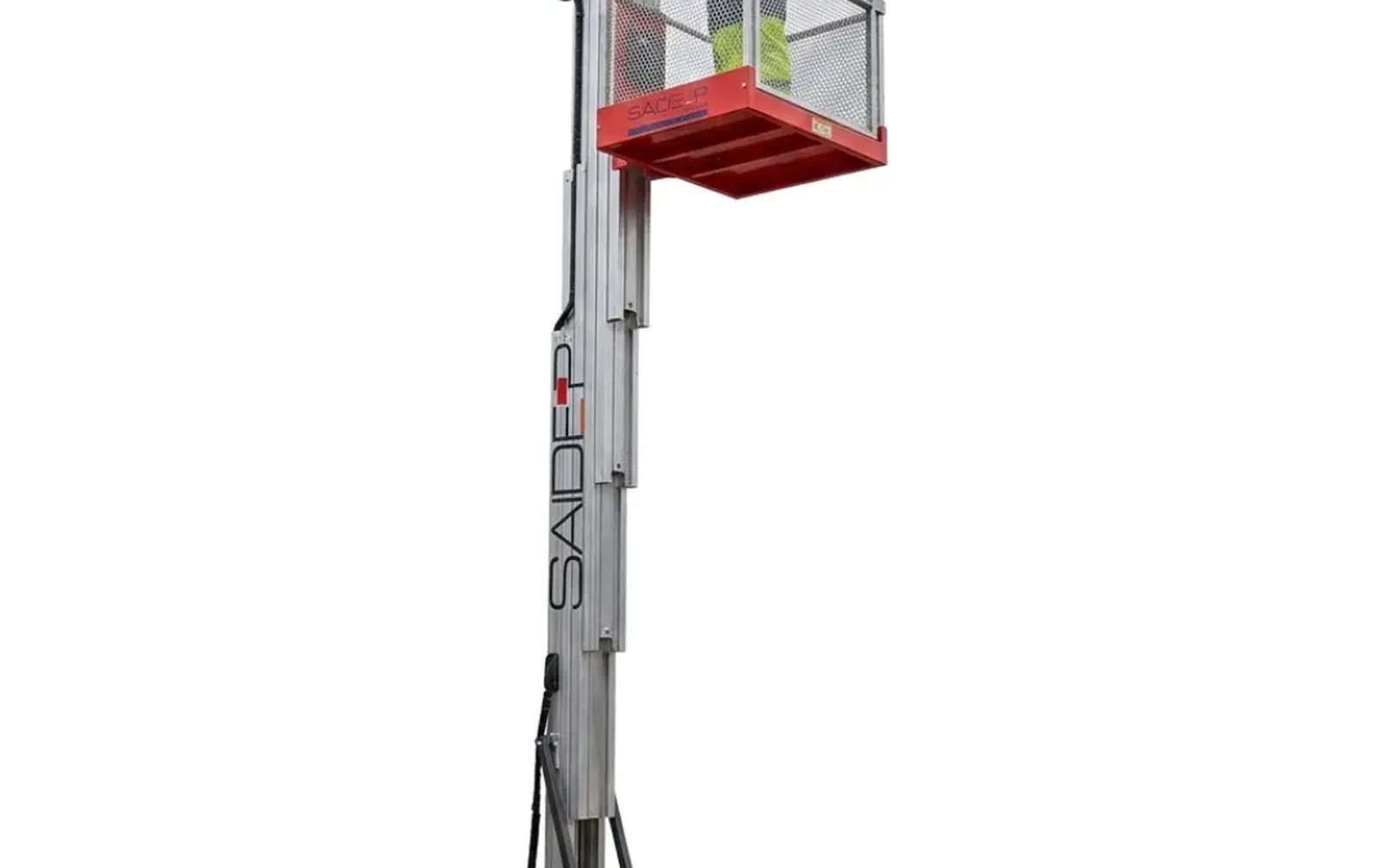
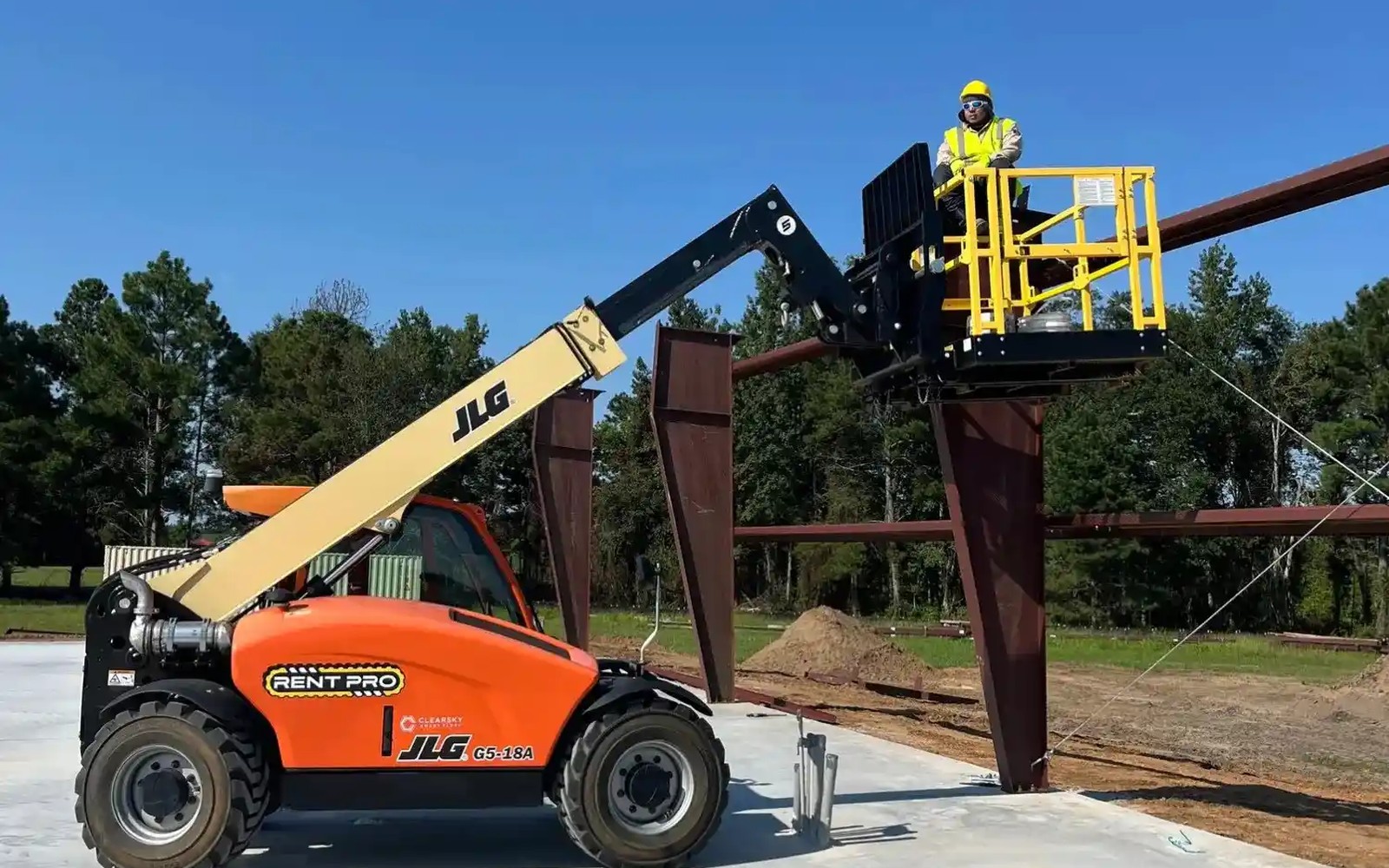
We structure sale-leasebacks on aerial lifts from $50,000, including boom lifts, scissor lifts, mast lifts, and aerial lift fleets. Prior credit issues are reviewed in context. Most transactions close in one to two weeks. The equipment stays with you; we handle the paper and get the capital moving.

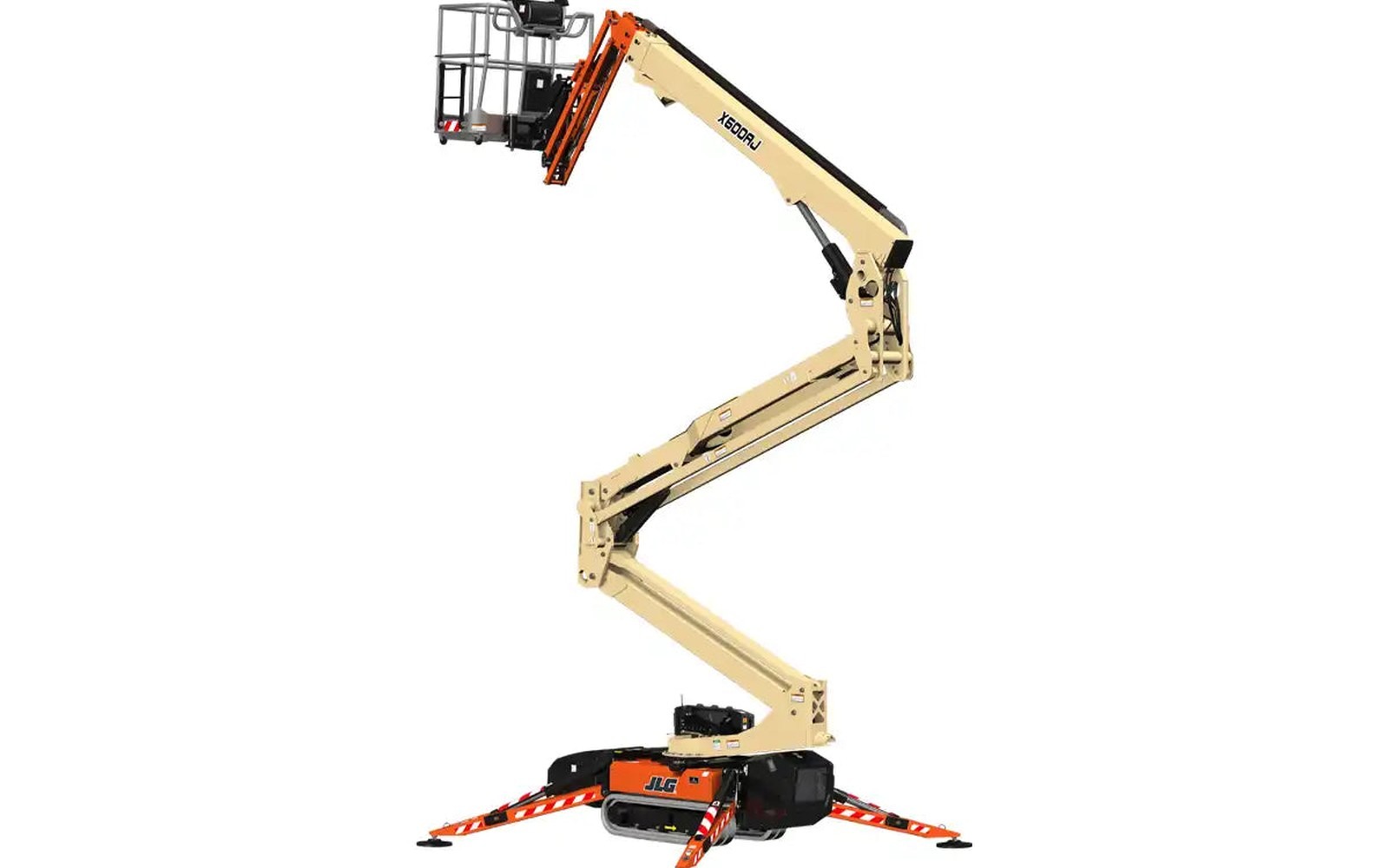
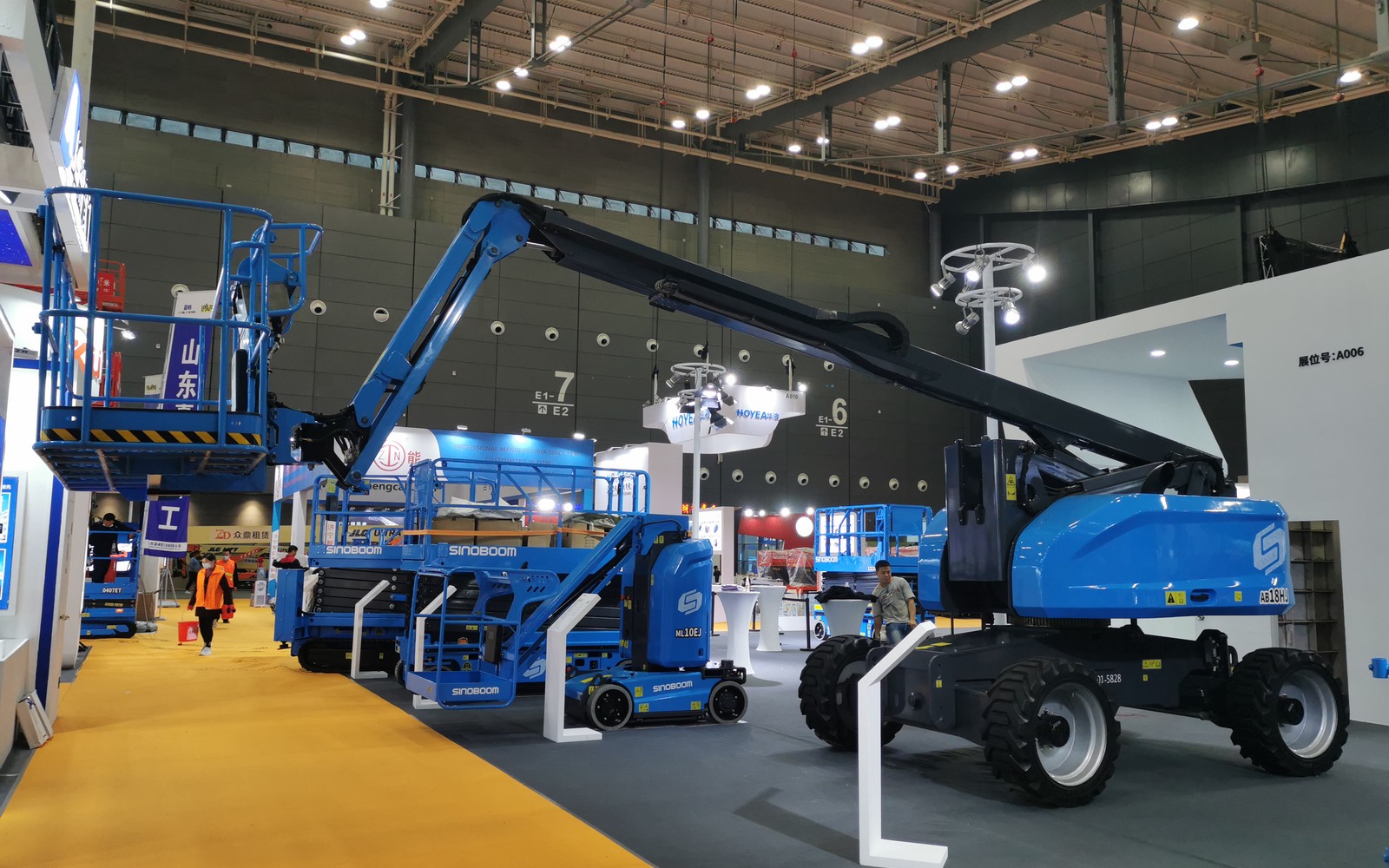
Trac Lease Aerial Lift
How a Sale-Leaseback Works Step by Step

How a Sale-Leaseback Works Step by Step

The structure is simpler than it sounds. We appraise the equipment to determine current market value. We then make you a purchase offer, typically a percentage of that appraised value. You sell us the unit (title transfers to the lender), and simultaneously we write a lease that lets you keep using the machine. You pay monthly lease payments over the agreed term. At the end of the term, you either buy the unit back at the agreed residual, extend the lease, or return the equipment.

The cash from the sale is yours immediately. Most operators use it for one of three things: buying additional equipment, covering a capital need in another part of the business, or simply improving cash reserves going into a slow season or a large project buildout.

One important detail: you must own the equipment, or at minimum have significant equity in it. If there is still a lien on the machine from the original purchase, the payoff comes out of the leaseback proceeds first. If the remaining debt is small relative to the value, there will still be meaningful cash left over. If the equipment is still largely financed with thin equity, a leaseback may not generate much usable capital, and a cash-out refinance might be the better path.

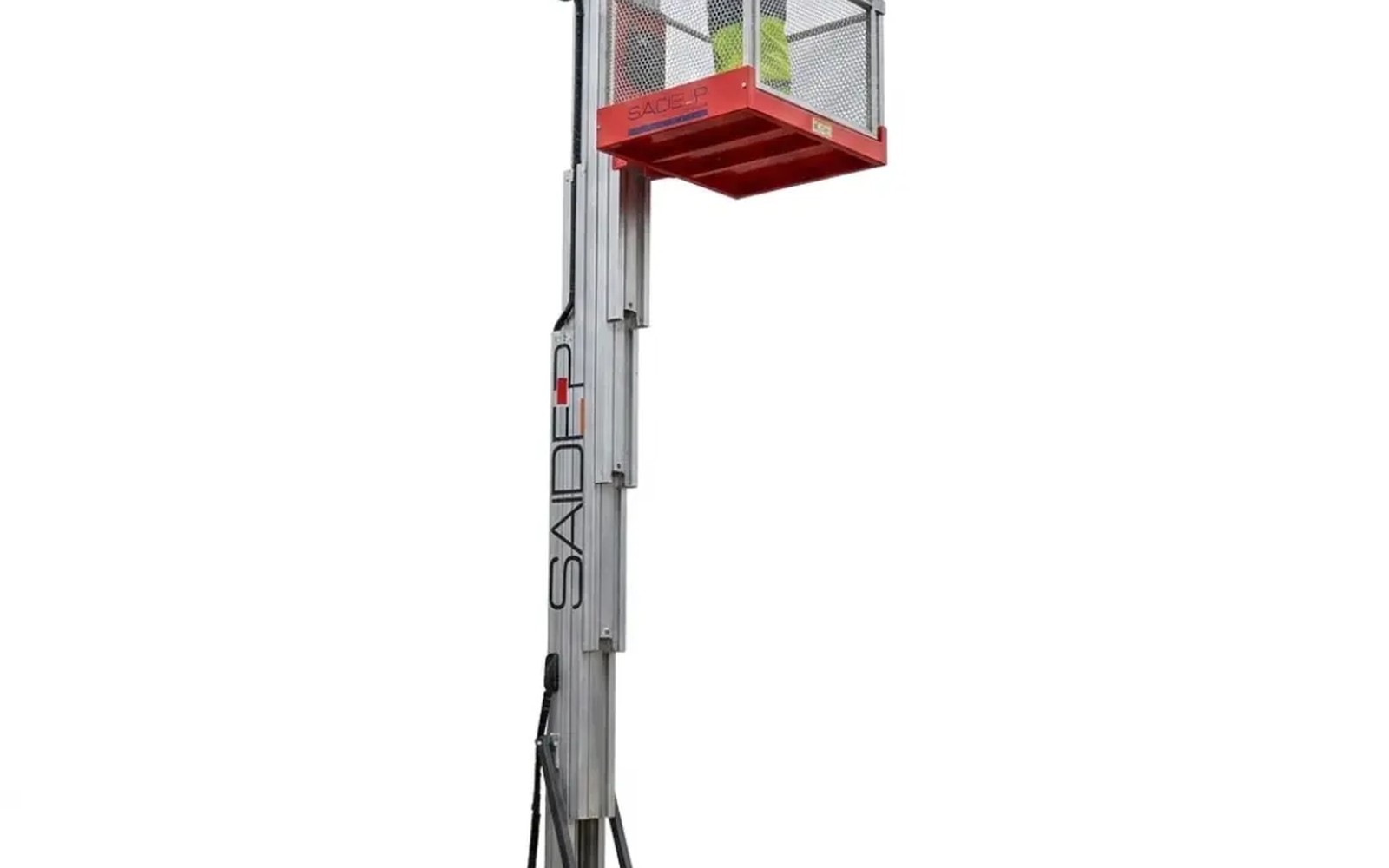
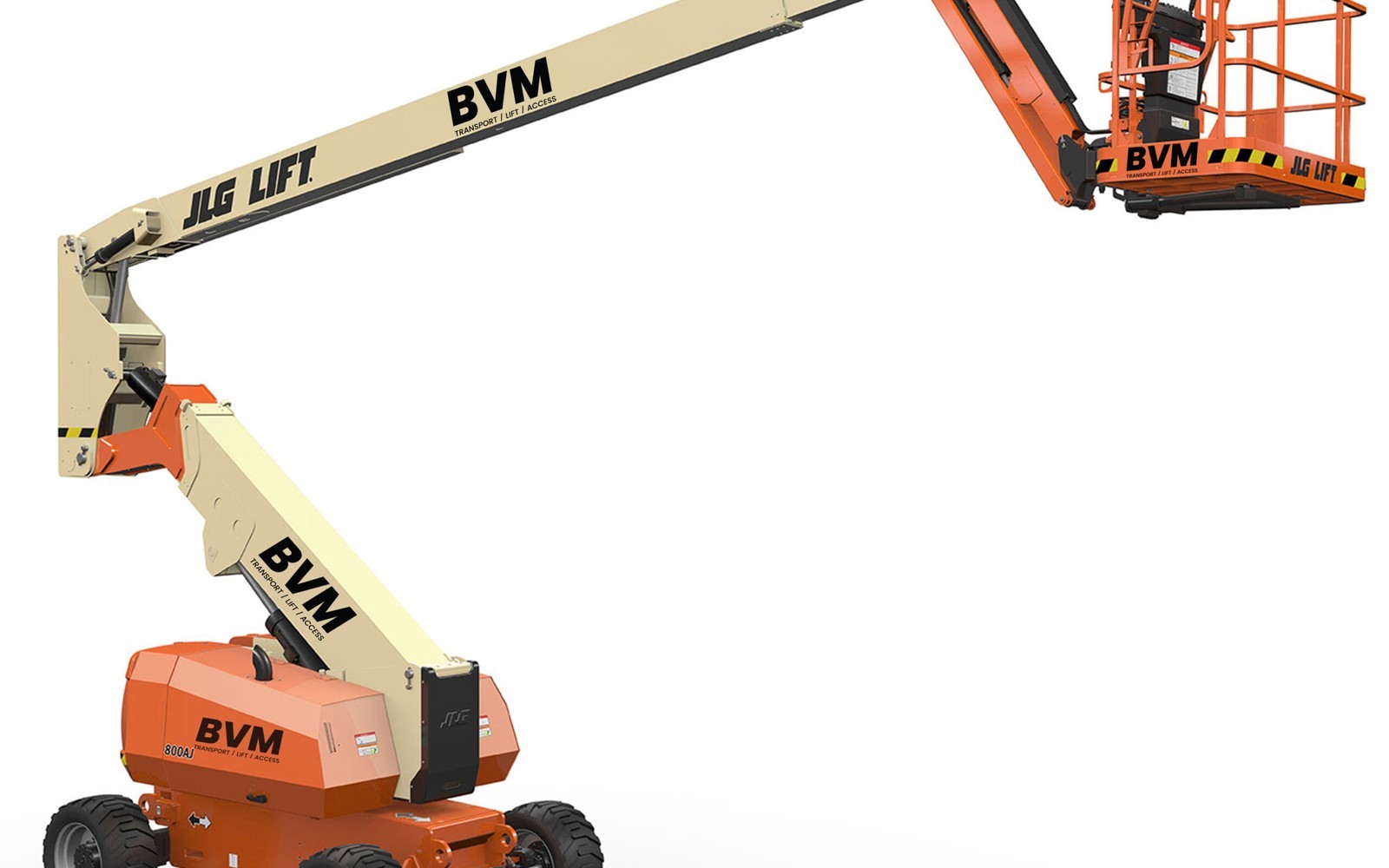
Aerial Lift Equipment Lease
Why Aerial Lifts Are Good Leaseback Candidates

Why Aerial Lifts Are Good Leaseback Candidates

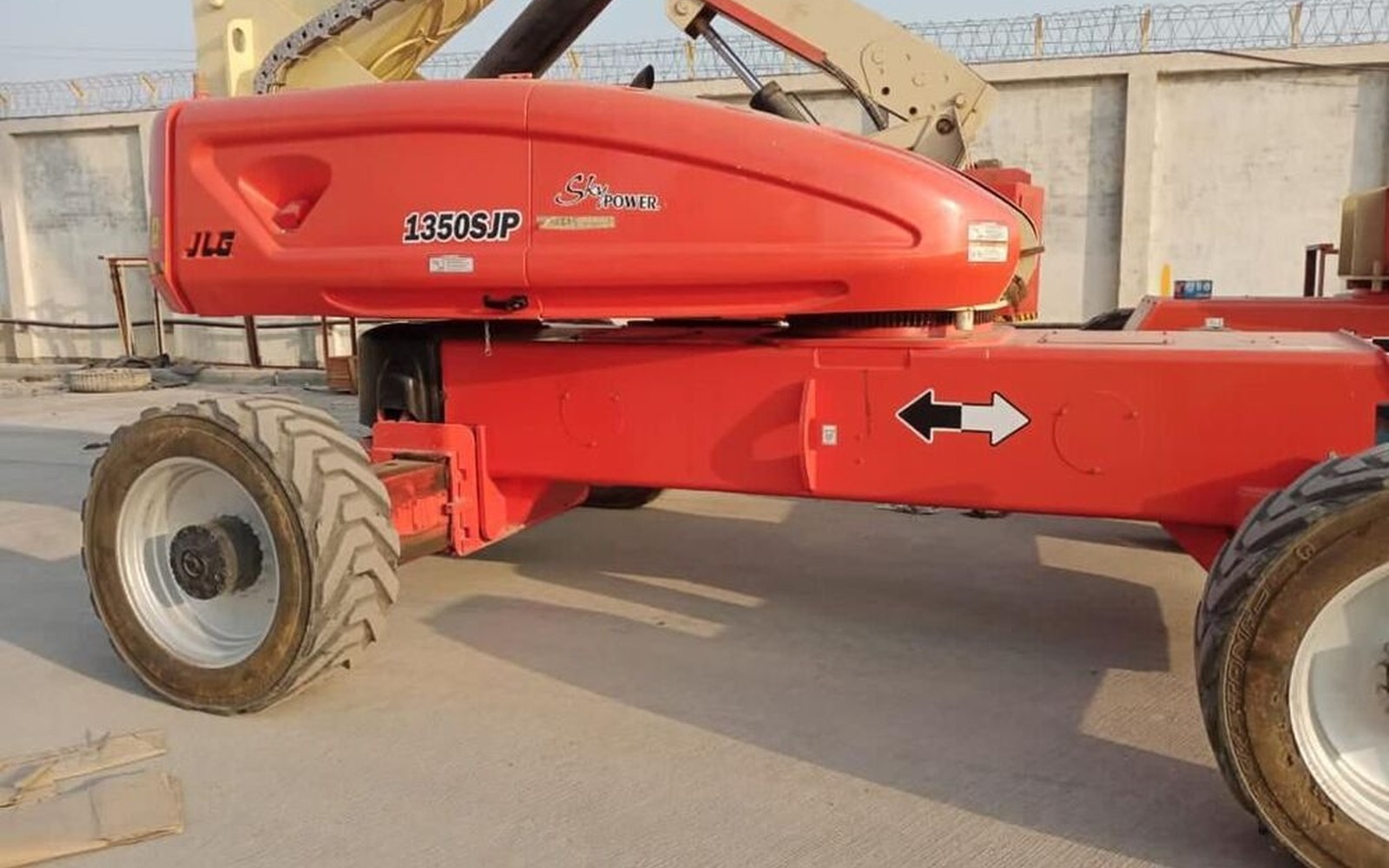
Not all equipment holds value well enough to support a leaseback at useful numbers. Aerial lifts, particularly JLG and Genie boom lifts and scissor lifts from reputable manufacturers, maintain strong residual values in the secondary market. A well-maintained telescopic boom lift with reasonable hours holds value across a wide range of age cohorts because the secondary rental market has consistent demand.

That residual value support is what makes a leaseback work for both sides. The lender is comfortable taking the equipment as the primary collateral because they know there is a buyer for it if the lease defaults. And you as the operator get a larger percentage of the equipment's value as cash proceeds, because the lender is not discounting heavily for uncertain resale.

Equipment with less liquid secondary markets, or units with very high hours that limit remaining useful life, will produce lower leaseback values or may not qualify. Condition matters. A machine that has been through regular manufacturer-recommended service intervals will appraise meaningfully higher than one with deferred maintenance.

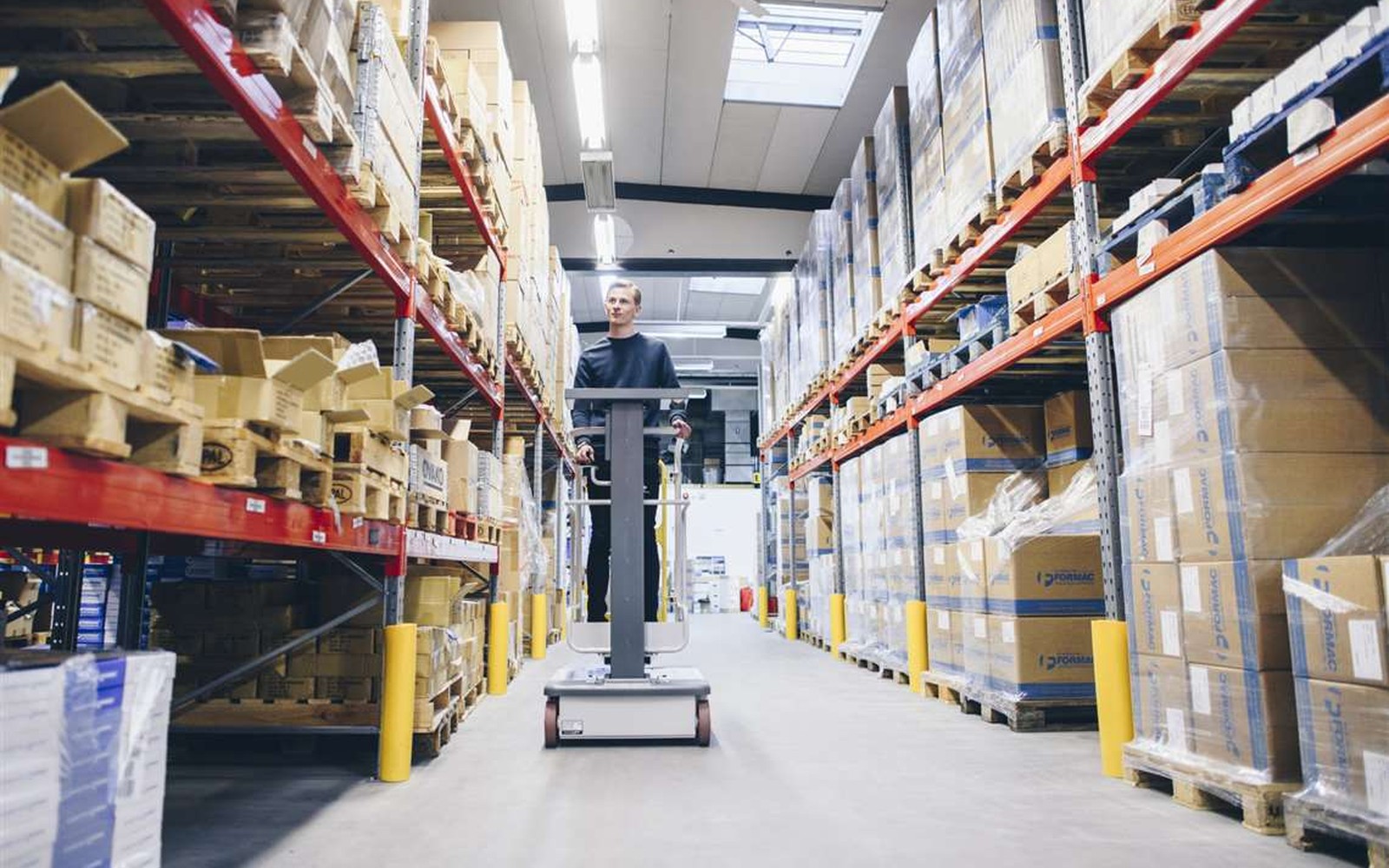
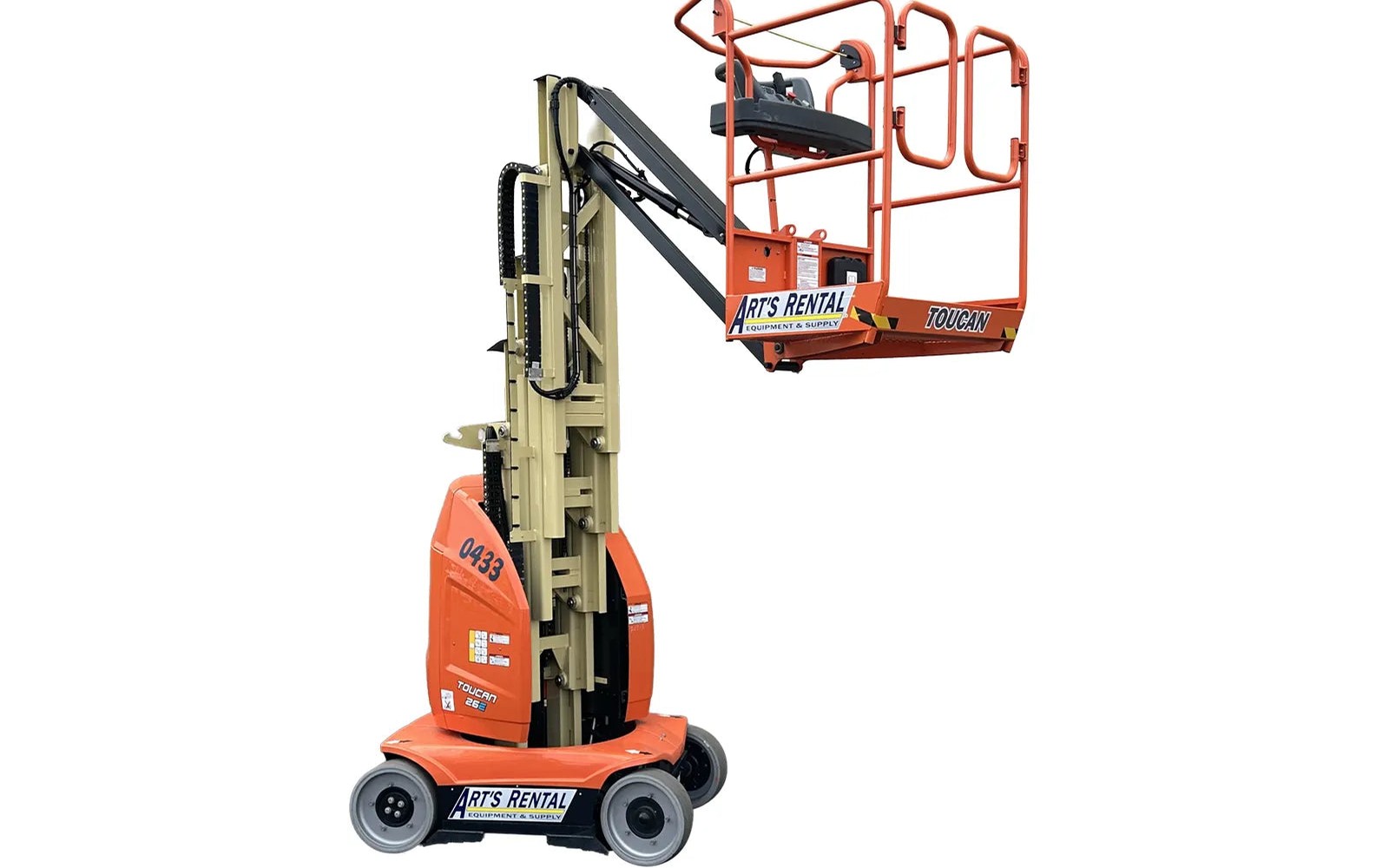
Low Level Access Lift
Common questions
Answers from the desk.

Can I do a leaseback on multiple lifts at once?

Yes. Fleet leasebacks are common and sometimes produce better terms because the aggregate deal size brings more lender interest. We can bundle multiple units into a single leaseback transaction, which simplifies the paperwork and may produce a more favorable overall rate compared to doing each machine separately.

What percentage of the equipment's value will I receive in a leaseback?

Leaseback advance rates on well-maintained aerial lifts typically range from 80 to 100 percent of appraised current market value, depending on credit, equipment condition, and deal structure. We do not publish a fixed rate because the appraised value, machine age, and your business profile all influence what a lender will advance. We will run the numbers on your specific equipment and give you a real figure before you commit.

Does the leaseback affect my ability to sell or trade the equipment during the lease term?

Yes. During the lease, the lender holds title. If you want to sell the unit before the lease ends, you would need to buy it out of the lease first (payoff the remaining obligation) and then sell it. The net of a buyout and a sale can still make sense if the equipment's market value has risen and the buyout is lower than the sale price, but you cannot freely dispose of the asset during the active lease.

My equipment has some deferred maintenance. Does that affect the leaseback offer?

Yes, directly. The appraisal looks at the machine's current operating condition, not just the model and year. Deferred maintenance, non-operational systems, or known needed repairs will reduce the appraised value and therefore the leaseback proceeds. If the repair cost is modest, it may be worth addressing before the appraisal to maximize what comes out of the transaction.

Is a sale-leaseback the same as refinancing?

Structurally different. A refinance replaces one loan with another and you retain title throughout. In a leaseback, you actually sell the equipment and receive a lease back. The cash outcome may look similar, but the legal structure and balance-sheet treatment are different. Which one is better depends on your credit profile, the equipment's equity position, and how you want the transaction to appear on your books.

Common Questions on Aerial Lift Sale-Leaseback

Straight answers before you send the equipment file.

Can I do a leaseback on multiple lifts at once?

Yes. Fleet leasebacks are common and sometimes produce better terms because the aggregate deal size brings more lender interest. We can bundle multiple units into a single leaseback transaction, which simplifies the paperwork and may produce a more favorable overall rate compared to doing each machine separately.

What percentage of the equipment's value will I receive in a leaseback?

Leaseback advance rates on well-maintained aerial lifts typically range from 80 to 100 percent of appraised current market value, depending on credit, equipment condition, and deal structure. We do not publish a fixed rate because the appraised value, machine age, and your business profile all influence what a lender will advance. We will run the numbers on your specific equipment and give you a real figure before you commit.

Does the leaseback affect my ability to sell or trade the equipment during the lease term?

Yes. During the lease, the lender holds title. If you want to sell the unit before the lease ends, you would need to buy it out of the lease first (payoff the remaining obligation) and then sell it. The net of a buyout and a sale can still make sense if the equipment's market value has risen and the buyout is lower than the sale price, but you cannot freely dispose of the asset during the active lease.

My equipment has some deferred maintenance. Does that affect the leaseback offer?

Yes, directly. The appraisal looks at the machine's current operating condition, not just the model and year. Deferred maintenance, non-operational systems, or known needed repairs will reduce the appraised value and therefore the leaseback proceeds. If the repair cost is modest, it may be worth addressing before the appraisal to maximize what comes out of the transaction.

Is a sale-leaseback the same as refinancing?

Structurally different. A refinance replaces one loan with another and you retain title throughout. In a leaseback, you actually sell the equipment and receive a lease back. The cash outcome may look similar, but the legal structure and balance-sheet treatment are different. Which one is better depends on your credit profile, the equipment's equity position, and how you want the transaction to appear on your books.
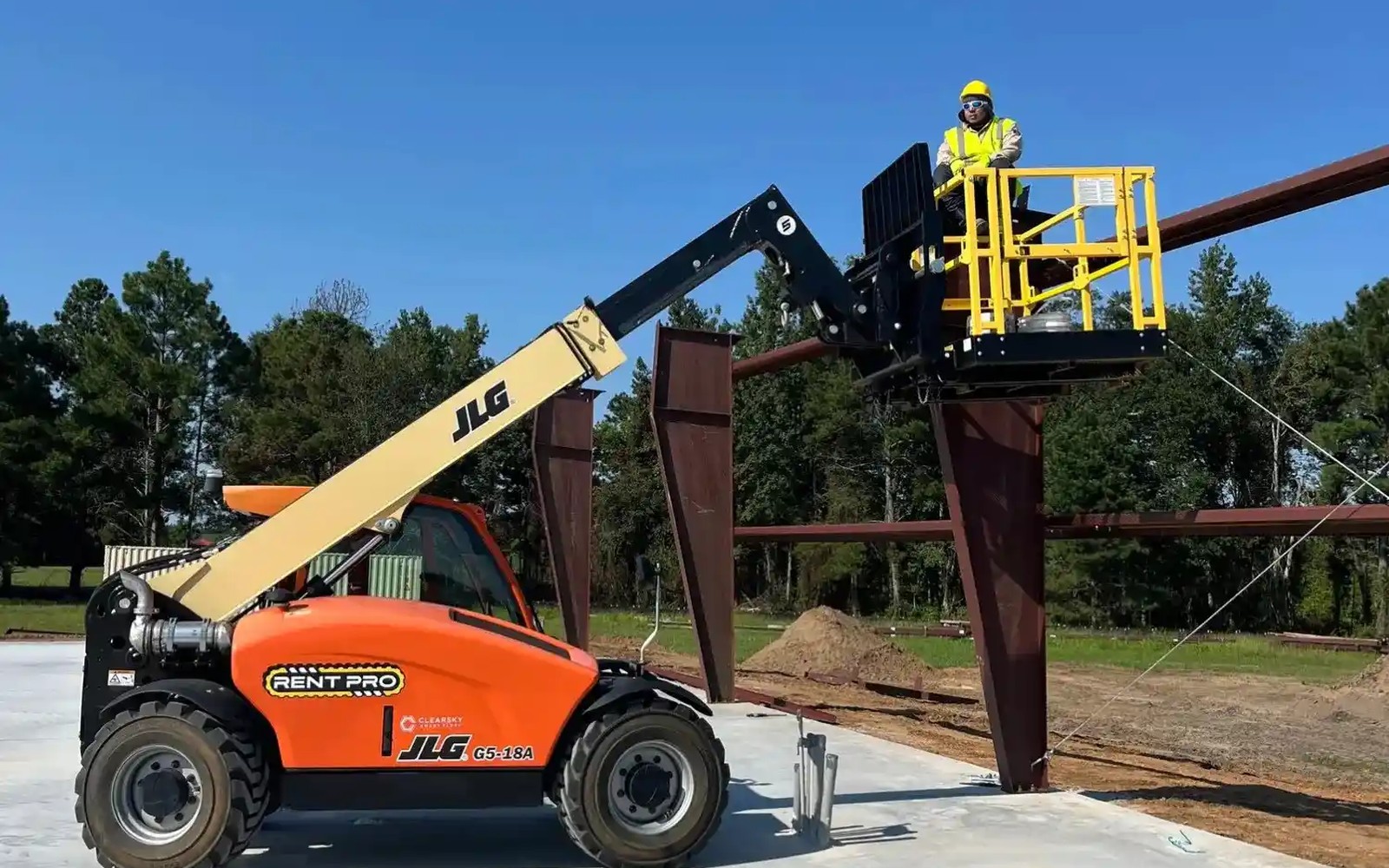
Get Terms on Aerial Lift Sale-Leaseback

Tell us what you are buying, who is selling it, and when you need it earning. We will review the file and point you to the next step.

Get Loan Terms →Call (713) 375-4374