Answers from the desk.
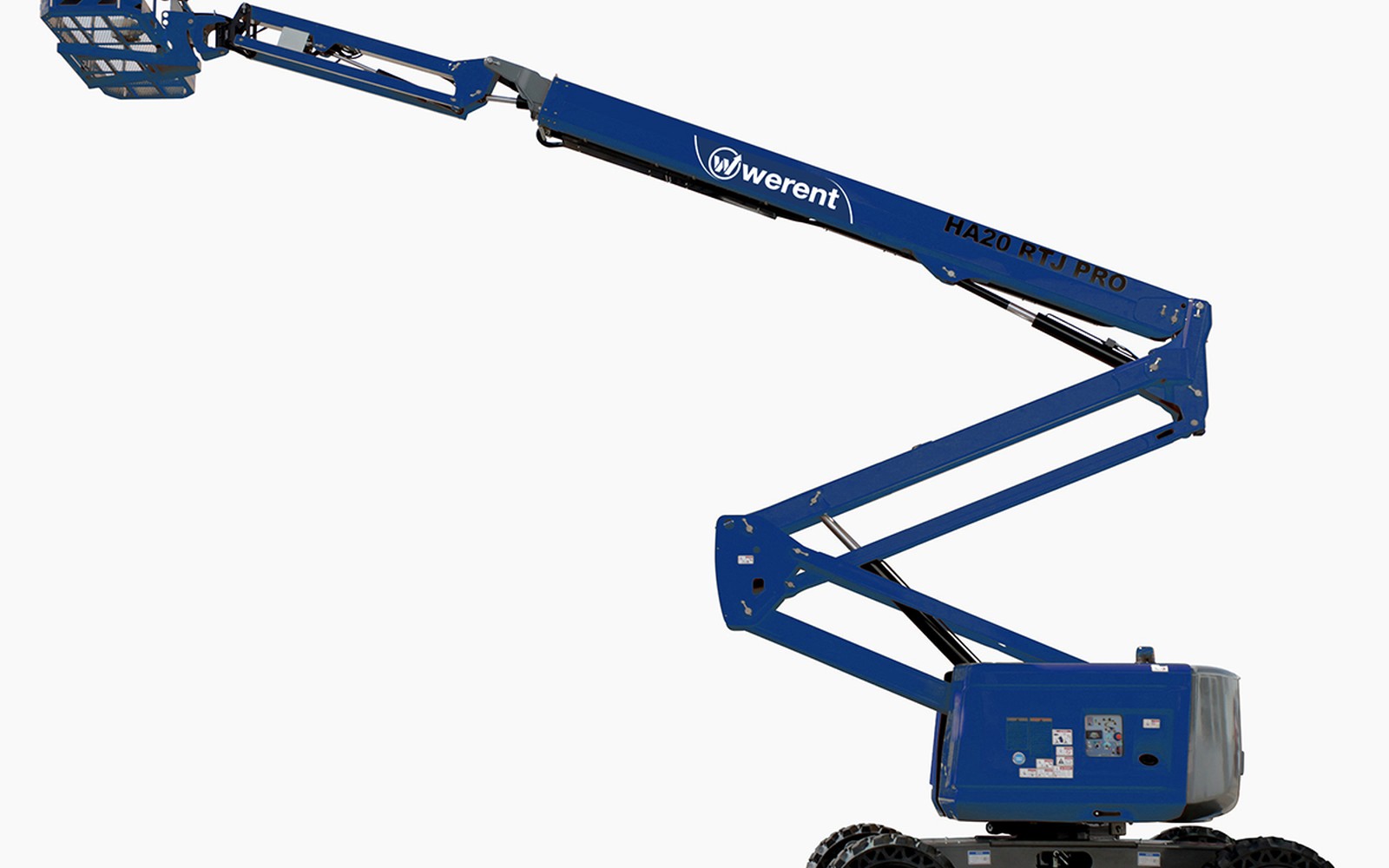
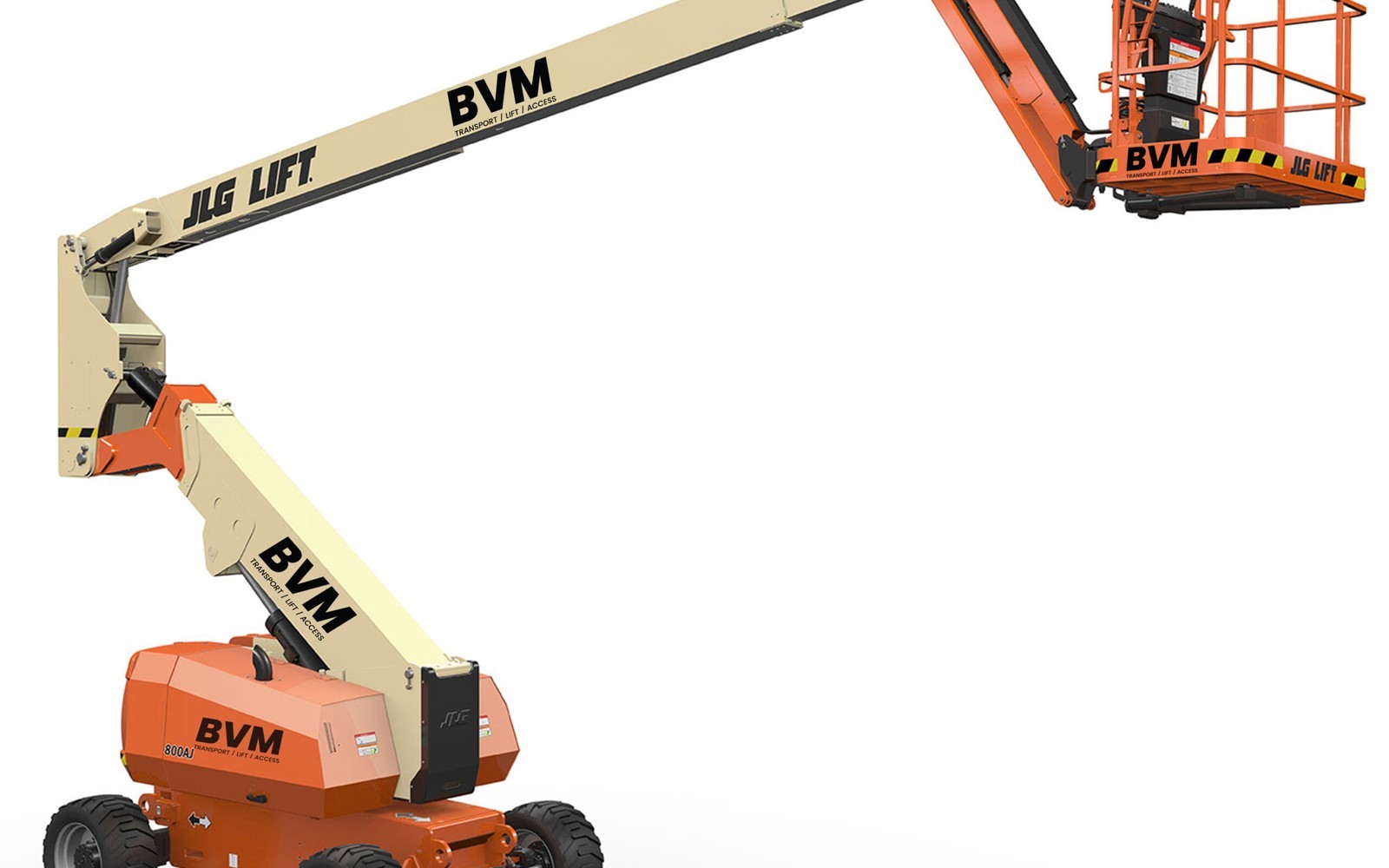
How does the MEC 65-J compare to a JLG 660SJ for financing purposes?
From an underwriting standpoint they're equivalent: same height class, same market segment, similar collateral value. The MEC may have a slightly lower acquisition cost, which affects the monthly payment directly but doesn't change the documentation requirements or approval timeline. We fund both brands the same way.
Can I use the 65-J as collateral for additional working capital?
If you own it outright, yes. A cash-out refinance or sale-leaseback lets you pull equity from the machine. If you're still paying down a note on it, there's less equity available, but if the machine has appreciated relative to the note balance, there may still be something to work with. Reach out and we'll look at the numbers.
My business has a credit ding from two years ago. Is the 65-J still fundable?
challenged credit qualifies in our program. A single adverse event from two years ago with solid operating performance since then is one of the more common profiles we approve. We look at the full picture: bank statement cash flow, time in business, the event itself, and how the business has performed since. Most operators with that profile get funded, maybe with a slightly higher rate or stronger documentation ask.
What happens to the financing if I decide to sell the 65-J before the term ends?
You can sell a financed machine, but the lender's lien has to be paid off at sale. The payoff amount is the remaining principal balance, and the lien gets released when the payoff clears. You keep any sale proceeds above the payoff amount. Some deals have prepayment provisions, so review your contract terms before selling early.
Does the 65-J work well for roofing contractors, or is it more of a construction machine?
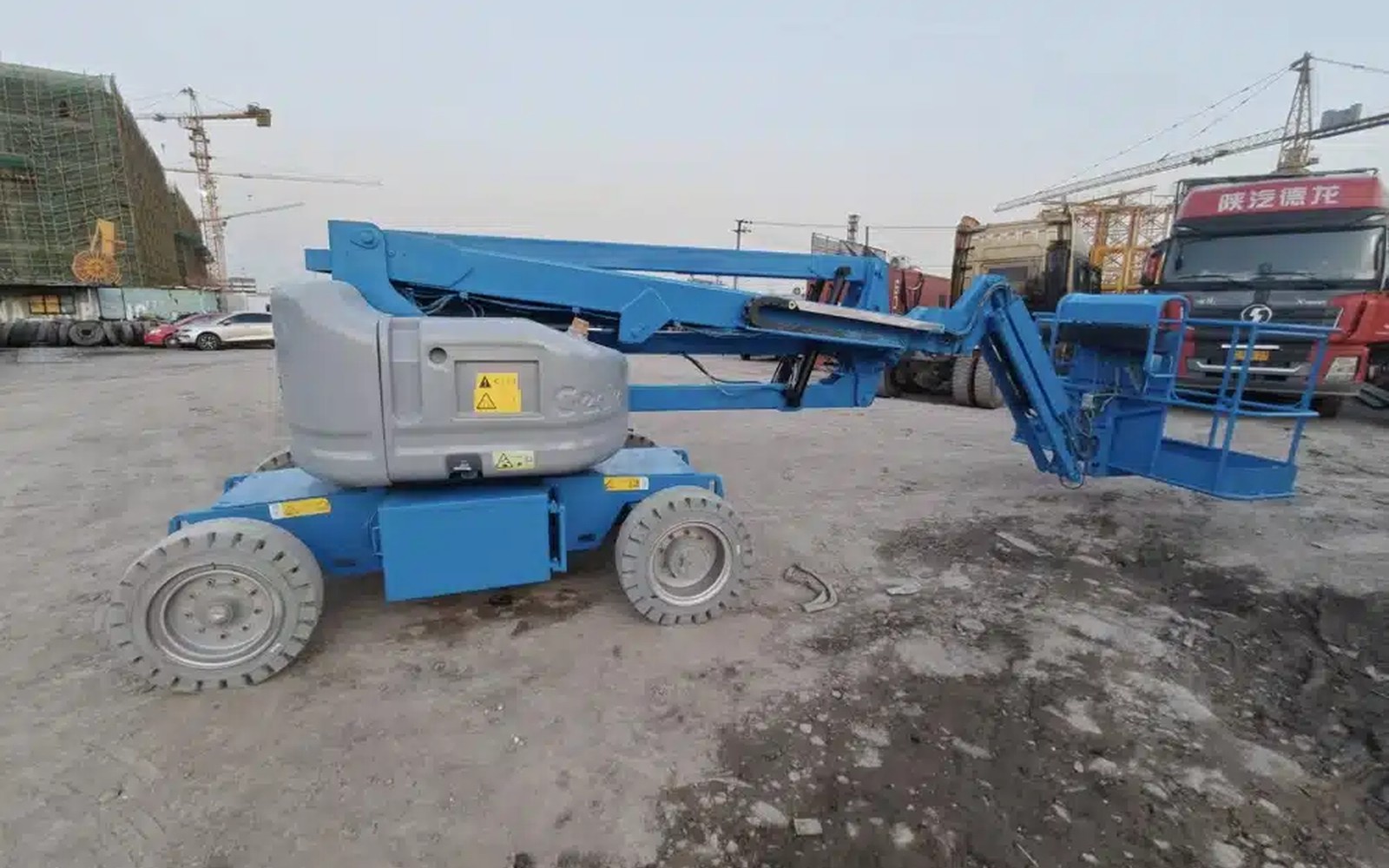
Roofing contractors are among the regular buyers of 65-to-70-foot articulating booms. Exterior roofing access on commercial buildings, particularly multi-story structures where a scissor doesn't reach and a straight boom can't fold under a parapet, is exactly what the 65-J is built for. Many roofing companies add this class of machine specifically to qualify for commercial accounts that require lift access.