Roofing Contractors

Roofing Contractors

Industries We Serve / Roofing Contractors

Roofing Contractors

Roofing contractors use boom lifts to stage materials, assist tear-off, and access low-slope commercial roofs safely. Finance aerial lifts for roofing crews.

Approval is more than a credit score.

Painting Contractors
  • Priced on the asset — deck height, hours, and resale strength carry the file.
  • Application-only up to $500,000 — financials stay in the drawer.
  • New, used, dealer, auction, or private party — all fundable.
  • Startups and challenged credit get structure, not a form rejection.
Solar Installation Contractors

Getting materials to the deck is the job before the job. A roofing crew that spends an hour rigging a crane or waiting for a conveyor on every commercial project is bleeding time that a boom lift could eliminate. Powered access equipment on a commercial roofing site does three things: it stages material at the leading edge of the work, it keeps the crew safe during tear-off access, and it positions a technician for detail work on parapet walls, HVAC curbs, and rooftop penetrations. Roofing contractors who own the right lift run tighter jobs. We fund aerial lifts for roofing contractors from $50,000 on up, statement-led review below about $400,000, credit history weighed against lift value.

Tree Care And Arborists
What Roofing Contractors Actually Put in the Air

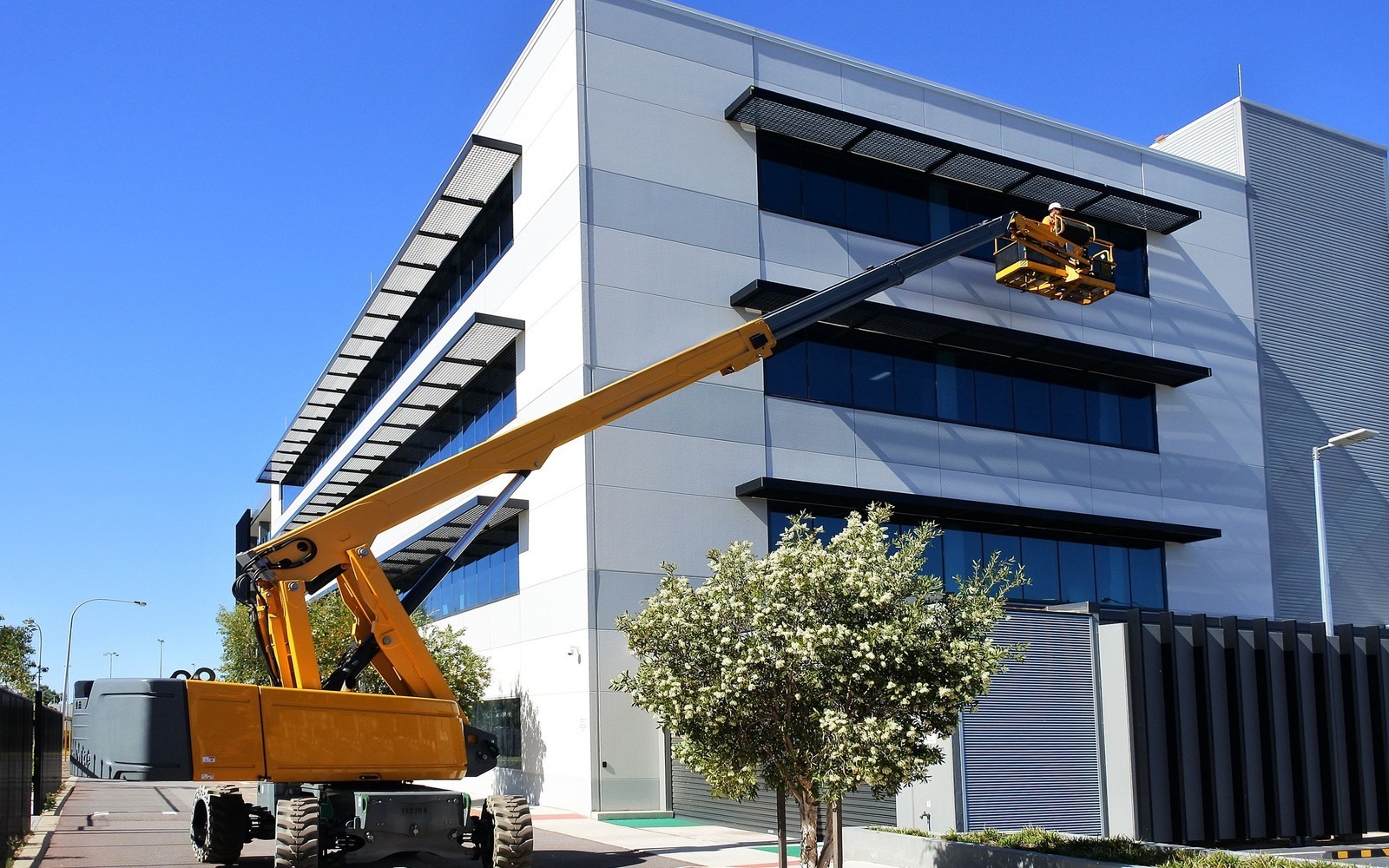
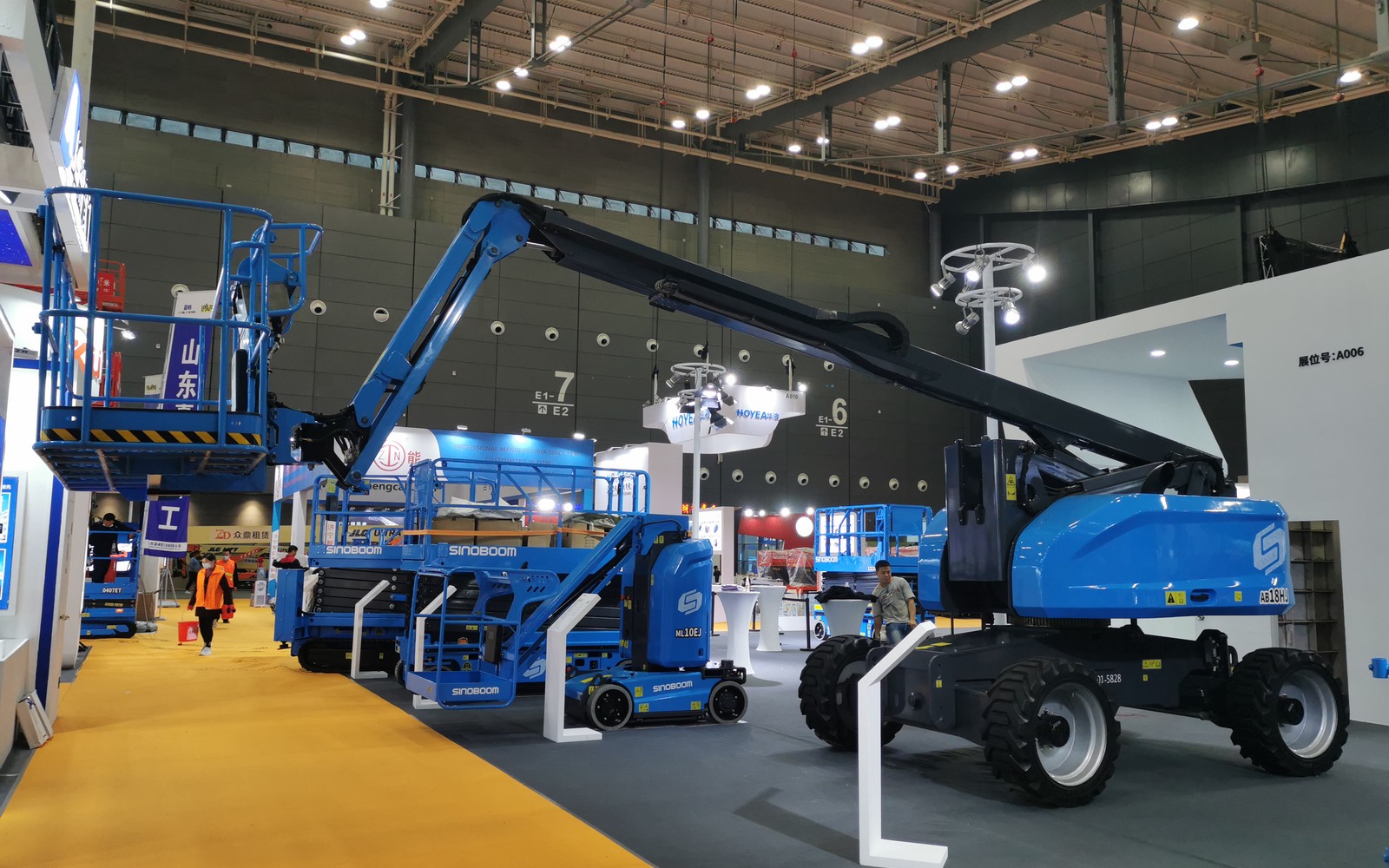
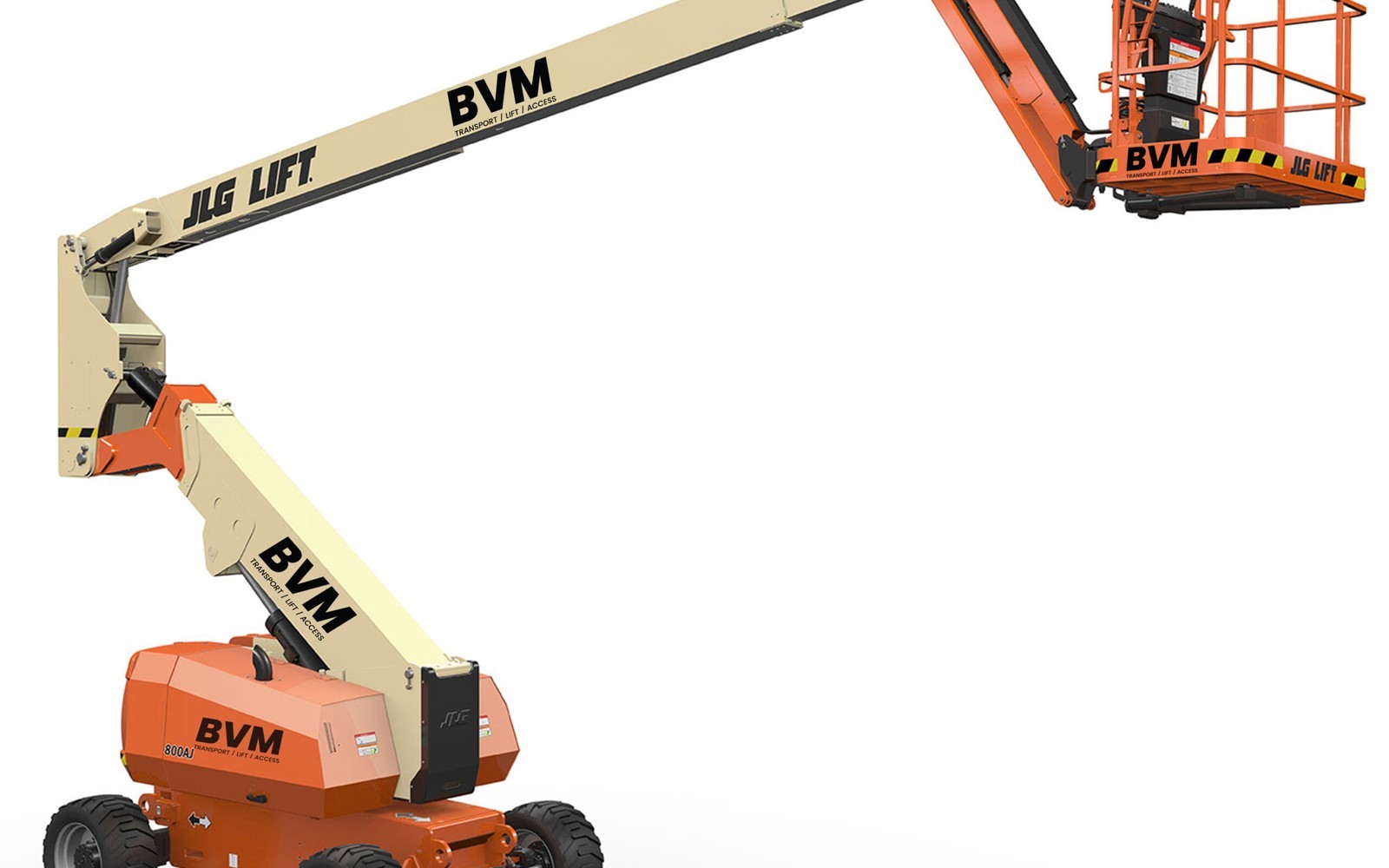
Roofing lift use divides into two distinct applications: material handling and crew access. On low-slope commercial roofs at one to three stories, a rough-terrain articulating boom positioned at the building perimeter allows the crew to load materials onto the deck from a pallet at grade. This is faster than a dedicated crane setup on repetitive or lower-volume loads and eliminates the waiting and rigging cost. A 60-foot articulating boom lift on rough-terrain tires covers most low-rise commercial and industrial rooftop access scenarios.

On flat roofs where the crew needs to work at the eave or parapet, smaller machines in the 40 to 45-foot class work well. A 40-foot boom lift on a rough-terrain chassis positions workers safely at the parapet without a ladder and keeps the crew inside OSHA fall-protection compliance. Metal roofing contractors and specialty roofers doing standing-seam work on steep-slope structures sometimes use boom lifts differently, positioning a man basket at the ridgeline for detail work at the peak.

On taller commercial buildings at three to six stories, an 80-foot boom lift brings the working height to the upper floor setback. Mid-rise commercial reroofing projects on hotels, office towers, and healthcare facilities above four stories generally require an 80-foot reach or a crane for material staging, with the boom handling crew access and detail work.

Scissor lifts appear on roofing sites primarily for large flat-roof work where the entire platform is at roof level and the crew is working from the deck. A rough-terrain scissors on a flat industrial or warehouse roof positions workers safely above large skylights or around rooftop equipment without a ladder setup.

Window Cleaning And Glazing
What Kind of Roofing Contractor Owns vs. Rents

Commercial roofing contractors with consistent volume benefit most from ownership. A firm doing 30 or more commercial projects per year almost certainly crosses the break-even point on a 60-foot boom used across those projects compared to renting the same unit individually. The per-project rental cost at $1,200 to $2,000 per week compounds fast across a busy season. A lease structure with seasonal payment adjustments is also an option for contractors whose revenue concentrates in the warmer months.

Specialty roofing firms that focus on flat commercial roofing, membrane systems, EPDM, TPO, and metal standing-seam work tend to have a clearer lift utilization picture than residential-focused firms. A contractor doing primarily steep-slope residential work may find that ladder systems and roof jacks remain more practical than boom ownership for their typical job size, but the commercial and industrial roofer is almost always a candidate for owned access equipment. Those adding their first lift often start with a simple application-only deal that avoids the full bank documentation package.

Multi-crew operations that run two or three jobs simultaneously are the most natural fit for fleet ownership. If crew A needs a boom at a warehouse and crew B needs access at a retail strip, aerial lift fleet financing eliminates the scheduling friction and the daily rental cost at both sites. Roofing contractors with owned equipment also pair naturally with general contractors who are looking for specialty subcontractors with dependable access equipment on the job from day one.

Low Level Access Lift
Common questions
Answers from the desk.

Can I finance a boom lift that will primarily be used for material staging, not crew access?

Yes. How you use the equipment does not change how we fund it. A boom lift purchased for material staging on commercial roofing projects qualifies the same as one purchased for crew access.

Do I need to show that the boom lift will stay on a specific job site to qualify?

No. The equipment is yours to use across all your projects. Financing is based on the business's creditworthiness and the equipment's value as collateral, not on where a particular unit is deployed.

I run a roofing crew with two foremen working different sites. Can I finance two booms at once?

Yes. A multi-unit purchase can often be structured as a single deal or as parallel transactions. If both units total under $400,000, application-only processing covers the whole package.

My roofing company is seasonal. Can the payments align with our busy months?

Seasonal or deferred payment structures are available on some deals. Spring-to-fall roofing contractors with slow winters can sometimes negotiate a payment structure that reduces the monthly obligation in the off-season. The option depends on the deal size and credit situation, but it is worth asking about.

What happens if the boom gets damaged on a job site? Does that affect the financing?

Equipment financing requires that the asset remain properly insured. You will need to carry commercial property and liability coverage on the unit as a condition of the financing agreement. If the unit is damaged, the insurance claim proceeds would typically be applied to the repair or, in a total-loss scenario, to the outstanding balance.

Common Questions on Roofing Contractors

Straight answers before you send the equipment file.

Can I finance a boom lift that will primarily be used for material staging, not crew access?

Yes. How you use the equipment does not change how we fund it. A boom lift purchased for material staging on commercial roofing projects qualifies the same as one purchased for crew access.

Do I need to show that the boom lift will stay on a specific job site to qualify?

No. The equipment is yours to use across all your projects. Financing is based on the business's creditworthiness and the equipment's value as collateral, not on where a particular unit is deployed.

I run a roofing crew with two foremen working different sites. Can I finance two booms at once?

Yes. A multi-unit purchase can often be structured as a single deal or as parallel transactions. If both units total under $400,000, application-only processing covers the whole package.

My roofing company is seasonal. Can the payments align with our busy months?

Seasonal or deferred payment structures are available on some deals. Spring-to-fall roofing contractors with slow winters can sometimes negotiate a payment structure that reduces the monthly obligation in the off-season. The option depends on the deal size and credit situation, but it is worth asking about.

What happens if the boom gets damaged on a job site? Does that affect the financing?

Equipment financing requires that the asset remain properly insured. You will need to carry commercial property and liability coverage on the unit as a condition of the financing agreement. If the unit is damaged, the insurance claim proceeds would typically be applied to the repair or, in a total-loss scenario, to the outstanding balance.
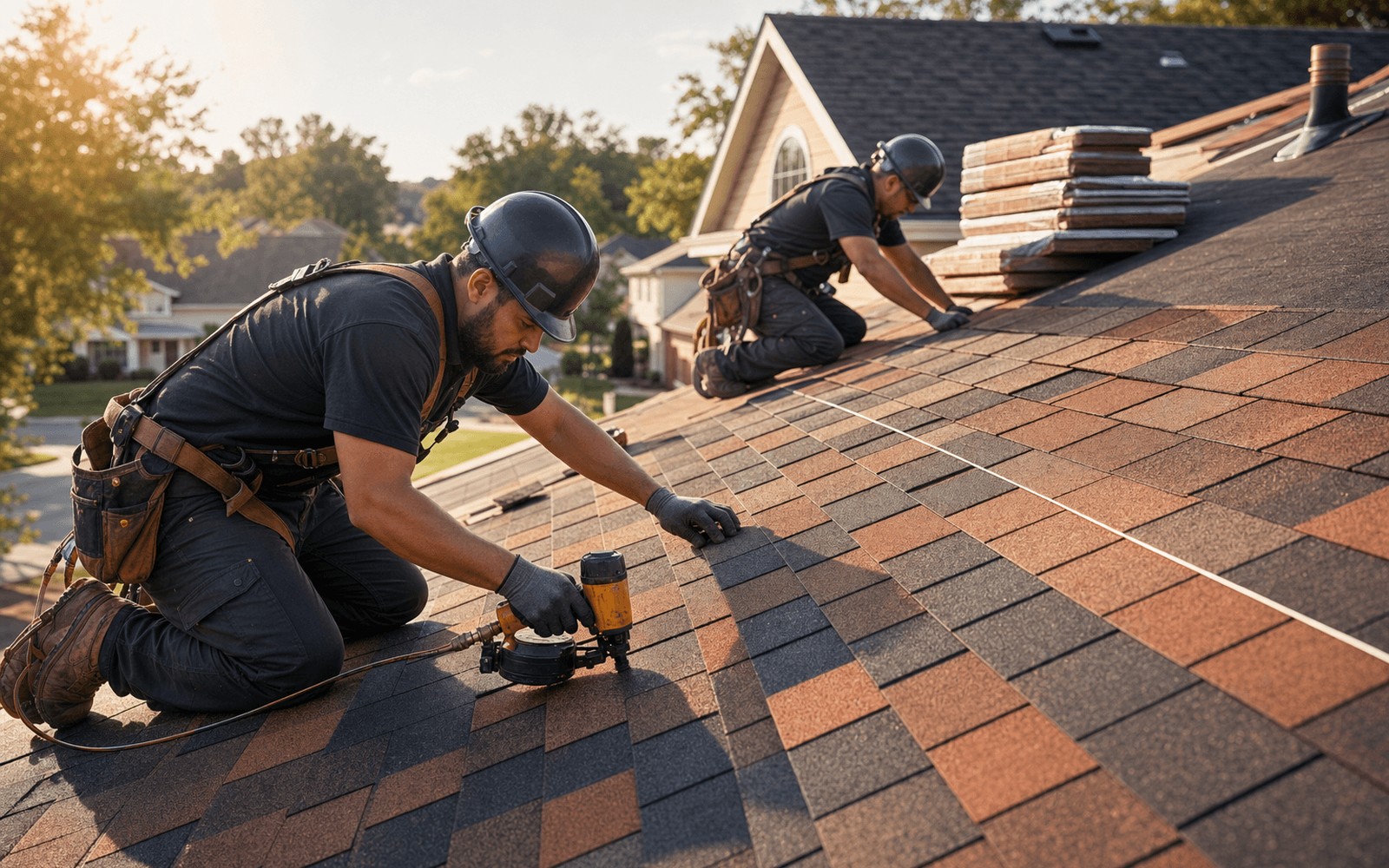
Get Terms on Roofing Contractors

Tell us what you are buying, who is selling it, and when you need it earning. We will review the file and point you to the next step.

Get Loan Terms →Call (713) 375-4374