80 ft Boom Lift Financing

80 ft Boom Lift Financing

Aerial Lifts We Finance / 80 ft Boom Lift Financing

80 ft Boom Lift Financing

Finance 80-foot boom lifts for high-rise commercial, industrial, and bridge work. $50k floor, challenged-credit welcome, statement-led review below $400k.

Approval is more than a credit score.

150 Foot Boom Lift
  • Priced on the asset — deck height, hours, and resale strength carry the file.
  • Application-only up to $500,000 — financials stay in the drawer.
  • New, used, dealer, auction, or private party — all fundable.
  • Startups and challenged credit get structure, not a form rejection.
26 Foot Scissor Lift

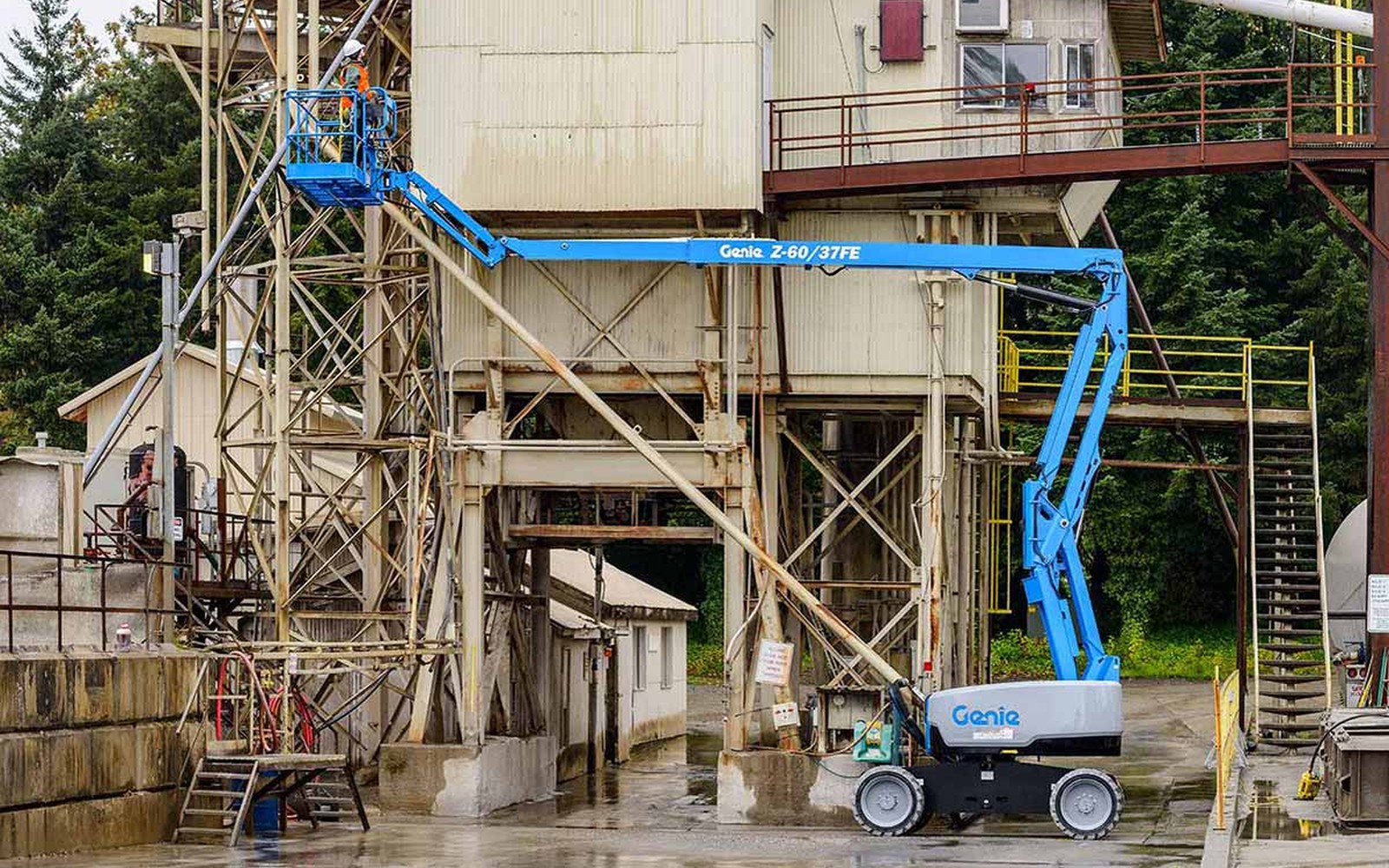
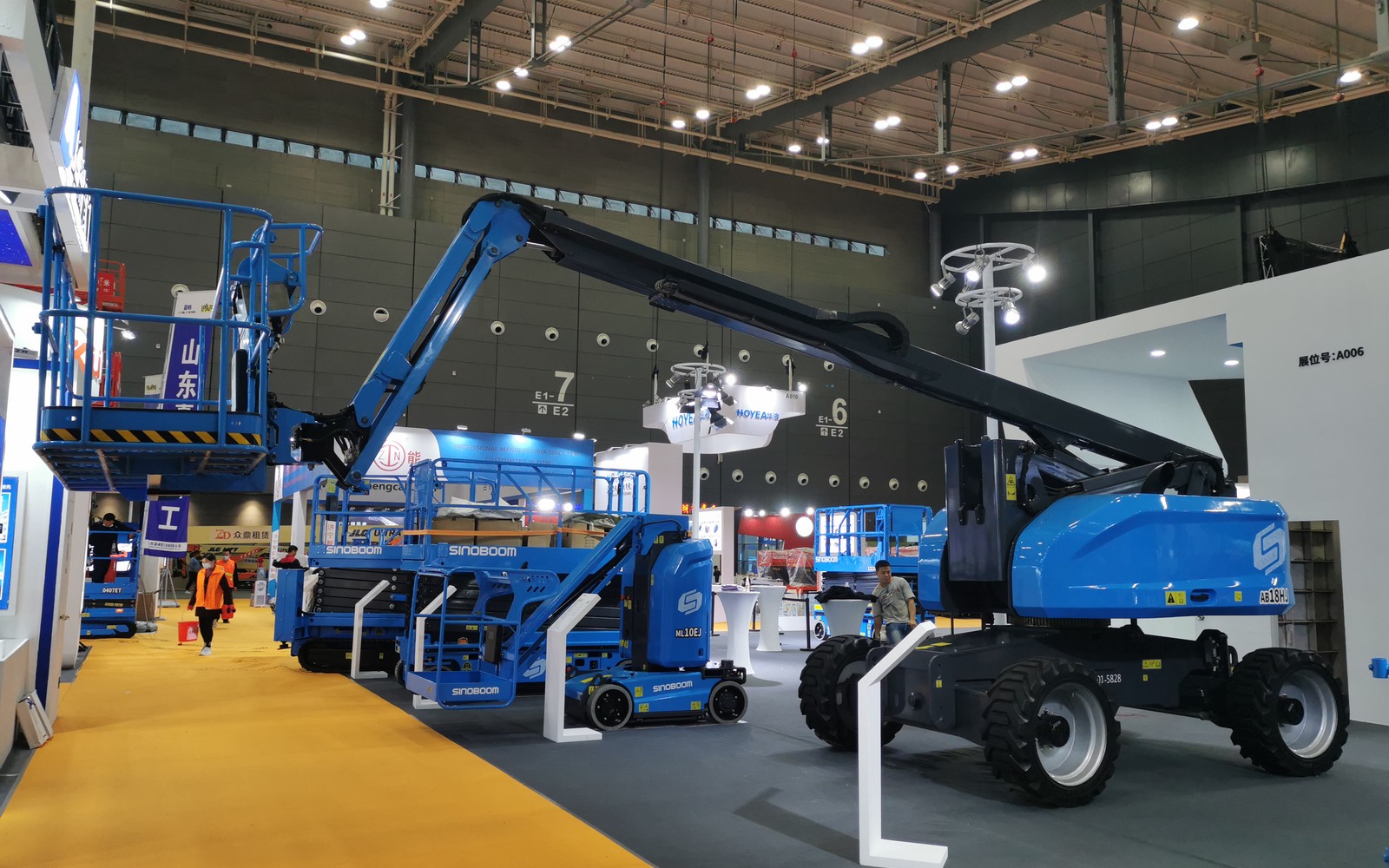
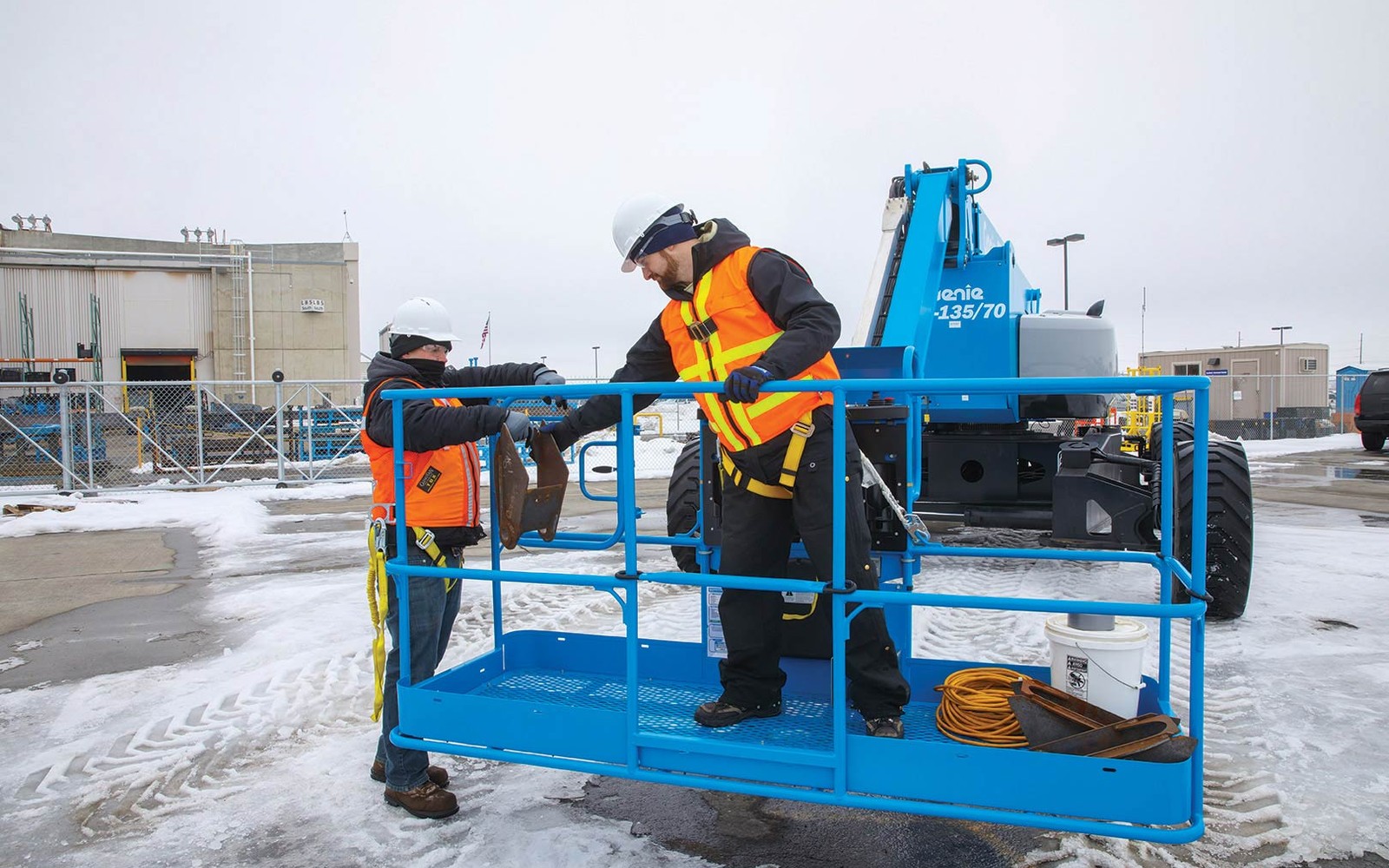
Eighty feet of platform height is where mid-rise commercial work and heavy industrial maintenance intersect. You are reaching floors seven through ten on a standard steel-frame building, accessing bridge undersides on medium-span highway structures, and topping tower bases and tall industrial stacks that would stop a 60-footer cold. The Genie S-85, a machine most boom operators know by sight, puts 85 feet of platform height and roughly 55 feet of horizontal outreach into a package that handles both construction sites and industrial maintenance accounts from a single rough-terrain chassis. We fund 80-foot class boom lifts from $50k, new or used, and most deals close inside two weeks.

At this height class, the used market is active but thinner than at 60 feet. Fewer rental yards stock 80-foot booms because the demand for them is more project-driven and less routine than 60-foot units. That means finding the right used unit takes more search, but it also means the machines that are available often carry reasonable hours because they've sat when there was no demand for them. A well-maintained 80-foot rough-terrain telescopic or articulating boom with under 3,000 hours is a capable machine that will earn well on the right accounts.

40 Foot Scissor Lift
Eighty-Foot Specs and What They Mean Operationally

Eighty-Foot Specs and What They Mean Operationally

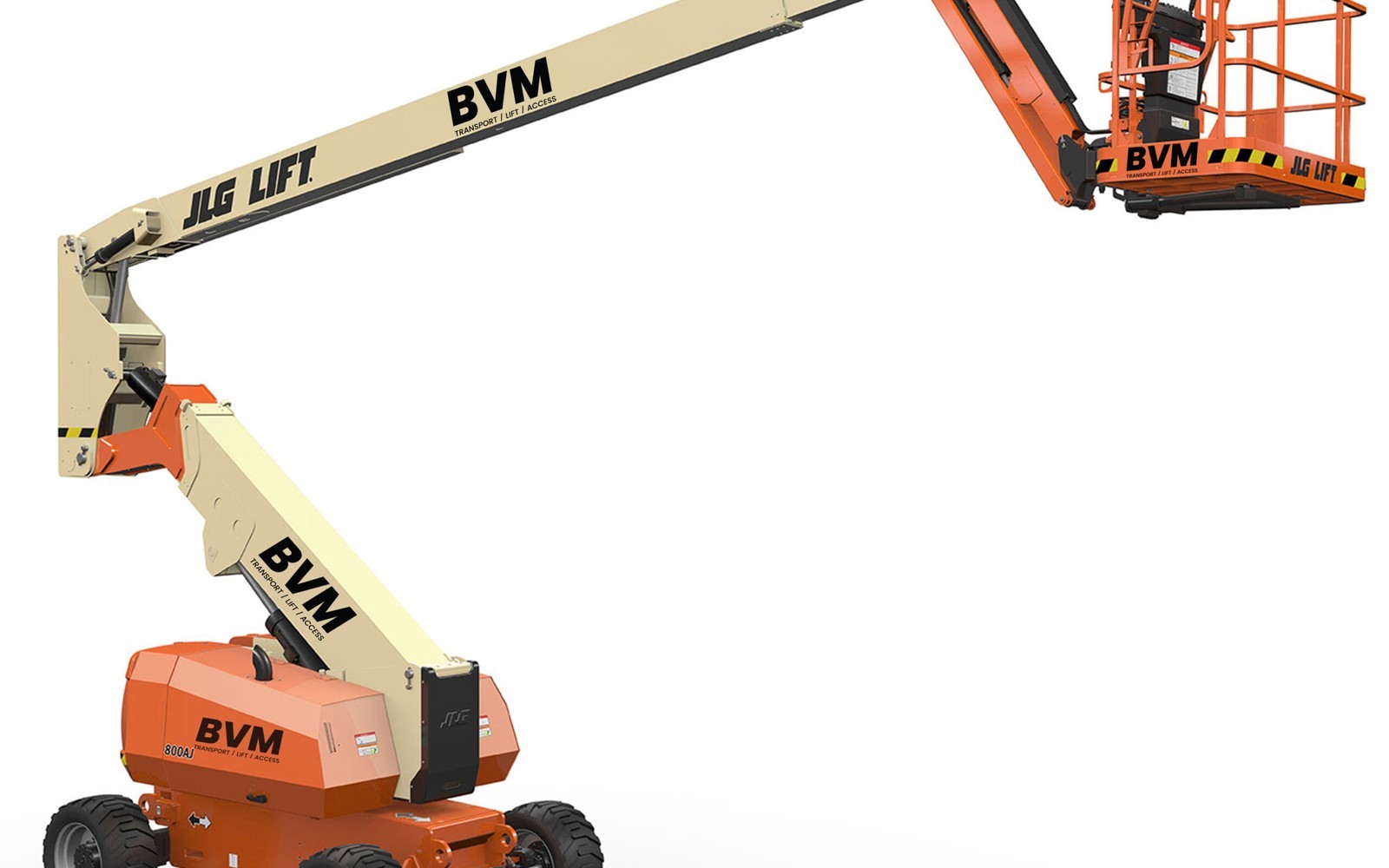
The most common 80-foot class units are the Genie S-85 telescopic boom and the JLG 800AJ articulating boom. The S-85 is a diesel rough-terrain telescopic with a 500-pound platform capacity and approximately 55 feet of horizontal outreach. It handles outdoor construction sites, bridge maintenance, and industrial facade work where open reach is the priority. The JLG 800AJ articulating boom adds up-and-over reach capability at similar height, trading some horizontal outreach for the flexibility of the knuckle joint. Both are well-established machines with active used markets and strong residual values compared to some smaller units.

Drive class at 80 feet is almost universally rough-terrain. Interior electric 80-foot booms exist but are uncommon in the general rental market because clearance heights inside most commercial buildings don't accommodate a machine this tall. The practical market for 80-foot electric booms is large industrial facilities, shipyards, and aircraft hangars with high interior clearance. For most buyers of 80-foot booms, diesel rough-terrain is the operational spec.

Four-wheel steer and four-wheel drive are standard on rough-terrain 80-foot units, along with the oscillating front axle that keeps the machine stable on uneven grade. Platform capacity is typically 500 to 600 pounds unrestricted. Some models have a 750- or 1,000-pound restricted-capacity rating for two-worker configurations at shorter reach settings.

Aerial Lift Attachments
Where 80-Foot Boom Work Comes From

Where 80-Foot Boom Work Comes From

High-rise commercial construction is the clearest demand driver for 80-foot booms. A new 10-story office or mixed-use building generates sustained demand for 80-foot and above access during the steel, mechanical, and facade stages of construction. General contractors on projects of that scale either rent long-term or buy units to own during the project. The own-and-sell approach makes financial sense on projects where the machine will be in use for 12 to 18 months, particularly when the acquisition cost is partly recovered through the resale after the project closes.

Window cleaning and glazing contractors on mid-rise commercial buildings are consistent users of 80-foot telescopic booms for the exterior work phases. Reaching floors seven through nine on a commercial building with 9-foot floor plates puts you squarely in the 75-to-85-foot platform range. Glazing contractors who own their own 80-foot booms rather than renting can take on mid-rise exterior scopes without coordinating rental availability, which matters when the construction schedule is tight and windows are going in on a milestone timeline.

Painting and coatings contractors doing exterior work on mid-rise industrial and commercial structures, tanks, process vessels, and bridge structures, use 80-foot booms to reach work surfaces that smaller lifts cannot access. A surface prep and coating crew on a mid-size storage tank may need an 80-foot boom for the entire scope, making ownership or a long-term rental the only viable cost structure.

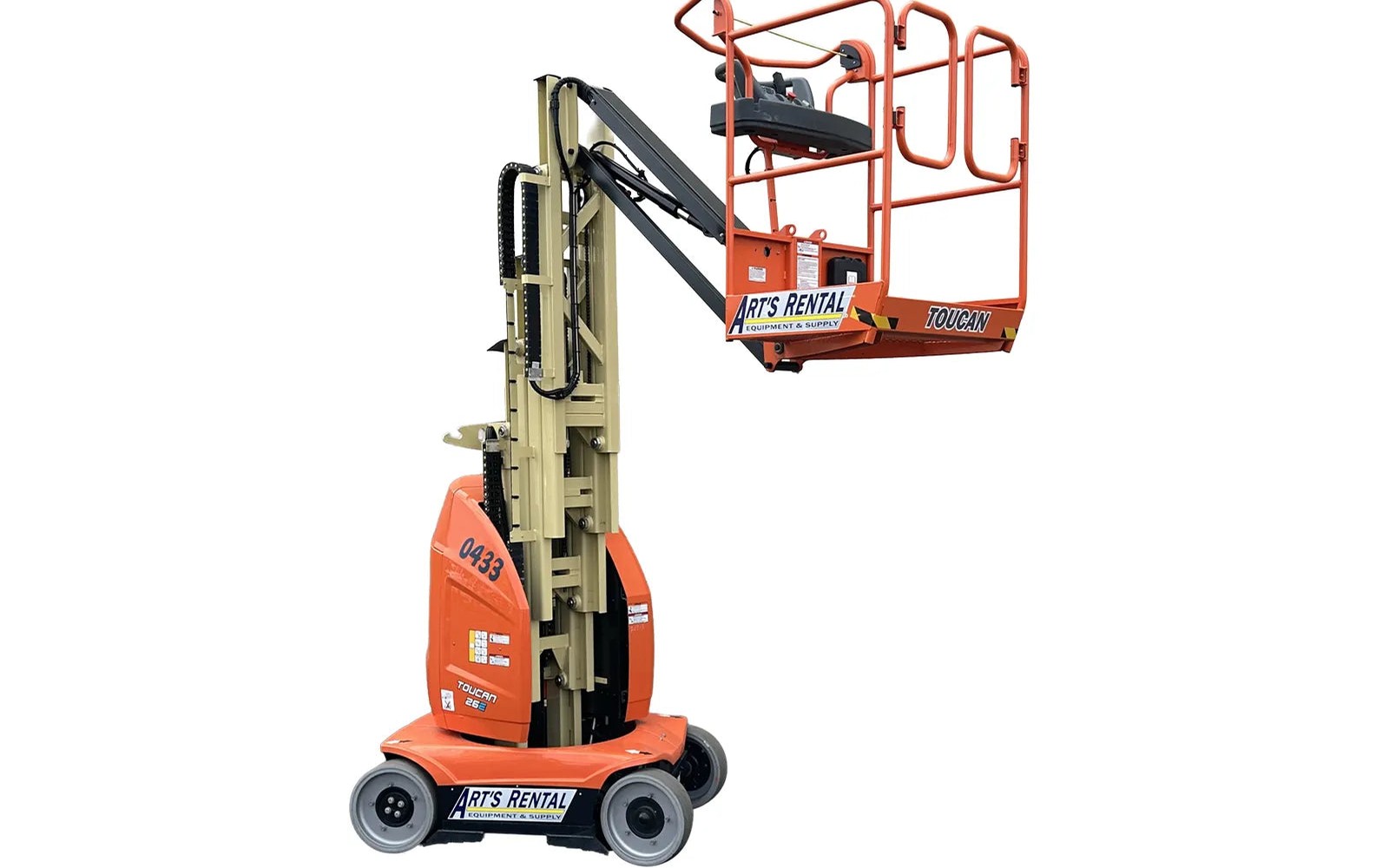
Low Level Access Lift
Common questions
Answers from the desk.

Can I finance an 80-foot boom for a single long-duration project and then sell it?

Yes. Project buy-and-sell is a legitimate strategy on 80-foot booms. You finance the purchase, use the machine for the duration of the project (often 12 to 24 months), and sell it after completion. If you maintain the machine well, the residual value on a well-maintained rough-terrain 80-footer is strong enough that the net cost after resale is often less than long-term rental would have been.

What's the typical used market price for an 80-foot boom with around 4,000 hours?

At 4,000 hours, a major-brand rough-terrain 80-foot boom in good mechanical condition typically trades in the $45k to $80k range depending on the manufacturer, specific model, and current condition. That's still financeable, though the loan amount reflects the lower current value rather than the machine's original cost.

Do you finance 80-foot booms for bridge maintenance crews?

Yes. Bridge inspection and maintenance crews are buyers of 80-foot class telescopic booms. The business type is not a barrier. We look at the revenue, the contracts, and the asset. A bridge maintenance contractor with a state or municipal service contract is a solid credit profile in our book.

How much down payment do I need on a used 80-foot boom?

For strong-credit deals on well-priced machines, we often close with no money down. challenged credit profiles typically require 10 to 20 percent. Older machines or machines with higher hours may require more because the loan-to-value ratio is tighter at lower asset values.

Can I trade in an older 60-foot boom as part of an 80-foot boom purchase?

Trade-in structures are possible in some cases but depend on the lender and the specific deal. More commonly, we help operators sell or refinance the old unit separately and fund the new purchase as a fresh transaction. Call us with both sides of the deal and we'll map the cleanest path.

Common Questions on 80 ft Boom Lift Financing

Straight answers before you send the equipment file.

Can I finance an 80-foot boom for a single long-duration project and then sell it?

Yes. Project buy-and-sell is a legitimate strategy on 80-foot booms. You finance the purchase, use the machine for the duration of the project (often 12 to 24 months), and sell it after completion. If you maintain the machine well, the residual value on a well-maintained rough-terrain 80-footer is strong enough that the net cost after resale is often less than long-term rental would have been.

What's the typical used market price for an 80-foot boom with around 4,000 hours?

At 4,000 hours, a major-brand rough-terrain 80-foot boom in good mechanical condition typically trades in the $45k to $80k range depending on the manufacturer, specific model, and current condition. That's still financeable, though the loan amount reflects the lower current value rather than the machine's original cost.

Do you finance 80-foot booms for bridge maintenance crews?

Yes. Bridge inspection and maintenance crews are buyers of 80-foot class telescopic booms. The business type is not a barrier. We look at the revenue, the contracts, and the asset. A bridge maintenance contractor with a state or municipal service contract is a solid credit profile in our book.

How much down payment do I need on a used 80-foot boom?

For strong-credit deals on well-priced machines, we often close with no money down. challenged credit profiles typically require 10 to 20 percent. Older machines or machines with higher hours may require more because the loan-to-value ratio is tighter at lower asset values.

Can I trade in an older 60-foot boom as part of an 80-foot boom purchase?

Trade-in structures are possible in some cases but depend on the lender and the specific deal. More commonly, we help operators sell or refinance the old unit separately and fund the new purchase as a fresh transaction. Call us with both sides of the deal and we'll map the cleanest path.
Get Terms on 80 ft Boom Lift Financing

Tell us what you are buying, who is selling it, and when you need it earning. We will review the file and point you to the next step.

Get Loan Terms →Call (713) 375-4374