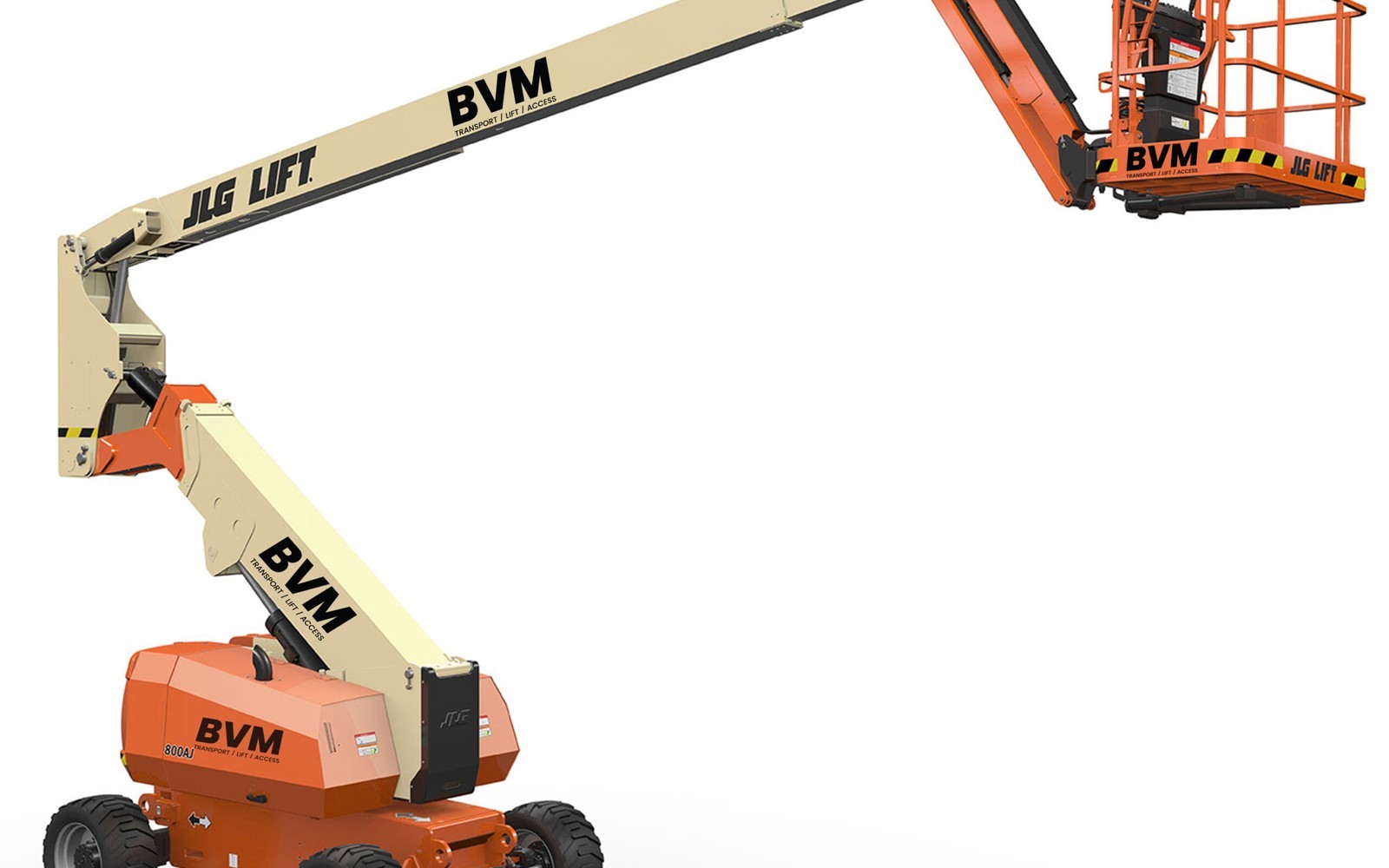
Manufacturing & Industrial Plants

Manufacturing & Industrial Plants

Industries We Serve / Manufacturing & Industrial Plants

Manufacturing & Industrial Plants

Aerial lift financing for manufacturing and industrial plants. Scissor lifts, boom lifts, and fleet deals for maintenance, installation, and production support.

Approval is more than a credit score.

Tree Care And Arborists
  • Priced on the asset — deck height, hours, and resale strength carry the file.
  • Application-only up to $500,000 — financials stay in the drawer.
  • New, used, dealer, auction, or private party — all fundable.
  • Startups and challenged credit get structure, not a form rejection.
Window Cleaning And Glazing

Every overhead conveyor line, every mezzanine sprinkler head, every industrial lighting fixture that burns out at 22 feet is a maintenance call that needs a platform to resolve it. In a manufacturing plant, aerial equipment is not an occasional rental; it's a facility resource that earns every week. The downtime cost when you're waiting two days for a rental yard to deliver a unit on a breakdown call is real money that shows up in production metrics. Plants that own their lifts solve that problem before it happens.

We fund aerial lifts for manufacturing facilities, industrial plant operators, and the maintenance contractors who service them. $50k minimum, deals close in about one to two weeks. A manufacturing plant or its capital equipment subsidiary purchasing lifts for ongoing facility use often qualifies for a straightforward equipment loan or a dollar-buyout lease depending on how the tax and accounting team wants to treat the asset.

The lift fleet inside a plant has to match the facility's clearances, floor ratings, and access points. A four-story automotive components plant with 35-foot ceiling height, 12-foot aisle width, and finished epoxy floors needs a different spec than an open-bay metal fabrication building with dirt-compacted floors and no ceiling. Getting the spec right before the purchase is as important as getting the deal closed.

Equipment Rental Companies
Common Platform Configurations in Manufacturing

Common Platform Configurations in Manufacturing

Slab electric scissors dominate indoor manufacturing maintenance. They run clean, recharge overnight, and fit in standard-width aisles. A 32-foot electric scissor covers most ceiling heights in light manufacturing; a 40-foot unit goes into high-bay facilities like auto assembly plants, distribution centers with multilevel racking, and food processing facilities with tall process equipment. Non-marking tires and low-floor-load spreads are available on most models and should be specified if the floor type requires it.

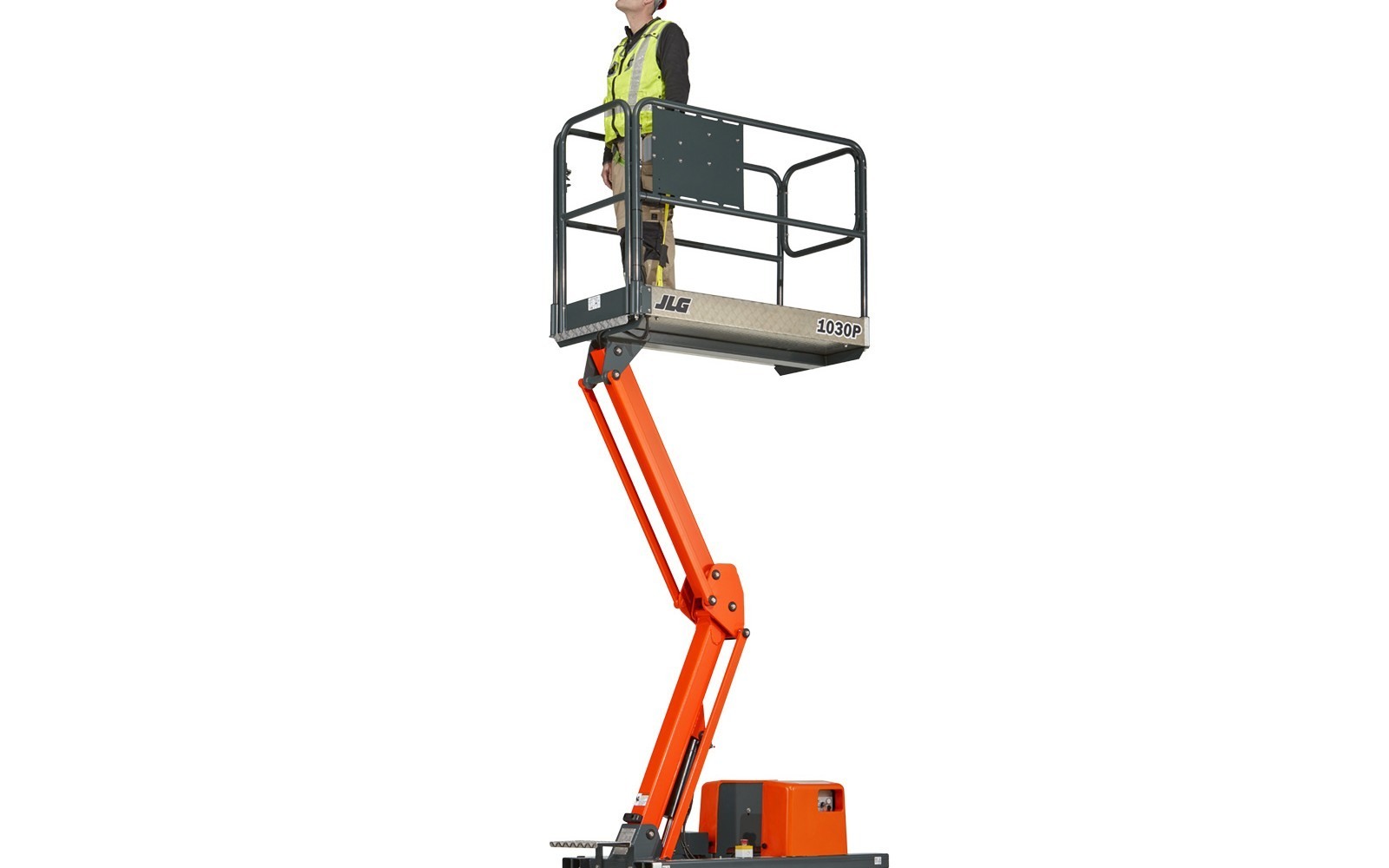
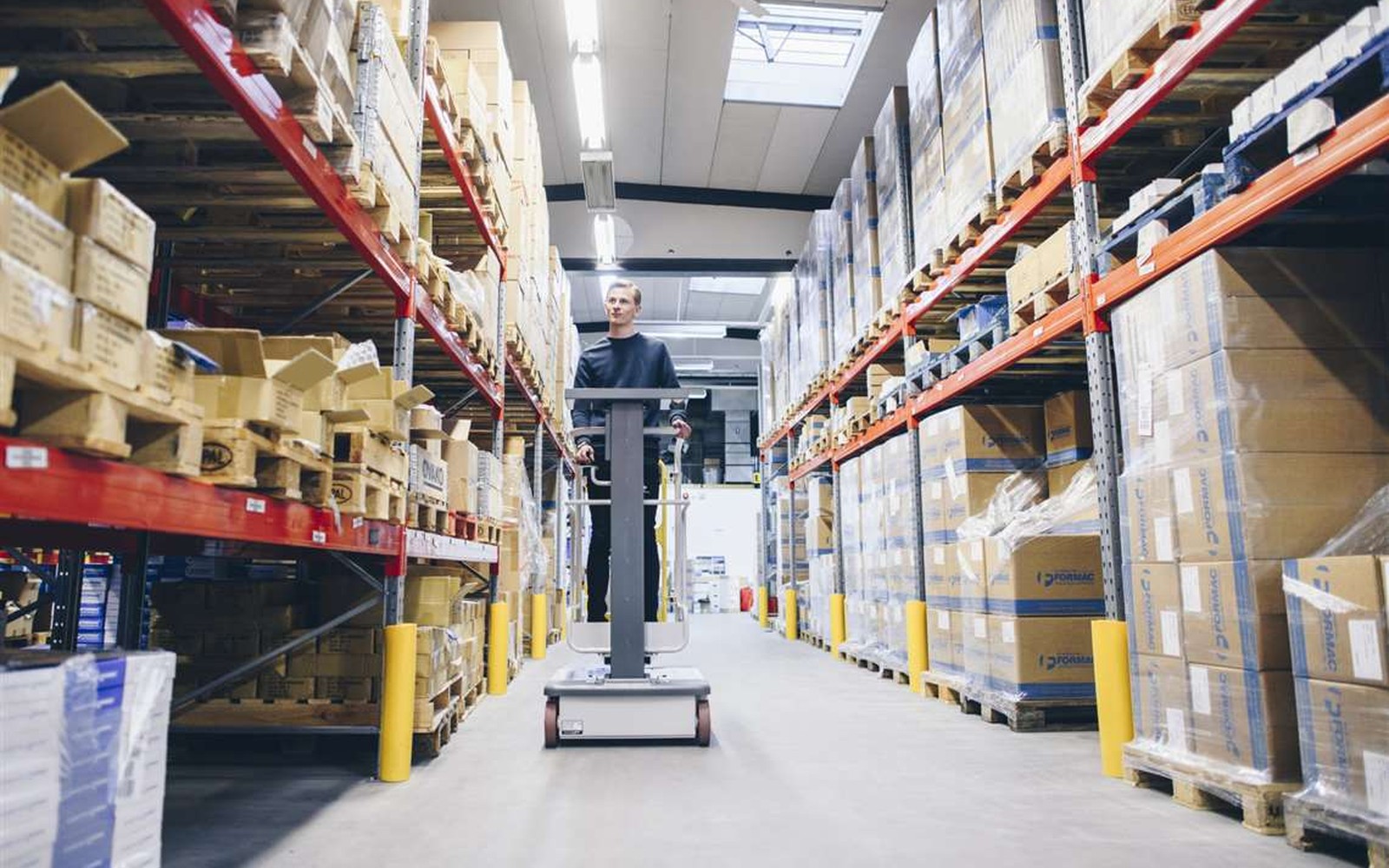
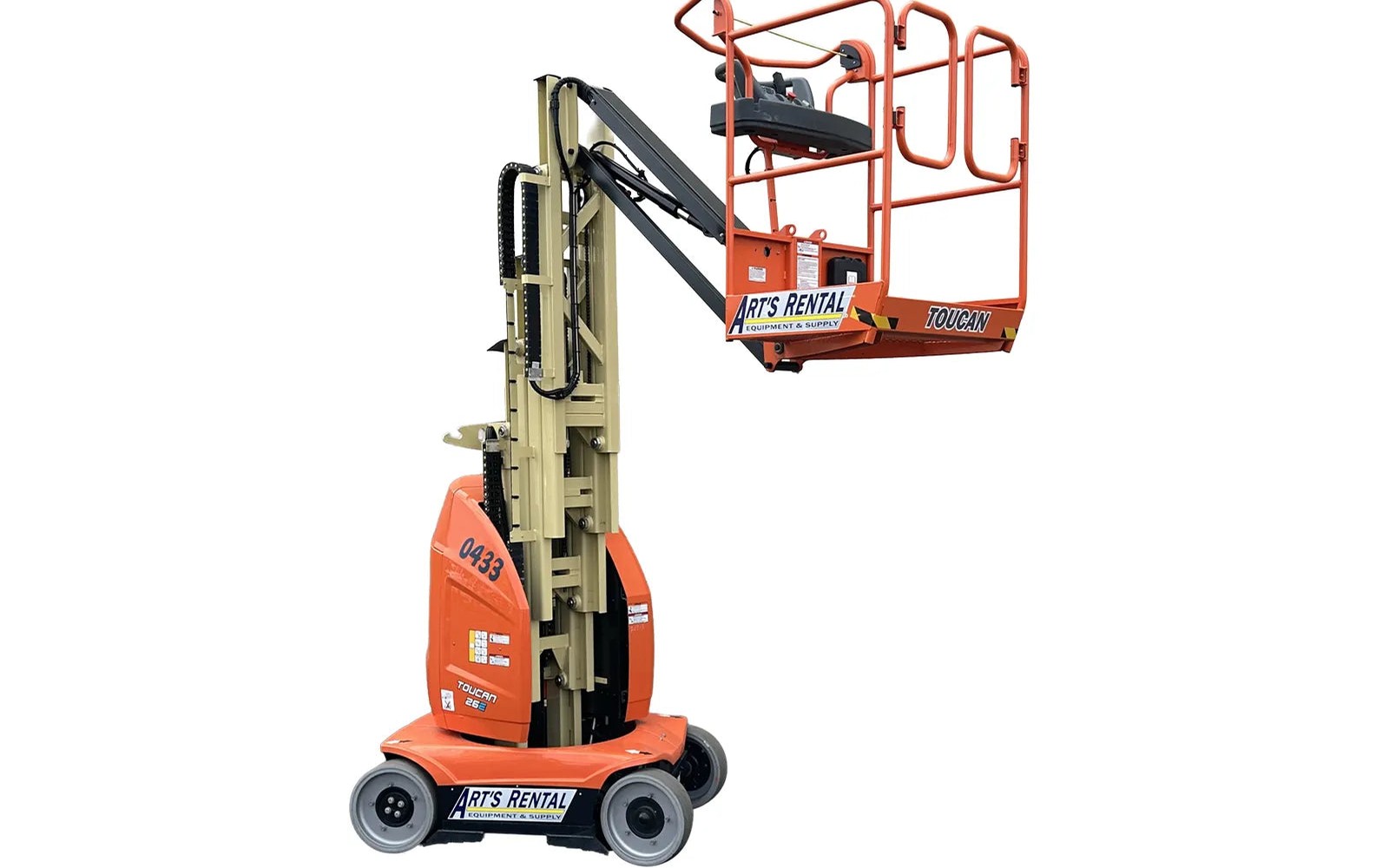
Narrow-aisle configurations matter in plants with dense equipment layouts. A narrow-aisle scissor lift can work in aisles too tight for a standard-width platform without requiring aisle realignment or equipment repositioning. For facilities with very tight overhead constraints and low-duty access needs, a mast lift or vertical mast gives a single technician a compact, low-profile platform that fits in spaces a scissor can't.

Rough-terrain units go to plants with outdoor yards, expansion areas under construction, or facilities with unmaintained floor surfaces in secondary buildings. A diesel rough-terrain scissor or rough-terrain boom lift handles those environments without the ground-pressure limitations of a slab machine. Outdoor maintenance tasks, rooftop HVAC servicing, and above-dock level access on loading aprons all belong to the RT fleet.

Plants buying multiple units in different configurations can structure a single fleet deal. We size the transaction to the total order, apply one credit review, and fund the whole package together. This is common for facility maintenance contracts where a new operator takes over a plant and needs to outfit the maintenance department from scratch.

General Contractors
How the Purchase Works

How the Purchase Works

For a direct corporate purchase by the manufacturing facility, we need the business entity's information, three months of business bank statements, and the equipment quote. Large facilities may have an existing banking relationship that can handle this, but we compete on speed and flexibility rather than rate, and most plants find that our two-week timeline beats the six-to-eight weeks a commercial bank takes for the same transaction.

For independent maintenance contractors who work a plant on a service contract and need their own equipment, the deal works the same as any contractor purchase. The contractor's business financials drive the underwrite, not the plant's. We work with independent MRO contractors regularly, including those working on subcontract to larger facility management firms.

Section 179 expensing is worth flagging for any manufacturer purchasing lifts before December 31. The full purchase price of qualifying equipment placed in service in the tax year can often be deducted against business income. A $100k scissor lift purchased in November and placed in service before year-end can be a significant tax event. Work with your accountant on the specifics; we can close fast to hit a deadline if needed.

For facilities that already own aging lift fleets, cash-out refinancing on existing units is worth evaluating. If the units are paid off or nearly paid off, pulling equity out gives the facility capital to fund other equipment purchases or maintenance projects without a full cash outlay.

Low Level Access Lift
Common questions
Answers from the desk.

Our plant has a 30-ton floor loading limit in some areas. Can we finance a unit light enough to work there?

Floor loading is a spec question, not a financing question. We finance what you specify. Many scissor lift manufacturers publish floor-load data and can configure units with foam-filled tires and wider load-spread footplates to reduce point loading. Source the unit that meets your floor spec, confirm it with your facility engineer, and bring us the quote. We fund the deal.

We're a maintenance contractor with a three-year plant service contract. Can that contract support the loan?

The contract is useful supporting context for underwriting, but it's not the primary driver. We underwrite on the business's cash flow as shown on bank statements. If the contract represents a significant portion of your revenue and it shows in the deposits, that's a strong story. Bring three months of statements and the contract if you have it; the underwriter will take both into account.

Can we refinance three lifts we already own to pull cash for a new contract mobilization?

Yes. Cash-out refinancing on owned equipment works when the units have value that exceeds any remaining balance. We appraise the units, pay off any existing liens, and give you the remaining equity as cash. The equipment stays on your floor; the cash funds whatever you need. Call to discuss the units you own and what they'd likely appraise for.

We want to buy used lifts from the plant we're taking over a maintenance contract at. They're selling their fleet.

Private-party purchases from the facility operator work as long as the titles are clean and the units are in working condition. We'll need serial numbers, condition information, and the seller's invoice. A plant selling its own fleet typically has maintenance records, which helps the underwrite on higher-hour units. The one wrinkle is that we can't finance the purchase if you're also acquiring the plant itself in the same transaction; the lift deal has to be separate.

Common Questions on Manufacturing & Industrial Plants

Straight answers before you send the equipment file.

Our plant has a 30-ton floor loading limit in some areas. Can we finance a unit light enough to work there?

Floor loading is a spec question, not a financing question. We finance what you specify. Many scissor lift manufacturers publish floor-load data and can configure units with foam-filled tires and wider load-spread footplates to reduce point loading. Source the unit that meets your floor spec, confirm it with your facility engineer, and bring us the quote. We fund the deal.

We're a maintenance contractor with a three-year plant service contract. Can that contract support the loan?

The contract is useful supporting context for underwriting, but it's not the primary driver. We underwrite on the business's cash flow as shown on bank statements. If the contract represents a significant portion of your revenue and it shows in the deposits, that's a strong story. Bring three months of statements and the contract if you have it; the underwriter will take both into account.

Can we refinance three lifts we already own to pull cash for a new contract mobilization?

Yes. Cash-out refinancing on owned equipment works when the units have value that exceeds any remaining balance. We appraise the units, pay off any existing liens, and give you the remaining equity as cash. The equipment stays on your floor; the cash funds whatever you need. Call to discuss the units you own and what they'd likely appraise for.

We want to buy used lifts from the plant we're taking over a maintenance contract at. They're selling their fleet.

Private-party purchases from the facility operator work as long as the titles are clean and the units are in working condition. We'll need serial numbers, condition information, and the seller's invoice. A plant selling its own fleet typically has maintenance records, which helps the underwrite on higher-hour units. The one wrinkle is that we can't finance the purchase if you're also acquiring the plant itself in the same transaction; the lift deal has to be separate.
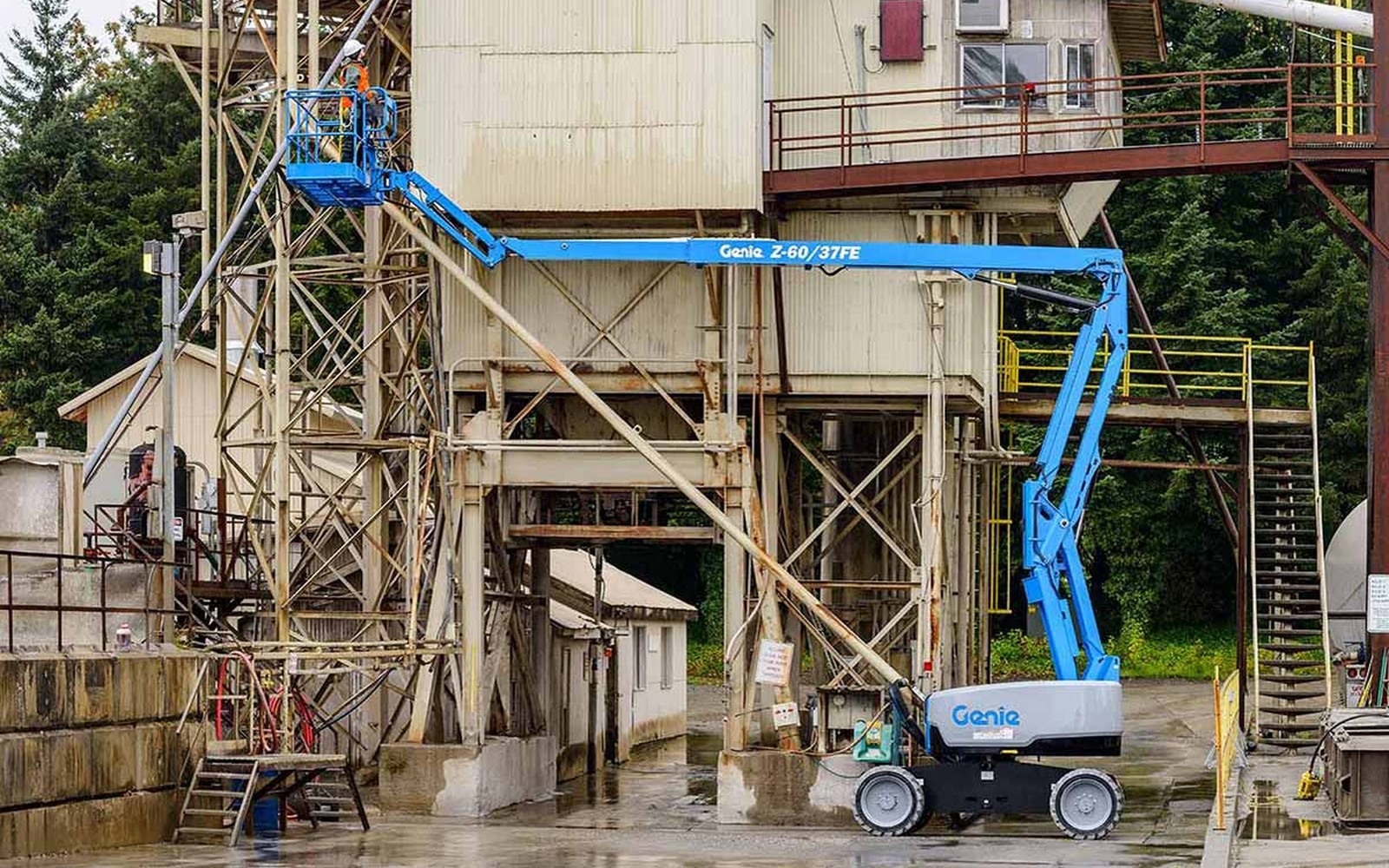
Get Terms on Manufacturing & Industrial Plants

Tell us what you are buying, who is selling it, and when you need it earning. We will review the file and point you to the next step.

Get Loan Terms →Call (713) 375-4374