Answers from the desk.
Is a 40-foot scissor lift or a 40-foot boom lift better for my job?
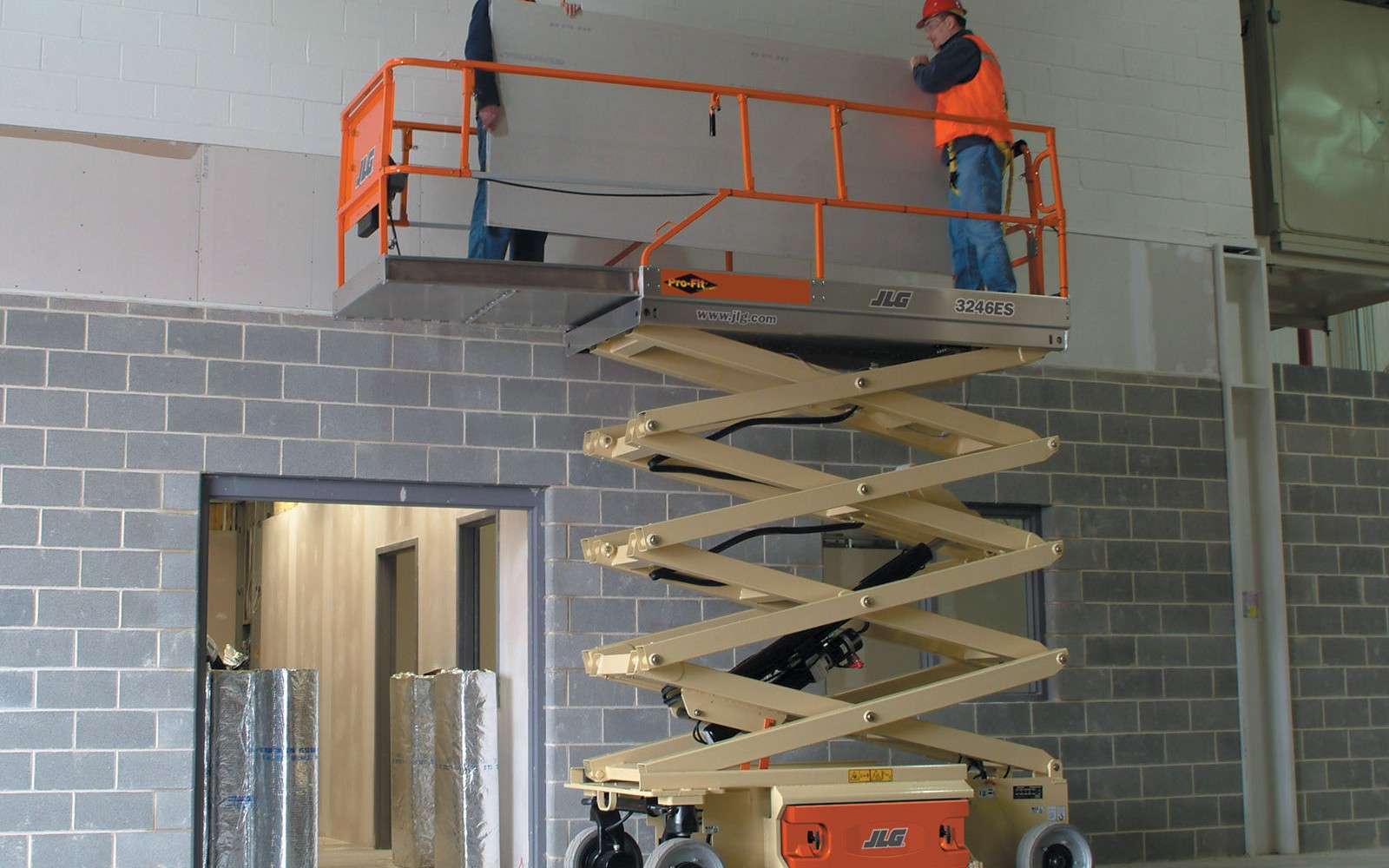
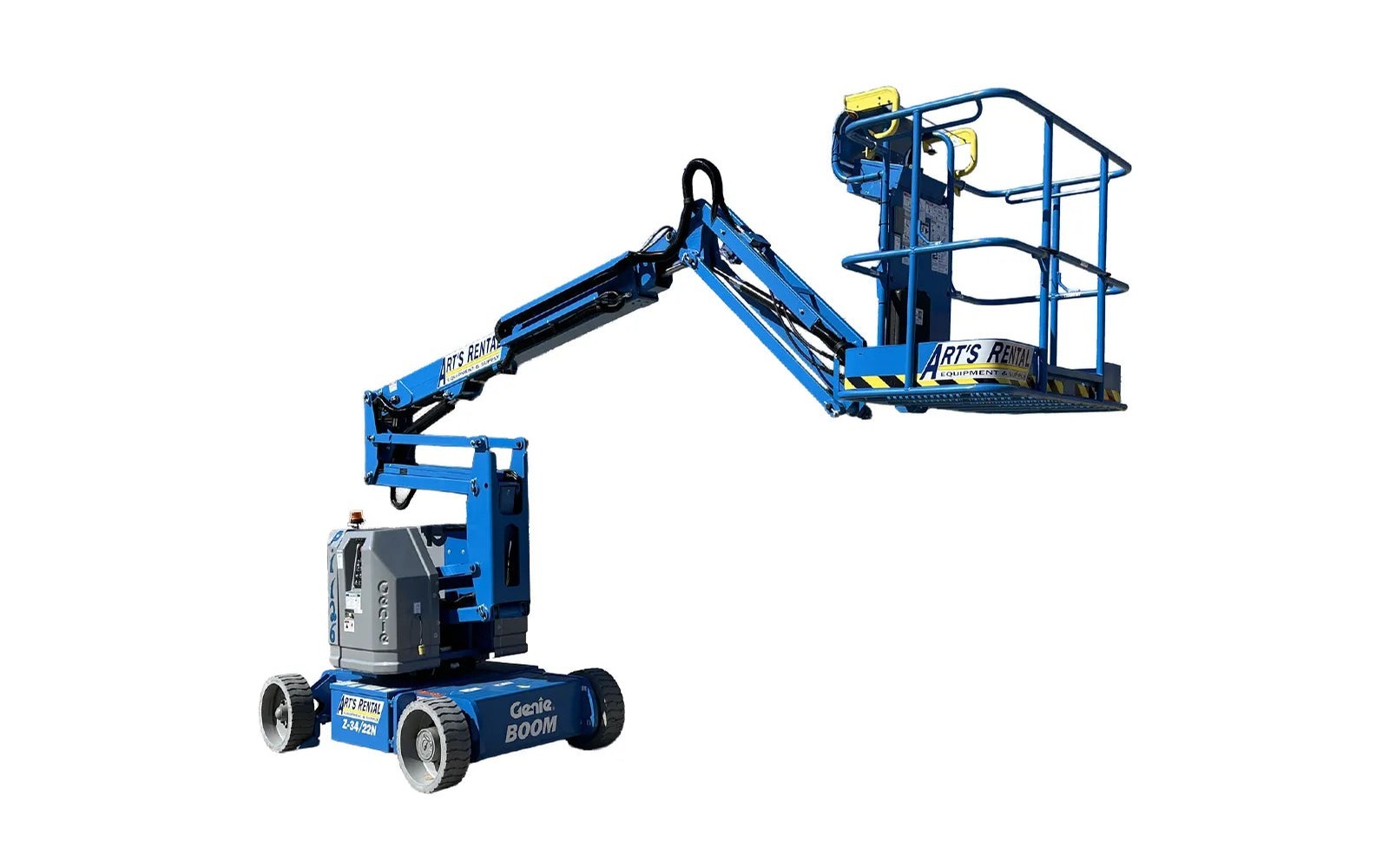
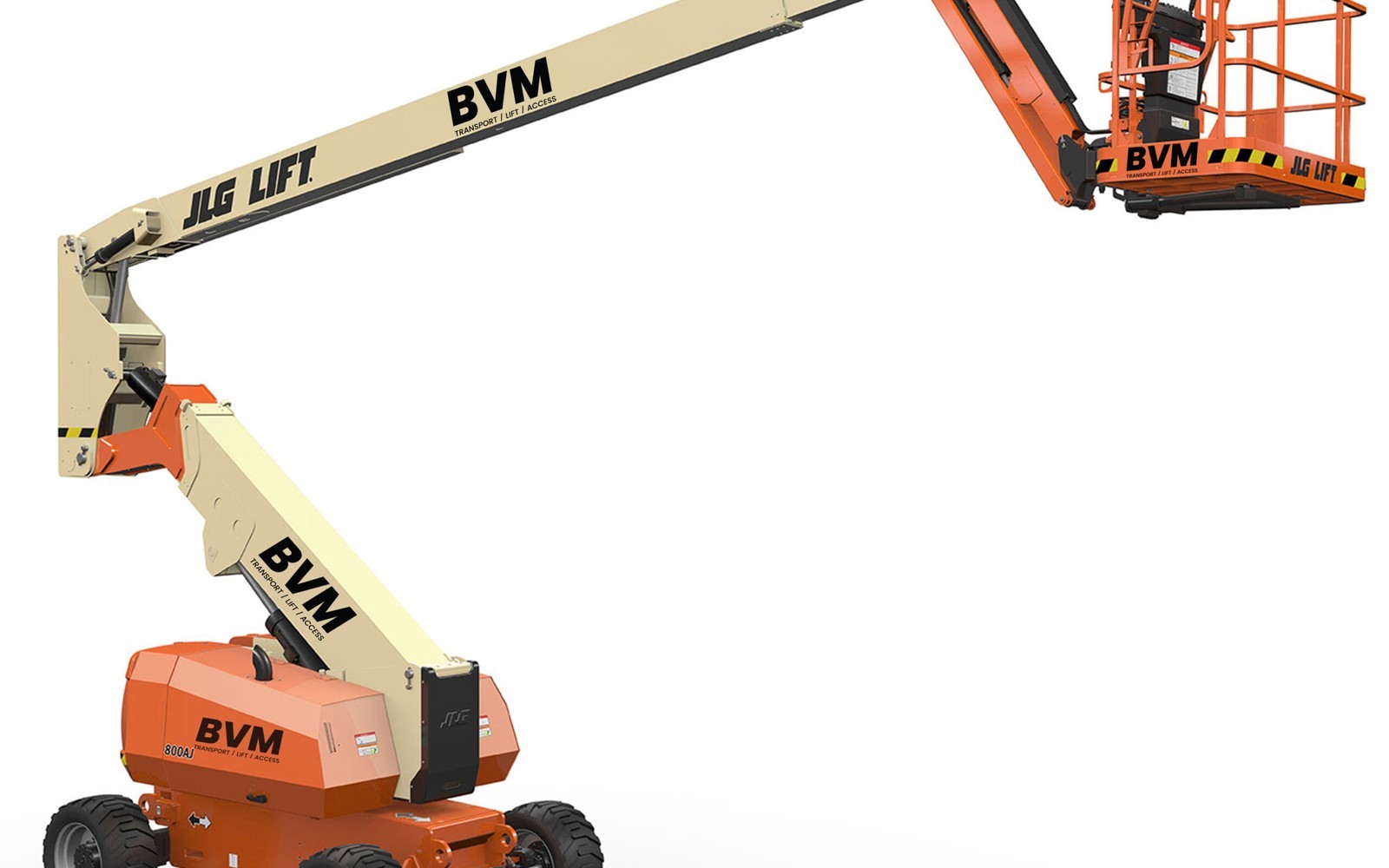
It depends on the work. A scissor positions directly under the work and holds a larger platform with more capacity. A boom can reach over obstacles and approach from an angle. For straight-up work directly under the load, the scissor is often faster. For work that requires reaching around columns, over parapets, or at an angle, the boom is the better tool. Many contractors own both.
Can I finance a Genie GS-4390 RT from a private seller?
Yes. Private-party purchases of used RT scissors are handled the same as dealer purchases. We need a bill of sale, equipment documentation (serial number, year, hours), and three months of bank statements. The deal structure is the same.
What happens if the machine breaks down during a job and I can't make a payment?
Your lender doesn't adjust payments for equipment downtime. What protects you is carrying equipment breakdown insurance, which we can discuss at deal time, and having a service contract in place. If a financial hardship issue arises independently, contact your lender directly; most work with borrowers on short-term issues rather than accelerating the debt.
Do I need a CDL to transport a 40-foot RT scissor?
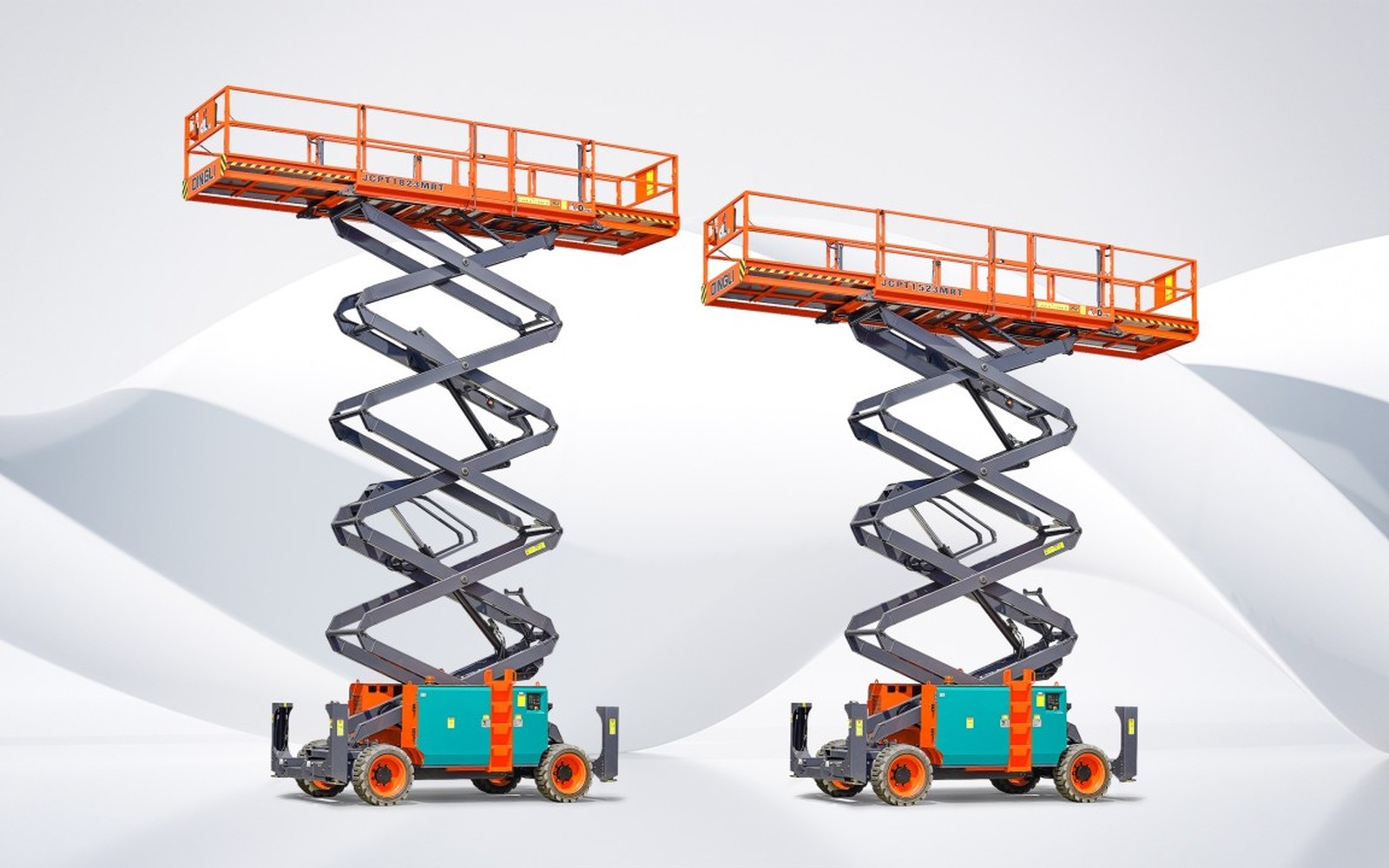
A 40-foot RT scissor weighs 17,000 to 20,000 pounds. Combined with a trailer, that can push into CDL territory depending on trailer weight and GVWR configuration. Check your specific haul configuration against your state's CDL threshold, which is generally 26,001 lbs GCVWR. We don't require CDL documentation for financing.
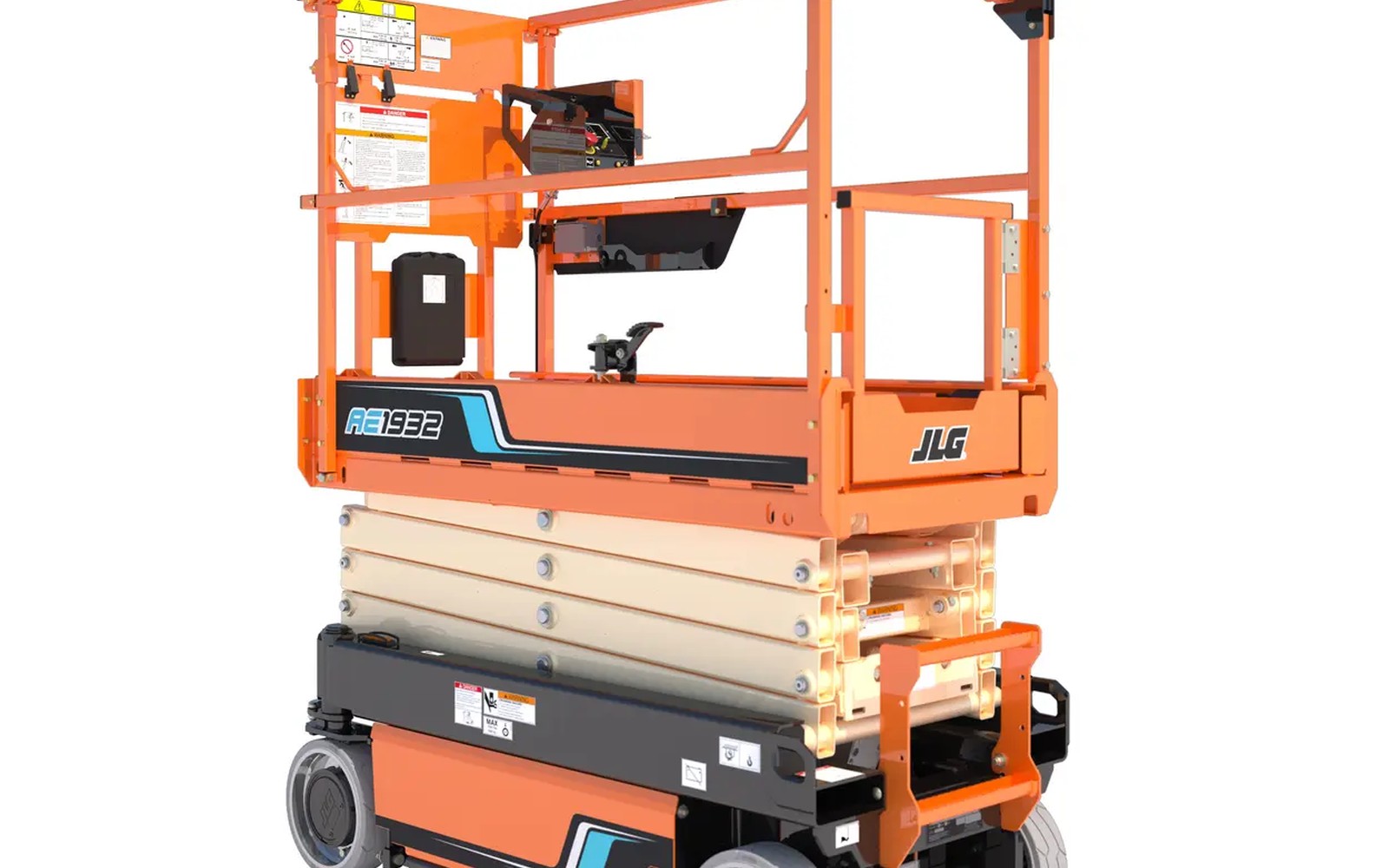
Can I finance a 40-foot scissor and a smaller electric scissor in the same deal?
Yes. Mixed-type deals pairing a 40-foot RT with one or more slab electrics are common for contractors outfitting a mixed-use fleet. We present one approval for the full order.