Answers from the desk.
How is a crawler boom lift transported between job sites?
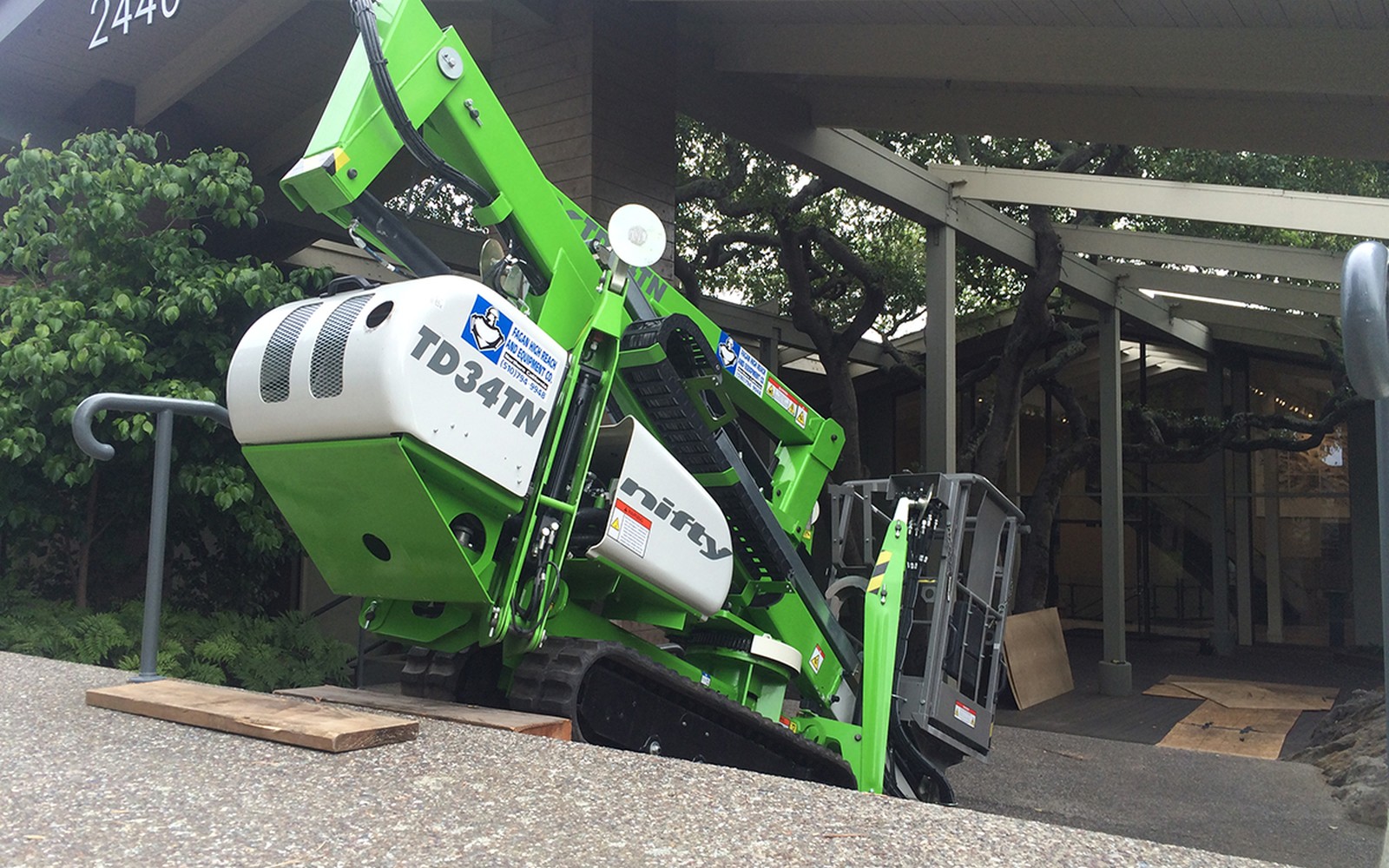
Crawler booms are typically transported on a low-boy or tilt-deck trailer. The machine does not drive on public roads under its own power. Transport weight varies significantly by model: compact units at 40 to 60 feet weigh roughly 8,000 to 15,000 pounds, while larger high-reach models can exceed 30,000 pounds. Verify the unit weight against your trailer rating and route permits before purchase.
Can I finance a crawler boom with a business that has had a prior equipment repossession?
A prior repossession is a complicating factor but not an automatic disqualifier. We look at how long ago the repossession occurred, what the current operating picture looks like, and whether the deal structure (down payment, shorter term, lower advance rate) can be built to account for the additional risk. It is a conversation, not a door-close.
Are rubber-tracked and steel-tracked crawler booms financed differently?
No. The financing structure is the same regardless of track type. The difference in value between rubber and steel track versions may affect the loan amount, but the documentation, process, and timeline are identical.
What maintenance items most affect the value of a used crawler boom?
Track condition and drive motor health are the primary value drivers. Worn tracks, stretched chain, or damaged drive motors are expensive to replace and significantly reduce market value. The boom hydraulic cylinders and seals are the second concern. Ask for service records specifically covering track and hydraulic maintenance before committing to a used purchase.
Can I roll in delivery and transport costs when I finance a crawler boom?
Often yes. Freight, delivery, and first-service costs can typically be included in the financed amount when they're invoiced as part of the equipment purchase. This is common on crawler booms that are shipping from a distant dealer or manufacturer and where delivery costs are substantial.