Telecom & Tower Crews

Telecom & Tower Crews

Industries We Serve / Telecom & Tower Crews

Telecom & Tower Crews

Aerial lift financing built for telecom and tower crews. Articulating booms, spider lifts, and towable units for cell tower, fiber, and broadband contractors.

Approval is more than a credit score.

Telecom And Tower Crews
  • Priced on the asset — deck height, hours, and resale strength carry the file.
  • Application-only up to $500,000 — financials stay in the drawer.
  • New, used, dealer, auction, or private party — all fundable.
  • Startups and challenged credit get structure, not a form rejection.
Warehouse And Distribution

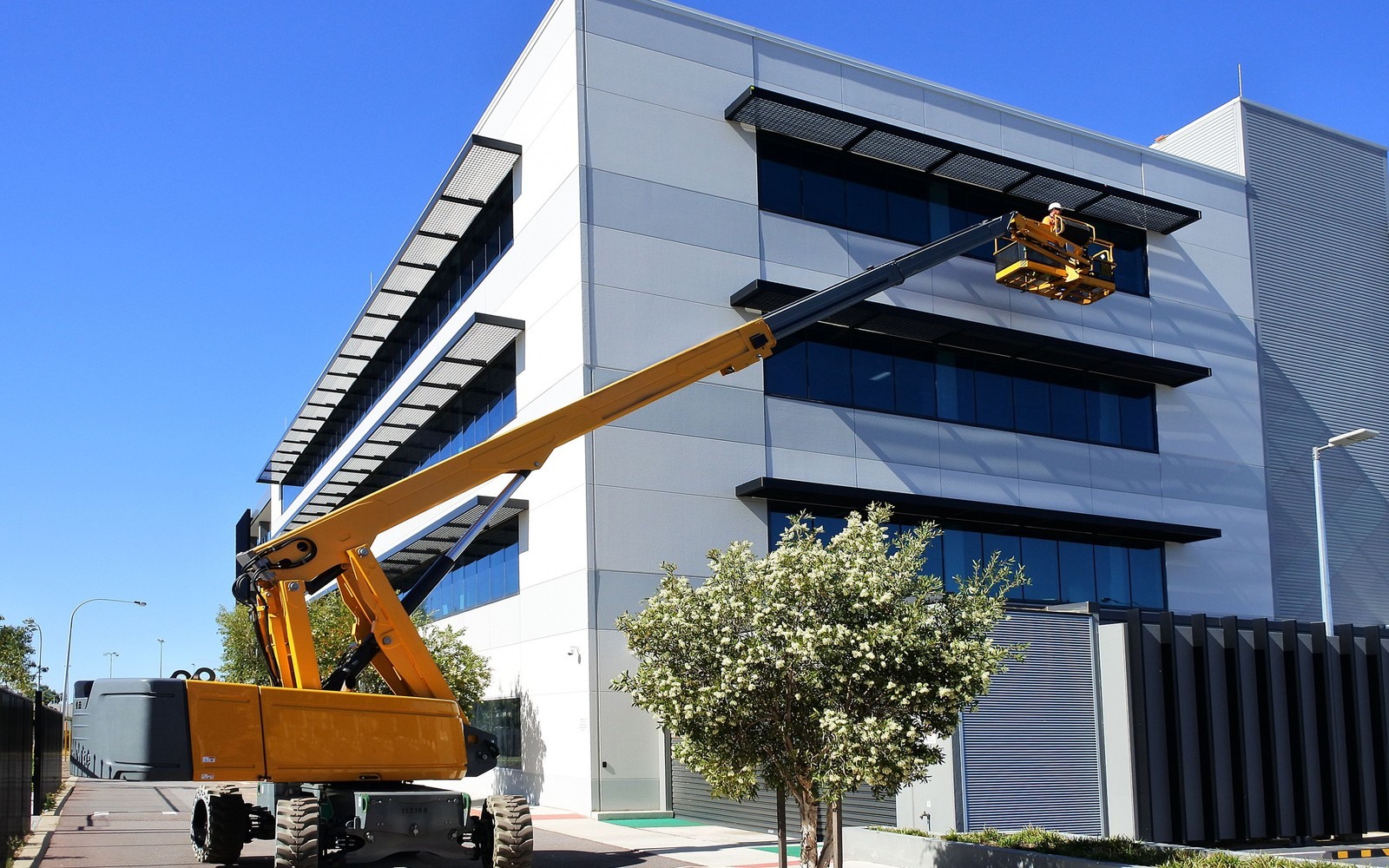
A cell tower sector swap happens at height. The crew doesn't drive to the job and then figure out access; they show up with the right unit or they lose the day. For tower climbers running fiber-to-the-premises buildouts and small-cell installations, the lift is the job site, not the support equipment. A 60-foot articulating boom with a fiberglass platform parks on a sidewalk and puts two techs at mid-span bracket height without closing the road. A spider lift tracks through a utility easement where no truck boom can reach. The unit either pencils out on utilization or it doesn't go on the rate card.

We fund aerial equipment for telecom contractors, tower crews, and broadband infrastructure subcontractors from $50k up, new or used, credit history weighed against lift value. Most deals close in about one to two weeks. Statement-led review below roughly $400k so you're not waiting on a bank's document request while the carrier pushes the launch window forward.

Telecom construction moves in waves. A 5G densification contract can spin up 40 small-cell locations in a metro in 60 days, then go quiet for a quarter. A lift lease or a seasonal deferred-payment structure lets the fleet grow with the work cycle without locking every dollar into iron during a slow stretch.

Electrical Contractors
The Equipment Telecom Crews Actually Run

The Equipment Telecom Crews Actually Run

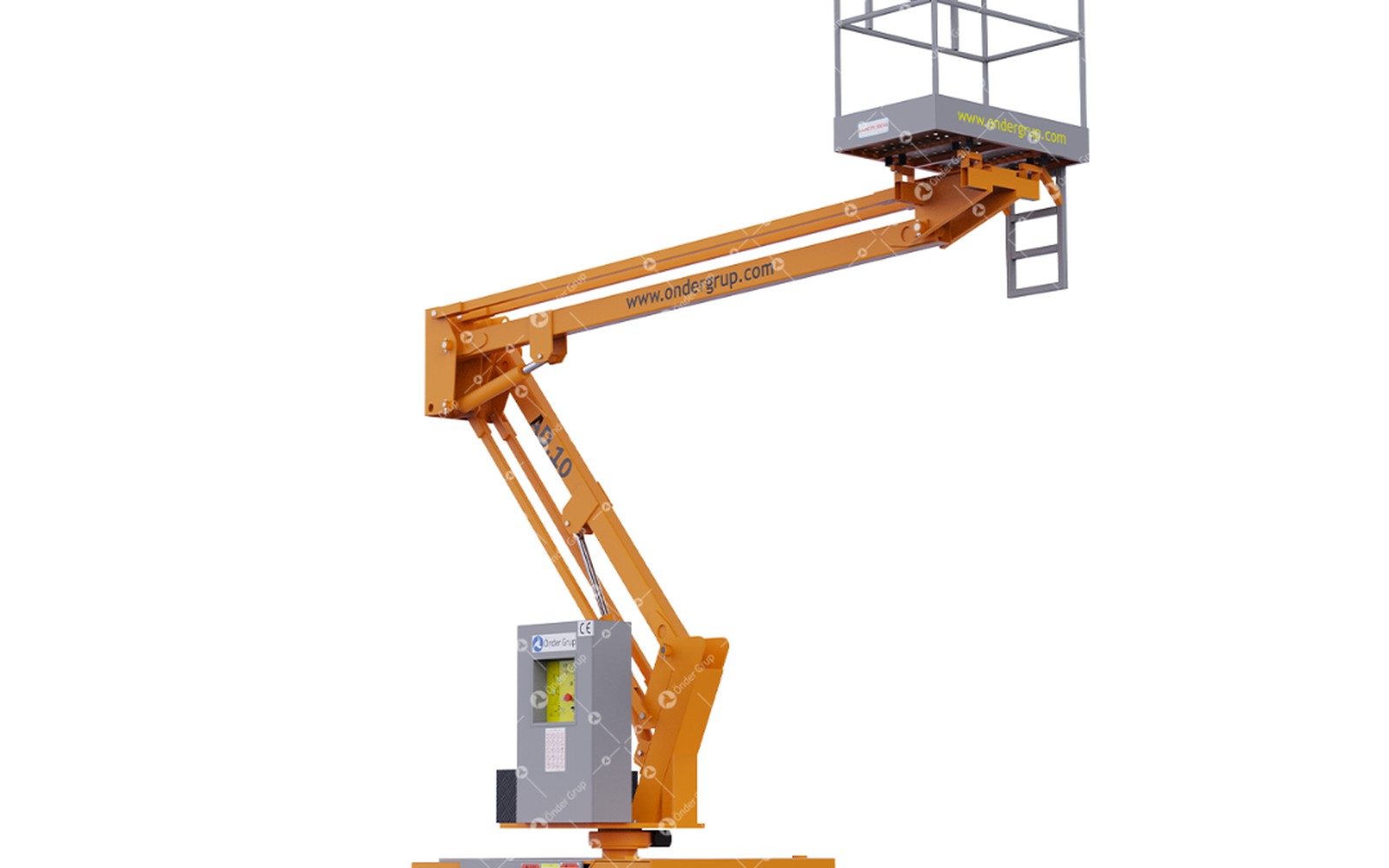
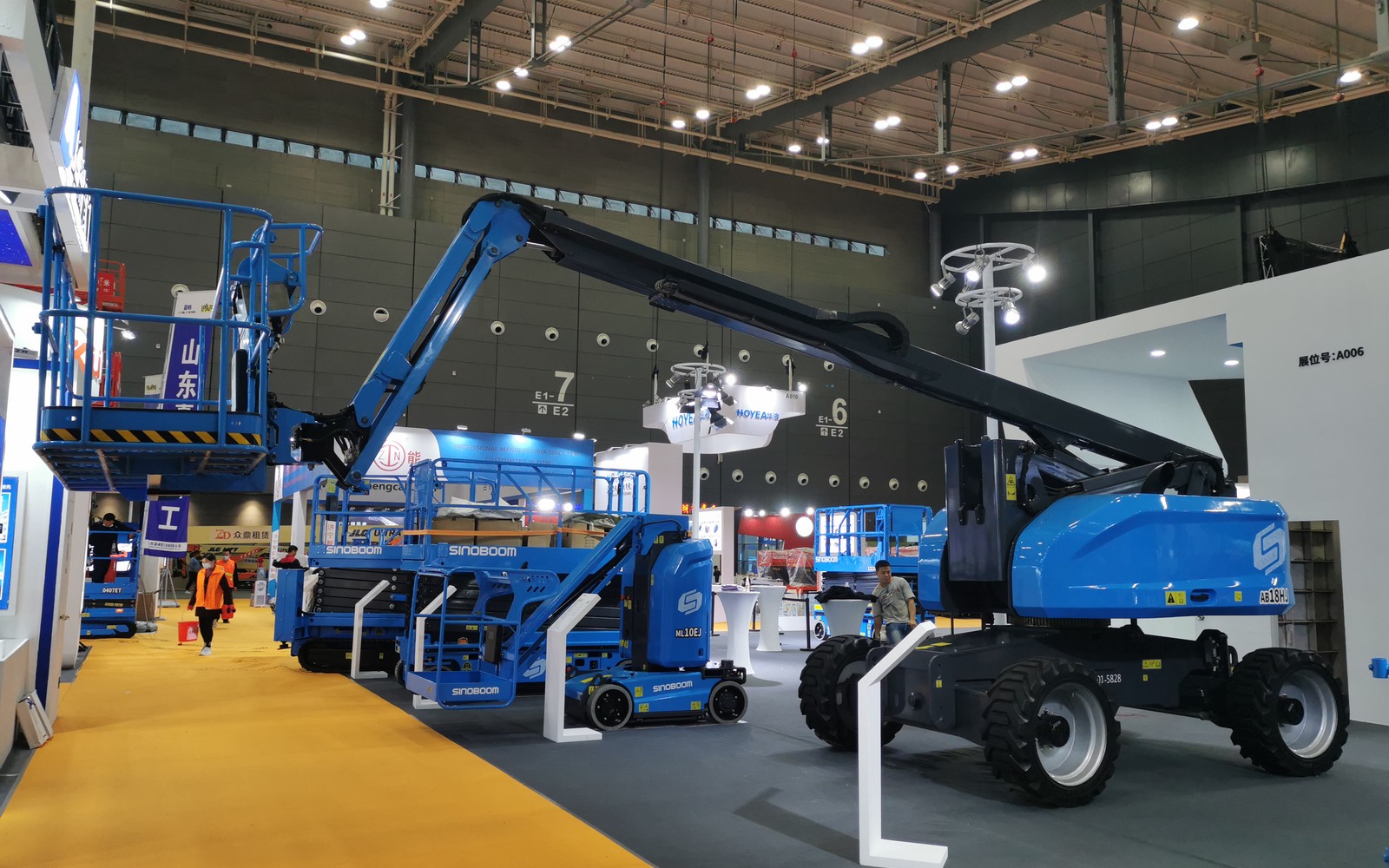
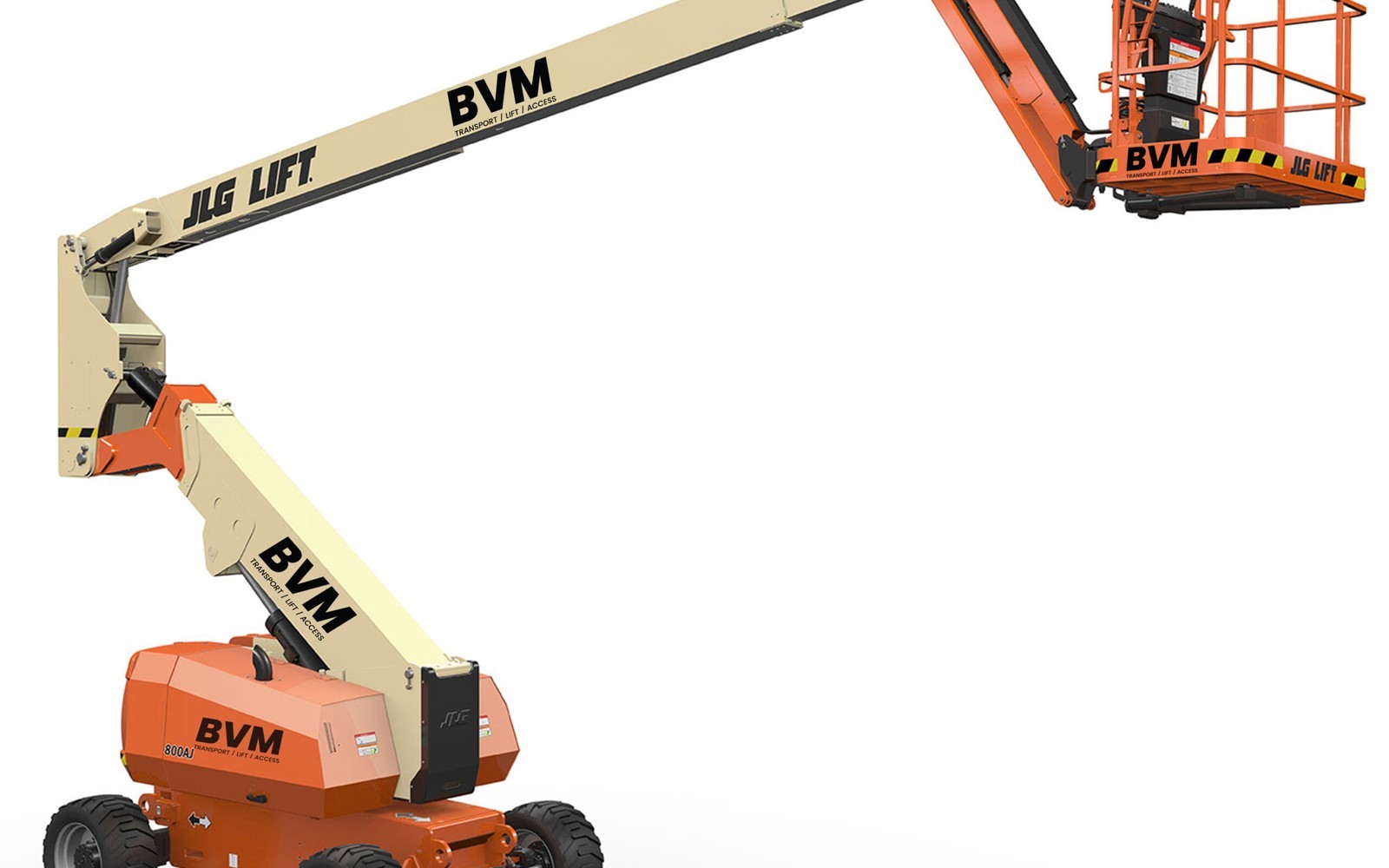
Articulating booms dominate tower-adjacent ground work. A JLG 600AJ reaches 60 feet of working height with 50 feet of horizontal reach, which covers most mid-tier utility pole heights and many small-cell mounting positions without a road closure permit. For tighter urban sites, a spider lift on rubber tracks fits through a 36-inch gate and sets up on a 10-inch grade, making it the right call for rooftop mechanical rooms and campus DAS installations.

Rough-terrain towable booms handle rural fiber routes. A contractor pulling aerial fiber through mountain terrain can tow a unit behind a pickup, set up at a mid-span pole, and reposition in minutes rather than calling in a bucket truck on a four-hour notice. The operating costs per mile of fiber strung are meaningfully lower with an owned unit than with repeated rental pulls over a multi-month contract.

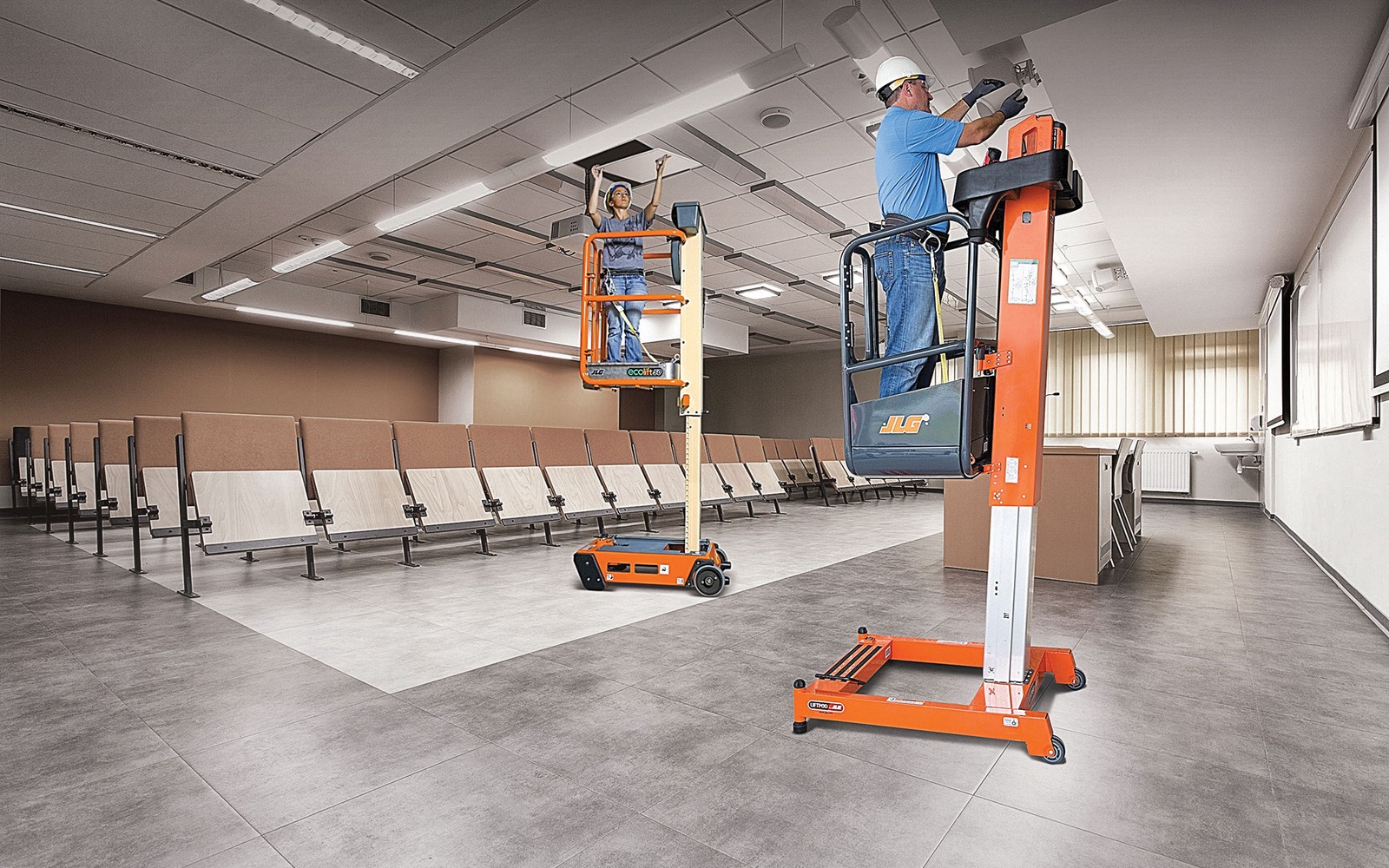
For indoor distributed antenna system (DAS) work in large venues, slab electric scissors in the 26-to-32-foot range run quiet and leave no marks on finished floors. Arenas, convention centers, and airport concourses all require that the platform doesn't mark the deck or require ventilation. Electric scissor lifts are the standard for that work, and a crew running a large DAS project may need six to ten platforms on site simultaneously. We size fleet deals the same way we do single-unit deals, off three months of bank statements, and fund the whole order together.

Film And Event Production
Who Calls Us

Who Calls Us

Tower construction general contractors who hold the carrier contracts and sub to climbing crews. They spec the lifts for the ground portion and need owned iron on the balance sheet to bid competitively without renting every mobilization.

Fiber-optic installation subcontractors working BEAD-funded rural broadband projects. BEAD (Broadband Equity, Access, and Deployment) is pushing billions of dollars into underserved areas through 2025 and 2026; the subcontractors winning those jobs need fleet capacity quickly and often have credit profiles that don't fit a traditional bank's equipment loan box.

Small-cell and DAS integrators running carrier densification contracts in dense urban metros. Their equipment list shifts by project type, so leasing with a defined return or swap option suits them better than a full purchase in many cases. We can structure either way.

Utility locating and underground coordination firms that need topside access for fiber splice closures and ground-mounted cabinet installation. Their lift utilization is moderate but consistent, which makes a purchase with a clean payoff timeline the right structure.

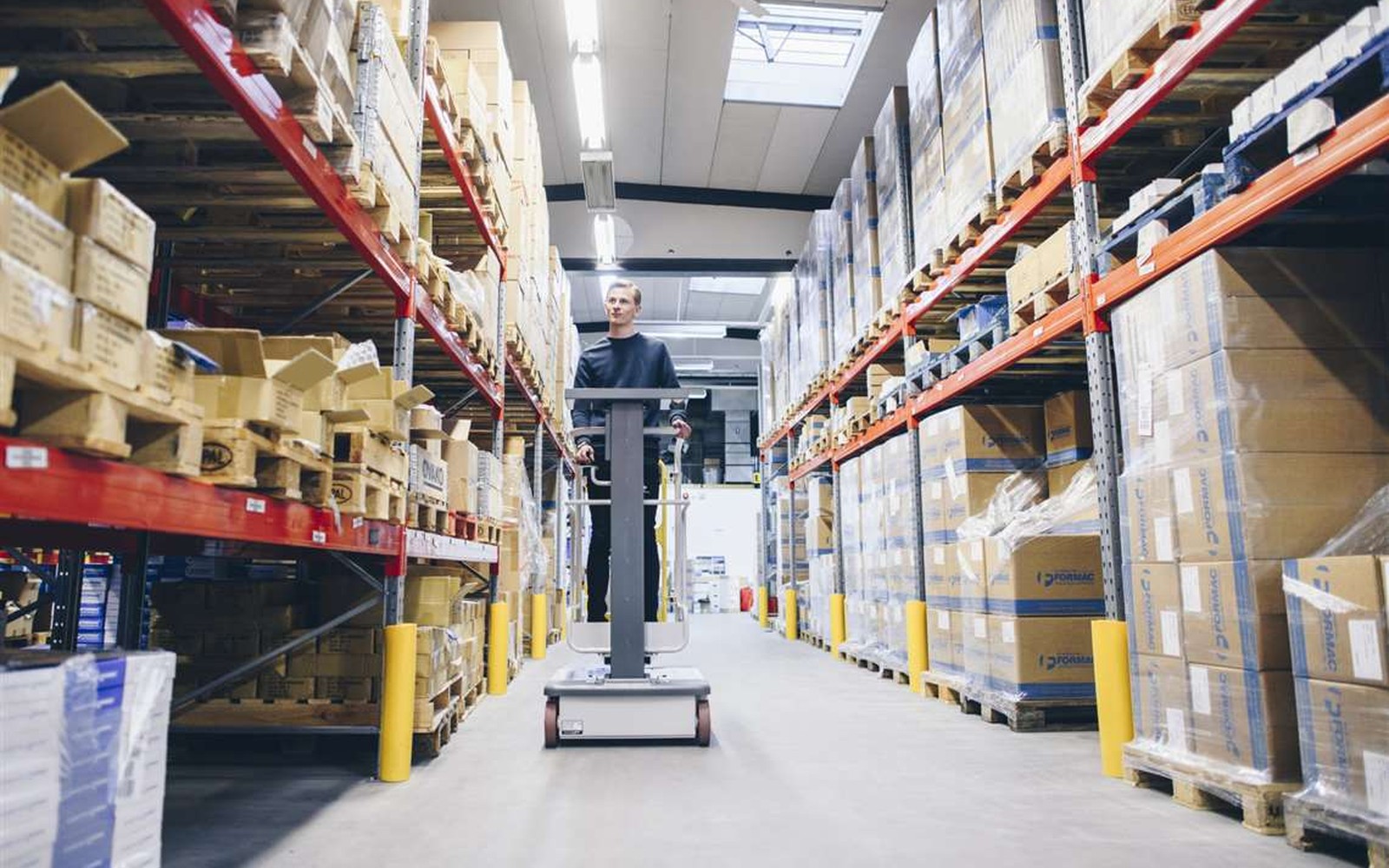
Low Level Access Lift
Common questions
Answers from the desk.

We have a BEAD contract starting in six weeks. Can you fund a used boom lift that fast?

Most straightforward deals close in one to two weeks. Send the application and three months of bank statements alongside the seller's invoice or quote and we'll move the same week. If the unit needs a title search or there's a private-party wrinkle, add a few days, but six weeks is a comfortable runway for a single unit.

Our revenue comes in big milestone payments, not monthly. Does that hurt the underwrite?

Not necessarily. We look at average monthly cash flow over the statement period, and large lump-sum deposits from carrier payment cycles actually show clearly on statements. The underwriter can see the pattern. What matters is that the business has enough throughput to support the payment, not that it arrives in equal monthly installments.

Can we finance multiple units at once for a fleet buildout?

Yes. A fleet deal under $400k still qualifies for application-only treatment. For larger fleet orders we'll want tax returns and possibly financial statements, but we structure the deal as one package, not unit by unit, so the paperwork load is manageable. Tell us the total number of units and the approximate ticket and we'll tell you what the process looks like.

We already own two booms free and clear. Can we pull cash out of those to fund a mobilization?

That's a sale-leaseback. You sell the units to the lender and lease them back, getting the equity as cash while keeping the machines on your sites. It works well as a mobilization bridge when carrier payments are 60 to 90 days out. Call us to discuss the units and we'll assess valuation.

Is a fiberglass platform boom required for telecom work, or will a standard steel platform work?

That depends on the specific task. Fiberglass platforms are required for any work where the technician may contact energized conductors, including utility pole work near live distribution lines. For DAS, fiber splicing, and most small-cell ground work, a standard steel platform is fine. We finance both configurations; just specify what you're buying.

Common Questions on Telecom & Tower Crews

Straight answers before you send the equipment file.

We have a BEAD contract starting in six weeks. Can you fund a used boom lift that fast?

Most straightforward deals close in one to two weeks. Send the application and three months of bank statements alongside the seller's invoice or quote and we'll move the same week. If the unit needs a title search or there's a private-party wrinkle, add a few days, but six weeks is a comfortable runway for a single unit.

Our revenue comes in big milestone payments, not monthly. Does that hurt the underwrite?

Not necessarily. We look at average monthly cash flow over the statement period, and large lump-sum deposits from carrier payment cycles actually show clearly on statements. The underwriter can see the pattern. What matters is that the business has enough throughput to support the payment, not that it arrives in equal monthly installments.

Can we finance multiple units at once for a fleet buildout?

Yes. A fleet deal under $400k still qualifies for application-only treatment. For larger fleet orders we'll want tax returns and possibly financial statements, but we structure the deal as one package, not unit by unit, so the paperwork load is manageable. Tell us the total number of units and the approximate ticket and we'll tell you what the process looks like.

We already own two booms free and clear. Can we pull cash out of those to fund a mobilization?

That's a sale-leaseback. You sell the units to the lender and lease them back, getting the equity as cash while keeping the machines on your sites. It works well as a mobilization bridge when carrier payments are 60 to 90 days out. Call us to discuss the units and we'll assess valuation.

Is a fiberglass platform boom required for telecom work, or will a standard steel platform work?

That depends on the specific task. Fiberglass platforms are required for any work where the technician may contact energized conductors, including utility pole work near live distribution lines. For DAS, fiber splicing, and most small-cell ground work, a standard steel platform is fine. We finance both configurations; just specify what you're buying.
Get Terms on Telecom & Tower Crews

Tell us what you are buying, who is selling it, and when you need it earning. We will review the file and point you to the next step.

Get Loan Terms →Call (713) 375-4374