120 ft Boom Lift Financing

120 ft Boom Lift Financing

Aerial Lifts We Finance / 120 ft Boom Lift Financing

120 ft Boom Lift Financing

Finance 120-foot boom lifts for high-rise, industrial, and tower work. $50k floor, credit history weighed against lift value, statement-led review below the.

Approval is more than a credit score.

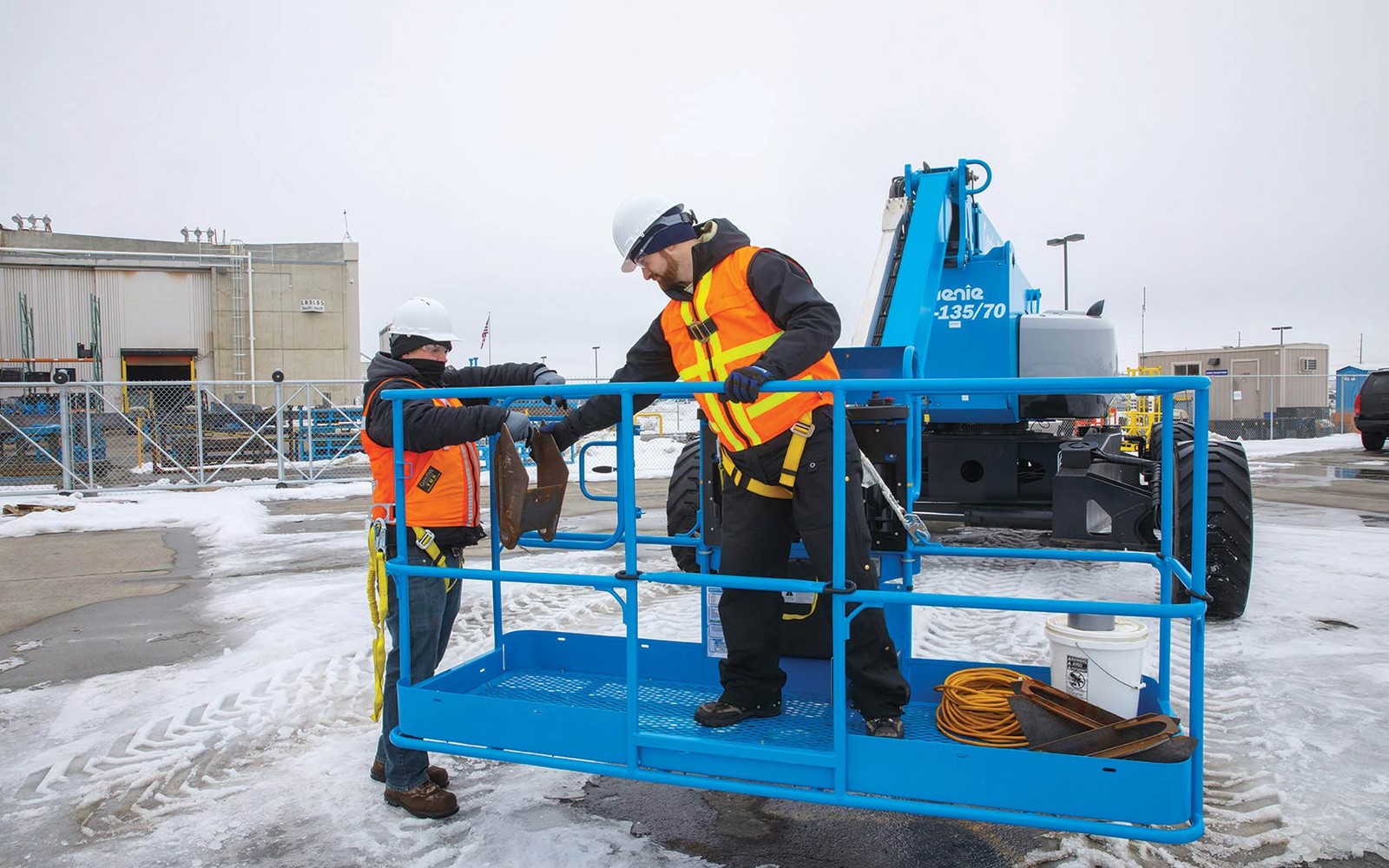
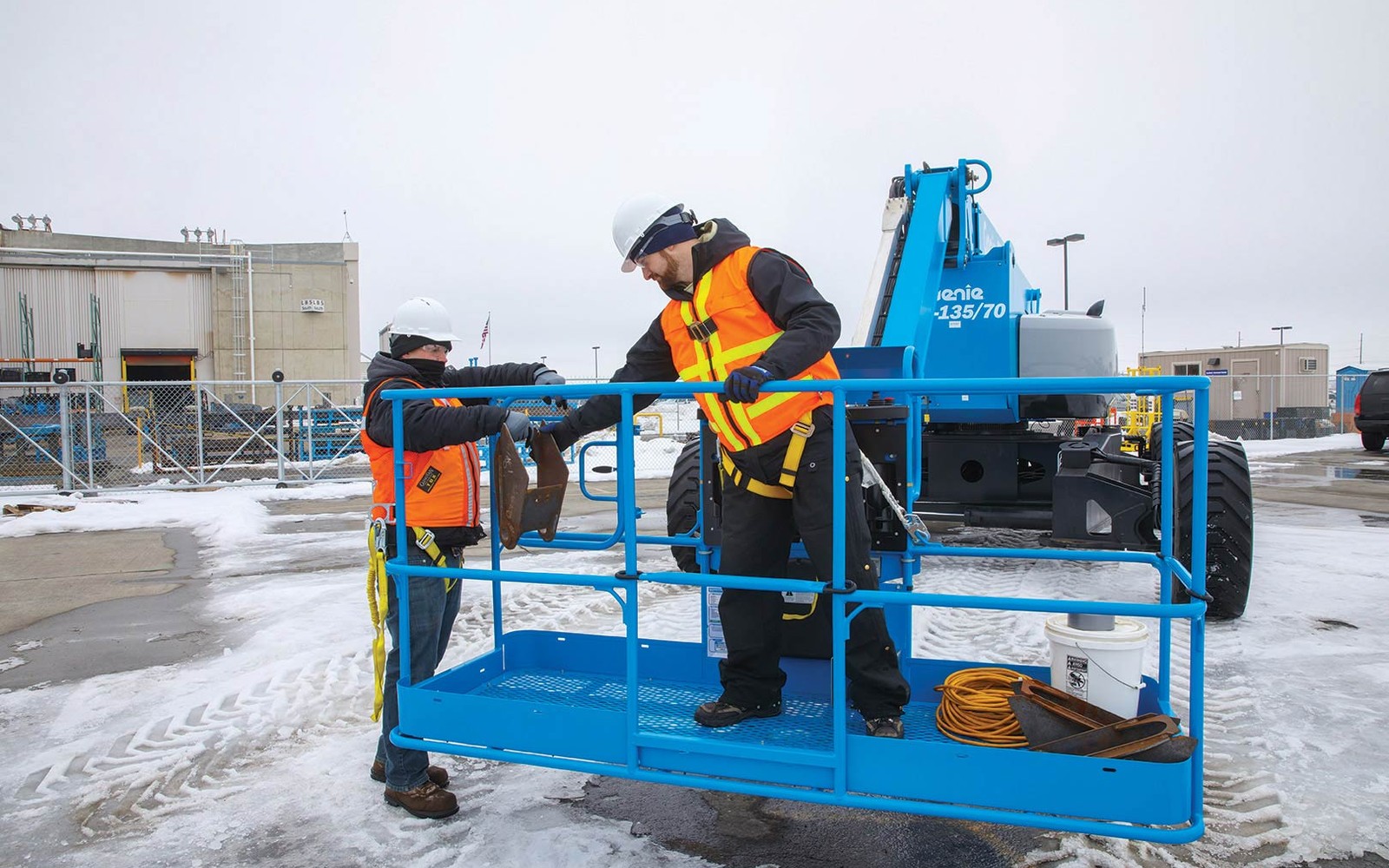
135 Foot Boom Lift
  • Priced on the asset — deck height, hours, and resale strength carry the file.
  • Application-only up to $500,000 — financials stay in the drawer.
  • New, used, dealer, auction, or private party — all fundable.
  • Startups and challenged credit get structure, not a form rejection.
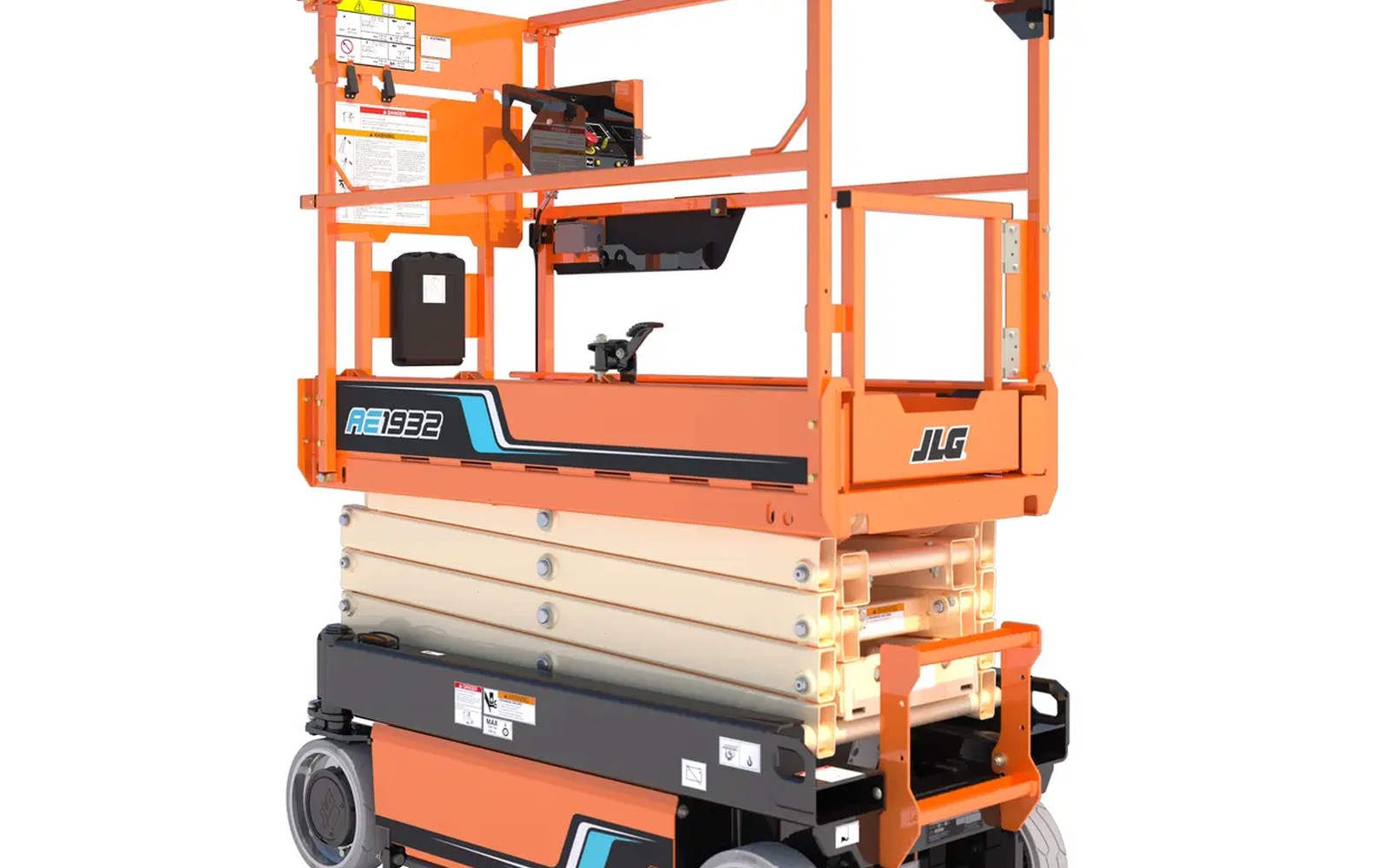
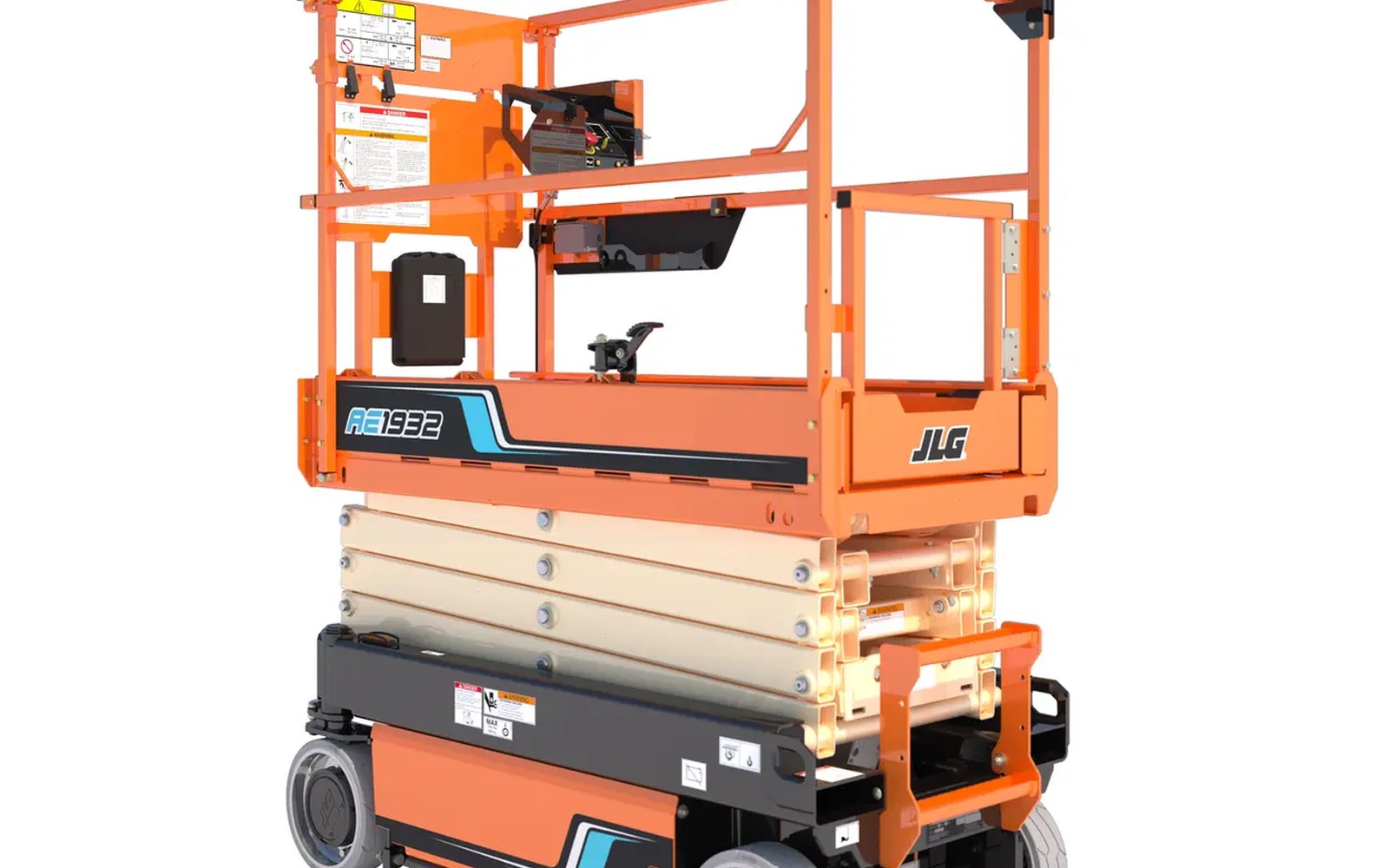
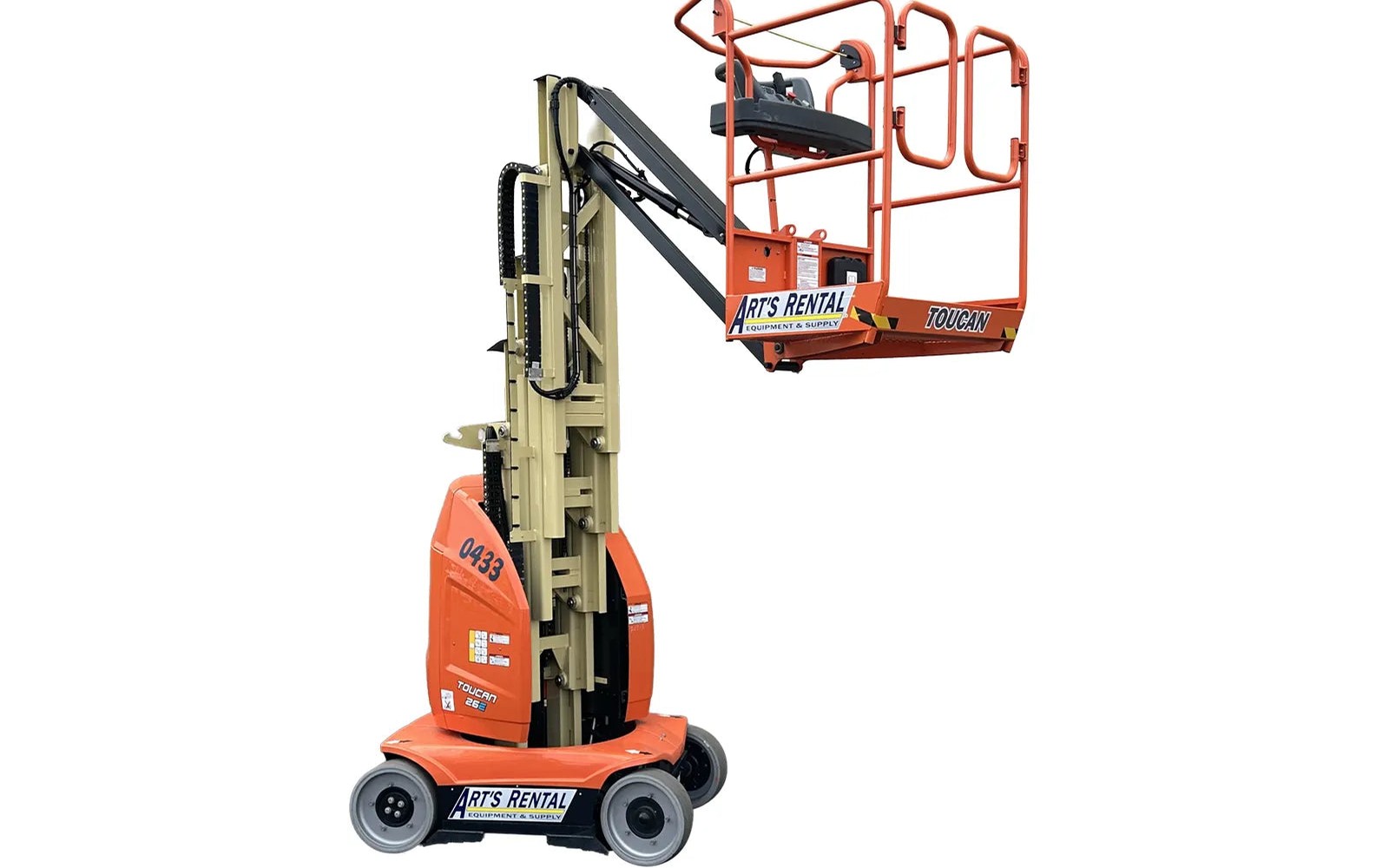
19 Foot Scissor Lift

At 120 feet, the platform is above floors ten through twelve on a standard commercial building and above the waterline on most major bridge structures. This is specialized equipment. Rental yards that stock 120-foot booms serve a narrower account base than yards running 60- and 80-foot units, but the rate cards are proportionally higher and the accounts that need this height class are often long-duration, high-value jobs with stable contracts. A petrochemical facility maintenance contractor who needs to reach process vessels and elevated pipe racks on a regular basis, a bridge inspection firm with state contracts, or a high-rise painting crew working on a 15-story downtown building all operate in this height range. We fund 120-foot boom lifts from $50k, new or used, and we know this market.

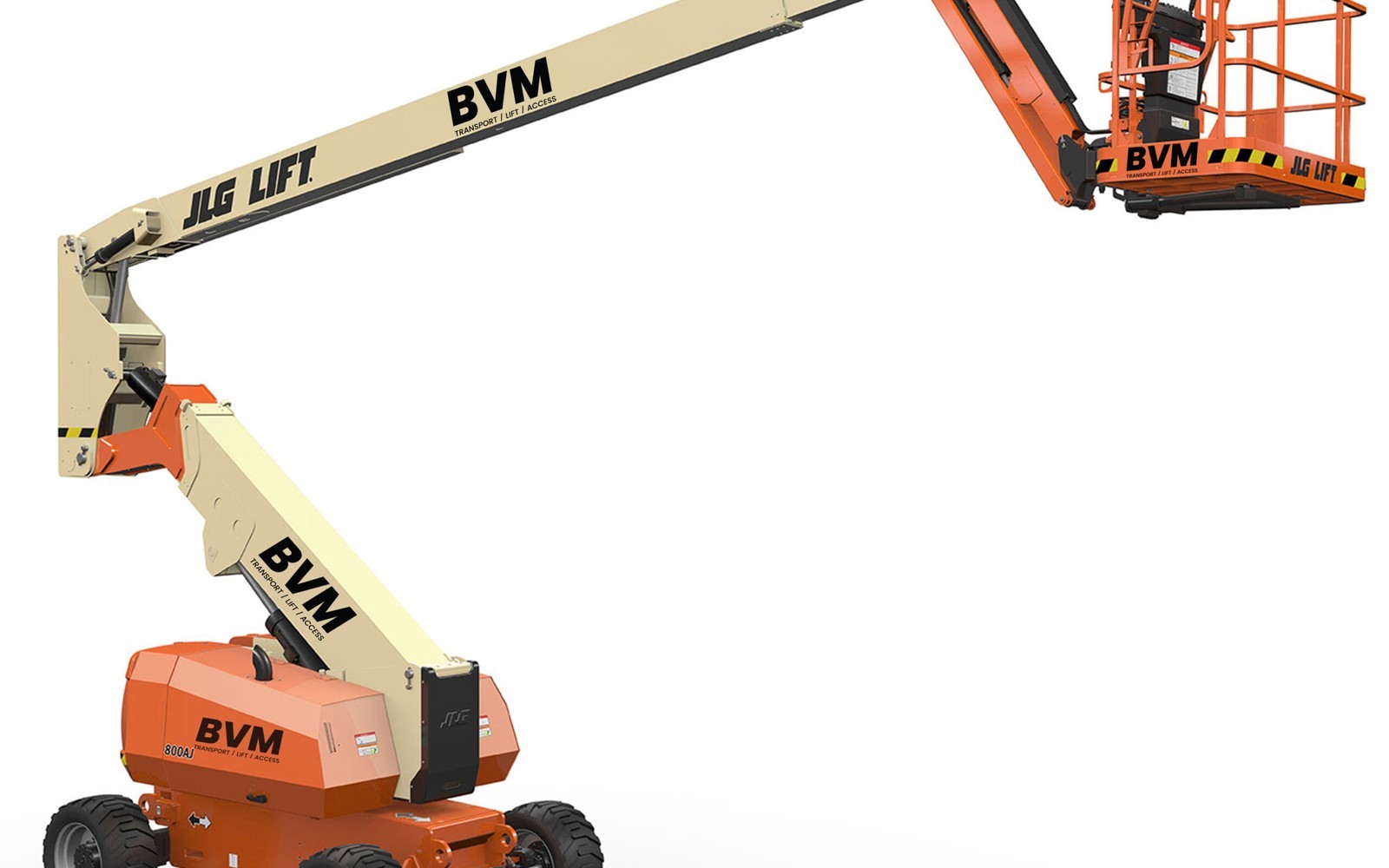
The price range for 120-foot booms reflects the specialized nature of the machines. A clean used unit from JLG or Genie with under 3,000 hours typically trades in the $130k to $220k range depending on configuration and condition. New machines in this class from major manufacturers list from approximately $250k to $400k and above. Both ranges are well within our book. The JLG 1250AJP articulating boom is one of the most recognizable units in this class, reaching 125 feet of platform height with up-and-over knuckle articulation, and we finance it regularly.

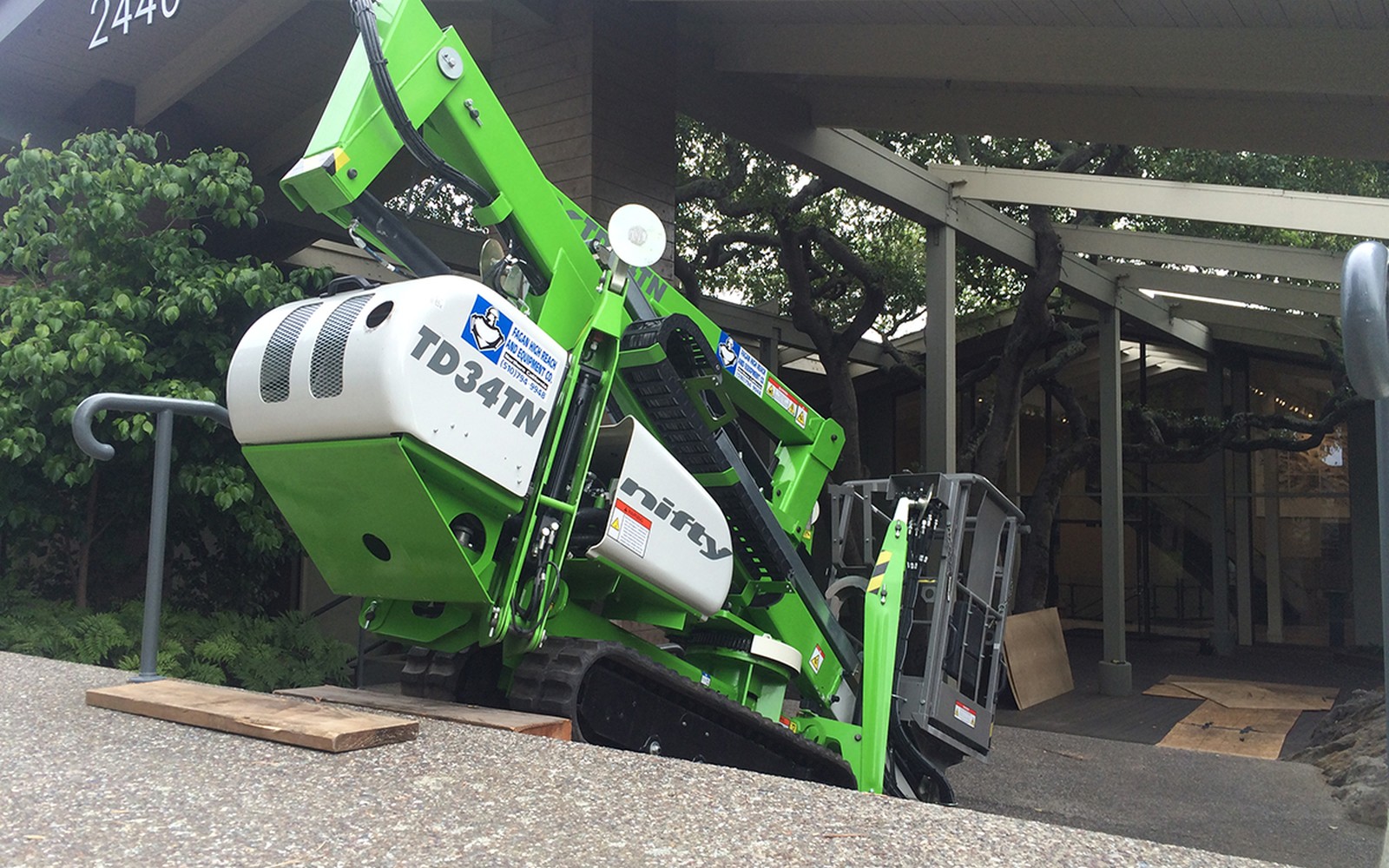
40 Foot Boom Lift
The Engineering Behind 120-Foot Access

The Engineering Behind 120-Foot Access

A 120-foot boom lift is a substantially heavier and more complex machine than its 60- and 80-foot counterparts. Transport weight on a major-brand rough-terrain 120-foot telescopic typically runs from 35,000 to 50,000 pounds, which requires a flatbed or lowboy for transport and site access planning for the machine's ground-bearing weight on arrival. Operators who run machines in this class understand the setup requirements: outrigger pads, verified level ground, and a clear drive path from the trailer to the work area.

The platform capacity at this height class runs 500 to 600 pounds unrestricted on most models. At full extension, the basket is managing substantial leverage from the boom structure, and the machines have sophisticated load management systems that monitor platform weight and boom position to maintain stability. Those systems also extend asset life by preventing mechanical stress from overloaded platforms or operation outside rated parameters. Operators comparing 120-foot units to the 80-foot boom lift class should note that the step up in transport logistics, site preparation requirements, and daily rental rates is significant at this height.

Articulating 120-foot booms add knuckle joints that allow the upper section to fold over obstacles at height. A 120-foot articulating unit accessing work on a tall industrial structure where the work surface is set back from the available ground position is a scenario where the articulation justifies the machine over a straight telescopic. For open-air work where the platform just needs to go high and reach far, a telescopic boom in this class covers more horizontal distance from a fixed position.

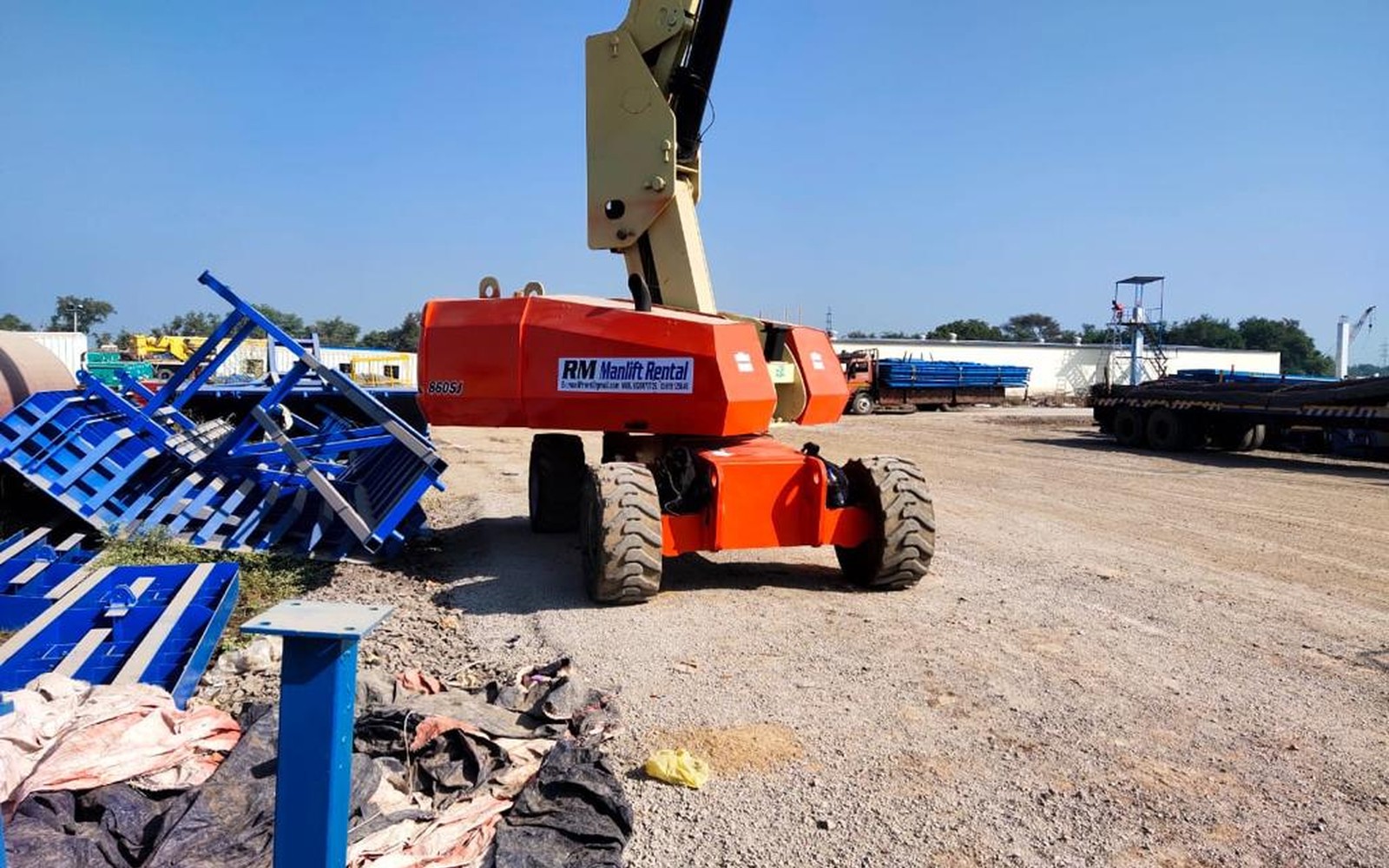
80 Foot Boom Lift
Who Operates 120-Foot Booms

Who Operates 120-Foot Booms

The buyer profile for 120-foot boom financing skews toward operators with established contracts and consistent need for elevated access in this height range. Industrial maintenance contractors working refineries, chemical plants, paper mills, and large manufacturing facilities are the dominant buyer category. Tall vessels, elevated pipe racks, structural steel above grade, and multi-level platforms in process facilities all require 100-foot-plus access on a recurring basis, and a contractor who has the maintenance contract for a large facility is better served owning the equipment than renting it at daily rates for the duration of every project.

General contractors building high-rise residential or commercial structures in markets where building heights push into 15 stories and above use 120-foot class booms during the structural and facade stages. A GC on a 15-story mixed-use project may purchase one or two 120-foot units for the exterior work phases and resell them after the building envelope is closed.

Specialty contractors in sign installation work on large-format exterior signage on mid-to-high-rise buildings also run 120-foot booms. A sign crew installing on the 10th or 11th floor of a commercial tower needs this height class, and a sign firm with a significant commercial book of business may find it more cost-effective to own a machine than to coordinate rental availability across multiple projects.

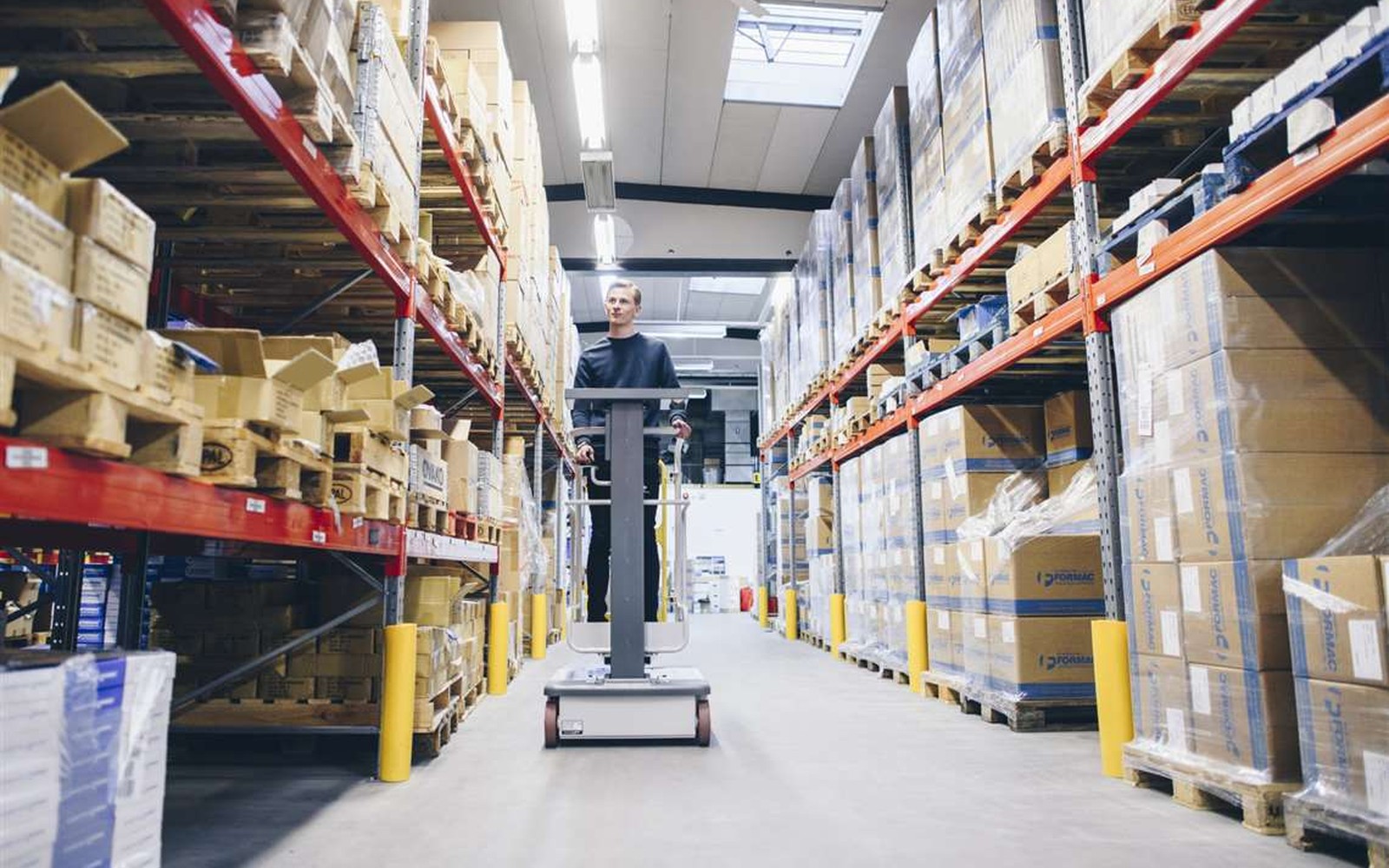
Low Level Access Lift
Common questions
Answers from the desk.

Does the transport weight of a 120-foot boom affect financing?

Transport weight is a physical spec that affects operations, not the financing directly. What affects financing is the machine's market value, the hours, and the condition. A 120-foot boom that requires a flatbed to transport is still a financeable asset, same as any other machine in this class.

Can a rental company finance a 120-foot boom with relatively low utilization expectations?

Yes. Utilization is your business's operational metric, not ours. We underwrite based on the business's revenue and the asset's value. A rental yard that rents a 120-foot boom 15 days a month at strong daily rates is a solid deal even if the unit doesn't go out every day.

What documentation is required for a $250k 120-foot boom purchase?

That transaction falls under our $400k application-only threshold. Three months of business bank statements, a signed application, and the equipment details (make, model, year, hours, seller, price) are what we need to start the file. No tax returns, no audited financials.

Can I finance a 120-foot boom that's currently being used on a long-term rental to another company?

Yes. We can structure a purchase with the machine on a rental contract. The rental revenue is actually a positive factor in the underwriting because it demonstrates the unit is generating cash flow.

How do I confirm the used market value on a 120-foot boom before applying?

We'll run our own value assessment when the file comes in. You don't need to pre-confirm value before applying. If you have a specific machine in mind, tell us the year, make, model, and hours and we'll give you our assessment of value quickly, usually the same day.

Common Questions on 120 ft Boom Lift Financing

Straight answers before you send the equipment file.

Does the transport weight of a 120-foot boom affect financing?

Transport weight is a physical spec that affects operations, not the financing directly. What affects financing is the machine's market value, the hours, and the condition. A 120-foot boom that requires a flatbed to transport is still a financeable asset, same as any other machine in this class.

Can a rental company finance a 120-foot boom with relatively low utilization expectations?

Yes. Utilization is your business's operational metric, not ours. We underwrite based on the business's revenue and the asset's value. A rental yard that rents a 120-foot boom 15 days a month at strong daily rates is a solid deal even if the unit doesn't go out every day.

What documentation is required for a $250k 120-foot boom purchase?

That transaction falls under our $400k application-only threshold. Three months of business bank statements, a signed application, and the equipment details (make, model, year, hours, seller, price) are what we need to start the file. No tax returns, no audited financials.

Can I finance a 120-foot boom that's currently being used on a long-term rental to another company?

Yes. We can structure a purchase with the machine on a rental contract. The rental revenue is actually a positive factor in the underwriting because it demonstrates the unit is generating cash flow.

How do I confirm the used market value on a 120-foot boom before applying?

We'll run our own value assessment when the file comes in. You don't need to pre-confirm value before applying. If you have a specific machine in mind, tell us the year, make, model, and hours and we'll give you our assessment of value quickly, usually the same day.
Get Terms on 120 ft Boom Lift Financing

Tell us what you are buying, who is selling it, and when you need it earning. We will review the file and point you to the next step.

Get Loan Terms →Call (713) 375-4374