Genie Z-60 Articulating Boom Lift Financing

Genie Z-60 Articulating Boom Lift Financing

Aerial Lift Models / Genie Z-60 Articulating Boom Lift Financing

Genie Z-60 Articulating Boom Lift Financing

Finance a Genie Z-60 articulating boom lift new or used. $50k floor, credit history weighed against lift value, statement-led review below the $400k line.

Approval is more than a credit score.

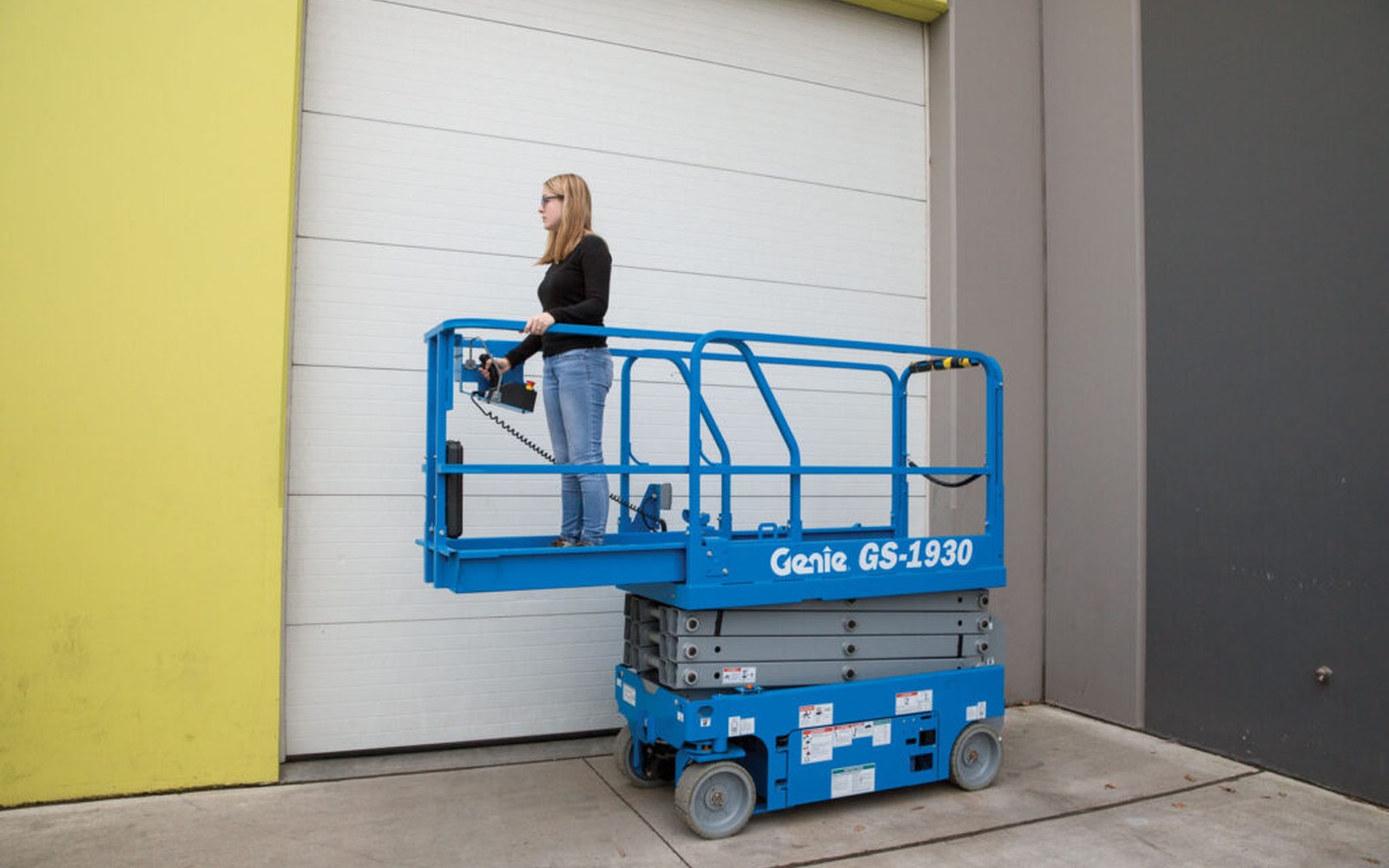
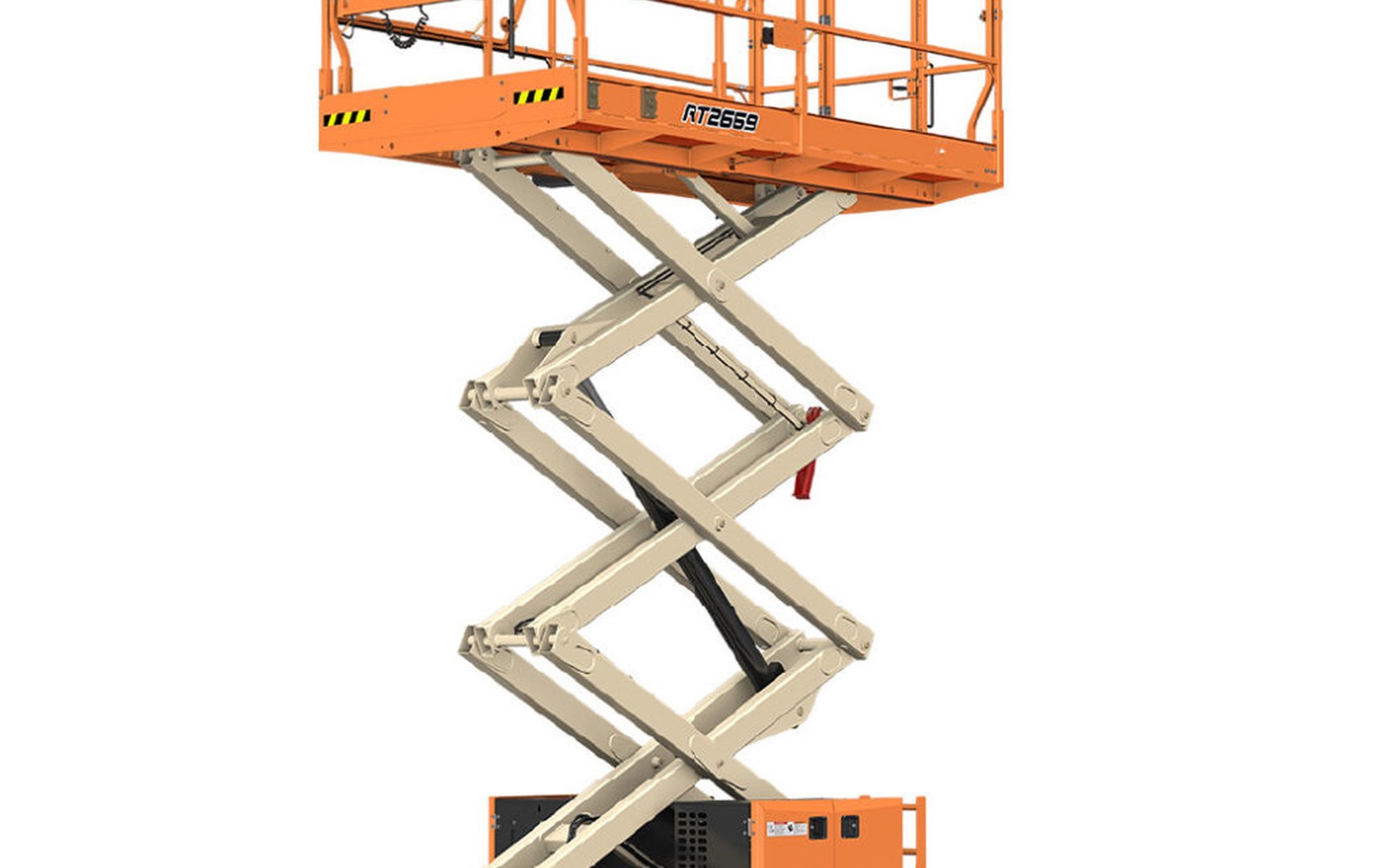
Genie Gs 1930 Scissor Lift Financing
  • Priced on the asset — deck height, hours, and resale strength carry the file.
  • Application-only up to $500,000 — financials stay in the drawer.
  • New, used, dealer, auction, or private party — all fundable.
  • Startups and challenged credit get structure, not a form rejection.
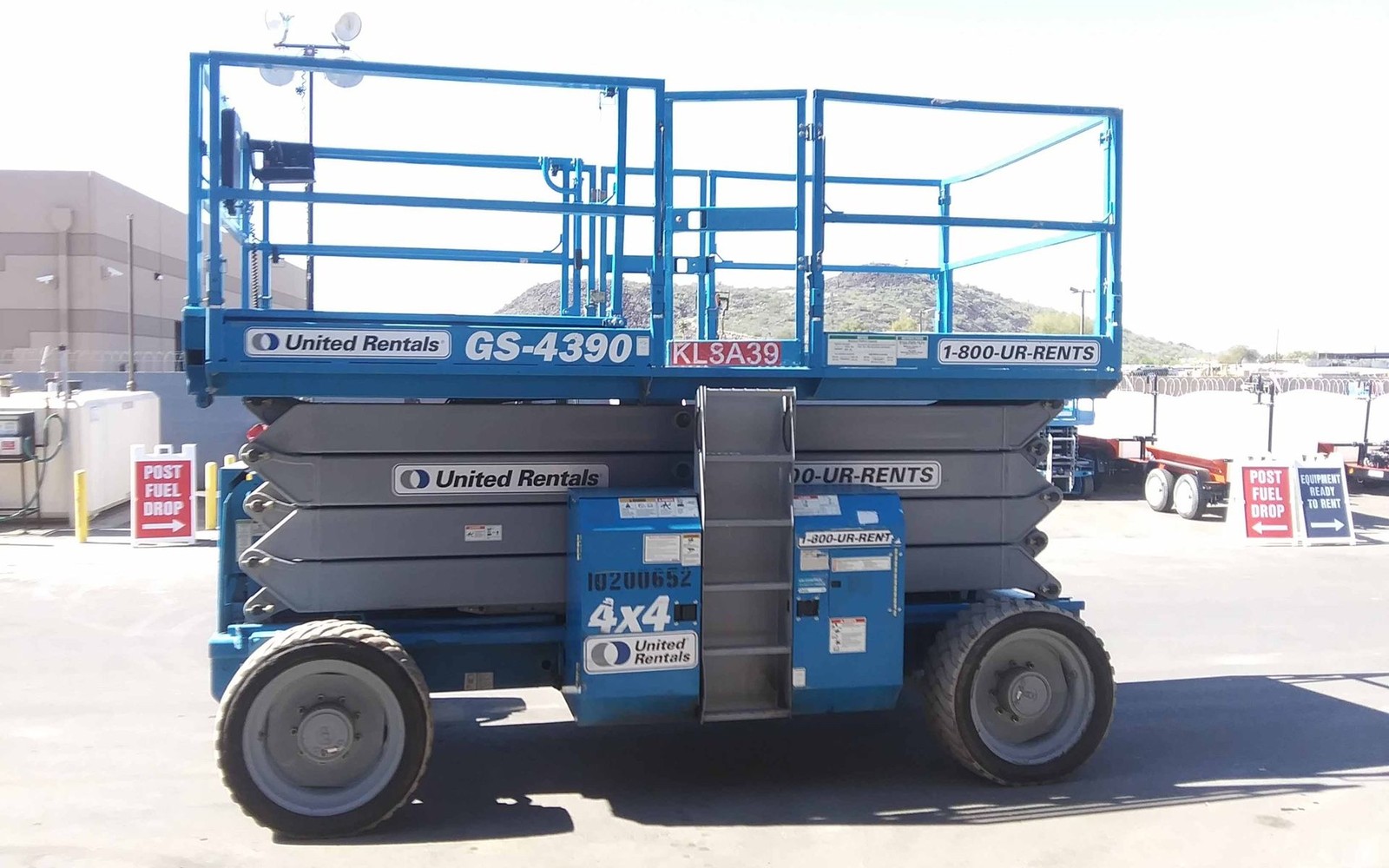
Genie Gs 4390 Rt Scissor Lift Financing

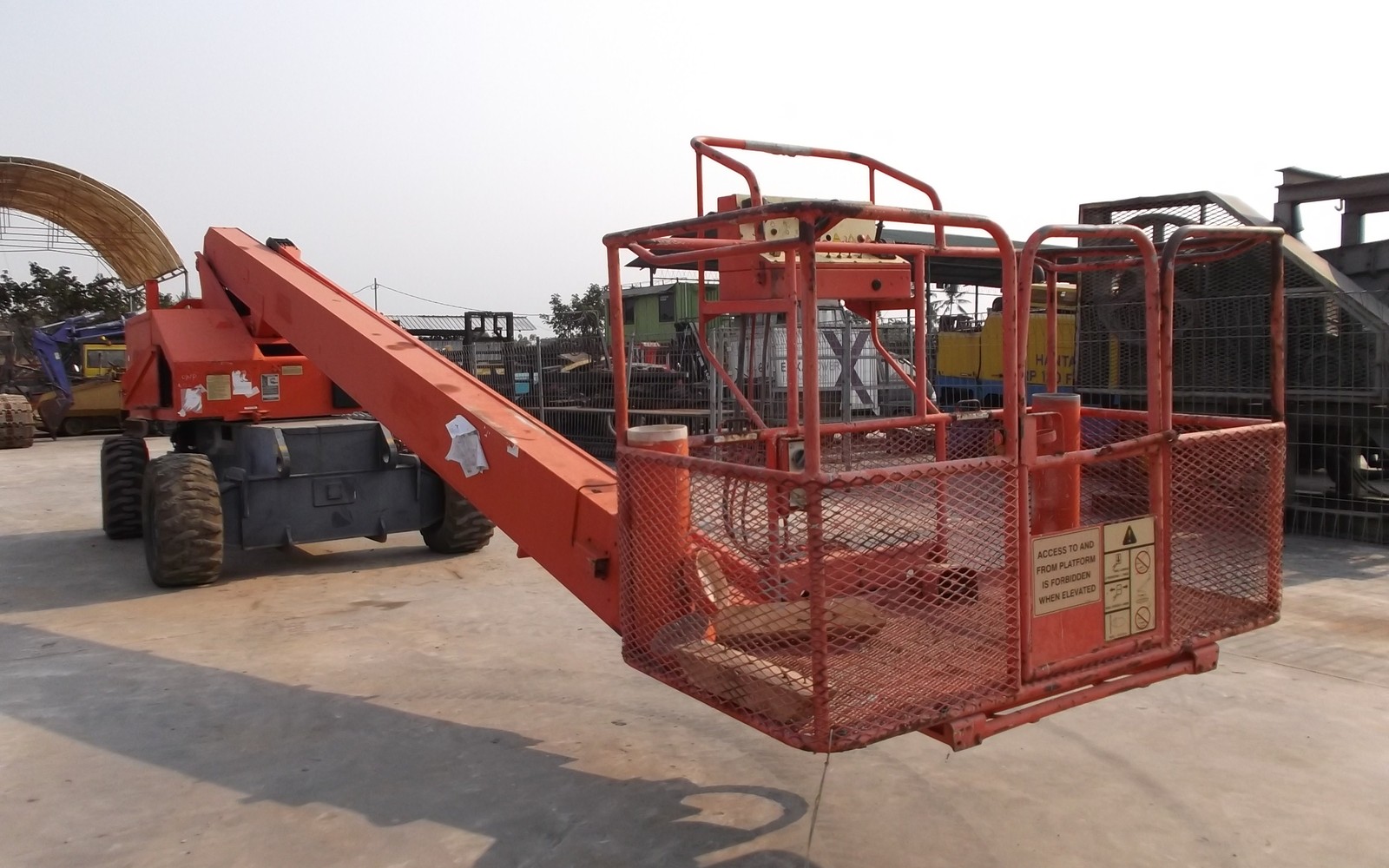
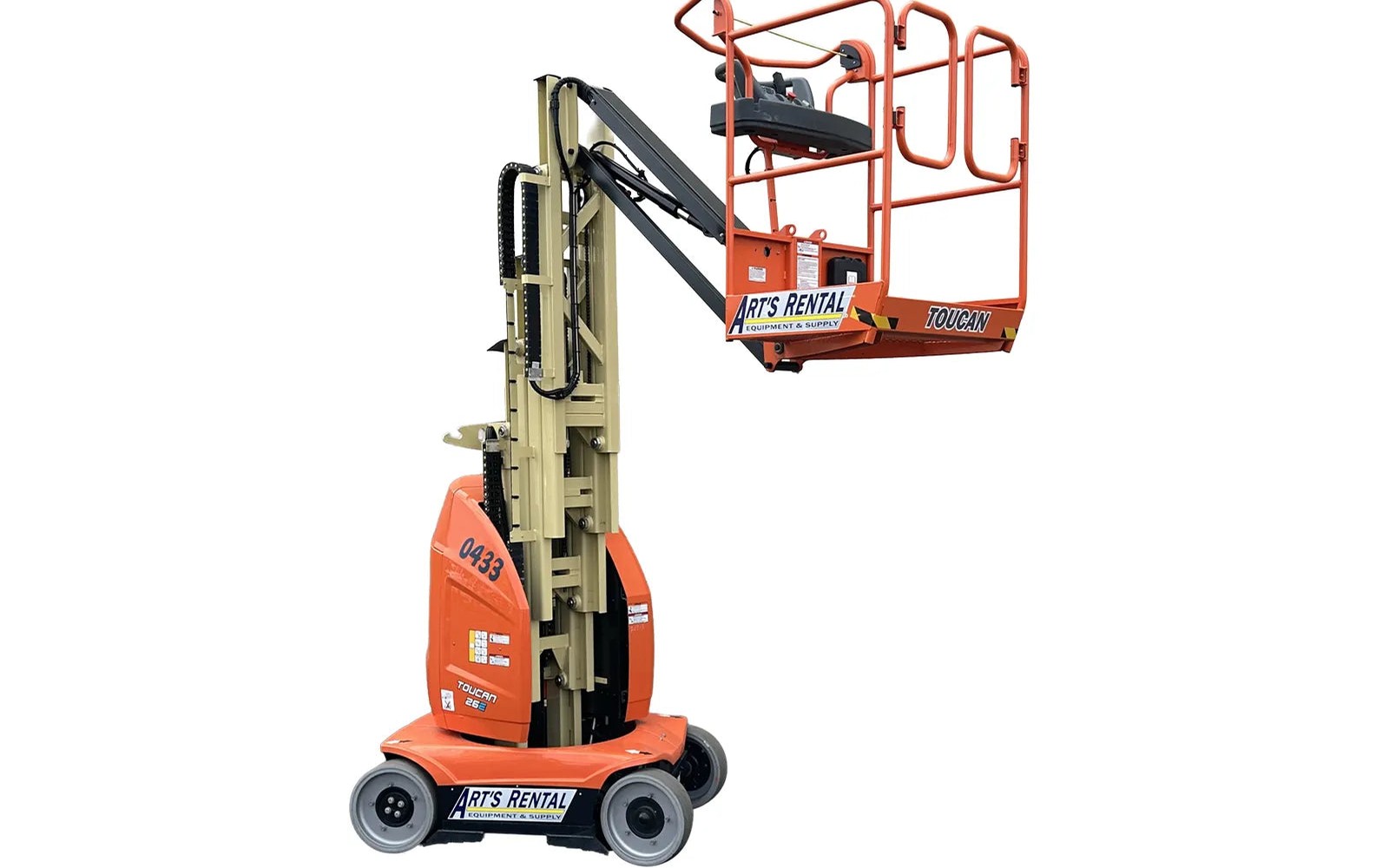
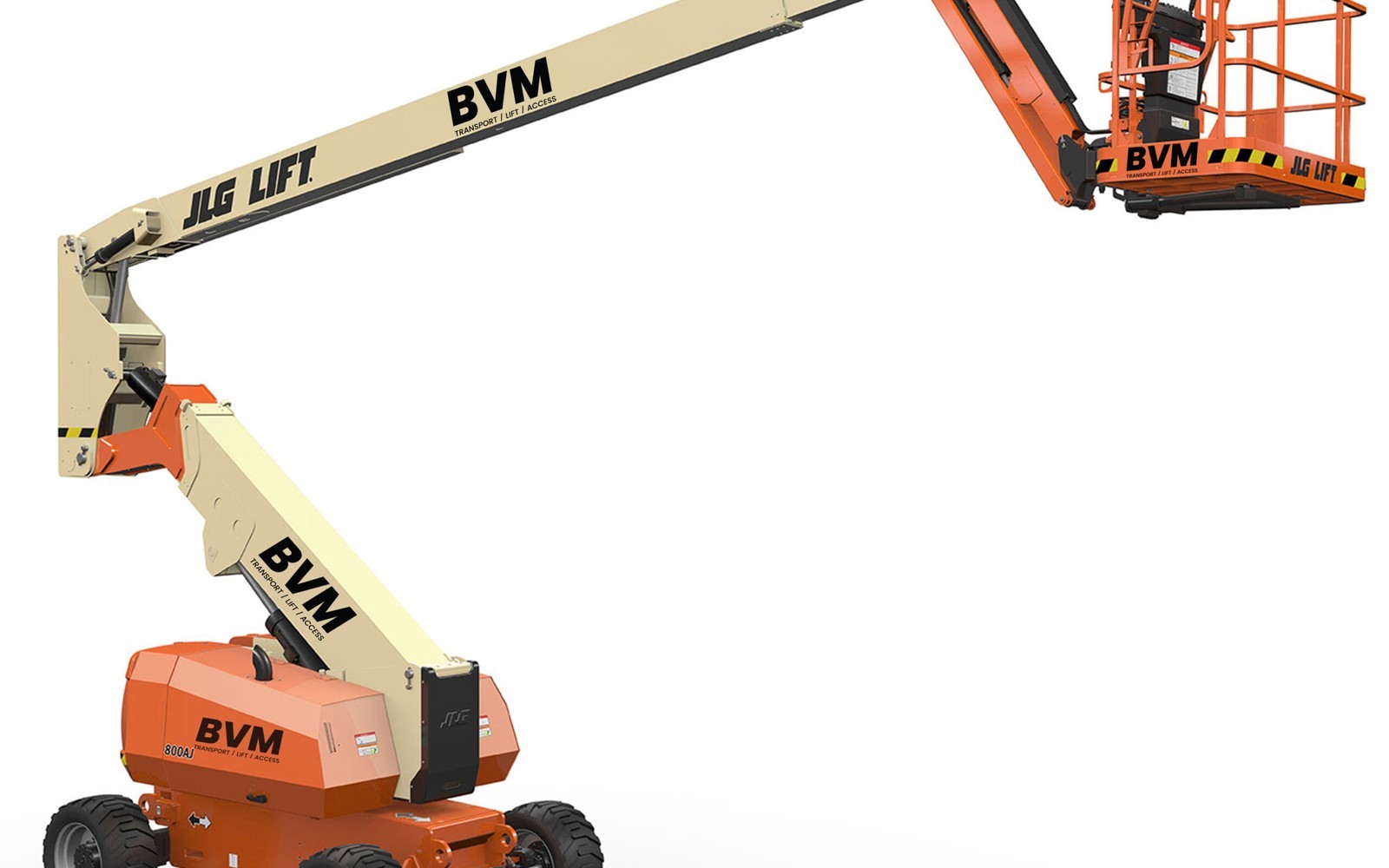
Sixty feet of working height with 40-plus feet of horizontal reach puts the Z-60 in a class of boom that pays for itself on a single large commercial project. Steel erectors use it to position curtain-wall panels on mid-rise structures. Electrical crews run it for high-bay lighting and transformer work. Roofing contractors stage materials from it when a crane is overkill but the load needs to go up 50 feet. The Z-60 is the unit that shows up when a Z-45 is two sections short.

We fund the Z-60 new and used, starting at $50k. A well-maintained used unit from a rental fleet typically sells in the $80k to $130k range depending on year and hours, which puts it comfortably in our deal core funded range of $100k to $150k and above. Equipment loans with fixed monthly payments work well here for operators who want to own the unit outright at term. Leasing works when the operator wants lower payments and a future upgrade option. We also do sale-leaseback arrangements on units already owned, which frees up cash without giving up the machine. Most deals fund in one to two weeks.

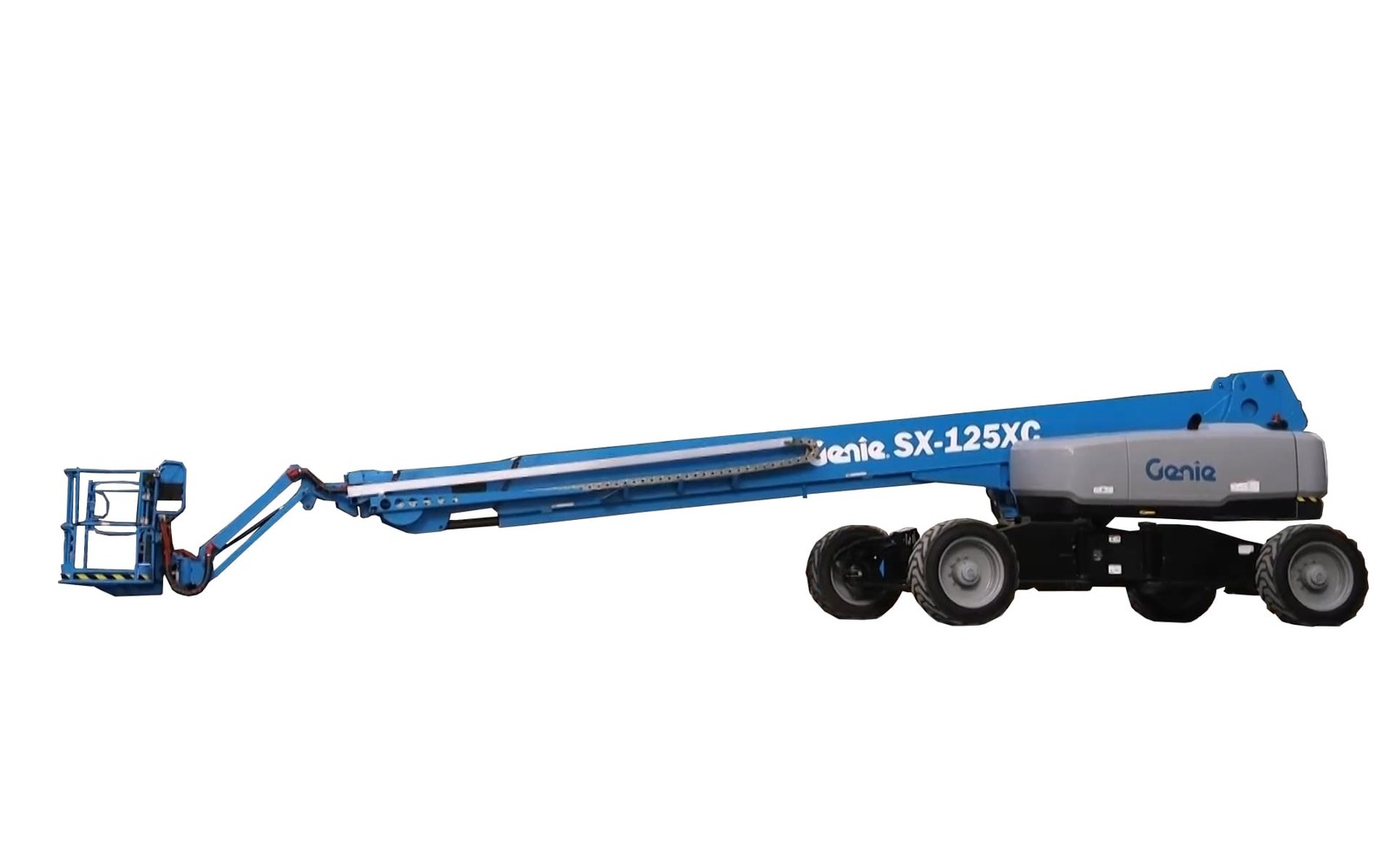
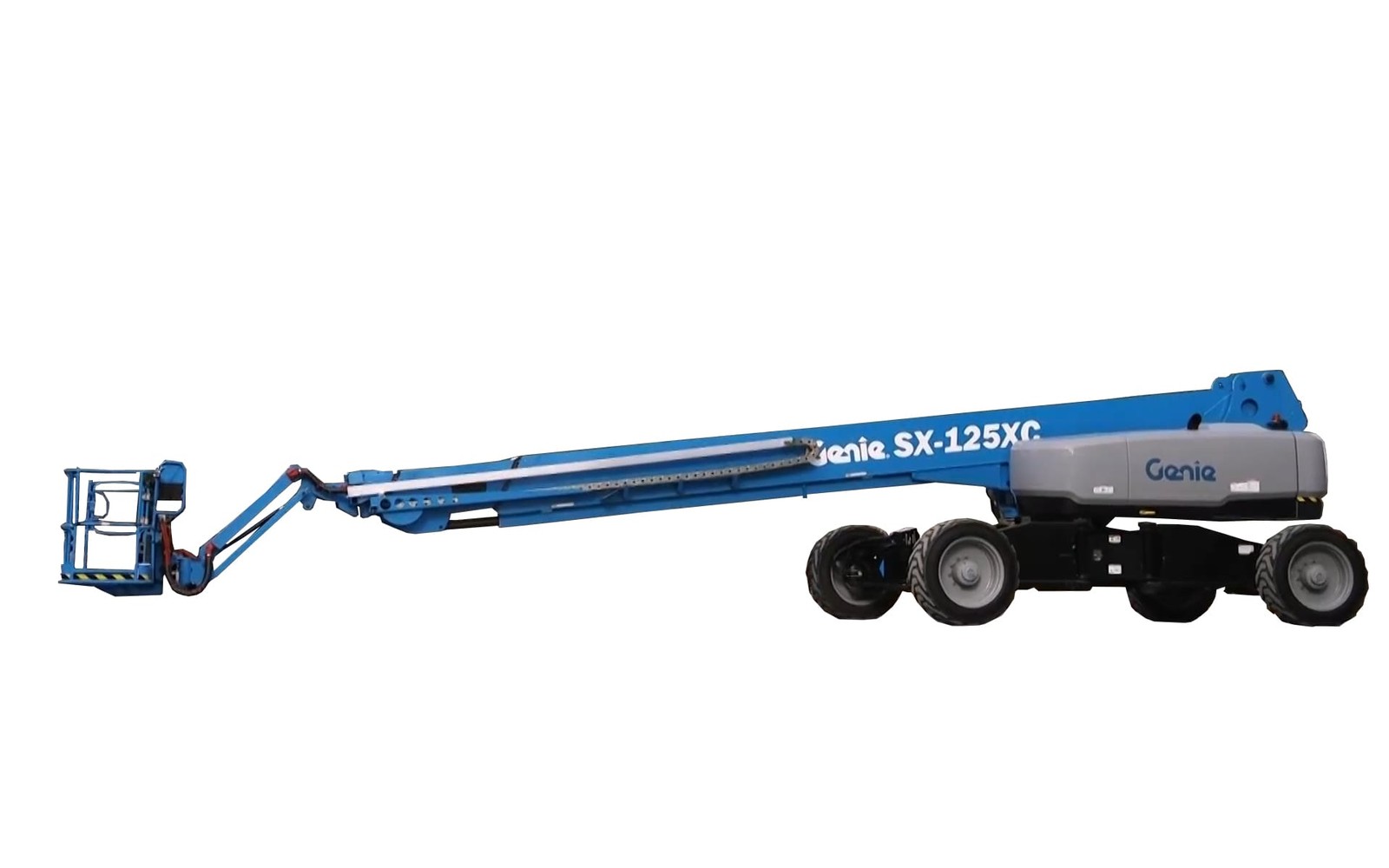
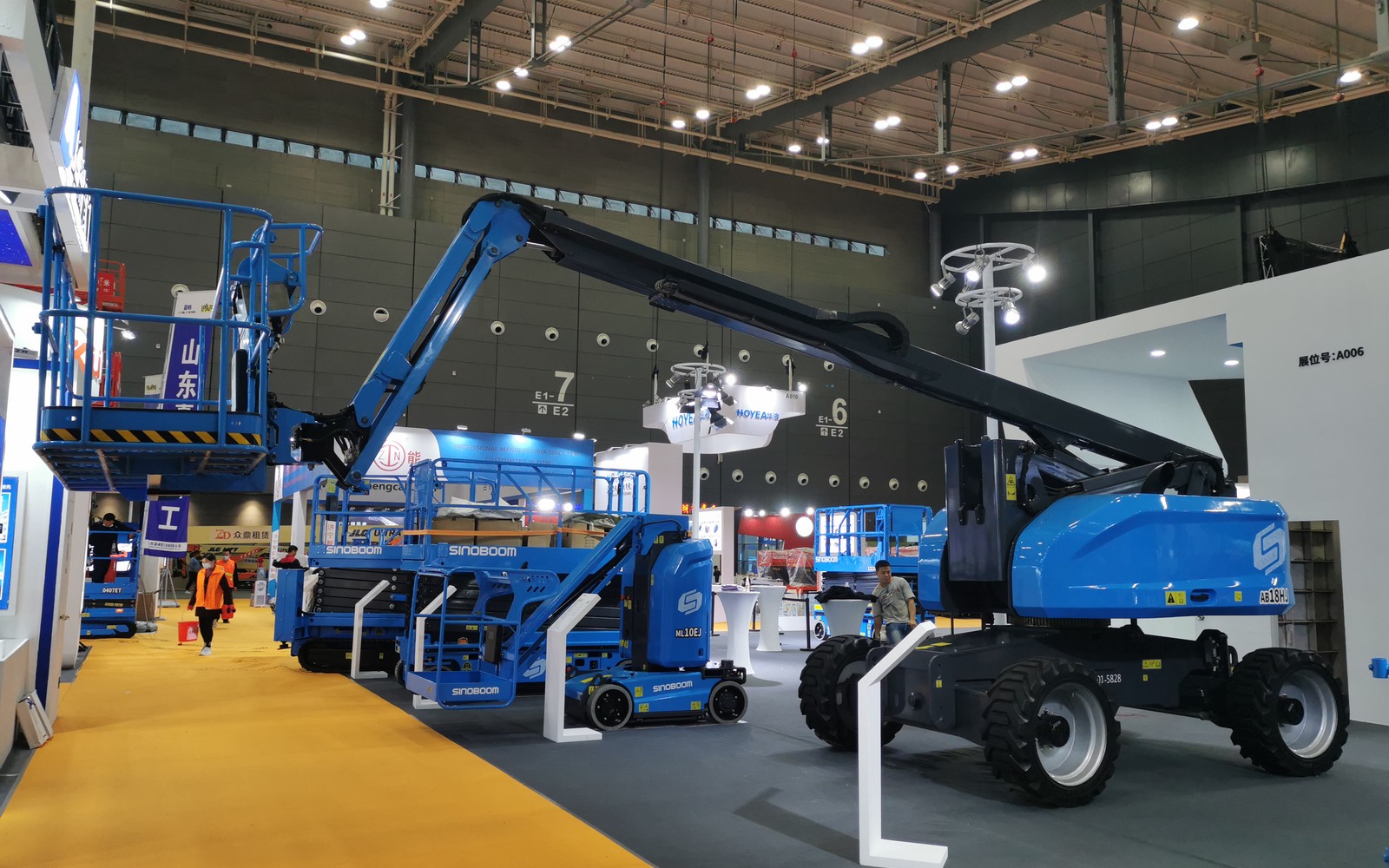
Genie S 85 Boom Lift Financing
Z-60 Specs and Why They Matter on the Job

Z-60 Specs and Why They Matter on the Job

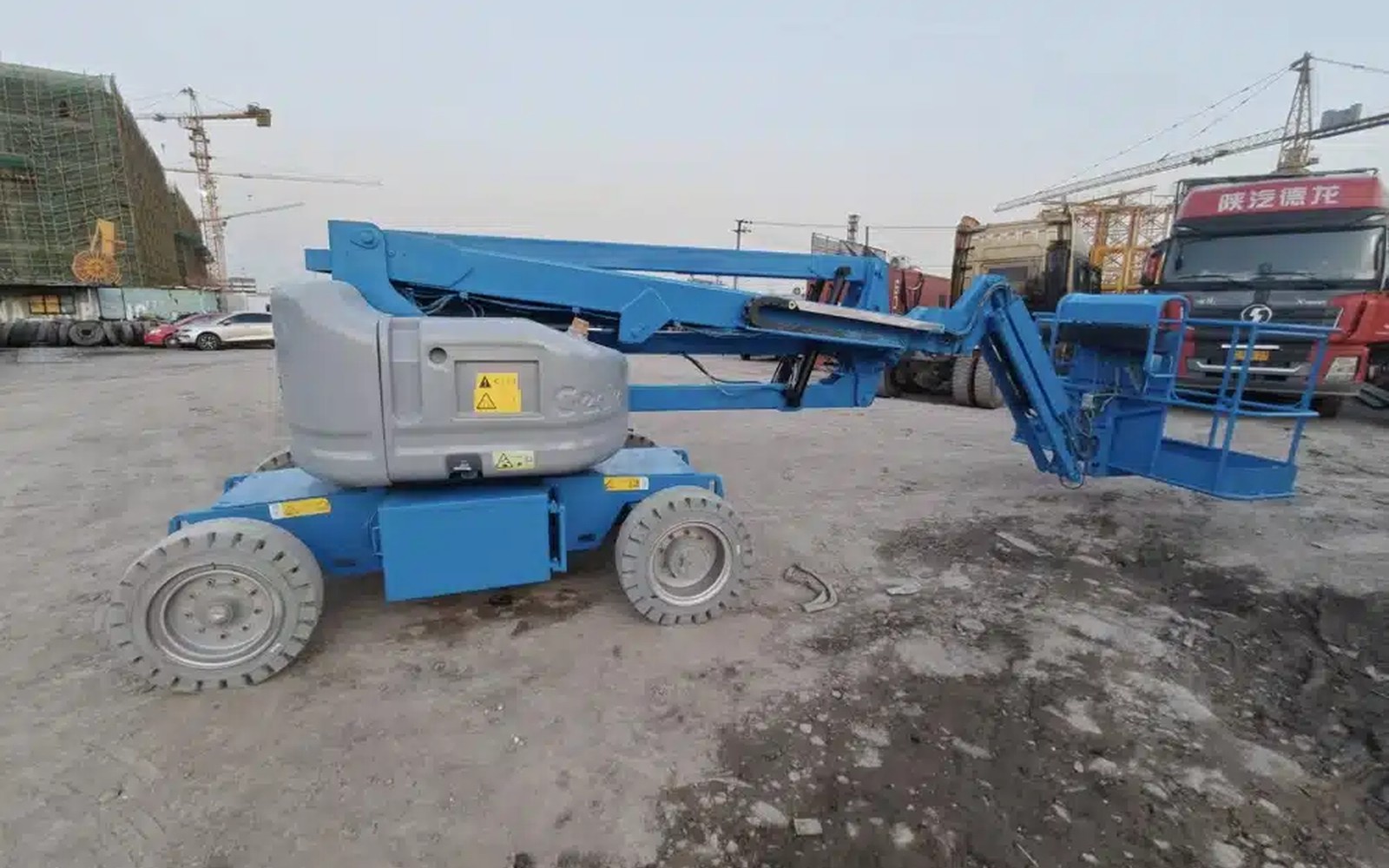
The Genie Z-60 delivers a working height of approximately 66 feet and a horizontal reach around 40 to 44 feet depending on the specific model variant. The upper and lower boom articulation lets crews maneuver up and over obstacles, a capability the straight telescopic stick does not offer in the same way. Platform capacity on the Z-60 is typically 500 pounds unrestricted (500 lbs restricted at full extension), and the machine drives in elevated mode at a controlled speed for repositioning without fully lowering the boom.

The Z-60 is available in several configurations: diesel rough-terrain for outdoor construction, electric slab-grade for indoor use in facilities and warehouses, and dual-fuel units that run on LPG or gas for indoor-outdoor flexibility. Stowed dimensions matter for transport: the Z-60 fits on a standard trailer and does not require a specialized low-boy like bigger units in the 80- to 120-foot class do.

Utilization is strong on the Z-60 because the height class covers a range of jobs that smaller booms cannot reach and large booms are expensive to mobilize for. A rental yard with one 45 and one 60 covers most commercial boom lift requests without needing a 80-foot unit for everyday work. Owner-operators who work commercial construction, industrial maintenance, or telecom tower projects find the Z-60's height range hits the most common job requirements.

Genie Z 60 Boom Lift Financing
What the Numbers Look Like

What the Numbers Look Like

New Z-60 pricing has varied with manufacturer costs and supply chain, but current market puts new units in the $100k to $140k range for standard configurations. Used units from 2016 to 2021 with moderate hours trade in the $75k to $110k band. High-hours units above 5,000 hours drop further and can be financed as well, though the loan-to-value ratio reflects the machine's current market value, not the original purchase price.

On a 60-month loan at a competitive equipment rate, a $100k purchase results in a monthly payment that a machine earning three to four rental days per week covers from revenue. The math works because the Z-60 commands better daily and weekly rates than smaller lifts. Application-only financing to $400k means you do not need to produce tax returns or financial statements on a single-unit deal. Three months of business bank statements and the one-page application cover the underwriting requirements for most operators.

challenged credit does not close the door. We underwrite the business and the equipment as a unit, so a contractor with a couple of credit events but solid bank deposits and a real project pipeline can still get funded.

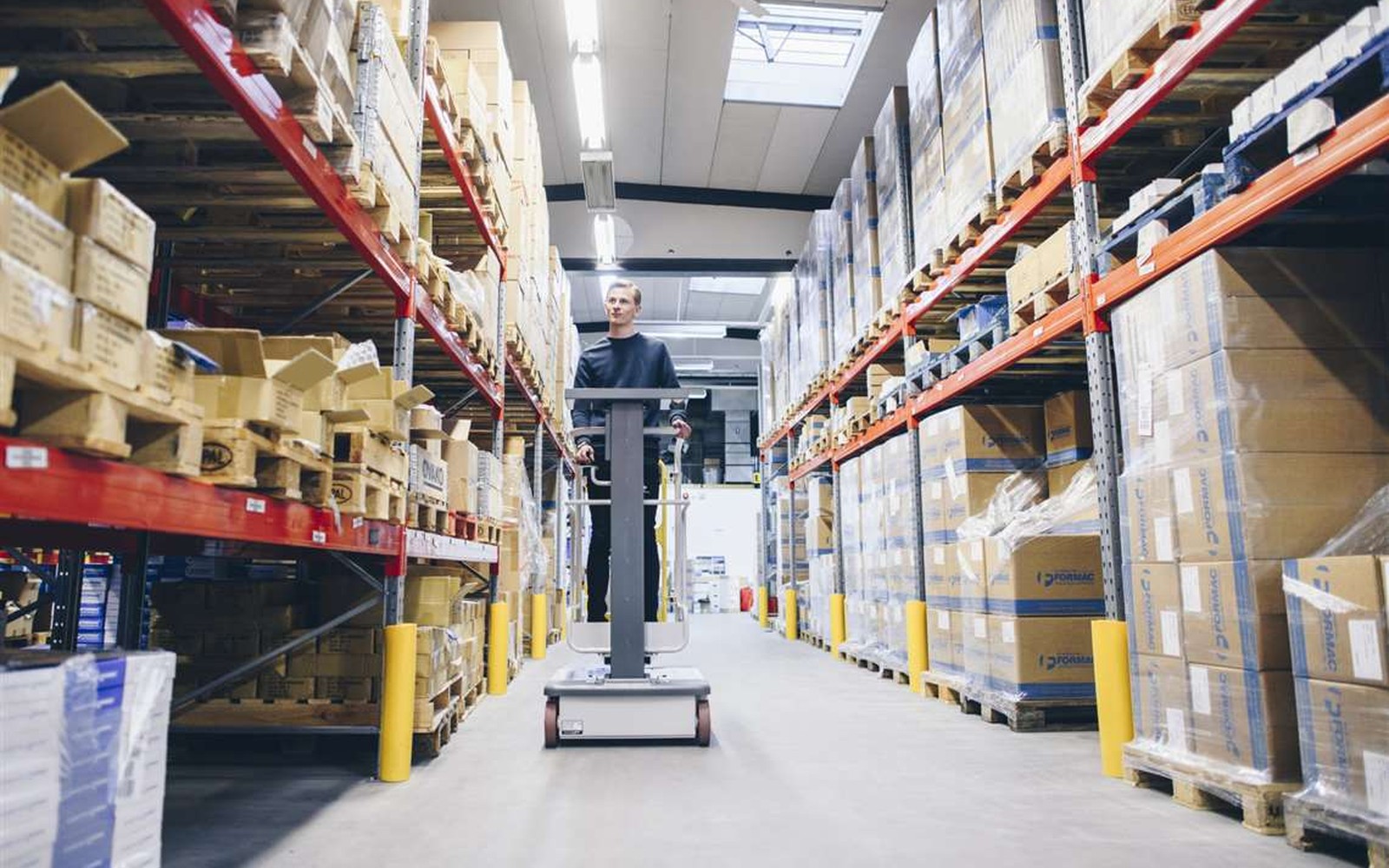
Low Level Access Lift
Common questions
Answers from the desk.

Can I finance a Z-60 bought from a rental company's fleet liquidation?

Yes. Fleet liquidation purchases from national rental companies are straightforward to finance. We treat them as dealer or private-party purchases depending on the seller's setup. The machine's history and hours are the key variables, and rental-fleet units typically have clean maintenance records that support the underwriting.

What is the minimum I need in bank deposits to qualify?

There is no published minimum, but we look for consistent monthly revenue deposits that demonstrate the business is active and generating income. A contractor billing $30k to $50k per month with normal business expenses shown on three months of statements is a good candidate. We evaluate each deal individually.

Can I get a Z-60 financed if I have a tax lien?

An existing tax lien complicates but does not automatically prevent financing. Lenders look at whether the lien is in a payment plan and whether it is being resolved. Disclosure up front helps us find the right lender for the situation rather than wasting time on lenders who will decline immediately.

Does the dual-fuel version cost more to finance than the electric?

The financing structure is based on the purchase price and market value of the specific unit, not the power source. A dual-fuel Z-60 and an electric Z-60 of comparable age and condition will get comparable financing terms. The unit's value determines the deal, not the engine type.

How does a sale-leaseback work on a Z-60 I still owe money on?

If there is an existing lien on the unit, a sale-leaseback first pays off the current balance. Any remaining equity after the payoff goes to you as cash. If you owe close to market value or more, the transaction may not generate cash but can still restructure the payment into better terms.

Common Questions on Genie Z-60 Articulating Boom Lift Financing

Straight answers before you send the equipment file.

Can I finance a Z-60 bought from a rental company's fleet liquidation?

Yes. Fleet liquidation purchases from national rental companies are straightforward to finance. We treat them as dealer or private-party purchases depending on the seller's setup. The machine's history and hours are the key variables, and rental-fleet units typically have clean maintenance records that support the underwriting.

What is the minimum I need in bank deposits to qualify?

There is no published minimum, but we look for consistent monthly revenue deposits that demonstrate the business is active and generating income. A contractor billing $30k to $50k per month with normal business expenses shown on three months of statements is a good candidate. We evaluate each deal individually.

Can I get a Z-60 financed if I have a tax lien?

An existing tax lien complicates but does not automatically prevent financing. Lenders look at whether the lien is in a payment plan and whether it is being resolved. Disclosure up front helps us find the right lender for the situation rather than wasting time on lenders who will decline immediately.

Does the dual-fuel version cost more to finance than the electric?

The financing structure is based on the purchase price and market value of the specific unit, not the power source. A dual-fuel Z-60 and an electric Z-60 of comparable age and condition will get comparable financing terms. The unit's value determines the deal, not the engine type.

How does a sale-leaseback work on a Z-60 I still owe money on?

If there is an existing lien on the unit, a sale-leaseback first pays off the current balance. Any remaining equity after the payoff goes to you as cash. If you owe close to market value or more, the transaction may not generate cash but can still restructure the payment into better terms.
Get Terms on Genie Z-60 Articulating Boom Lift Financing

Tell us what you are buying, who is selling it, and when you need it earning. We will review the file and point you to the next step.

Get Loan Terms →Call (713) 375-4374