Warehouse & Distribution Operators

Warehouse & Distribution Operators

Industries We Serve / Warehouse & Distribution Operators

Warehouse & Distribution Operators

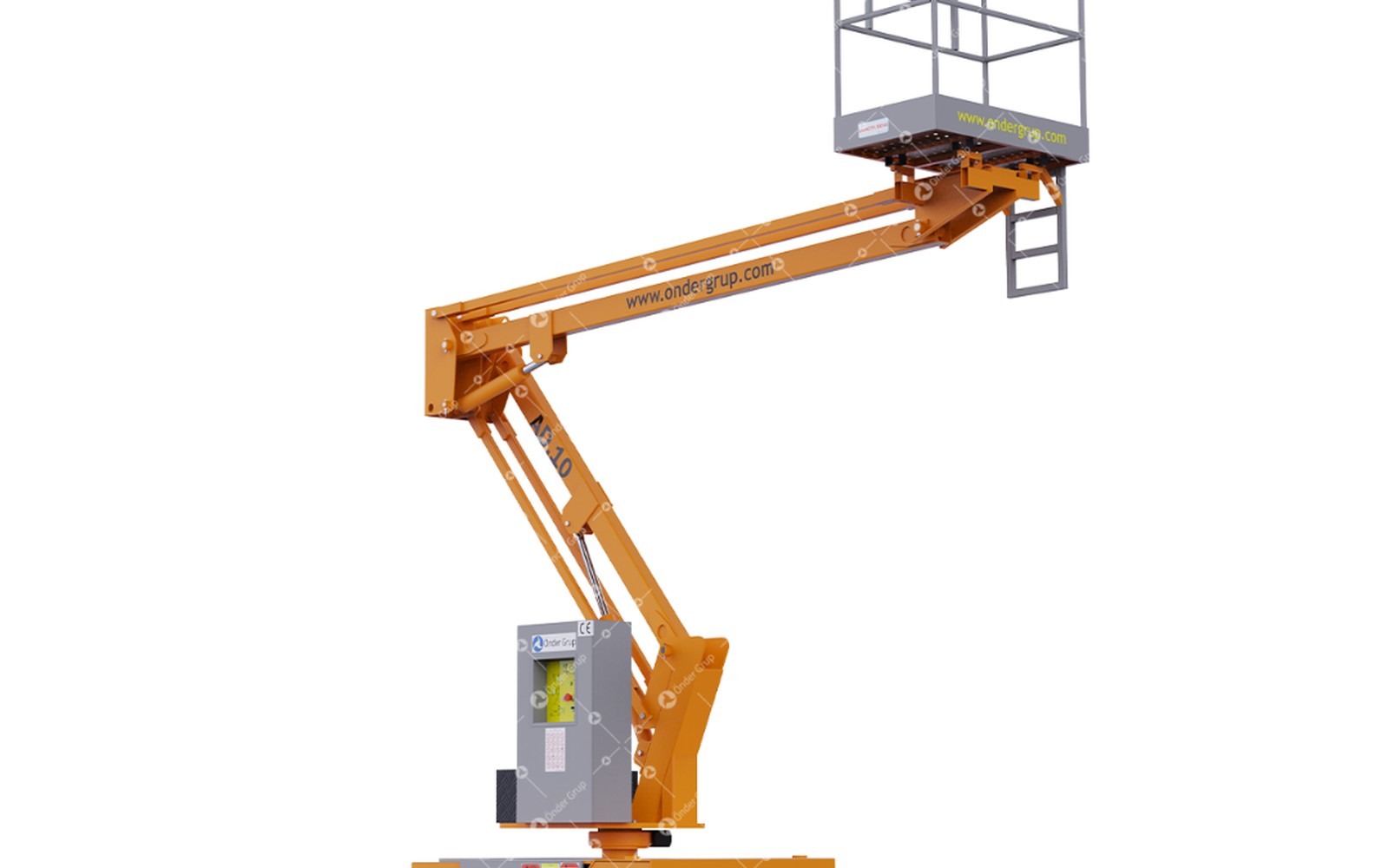
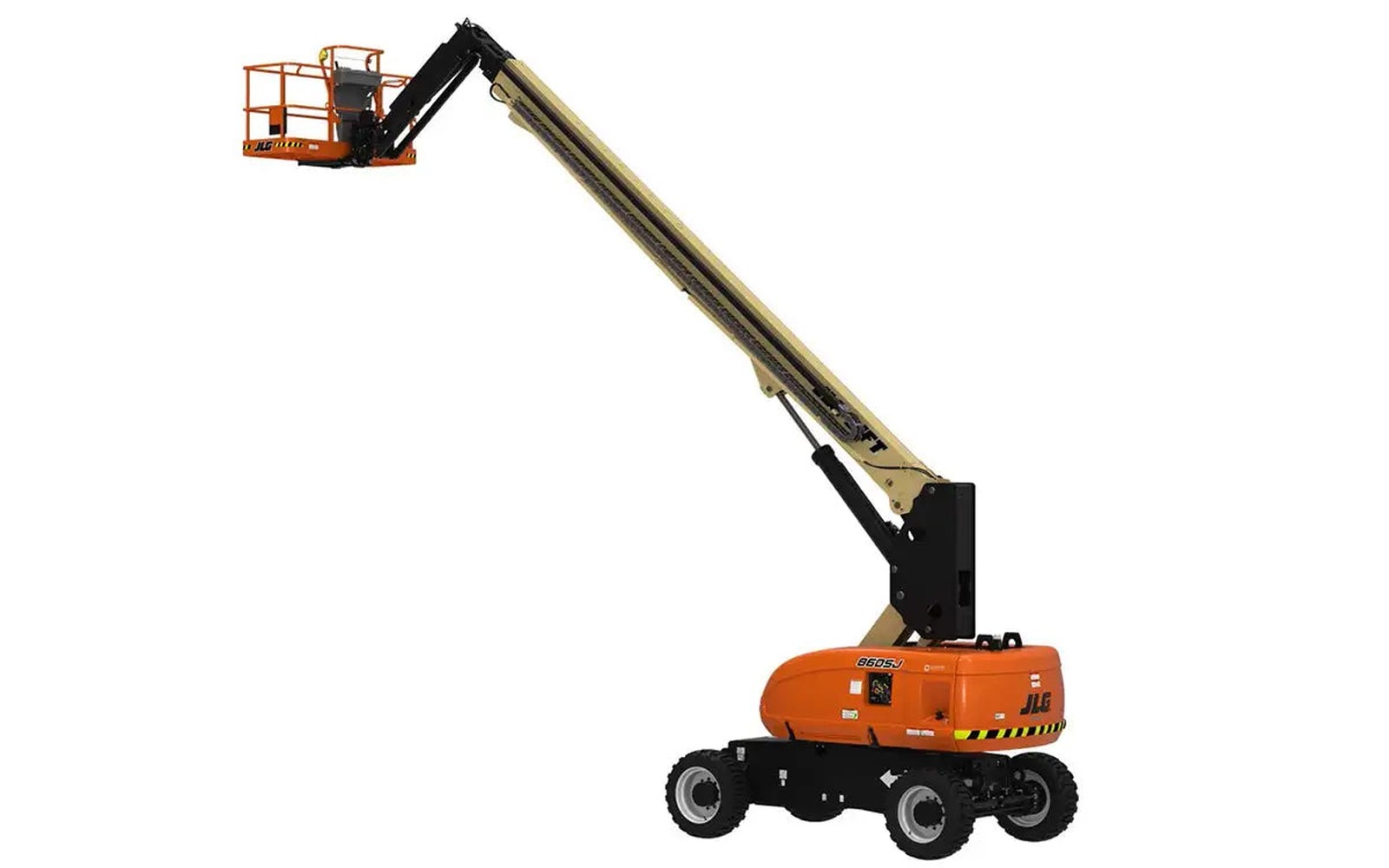
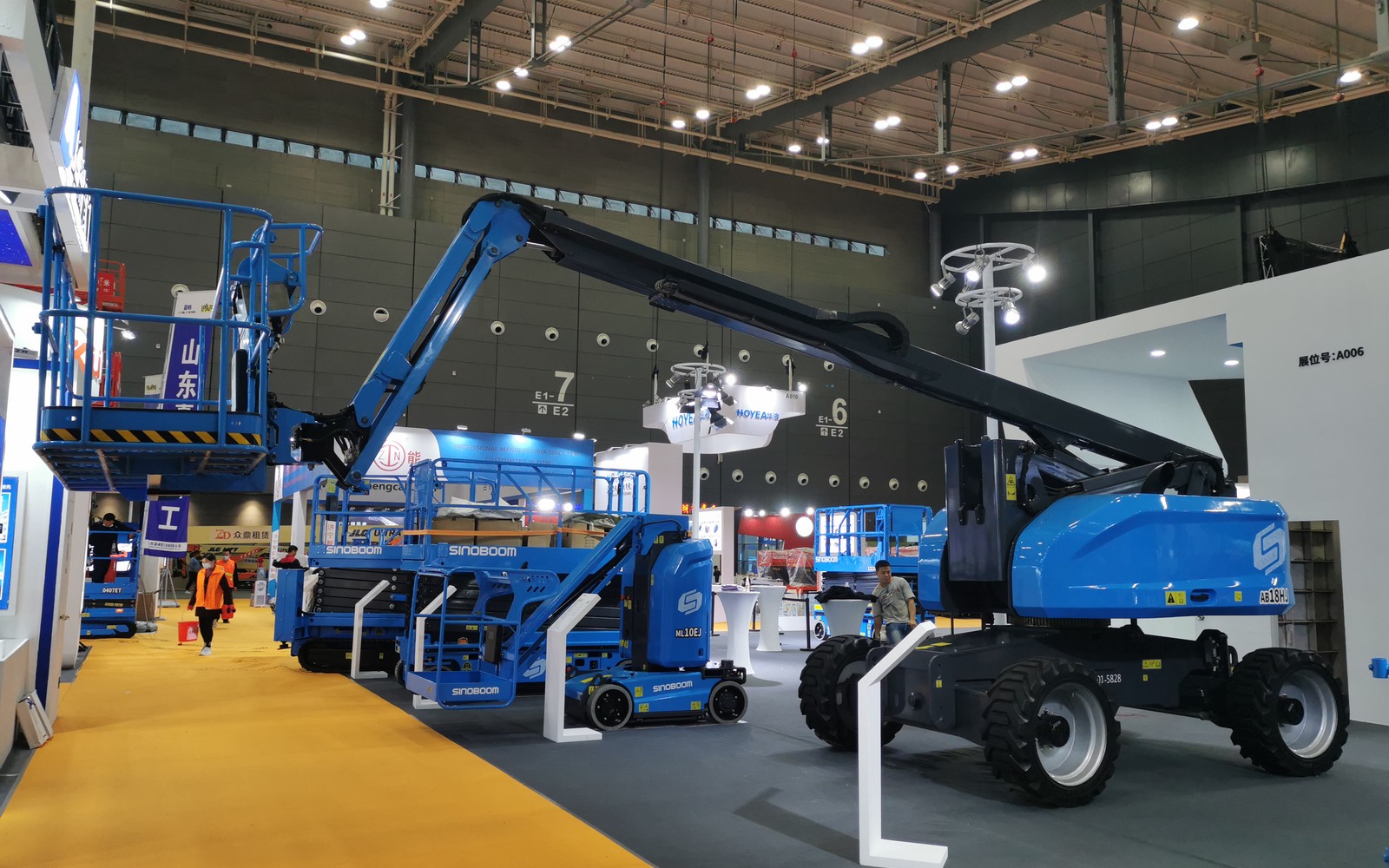
Warehouse and distribution centers need scissor lifts and vertical mast lifts for racking maintenance, lighting, and overhead work. Finance warehouse aerial.

Approval is more than a credit score.

Roofing Contractors
  • Priced on the asset — deck height, hours, and resale strength carry the file.
  • Application-only up to $500,000 — financials stay in the drawer.
  • New, used, dealer, auction, or private party — all fundable.
  • Startups and challenged credit get structure, not a form rejection.
Steel Erection Contractors

A 40-foot clear warehouse ceiling and 30,000 square feet of racking does not maintain itself. Changing a bulb 35 feet up, adjusting a beam level on a selective rack row, pulling an inventory label off a high bay, or running a new conduit run overhead all require a platform at height. The warehouse that owns the right scissor lift or vertical mast lift has that platform available in five minutes. The warehouse that rents calls the yard, waits for delivery, signs the rental agreement, and discovers the delivery is for tomorrow. We fund aerial lifts for warehouse and distribution operators from $50,000 on up, new or used, statement-led review below about $400,000.

Utility And Lineworkers
The Lifts That Warehouses Actually Run

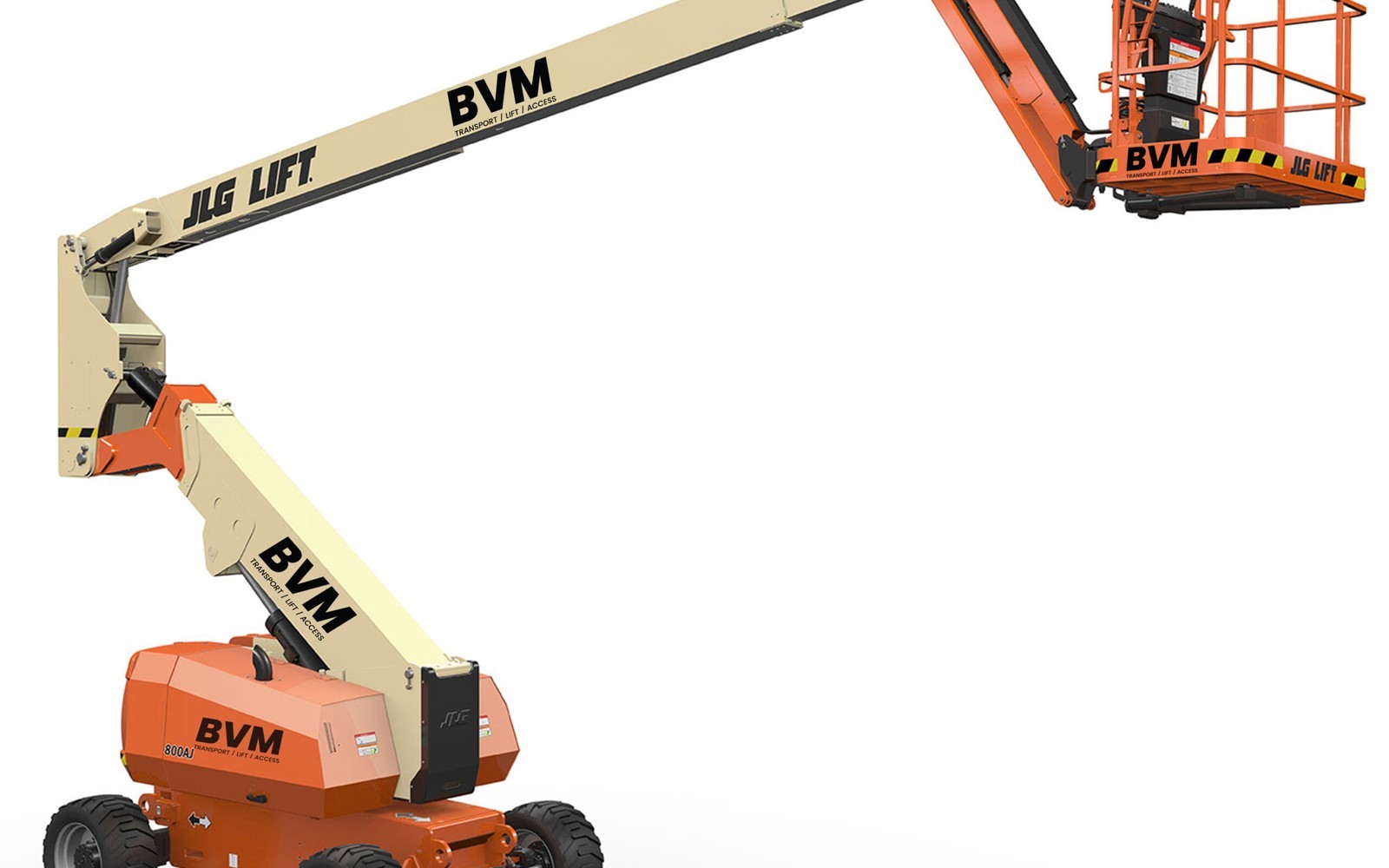
Standard-height commercial and industrial warehouses up to 30 feet of clear height are served almost entirely by electric scissor lifts. A 26-foot slab scissor lift hits the most common working heights, handles two workers and a tool load safely, and runs on a battery that covers a full shift. For the narrower aisles of a selective racking system, a narrow-aisle scissor lift fits between standard rack bays without requiring a spotter to clear traffic. These units are the workhorses of distribution center maintenance and are owned by most serious warehouse operators rather than rented.

High-bay warehouses with 40 to 60 feet of clear height, the class of building that serves e-commerce fulfillment, cold-storage, and bulk distribution, require taller platforms. A 40-foot scissor lift is the standard unit for this range. Some high-bay facilities push to 50 to 60 feet of clear height, where a large electric scissor lift on a slab floor remains the preferred access tool for routine maintenance because of its stability, load capacity, and non-destructive operation on a sealed concrete floor.

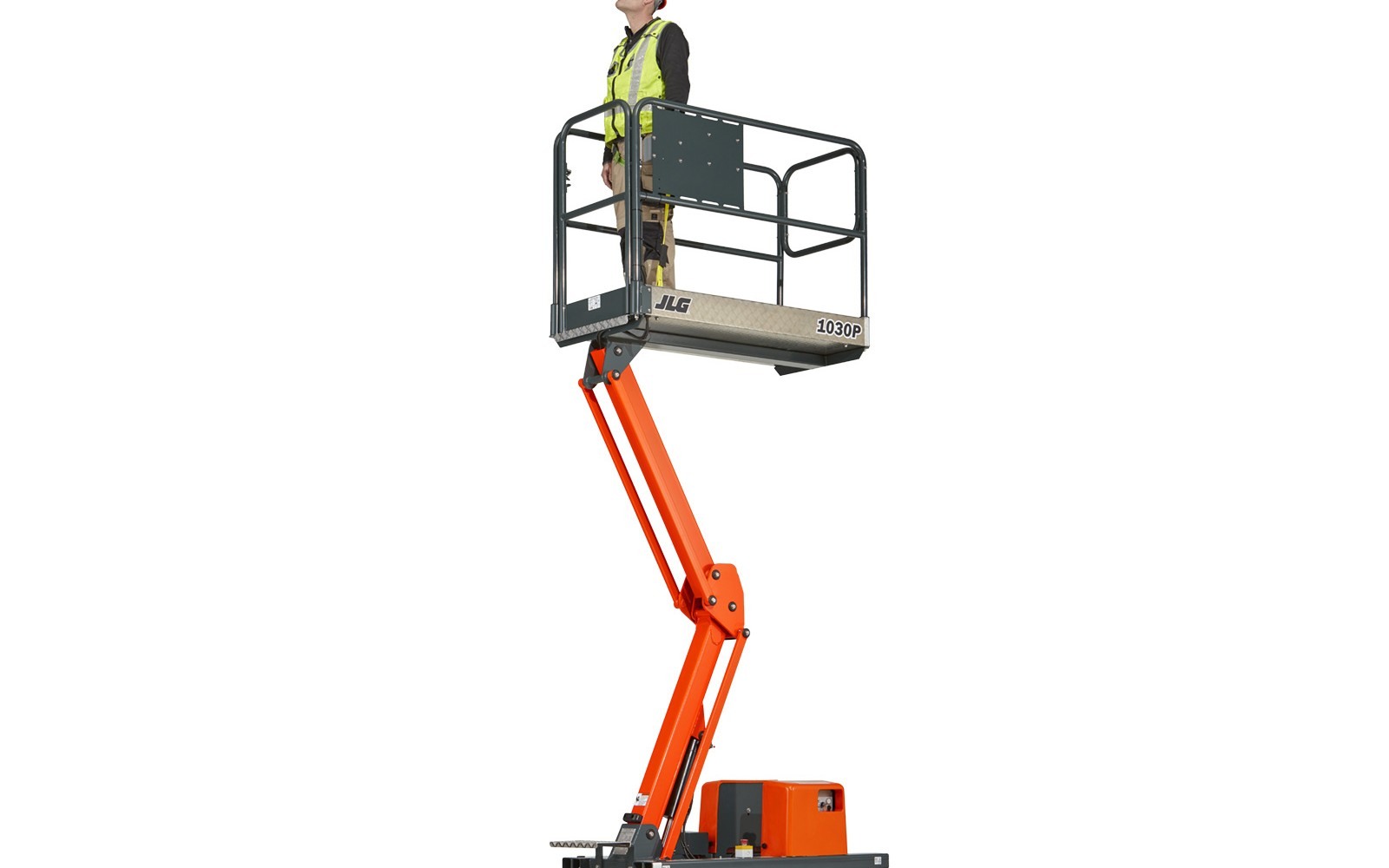
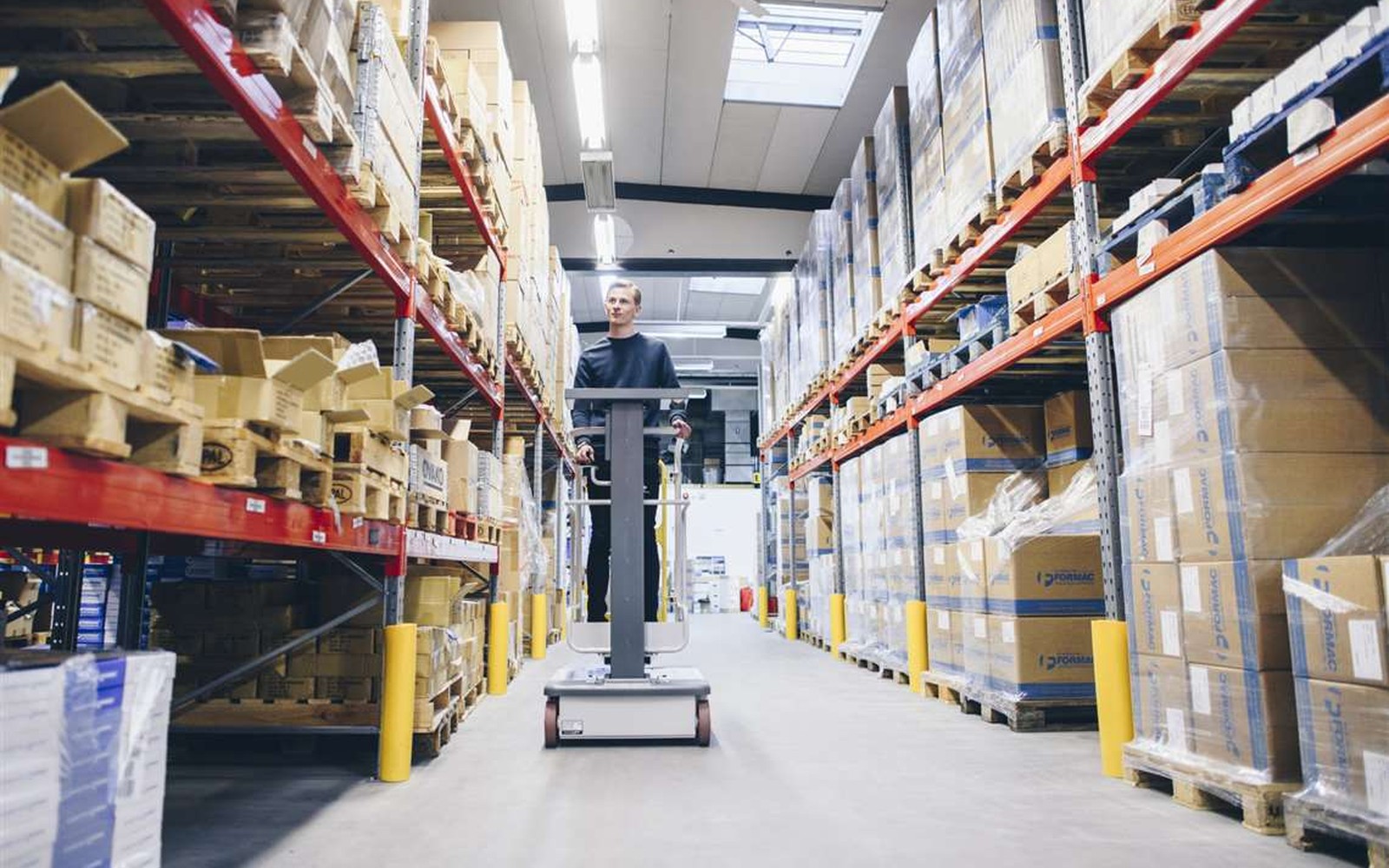
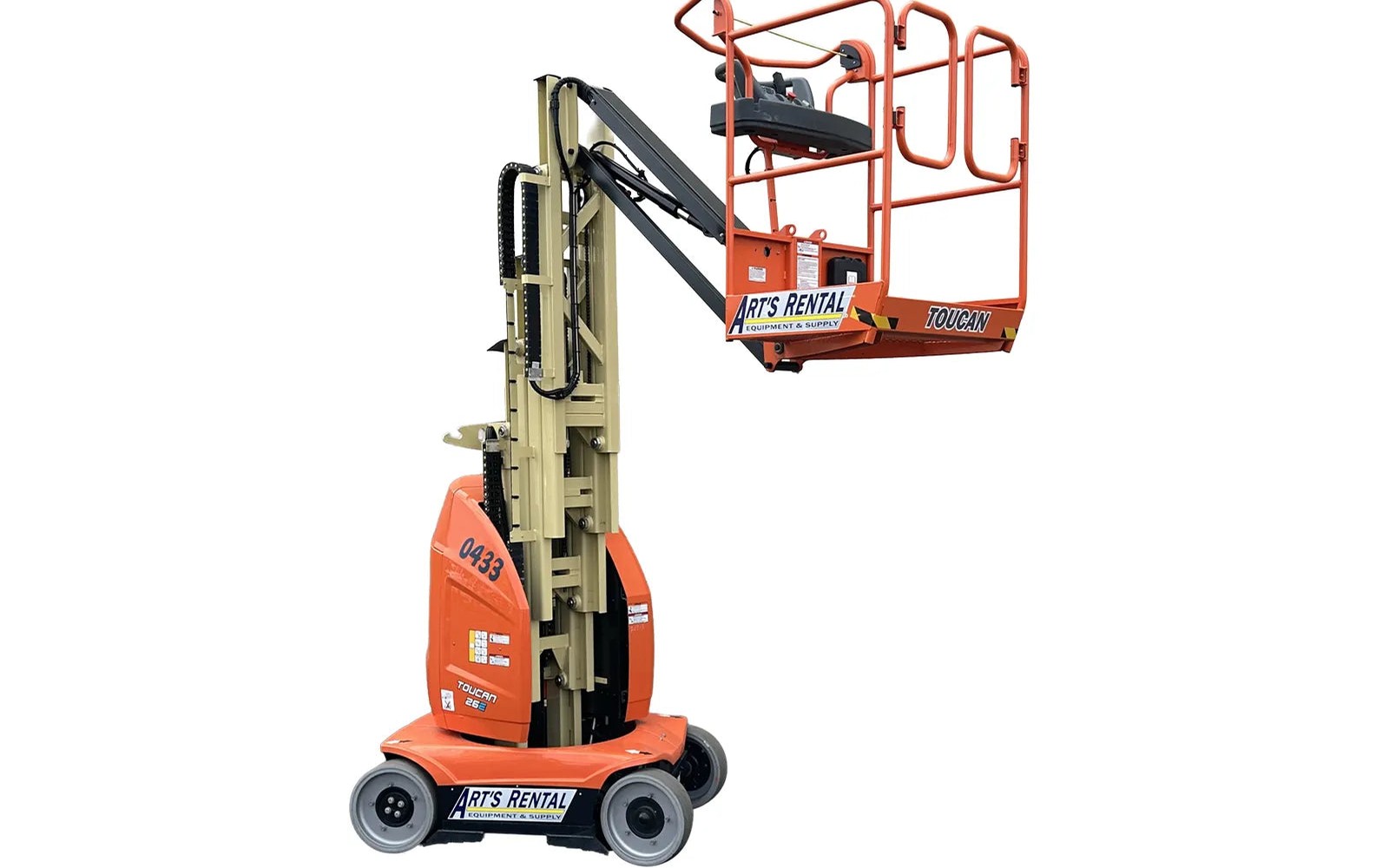
For single-operator work in aisles, a vertical mast lift offers a compact, one-person solution that fits between rack rows and reaches 20 to 30 feet. It is quiet, charges overnight, and takes up minimal floor space when stored. Distribution centers that have an in-house maintenance tech who regularly works at height find the mast lift more practical than a full-size scissor for many routine tasks.

Wide-span skylights, lighting systems on high-bay ceilings, fire suppression riser maintenance, and dock leveler installations are the recurring maintenance tasks that drive aerial lift use in distribution operations. These tasks do not justify a rental for every occurrence; they justify owned equipment that lives in the facility and gets used as the work arises.

Aircraft And Mro Hangars
Warehouse Operators Who Benefit From Ownership

Owner-operated warehouses and distribution centers that manage their own maintenance have the clearest case for lift ownership. If the facility has an in-house maintenance crew, the lift stays in the building, charges overnight, and is available within minutes of a work order. The monthly payment on a financed scissor lift is often less than the cost of two or three rental days per month, which is the usage pattern most active warehouse maintenance programs generate.

Third-party logistics providers, contract distribution operators, and fulfillment centers carrying out work for multiple clients need consistent overhead access for cycle counting, relabeling, racking reconfiguration, and periodic inspection. Those facilities typically own two or more lift units to keep maintenance operations running without scheduling conflicts.

Commercial real estate operators and building owners who manage their own industrial or flex-warehouse properties also fall in this category. A landlord maintaining a 200,000 square-foot industrial park needs lift access across multiple buildings for periodic common-area lighting and mechanical maintenance. Owning one or two scissor lifts eliminates the rental dependency on repetitive landlord maintenance tasks.

Low Level Access Lift
Common questions
Answers from the desk.

We are setting up a new distribution center and need five scissor lifts. Can we finance all five at once?

Yes. Multi-unit purchases can be structured as a single deal or as a master facility. If the total is under $400,000, application-only processing typically covers the full package. Above that threshold, full documentation is required but the deal is still straightforward.

Our warehouse facility has sealed epoxy floors. Can we run a scissor lift on them without damage?

Electric scissor lifts with non-marking tires are designed for use on finished and coated concrete floors. The operational concern is any spill from the battery or hydraulics, which is why most warehouse operators keep a drip pan under the unit during charging. The financing is not affected by floor type.

Can I finance a scissor lift for a warehouse I own and a separate one for a tenant improvement project?

Yes. Multiple transactions for different use cases are each their own deal. Each application is straightforward if the underlying business qualifies.

We lease the warehouse space and do not own the building. Does that affect the financing?

Leasing the building does not affect equipment financing. The collateral is the equipment itself, not the real estate. The business's creditworthiness and revenue are the underwriting basis, and the lift is titled to you regardless of whether you own or lease the facility.

Can we pull cash out of a scissor lift we already own outright to fund a racking expansion?

A sale-leaseback converts that owned equipment to cash. We purchase the titled unit at fair market value, pay you, and lease it back to you. The cash goes wherever the business needs it. The unit stays in the warehouse doing the same maintenance work it was already doing.

Common Questions on Warehouse & Distribution Operators

Straight answers before you send the equipment file.

We are setting up a new distribution center and need five scissor lifts. Can we finance all five at once?

Yes. Multi-unit purchases can be structured as a single deal or as a master facility. If the total is under $400,000, application-only processing typically covers the full package. Above that threshold, full documentation is required but the deal is still straightforward.

Our warehouse facility has sealed epoxy floors. Can we run a scissor lift on them without damage?

Electric scissor lifts with non-marking tires are designed for use on finished and coated concrete floors. The operational concern is any spill from the battery or hydraulics, which is why most warehouse operators keep a drip pan under the unit during charging. The financing is not affected by floor type.

Can I finance a scissor lift for a warehouse I own and a separate one for a tenant improvement project?

Yes. Multiple transactions for different use cases are each their own deal. Each application is straightforward if the underlying business qualifies.

We lease the warehouse space and do not own the building. Does that affect the financing?

Leasing the building does not affect equipment financing. The collateral is the equipment itself, not the real estate. The business's creditworthiness and revenue are the underwriting basis, and the lift is titled to you regardless of whether you own or lease the facility.

Can we pull cash out of a scissor lift we already own outright to fund a racking expansion?

A sale-leaseback converts that owned equipment to cash. We purchase the titled unit at fair market value, pay you, and lease it back to you. The cash goes wherever the business needs it. The unit stays in the warehouse doing the same maintenance work it was already doing.

Get Terms on Warehouse & Distribution Operators

Tell us what you are buying, who is selling it, and when you need it earning. We will review the file and point you to the next step.

Get Loan Terms →Call (713) 375-4374