Tree Care & Arborist Companies

Tree Care & Arborist Companies

Industries We Serve / Tree Care & Arborist Companies

Tree Care & Arborist Companies

Aerial lifts give arborist and tree service crews safer access to canopy work, pruning, and removal in tight spaces. Finance aerial tree care lifts from $50k.

Approval is more than a credit score.

General Contractors
  • Priced on the asset — deck height, hours, and resale strength carry the file.
  • Application-only up to $500,000 — financials stay in the drawer.
  • New, used, dealer, auction, or private party — all fundable.
  • Startups and challenged credit get structure, not a form rejection.
Painting Contractors

Climbing has its place, but an aerial lift gets four people to the canopy of a 70-foot silver maple in a time that puts the rope team to shame, and it keeps a trained arborist safer than a spur-and-rope situation in a dead or structurally compromised tree. Tree care companies that add a tracked or rubber-tired aerial lift to the fleet are not replacing climbing; they are unlocking the jobs that climbing does not serve well, tight commercial property work, municipal contracts with sight-line requirements, and large-tree removal in high-consequence zones where a climber in a failing crown is the wrong tool for the job. We fund aerial lifts for tree care companies from $50,000 on up, new or used, credit history weighed against lift value.

Solar Installation Contractors
Which Aerial Lifts Tree Service Companies Run

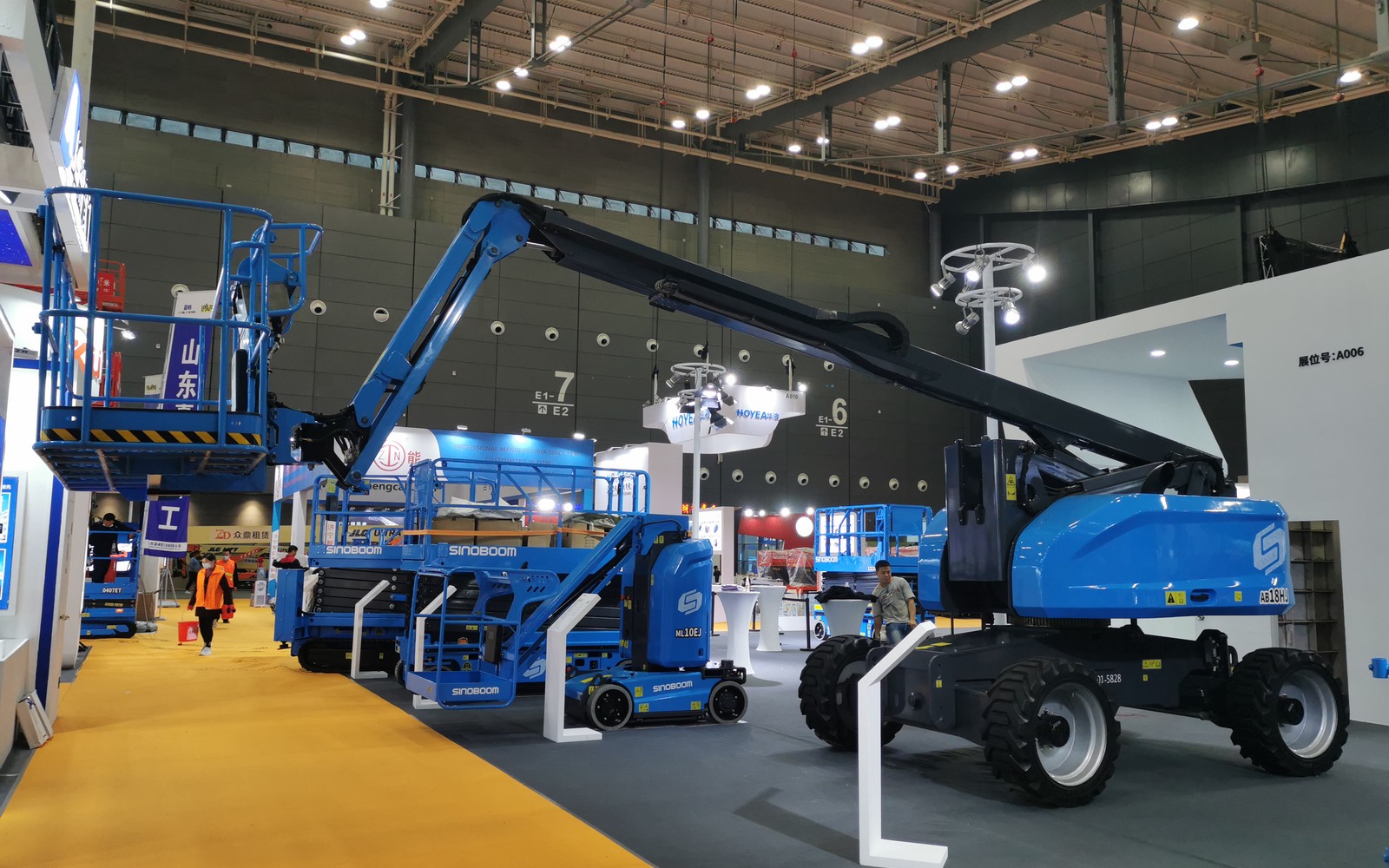
The most common aerial lift in arboriculture is a compact tracked spider lift. Spider lifts on rubber tracks have low ground pressure, fit through residential gates and into tight backyard spaces that a rubber-tired machine cannot enter, and can work on slopes and uneven terrain that would park a conventional boom. Companies like Teupen and Niftylift have models built specifically for tree care applications, with working heights from 50 to over 100 feet and the ability to get onto residential property through a standard gate opening.

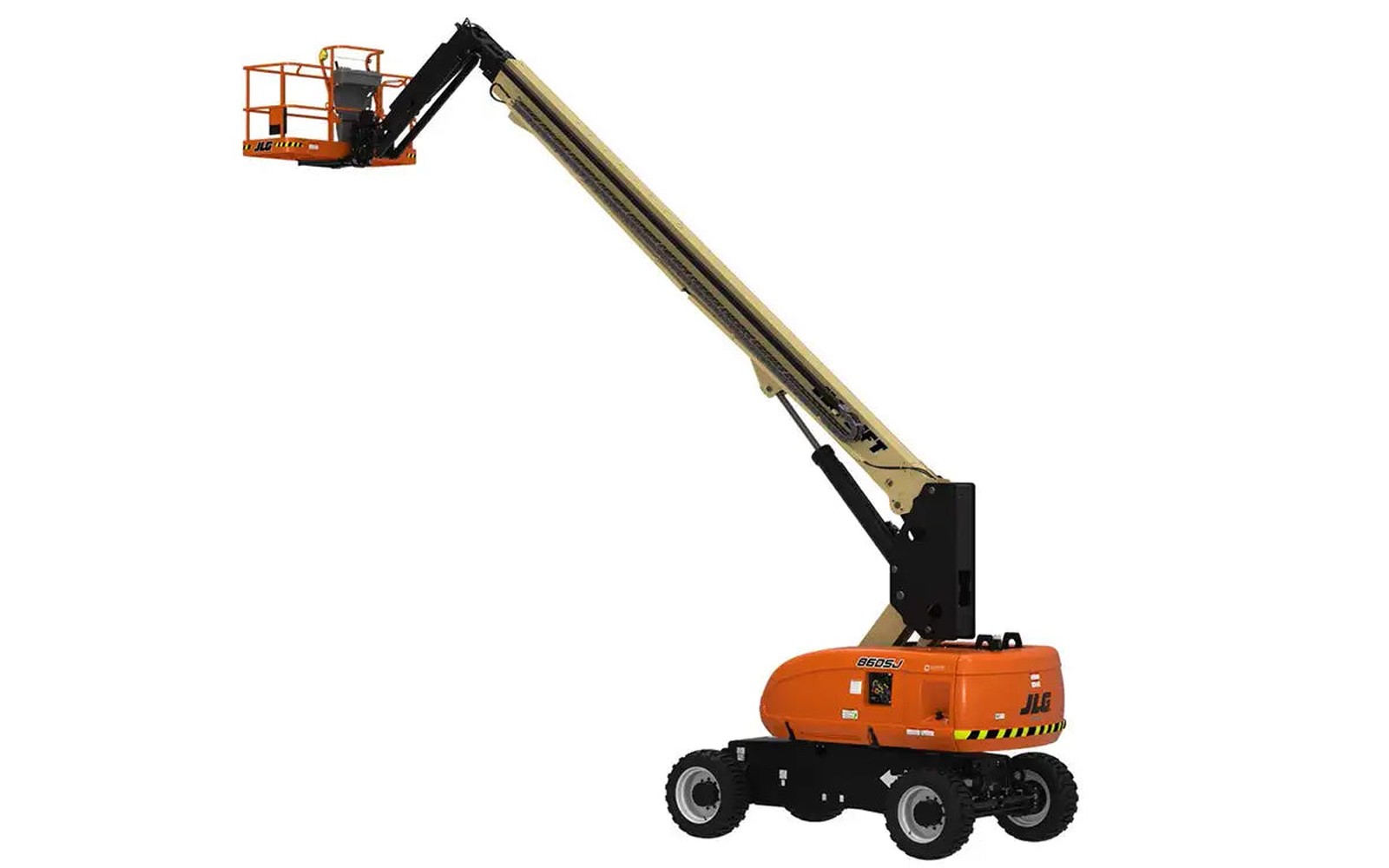
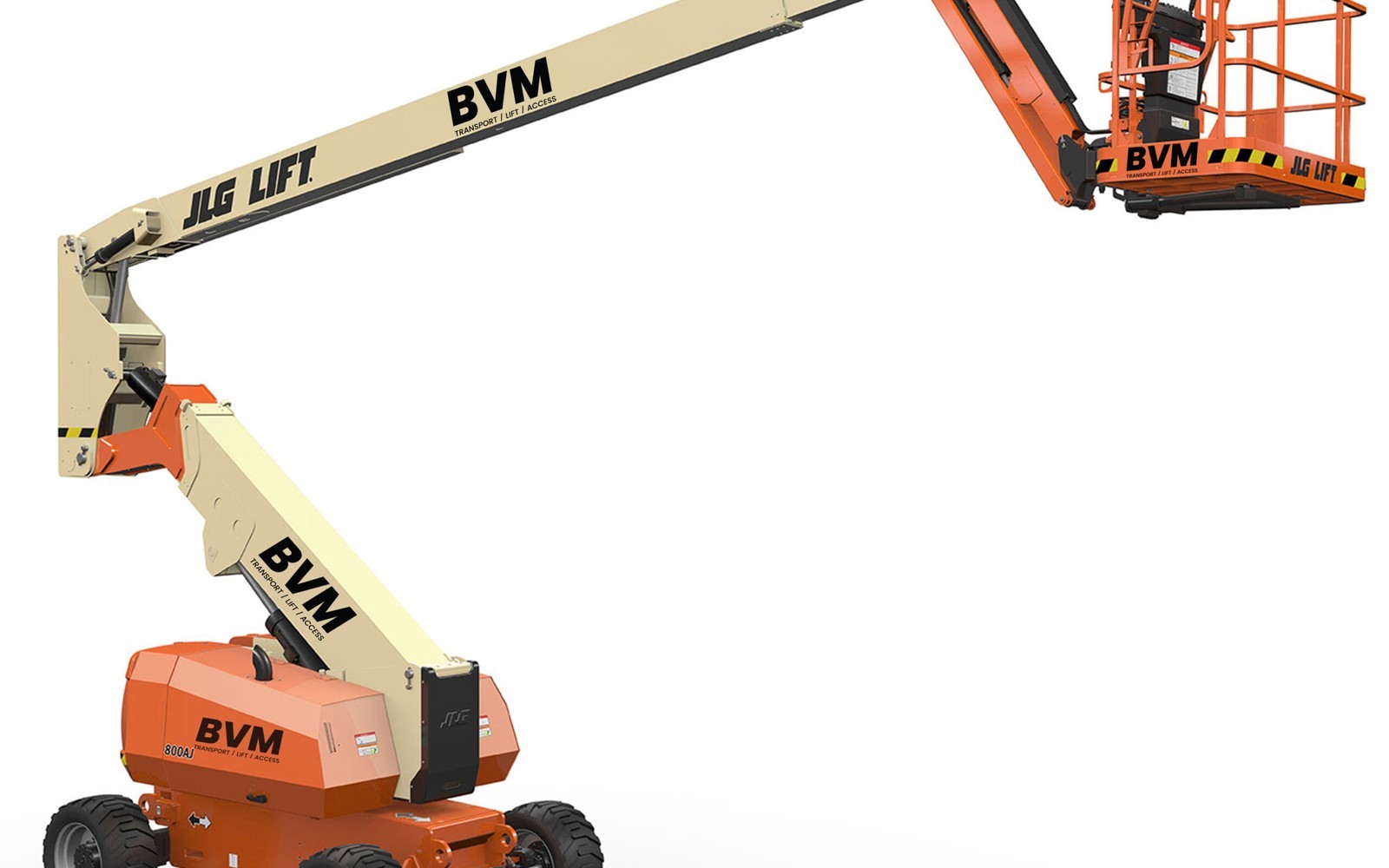
For municipal and utility tree work on road rights-of-way, standard rubber-tired rough-terrain boom lifts work well. The crew positions on the shoulder or sidewalk, extends to the canopy, and works without the setup time and physical demand of a full climb. A 60 to 80-foot rough-terrain articulating boom covers most street-tree pruning and trimming work from a stable road-side position.

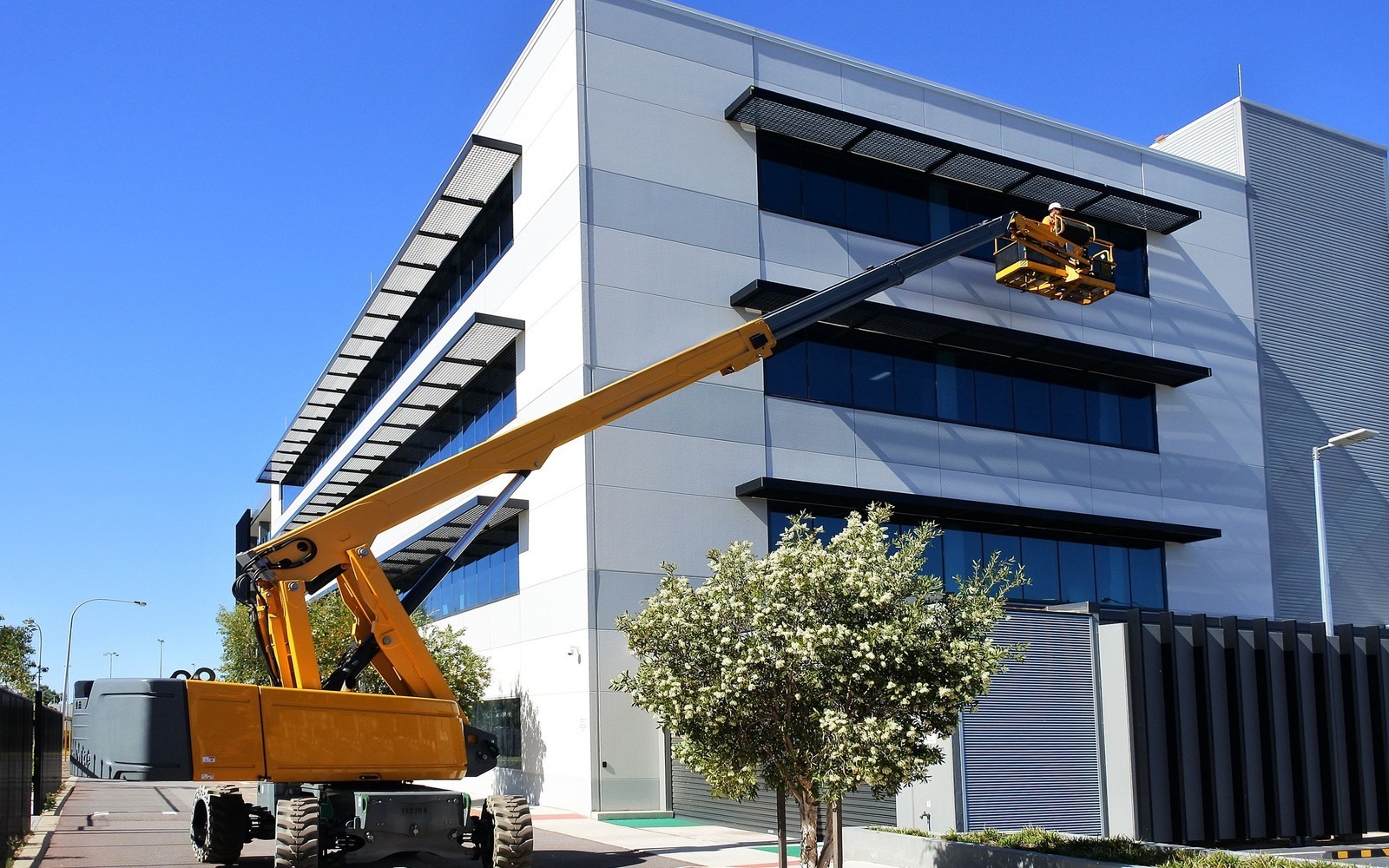
Large commercial removal work, including dead elms, diseased ashes, and hazard trees near structures in commercial or institutional landscapes, often uses a telescopic boom positioned to allow the climber to work from the basket rather than from ropes. The additional stability and the ability to reposition quickly without re-rigging a new anchor makes bucket work faster and reduces crew exposure on failing trees. A 60 to 80-foot telescopic boom covers most large-tree removal scenarios where site access permits a rubber-tired machine.

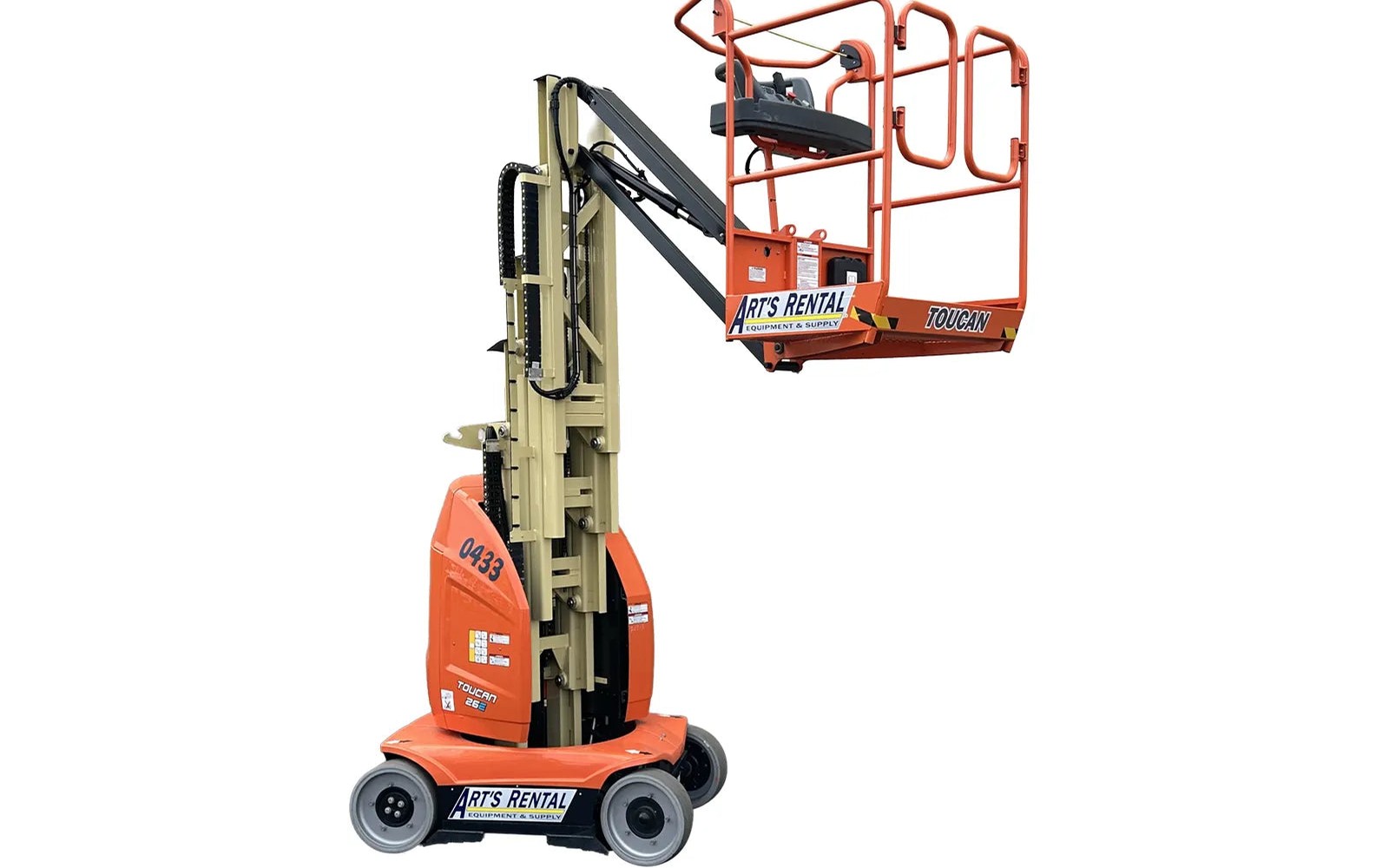
Compact towable boom lifts in the 40 to 50-foot class are a lower-cost entry point for smaller tree care operations that want aerial capability without the full investment in a larger self-propelled unit. These are towed with a standard pickup or service truck, set up quickly, and handle canopy pruning on medium-sized trees in accessible suburban lots where a spider lift is not necessary.

Tree Care And Arborists
Who Benefits From Owning an Aerial Lift

The tree care companies that get the most from owned aerial equipment are those doing a consistent volume of commercial, municipal, or institutional work. A company contracted by a municipality for annual tree maintenance is doing the same work repeatedly on the same classes of trees, and a spider lift or rubber-tired boom eliminates the rental dependency on that contract. A commercial landscape maintenance company maintaining trees on corporate campuses, retail centers, or institutional grounds has similar utilization patterns.

Residential tree services that do a high volume of large-tree work in established neighborhoods with mature canopy, where access to the rear of properties with big oaks and maples is a constant challenge, are natural candidates for a tracked spider lift. The ability to enter a backyard through a 36-inch gate and position at a 75-foot working height is a direct competitive advantage over a climbing-only crew.

Storm response and emergency tree work is another use case where owned equipment matters. A company with its own aerial lift can respond immediately to emergency removals without waiting for a rental unit. Emergency call rates are higher than routine work rates, so the value of availability during a storm event is substantial.

Low Level Access Lift
Common questions
Answers from the desk.

Can I finance a tracked spider lift for residential tree work?

Yes. Spider lifts and tracked aerial platforms are financed the same way as conventional rubber-tired booms. Teupen, Niftylift, and similar tracked specialty lifts are equipment we fund regularly.

My tree company is seasonal with most revenue coming in spring and fall. Does that hurt the application?

Seasonal revenue patterns are common in tree care and are not disqualifying. We look at the full three months of statements rather than any single month. If the business generates enough aggregate revenue to support the payment, the seasonal pattern is understandable context, not a red flag.

I want to buy a used spider lift from a tree company that is retiring. Can I finance a private-party purchase?

Yes. Private-party purchases are financeable with a purchase agreement and a clean title. We run a lien search to confirm the unit is free and clear. Used spider lifts from established tree care companies are often in excellent condition for their hours and are a good value.

Does the lift need to meet any specific arborist standards to qualify for financing?

No regulatory standard applies at the financing level. The equipment needs to be an identifiable, titled aerial work platform with a legible serial number. Any operational compliance requirements are the owner's responsibility during use.

Can I finance the aerial lift and the chip truck as one deal?

We specialize in aerial lift financing. A chip truck or chipper would be a separate transaction with an appropriate vehicle or equipment lender. We focus on the lift as our piece of the deal.

Common Questions on Tree Care & Arborist Companies

Straight answers before you send the equipment file.

Can I finance a tracked spider lift for residential tree work?

Yes. Spider lifts and tracked aerial platforms are financed the same way as conventional rubber-tired booms. Teupen, Niftylift, and similar tracked specialty lifts are equipment we fund regularly.

My tree company is seasonal with most revenue coming in spring and fall. Does that hurt the application?

Seasonal revenue patterns are common in tree care and are not disqualifying. We look at the full three months of statements rather than any single month. If the business generates enough aggregate revenue to support the payment, the seasonal pattern is understandable context, not a red flag.

I want to buy a used spider lift from a tree company that is retiring. Can I finance a private-party purchase?

Yes. Private-party purchases are financeable with a purchase agreement and a clean title. We run a lien search to confirm the unit is free and clear. Used spider lifts from established tree care companies are often in excellent condition for their hours and are a good value.

Does the lift need to meet any specific arborist standards to qualify for financing?

No regulatory standard applies at the financing level. The equipment needs to be an identifiable, titled aerial work platform with a legible serial number. Any operational compliance requirements are the owner's responsibility during use.

Can I finance the aerial lift and the chip truck as one deal?

We specialize in aerial lift financing. A chip truck or chipper would be a separate transaction with an appropriate vehicle or equipment lender. We focus on the lift as our piece of the deal.

Get Terms on Tree Care & Arborist Companies

Tell us what you are buying, who is selling it, and when you need it earning. We will review the file and point you to the next step.

Get Loan Terms →Call (713) 375-4374