Towable Boom Lift Financing

Towable Boom Lift Financing

Aerial Lifts We Finance / Towable Boom Lift Financing

Towable Boom Lift Financing

Finance a towable boom lift from $50k. New or used, credit history weighed against lift value, application-only up to $400k, funded in 1-2 weeks. Get your unit.

Approval is more than a credit score.

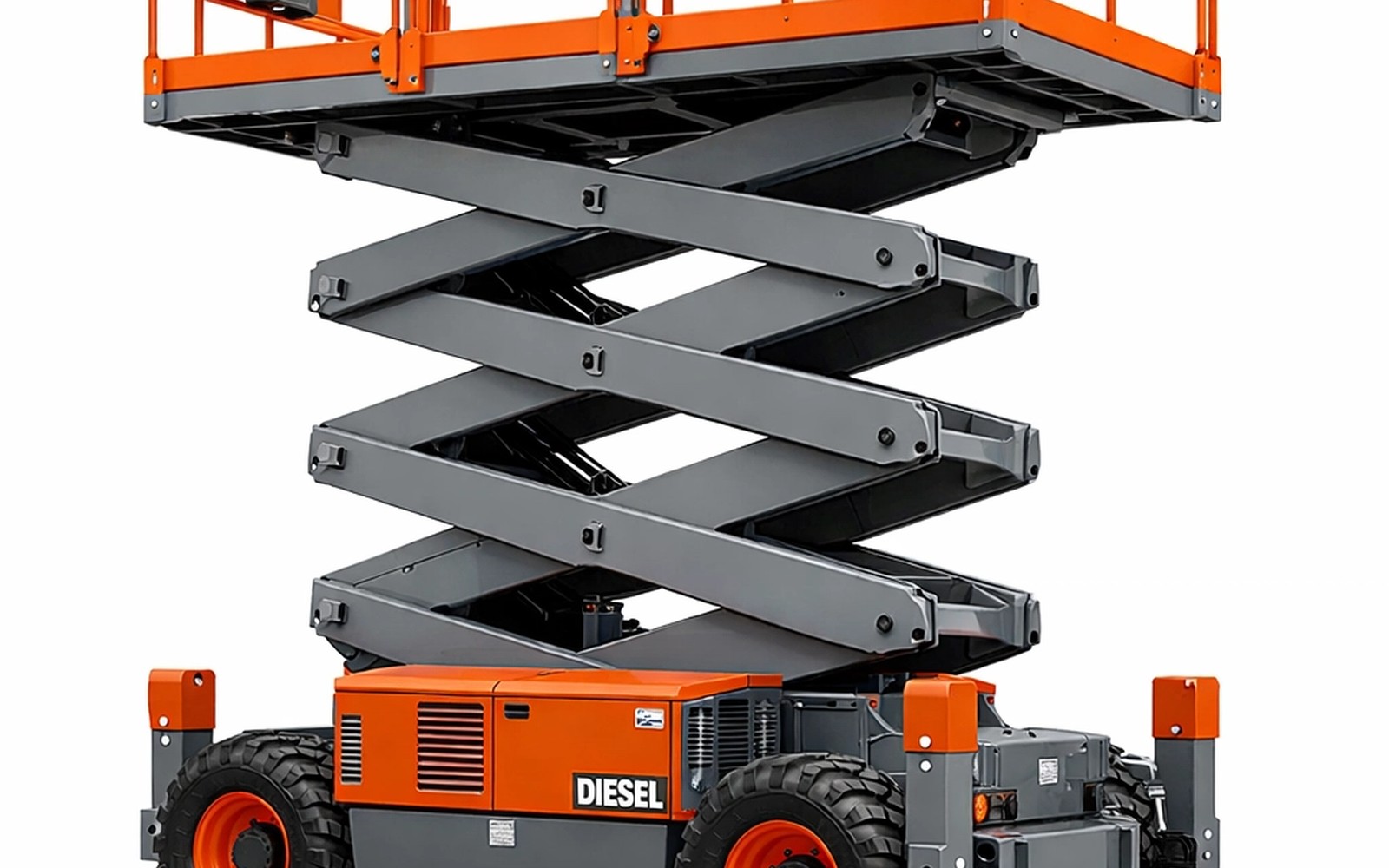
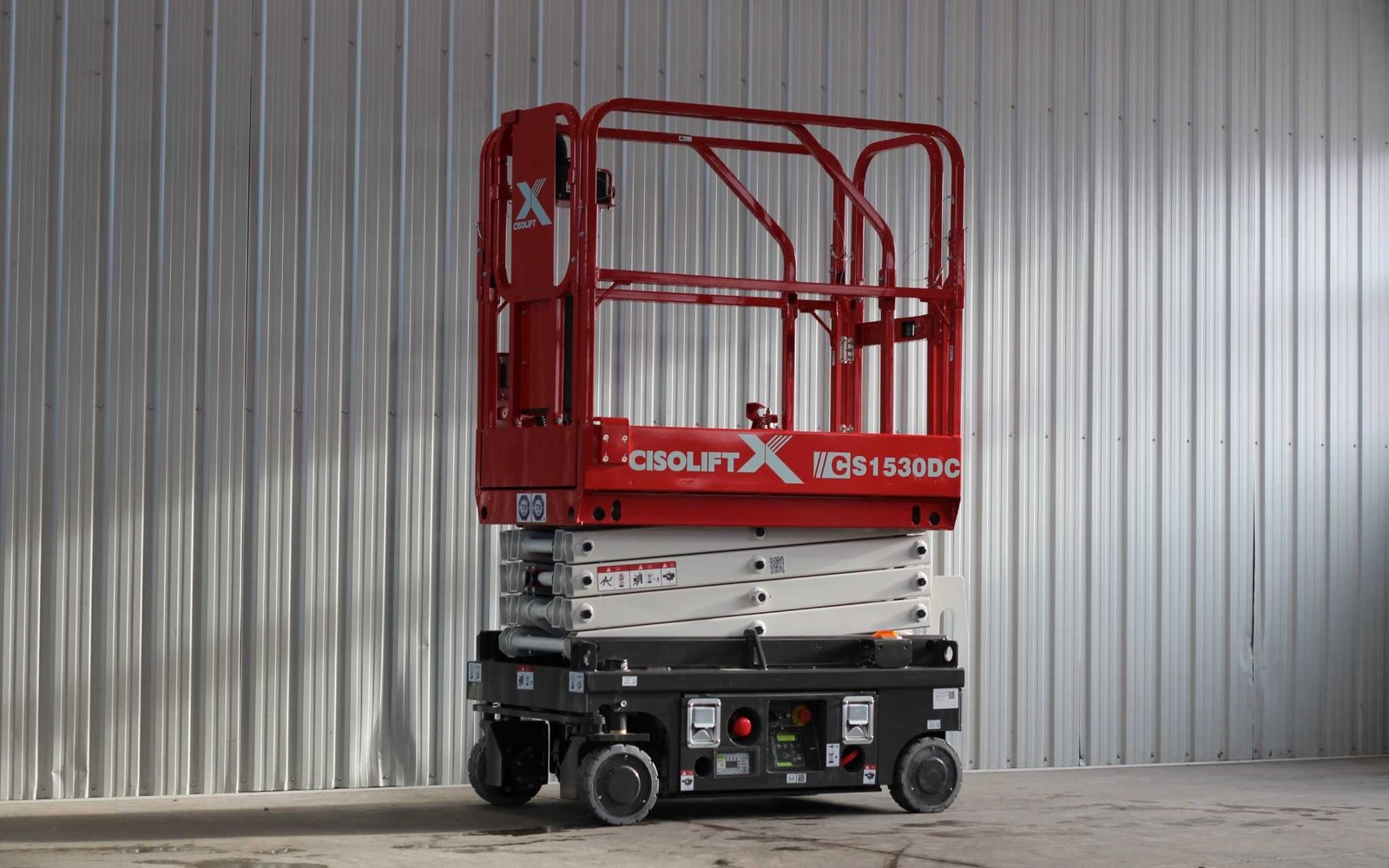
Scissor Lift
  • Priced on the asset — deck height, hours, and resale strength carry the file.
  • Application-only up to $500,000 — financials stay in the drawer.
  • New, used, dealer, auction, or private party — all fundable.
  • Startups and challenged credit get structure, not a form rejection.
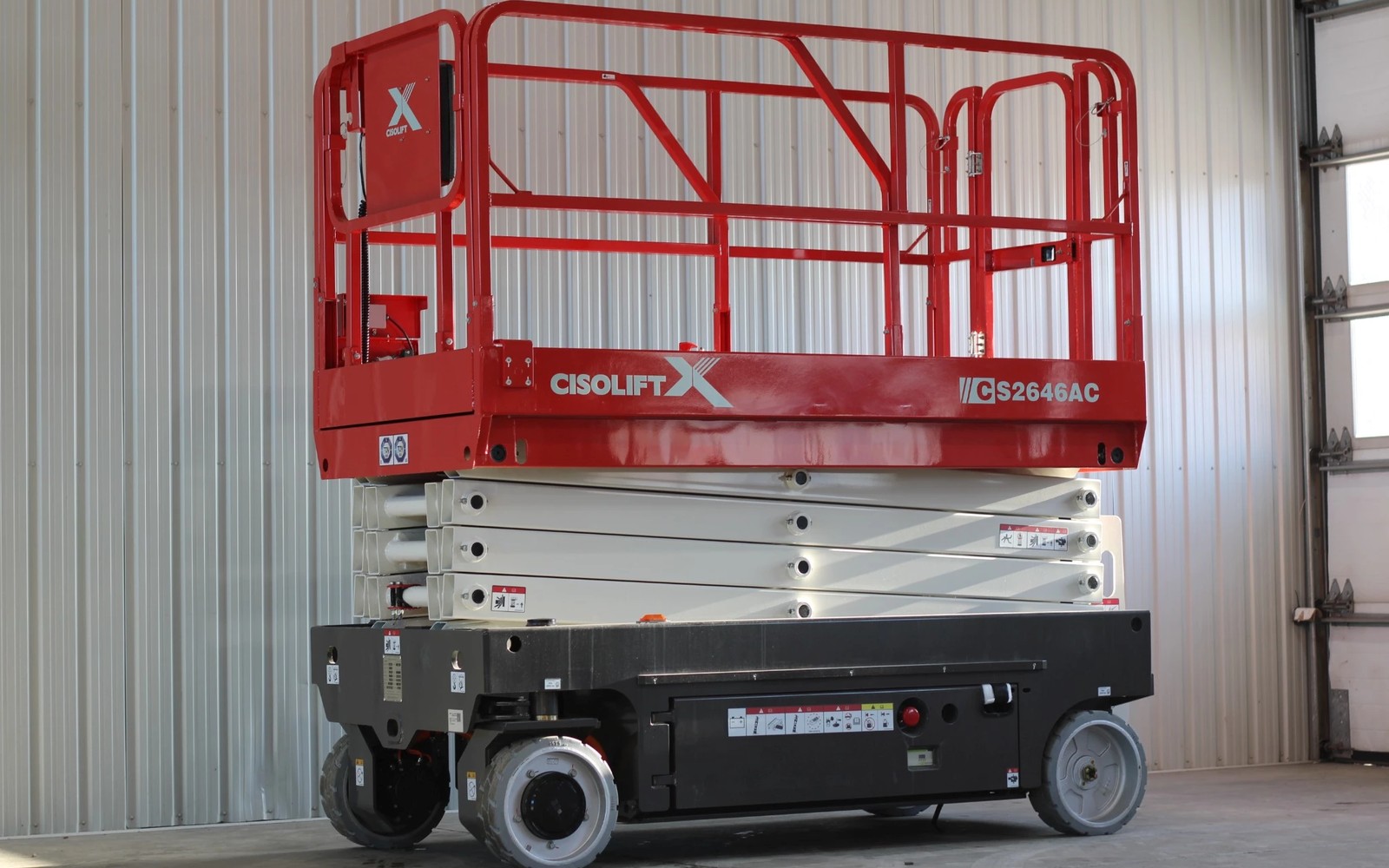
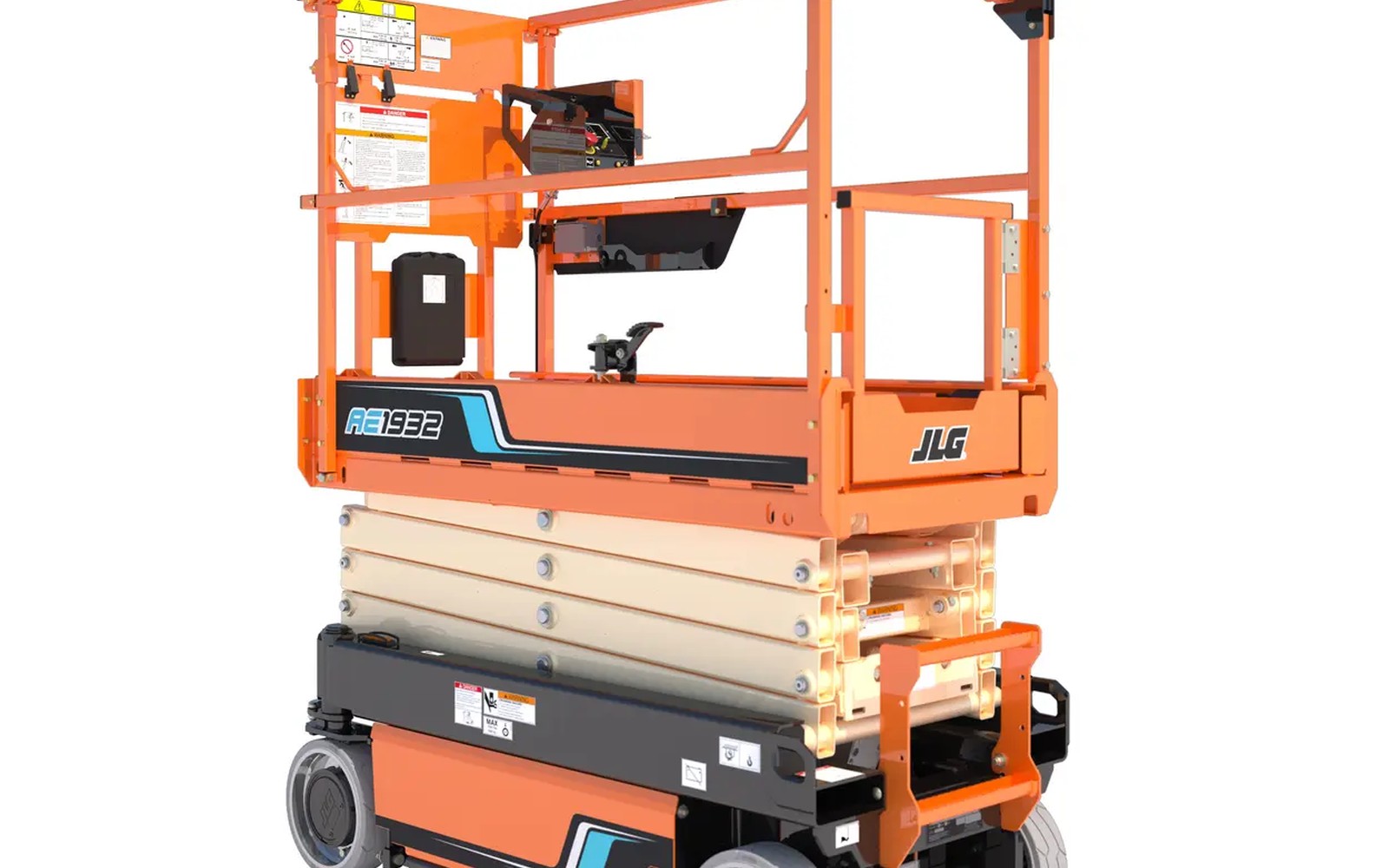
Slab Scissor Lift

A towable boom earns its rate card the moment the truck pulls onto the lot. No lowboy, no transport permit, no second driver. You hook it to a pickup, tow it to the site, and the crew is in the air inside twenty minutes. That simplicity is exactly why rental fleets and small contractors reach for towable units first when the job is commercial signage, exterior painting, or building envelope work at heights of 40 to 60 feet.

The price range on towable booms runs from roughly $25,000 for a basic used 40-foot unit up past $80,000 for a 60-foot articulating model with jib and generator. Most of the deals we fund sit in the $50,000 to $100,000 band, new or used, and we move fast because jobs don't wait on bank timelines. If you're adding a towable to a growing fleet or buying your first unit to keep work off the rental counter, we can get you funded in one to two weeks off three months of bank statements, no financials required for most deals under $400,000.

Towable booms serve a different buyer than a self-propelled RT unit does. You don't need a CDL to tow one on most configurations, the unit folds compact enough to store in a standard yard, and you avoid the transport costs that stack up when moving a rough-terrain boom between sites. For companies running multi-site residential and light commercial work, the math on owning a towable versus renting month after month is straightforward. We can help you run that math and close the deal the same week.

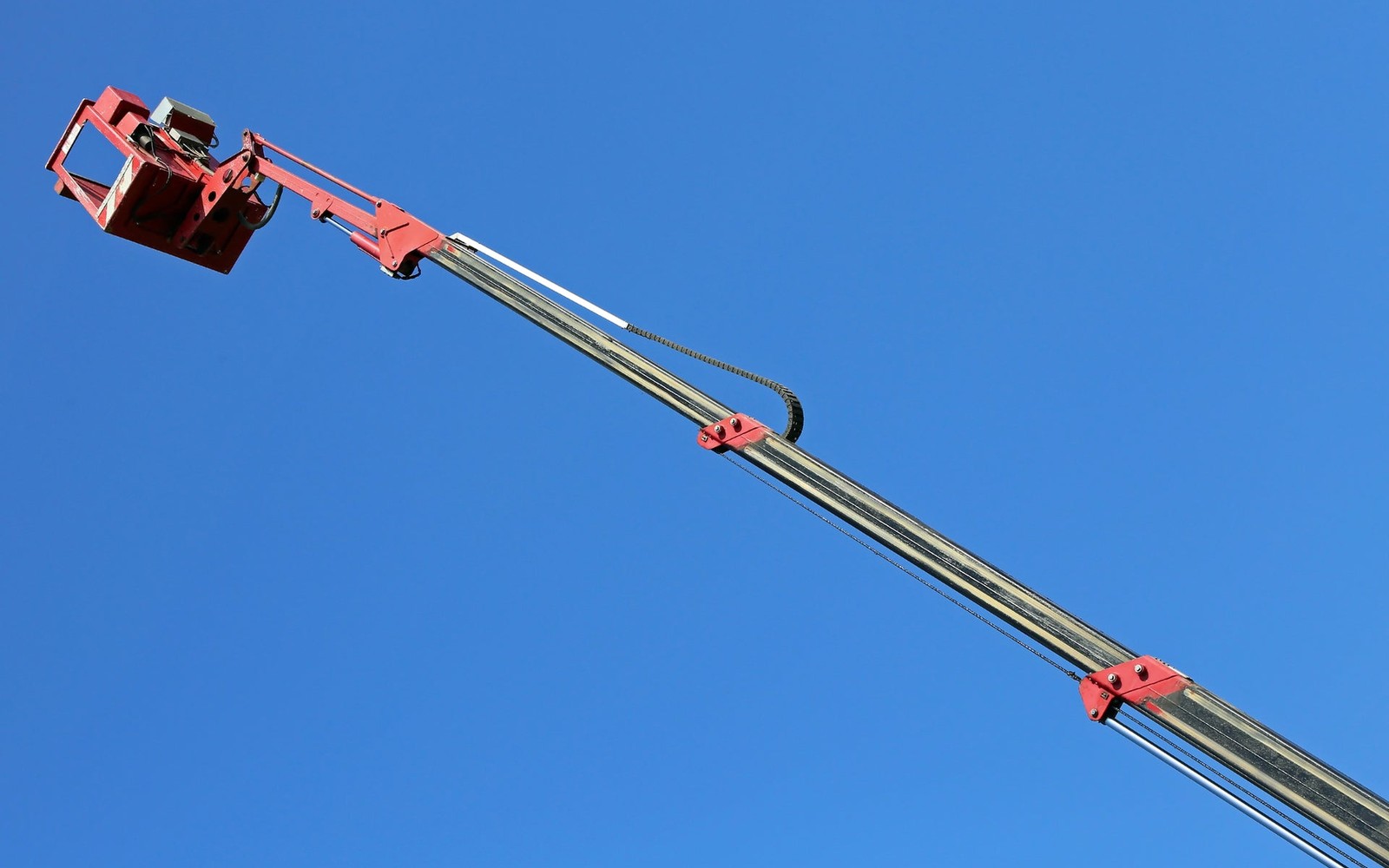
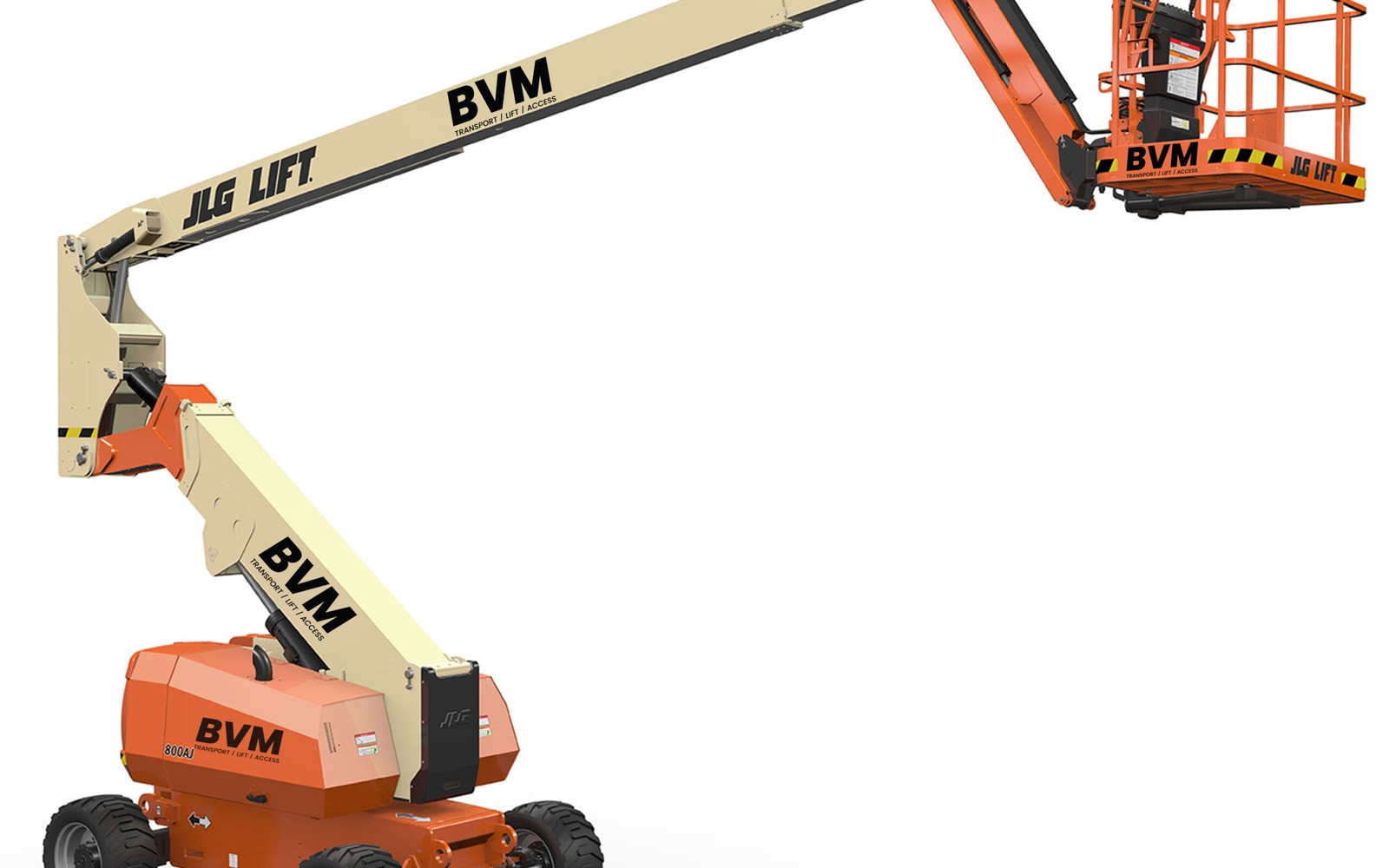
Telescopic Boom Lift
What Towable Boom Lifts Actually Do

What Towable Boom Lifts Actually Do

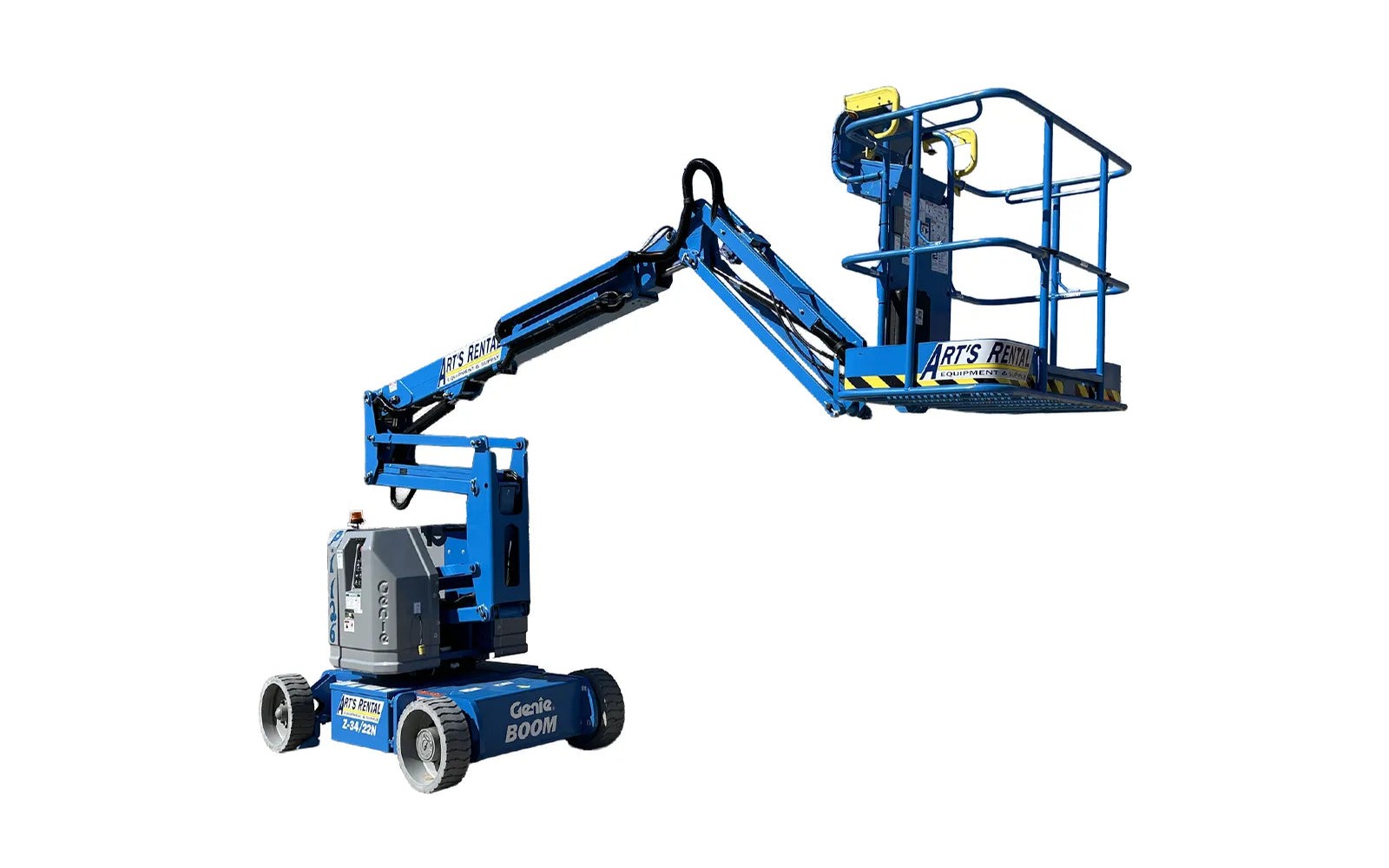
The working height on towable booms ranges from about 40 feet on entry units to 66 feet on the largest articulating models. Platform capacity is typically 500 to 600 pounds, enough for one or two workers with tools and a modest material load. The articulating versions add a jib section that lets you reach over obstacles or into building recesses, which makes them the right call for sign installation and exterior lighting work where a straight stick can't get the angle.

Most towable booms run on gasoline or propane engines, though some smaller units are dual-fuel. Setup is straightforward: you lower the outriggers or stabilizer pads, check the grade, and extend the boom. Operators without extensive aerial experience can typically learn the controls in an afternoon. That ease of use matters for painting and coating contractors who rotate staff between projects and don't want a unit that requires a specialist every time it moves.

Battery-electric towable models have entered the market and are worth knowing about. They eliminate exhaust on enclosed or partially enclosed sites, but their runtime depends on ambient temperature and the duty cycle, so cold-weather operators should factor in charge logistics before speccing one. We finance both fuel and electric variants, and for mixed fleets we can structure the whole order as one deal rather than running separate applications on each unit.

For crews working alongside articulating boom lifts on larger commercial sites, a towable unit handles the lower elevation runs while the self-propelled machine takes the heights above 60 feet. Pairing them out of the same financing structure saves you a separate transaction for each piece.

Trailer Mounted Boom Lift
The Buyers Who Run Towable Booms

The Buyers Who Run Towable Booms

Painting and coating contractors represent the single largest buyer segment for towable booms. Exterior repaint on retail strips, warehouse facades, and mid-rise commercial buildings keeps a 46-foot towable busy six to eight months of the year in most markets. The unit tows between jobs without a transport bill, and the platform is wide enough for a two-man crew working with rollers and a spray rig.

Sign companies and electrical contractors are the second cluster. A 60-foot towable with an articulating head can reach parapet-mounted signage and high-bay lighting fixtures without setting up a bucket truck on a busy parking lot. The footprint is smaller and the unit is quieter than a truck-mounted boom, which matters in retail environments where the job has to happen while the store is open.

Rental companies buying their first or second towable boom should look at the utilization math before choosing between a 40-foot and a 50-foot model. The 50-foot commands a higher day rate and attracts a wider set of residential and commercial rental customers, but it also costs more to acquire and store. We've funded both and can structure the deal around your current rental revenue if that helps demonstrate the cash flow on paper.

Contractors who do roofing work often add a towable boom for gutter inspection, flashing jobs, and material staging at height without needing a full extension ladder crew. The ROI on a used towable is typically short when it replaces daily ladder-and-scaffold setups across multiple projects.

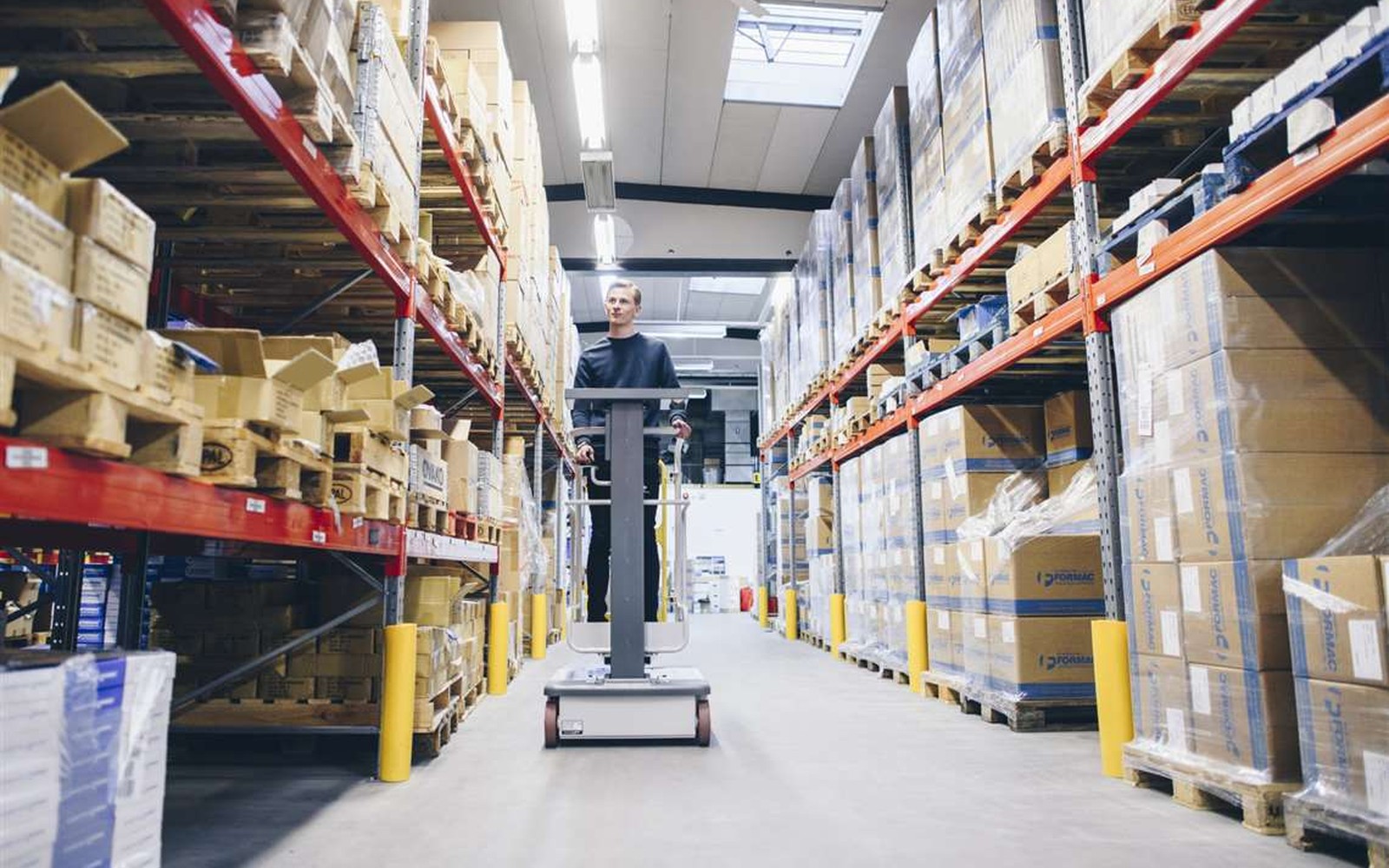
Low Level Access Lift
Common questions
Answers from the desk.

Do I need a CDL to tow a towable boom lift?

In most states, no. A towable boom lift typically falls under the 26,000-pound GVWR threshold for CDL requirements when towed behind a standard pickup or medium-duty truck. That said, state and local rules vary, and some larger 60-foot models on heavy trailers may push closer to the threshold. Always verify with your state DOT before putting the unit on the road.

Can I finance a towable boom I found through a private seller?

Yes. We handle private-party purchases regularly. You'll need a bill of sale, the serial number, and documentation of the unit's condition and hours. We run the value against current market comps and structure the deal the same way we would a dealer purchase.

What if I only need the unit for a six-month project season?

We can structure seasonal deferred-payment deals for operators who have distinct slow seasons. Rather than paying the same amount twelve months a year, the payment schedule steps up during your busy months and down during the off-season. Tell us your cash-flow pattern and we'll build around it.

Is a towable boom lift eligible for Section 179 expensing?

Generally yes, provided you use the equipment in your business and place it in service during the tax year. Section 179 lets you deduct the full purchase price up to current annual limits rather than depreciating it over years. Work with your accountant on the exact structure, but most financed towable booms qualify.

What working height do most contractors actually use?

The 46-foot and 50-foot models are the most common for light commercial work. Painting, sign installation, and exterior maintenance crews find that range covers the majority of jobs without the transport overhead of a larger unit. If most of your work is below 40 feet, a scissor lift may be a better spend than a towable boom.

Common Questions on Towable Boom Lift Financing

Straight answers before you send the equipment file.

Do I need a CDL to tow a towable boom lift?

In most states, no. A towable boom lift typically falls under the 26,000-pound GVWR threshold for CDL requirements when towed behind a standard pickup or medium-duty truck. That said, state and local rules vary, and some larger 60-foot models on heavy trailers may push closer to the threshold. Always verify with your state DOT before putting the unit on the road.

Can I finance a towable boom I found through a private seller?

Yes. We handle private-party purchases regularly. You'll need a bill of sale, the serial number, and documentation of the unit's condition and hours. We run the value against current market comps and structure the deal the same way we would a dealer purchase.

What if I only need the unit for a six-month project season?

We can structure seasonal deferred-payment deals for operators who have distinct slow seasons. Rather than paying the same amount twelve months a year, the payment schedule steps up during your busy months and down during the off-season. Tell us your cash-flow pattern and we'll build around it.

Is a towable boom lift eligible for Section 179 expensing?

Generally yes, provided you use the equipment in your business and place it in service during the tax year. Section 179 lets you deduct the full purchase price up to current annual limits rather than depreciating it over years. Work with your accountant on the exact structure, but most financed towable booms qualify.

What working height do most contractors actually use?

The 46-foot and 50-foot models are the most common for light commercial work. Painting, sign installation, and exterior maintenance crews find that range covers the majority of jobs without the transport overhead of a larger unit. If most of your work is below 40 feet, a scissor lift may be a better spend than a towable boom.
Get Terms on Towable Boom Lift Financing

Tell us what you are buying, who is selling it, and when you need it earning. We will review the file and point you to the next step.

Get Loan Terms →Call (713) 375-4374