HVAC & Mechanical Contractors

HVAC & Mechanical Contractors

Industries We Serve / HVAC & Mechanical Contractors

HVAC & Mechanical Contractors

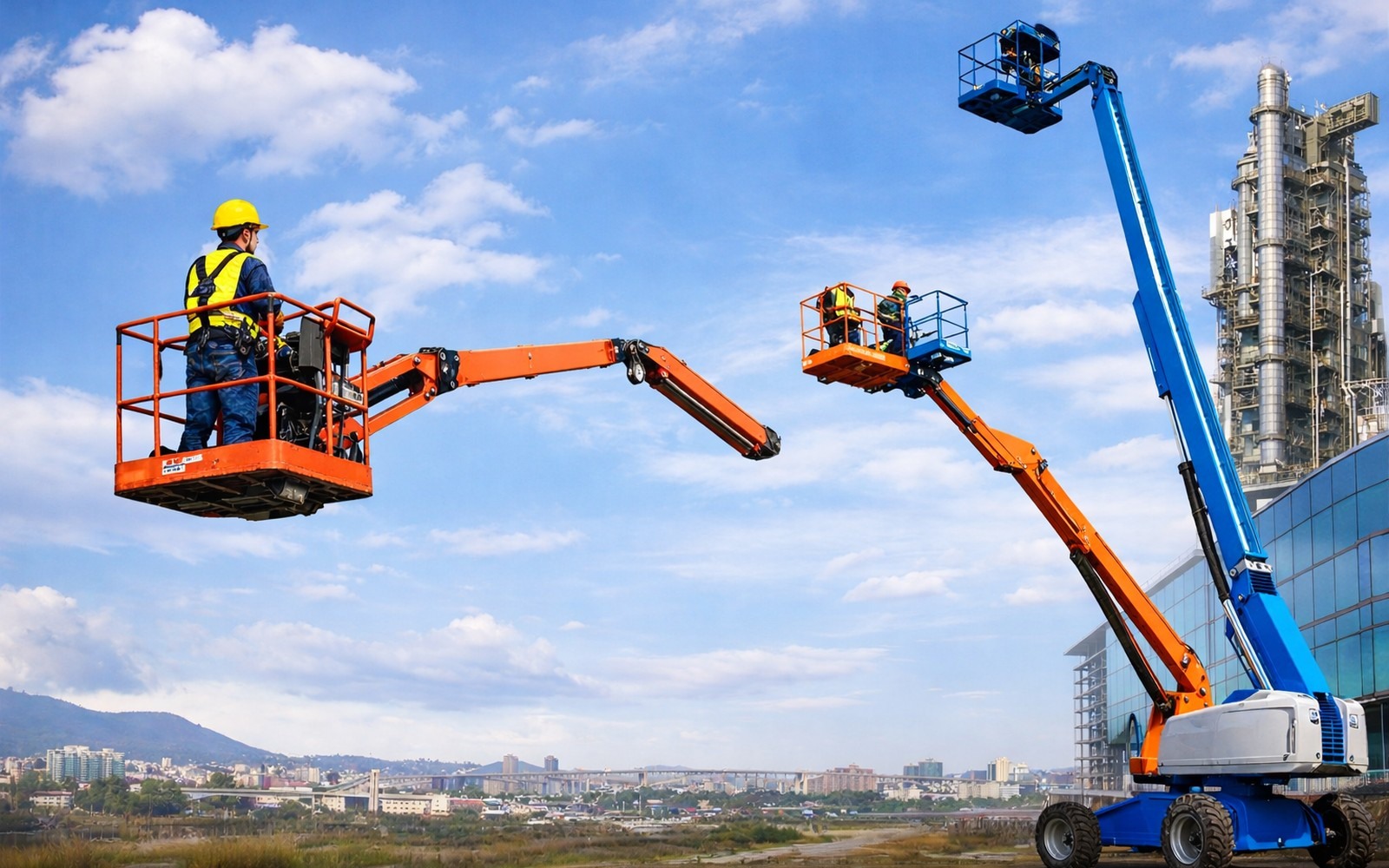
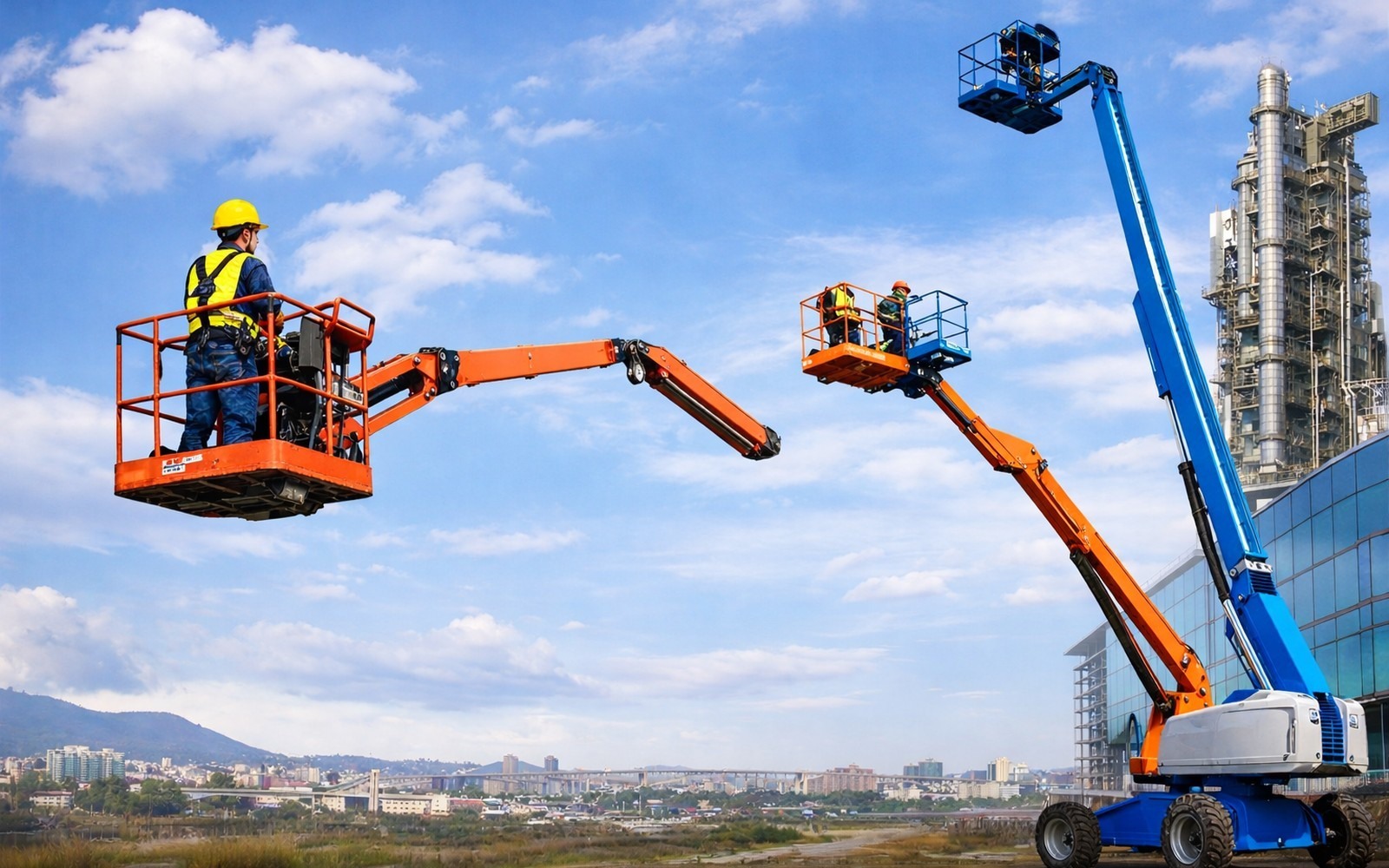
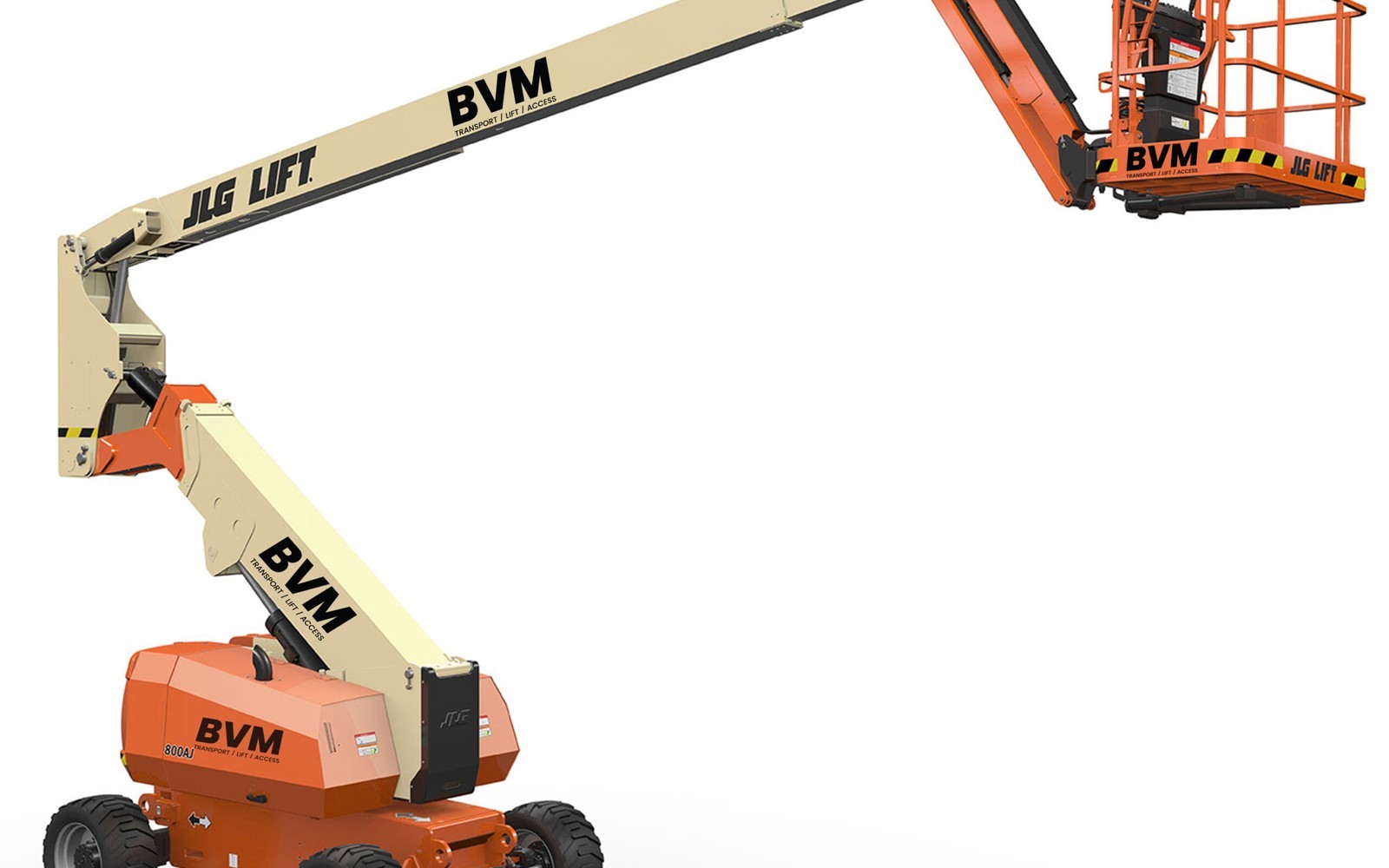
HVAC and mechanical contractors need access to rooftop RTUs, high ceiling AHUs, and ductwork at elevation. Finance boom lifts and scissor lifts for your.

Approval is more than a credit score.

Steel Erection Contractors
  • Priced on the asset — deck height, hours, and resale strength carry the file.
  • Application-only up to $500,000 — financials stay in the drawer.
  • New, used, dealer, auction, or private party — all fundable.
  • Startups and challenged credit get structure, not a form rejection.
Utility And Lineworkers

Getting to the RTU is half the job. HVAC and mechanical contractors work at elevation on almost every commercial project: rooftop unit placement, overhead ductwork in a 30-foot warehouse ceiling, chiller access in a mechanical room with a mezzanine, boiler stack work on an industrial facility. The crew needs the right machine for each scenario, and the firm that owns that equipment does not spend 45 minutes on hold with a rental house the morning of a crane-set or a start-up inspection. We fund aerial lifts for mechanical contractors from $50,000 on up, new or used, credit history weighed against lift value, application-only to roughly $400,000.

Aircraft And Mro Hangars
The Lifts That Mechanical Crews Run

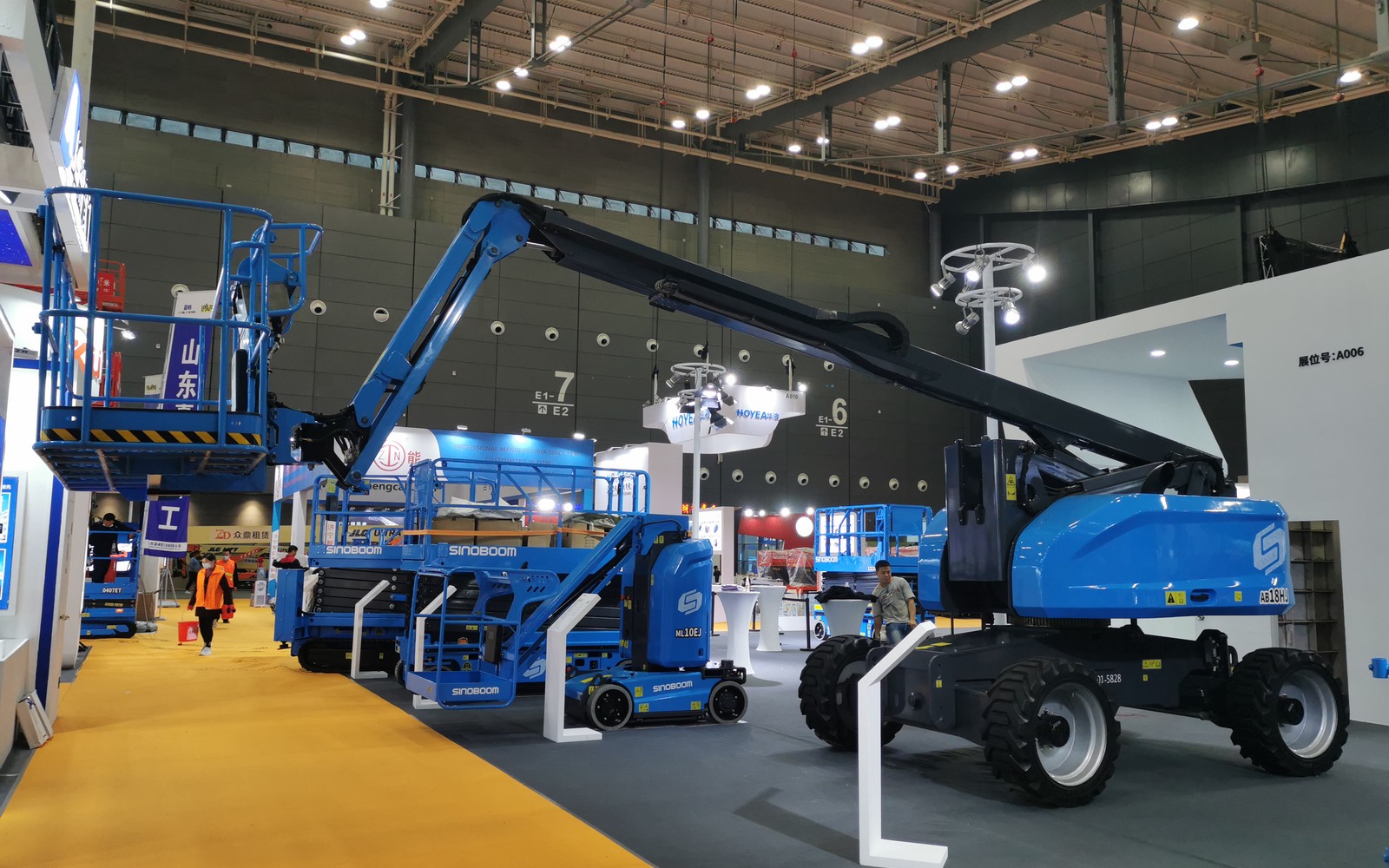
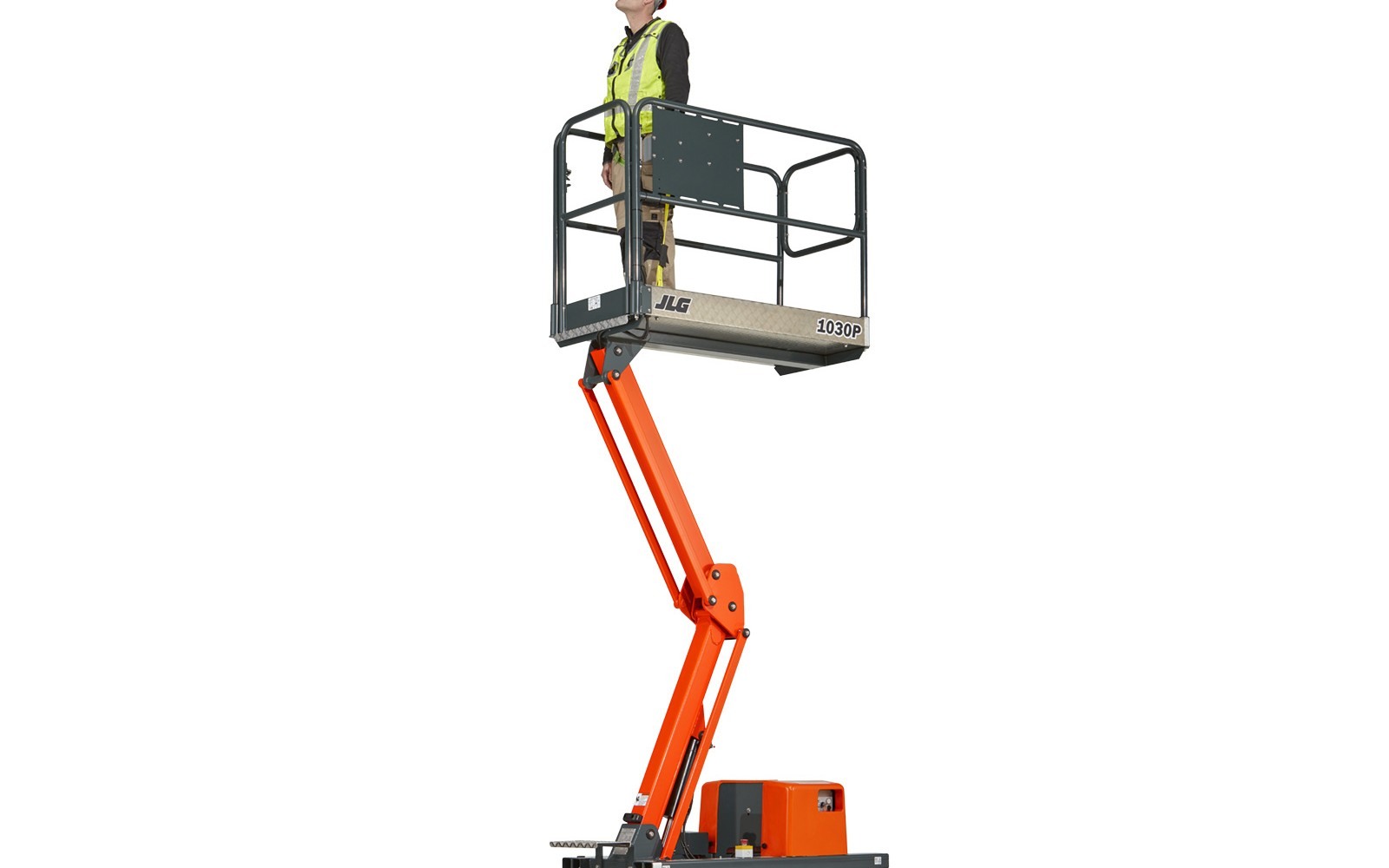
Interior ductwork and ceiling-height mechanical work is almost always done from an electric scissor lift. At 26 to 32 feet, a slab scissor lift on a non-marking tire rides the finished floor of a commercial building safely and quietly. Two mechanics and a load of flexible duct fit on the platform comfortably. These units fit through most commercial doorways and can be repositioned quickly between drops. For a mechanical contractor doing significant commercial tenant improvement or healthcare renovation work, owning four to six slab scissors eliminates the rental dependency that slows interior crews down.

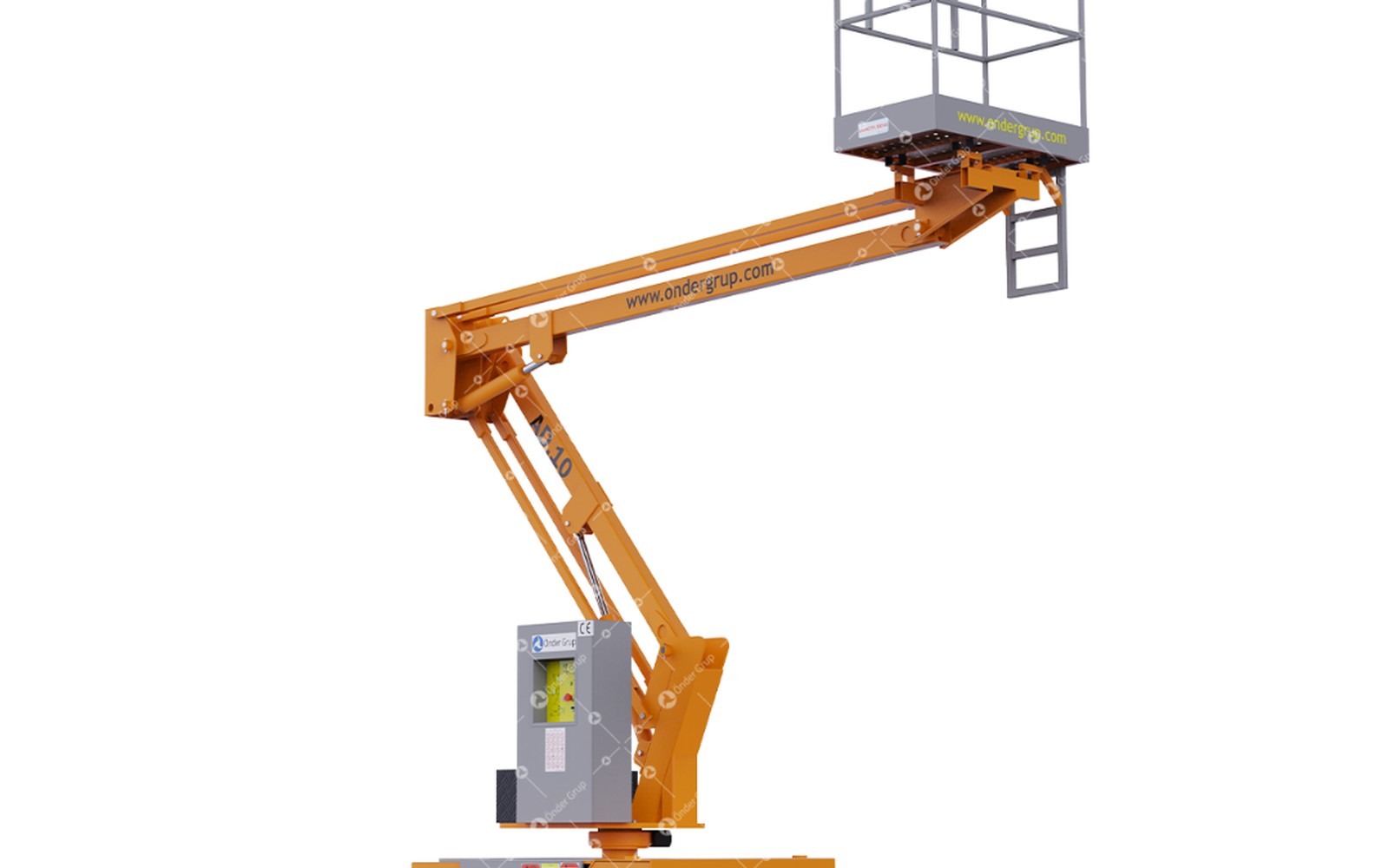
For rooftop work, the access method depends on the building height and site layout. Low commercial rooftops (one to three stories) are often reached with a telescopic boom lift or a rough-terrain articulating boom positioned at the building perimeter. Setting RTUs by crane is common, but the mechanical startup, commissioning, and subsequent service calls often require a boom on the ground at the roofline. A 45 to 60-foot articulating boom covers most low-rise commercial rooftop access scenarios and is one of the more frequently owned units in a mid-size HVAC contractor's fleet.

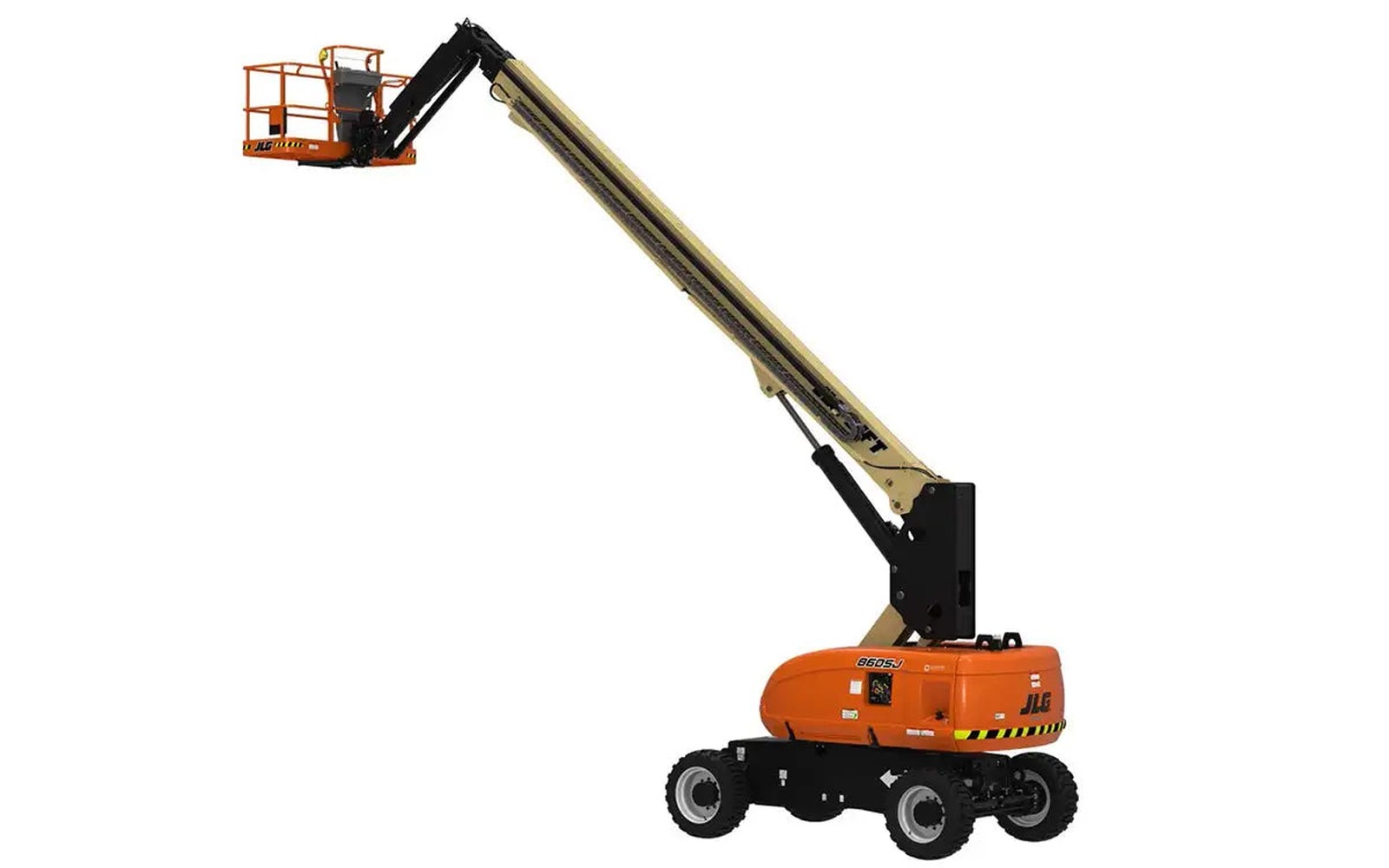
On taller buildings and industrial facilities with high ceilings, a larger reach is required. 80-foot telescopic boom lifts handle mid-rise exterior access and interior industrial ceiling heights that exceed what a standard articulator can reach. HVAC contractors doing retrofit work in distribution centers, cold-storage facilities, or large manufacturing plants regularly work at 50 to 70 feet of working height.

Facility Maintenance
Where Mechanical Contractors Are Working

Commercial HVAC volume has been sustained by several converging project types. Data centers require precision environmental control and intensive ongoing maintenance, and they are being built at a pace that has stretched mechanical contractor capacity. Healthcare construction, which never truly slows, drives consistent demand for high-end mechanical systems with complex commissioning requirements. The retrofit and energy-efficiency upgrade market for existing commercial buildings has also been active as building owners respond to energy costs and code updates mandating improved HVAC efficiency.

In industrial markets, manufacturing reshoring and expansion has meant new large-bay facilities with high ceilings and heavy mechanical loads, all of which need specialized equipment access during installation. A mechanical contractor positioned to serve those markets needs a lift fleet that can handle both the height and the load of large industrial AHUs and ductwork runs.

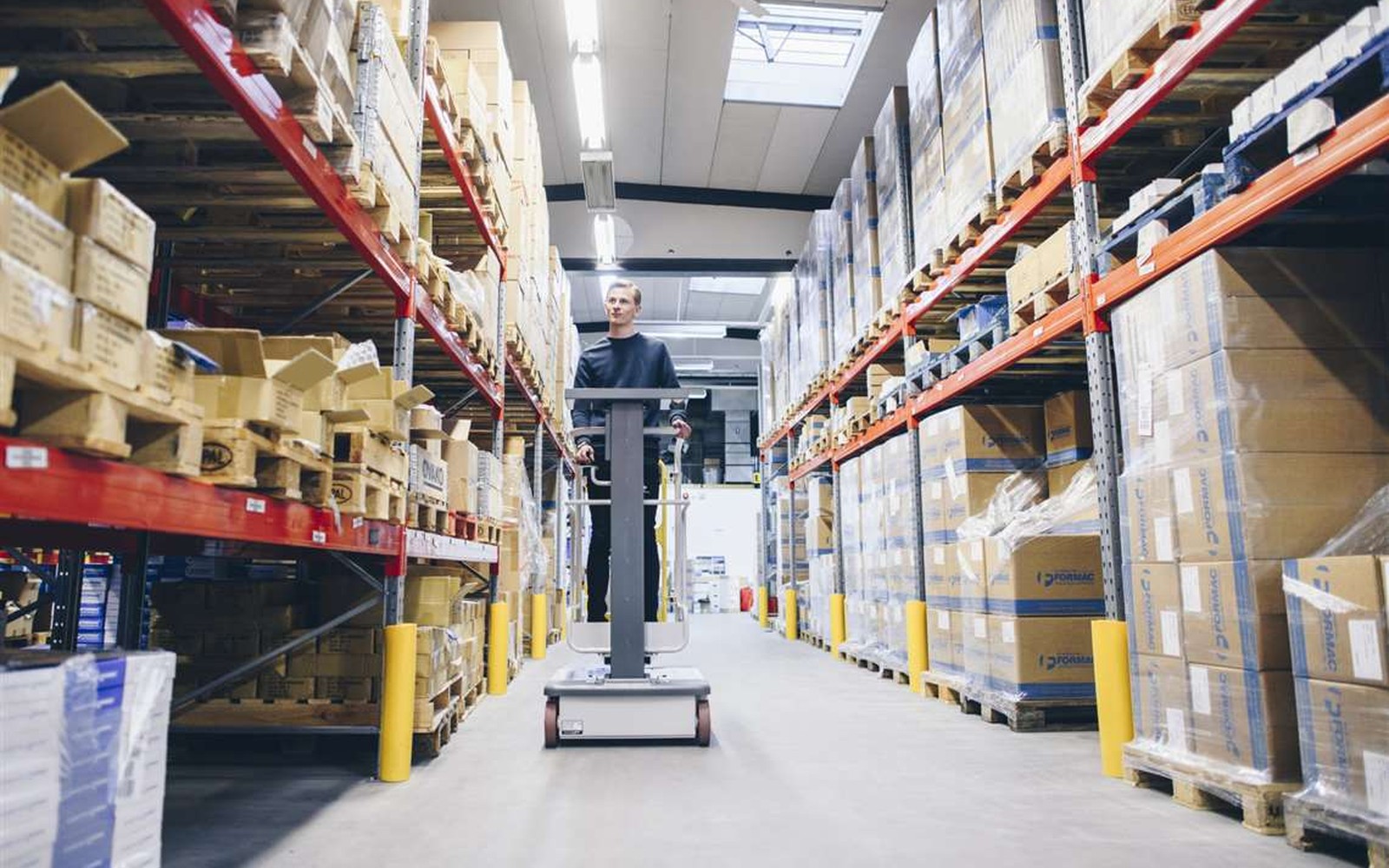
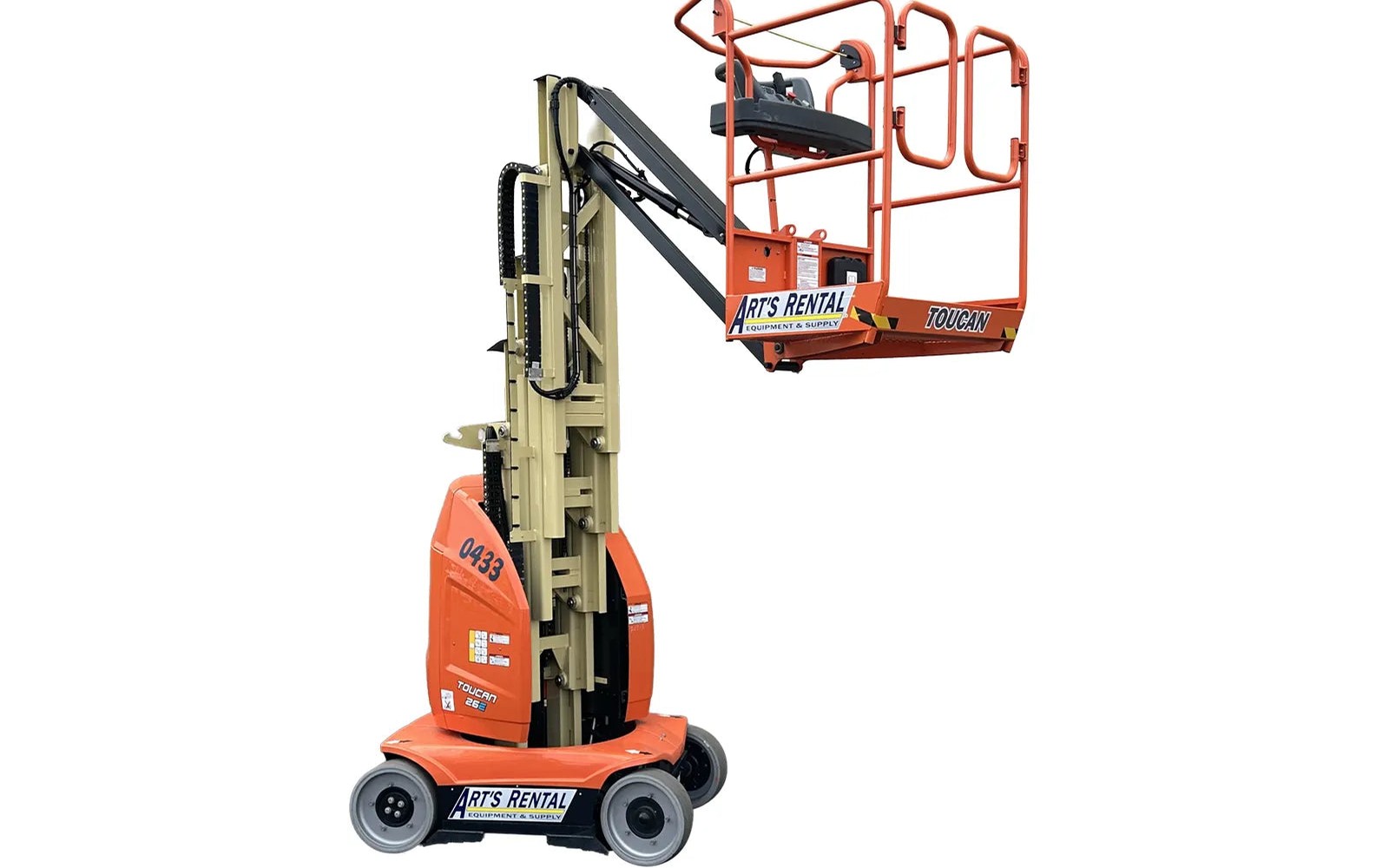
Low Level Access Lift
Common questions
Answers from the desk.

Can I finance a scissor lift for interior ductwork and a boom lift for rooftop access as one deal?

Yes. A mixed equipment purchase from one or more vendors can be structured as a single deal or as parallel transactions. If the total is under $400,000 and you have three months of bank statements, it is application-only either way.

What if I need the lift for a specific project and do not want to own it long-term?

An operating lease gives you equipment for a defined term, then you return it. A shorter-term lease structure, say 24 to 36 months, often makes more sense for project-specific needs than a 60-month ownership deal. We walk through both options so you pick the structure that fits the work.

Can I refinance a boom lift I am still paying on to lower the monthly payment?

Yes. If there is still a balance on the note and the unit has value, a refinance can extend the remaining payoff over a new term to reduce what you are paying monthly. The unit stays in service throughout; you just restructure the paper.

Do you finance service trucks and HVAC equipment alongside the lift?

We specialize in aerial lift financing. If your deal includes a boom lift or scissor lift as the primary collateral, we handle that piece. For other HVAC equipment or service vehicles, those would typically be separate transactions with lenders who specialize in that collateral.

How does the timeline work if I need a lift for a project that starts in three weeks?

Three weeks is workable. The typical timeline is one day for a decision and one to two weeks to fund. If you have your equipment identified and a purchase agreement ready, we can often get the check to the seller before your mobilization date.

Common Questions on HVAC & Mechanical Contractors

Straight answers before you send the equipment file.

Can I finance a scissor lift for interior ductwork and a boom lift for rooftop access as one deal?

Yes. A mixed equipment purchase from one or more vendors can be structured as a single deal or as parallel transactions. If the total is under $400,000 and you have three months of bank statements, it is application-only either way.

What if I need the lift for a specific project and do not want to own it long-term?

An operating lease gives you equipment for a defined term, then you return it. A shorter-term lease structure, say 24 to 36 months, often makes more sense for project-specific needs than a 60-month ownership deal. We walk through both options so you pick the structure that fits the work.

Can I refinance a boom lift I am still paying on to lower the monthly payment?

Yes. If there is still a balance on the note and the unit has value, a refinance can extend the remaining payoff over a new term to reduce what you are paying monthly. The unit stays in service throughout; you just restructure the paper.

Do you finance service trucks and HVAC equipment alongside the lift?

We specialize in aerial lift financing. If your deal includes a boom lift or scissor lift as the primary collateral, we handle that piece. For other HVAC equipment or service vehicles, those would typically be separate transactions with lenders who specialize in that collateral.

How does the timeline work if I need a lift for a project that starts in three weeks?

Three weeks is workable. The typical timeline is one day for a decision and one to two weeks to fund. If you have your equipment identified and a purchase agreement ready, we can often get the check to the seller before your mobilization date.
Get Terms on HVAC & Mechanical Contractors

Tell us what you are buying, who is selling it, and when you need it earning. We will review the file and point you to the next step.

Get Loan Terms →Call (713) 375-4374