Film, Stage & Event Production

Film, Stage & Event Production

Industries We Serve / Film, Stage & Event Production

Film, Stage & Event Production

Aerial lift financing for film crews, stage riggers, and live event production companies. Electric scissors, knuckle booms, and towable units. Fund in 1-2.

Approval is more than a credit score.

Painting Contractors
  • Priced on the asset — deck height, hours, and resale strength carry the file.
  • Application-only up to $500,000 — financials stay in the drawer.
  • New, used, dealer, auction, or private party — all fundable.
  • Startups and challenged credit get structure, not a form rejection.
Solar Installation Contractors

Lighting rigs don't hang themselves. The gaffer calls for a lift, the grip department gets it positioned, and the first unit is lighting the scene before the afternoon call. For production companies, event staging firms, and touring concert riggers, aerial equipment is as fundamental as the truck that moves it. The question of whether to own or rent changes completely once you're running equipment on 80 or more event days a year, which many production support companies hit before they realize it.

We fund aerial lifts for film and video production companies, live event production firms, touring concert riggers, and stage-set construction contractors. $50k minimum, most deals closed in one to two weeks. Equipment leases work well for production companies that need flexibility at the end of term; standard equipment loans are cleaner for companies that want owned iron on the depreciation schedule.

Production work is hard on equipment. Lifts go in and out of venues with tight doorways, ride on stage floors with load limits, and sometimes work outdoors on turf that a standard scissor would damage. Specifying the right unit for each situation is part of what makes a production support company competitive on bids, and an owned fleet that covers the range of common production scenarios is worth more than the sum of what each unit cost.

Tree Care And Arborists
Equipment the Production Industry Uses

Equipment the Production Industry Uses

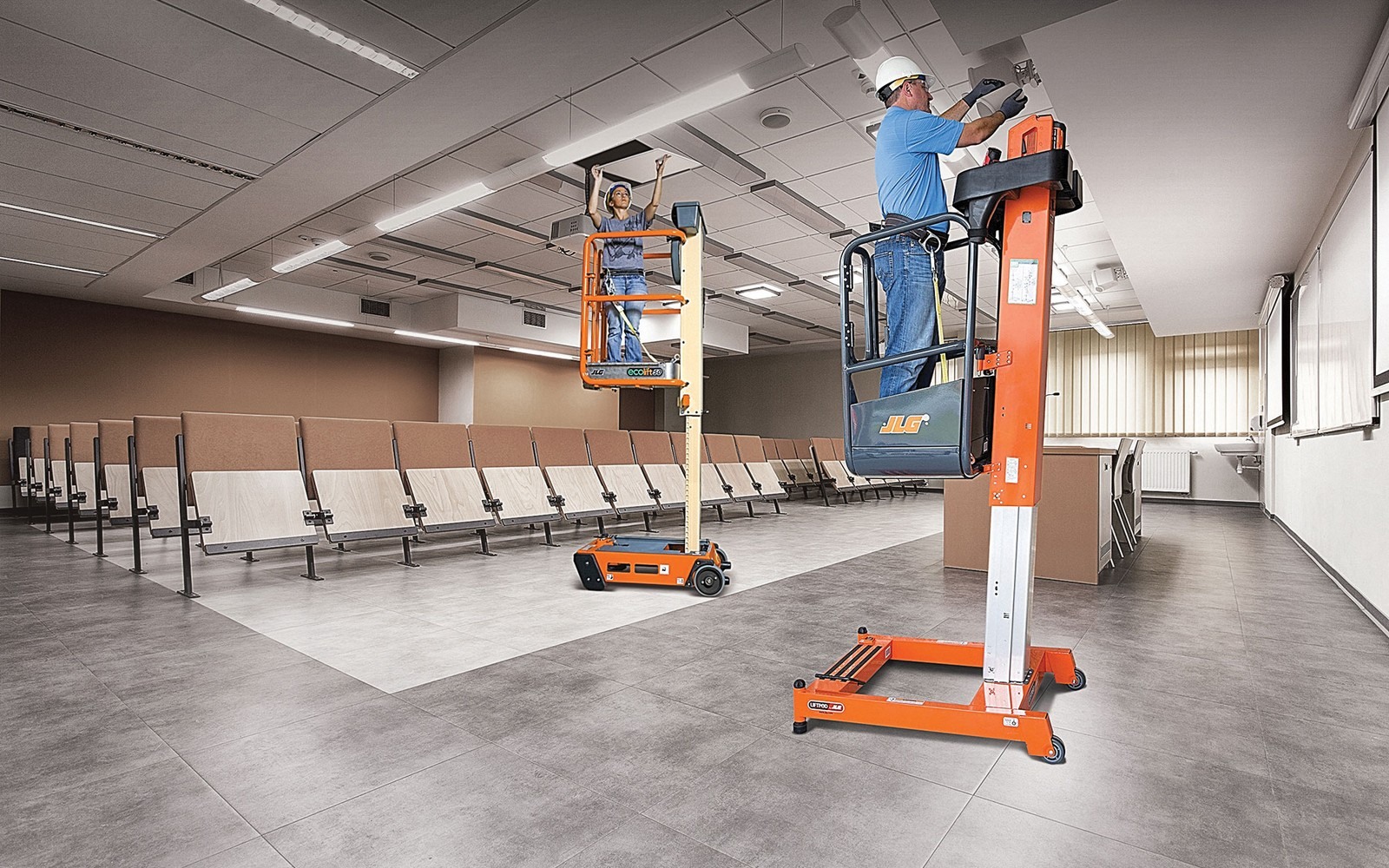
Electric scissors are the workhorse of indoor production. A 19-foot or 26-foot slab electric fits through arena service corridors, doesn't generate fumes in an enclosed venue, and is quiet enough to run during a rehearsal without drowning out the director. Most production houses keep at least two slab electrics in different height classes for exactly this reason. A 19-foot electric scissor handles standard truss pre-rig at 16 to 18 feet of working height; the 26-foot goes up when the rig is higher or the venue ceiling demands it.

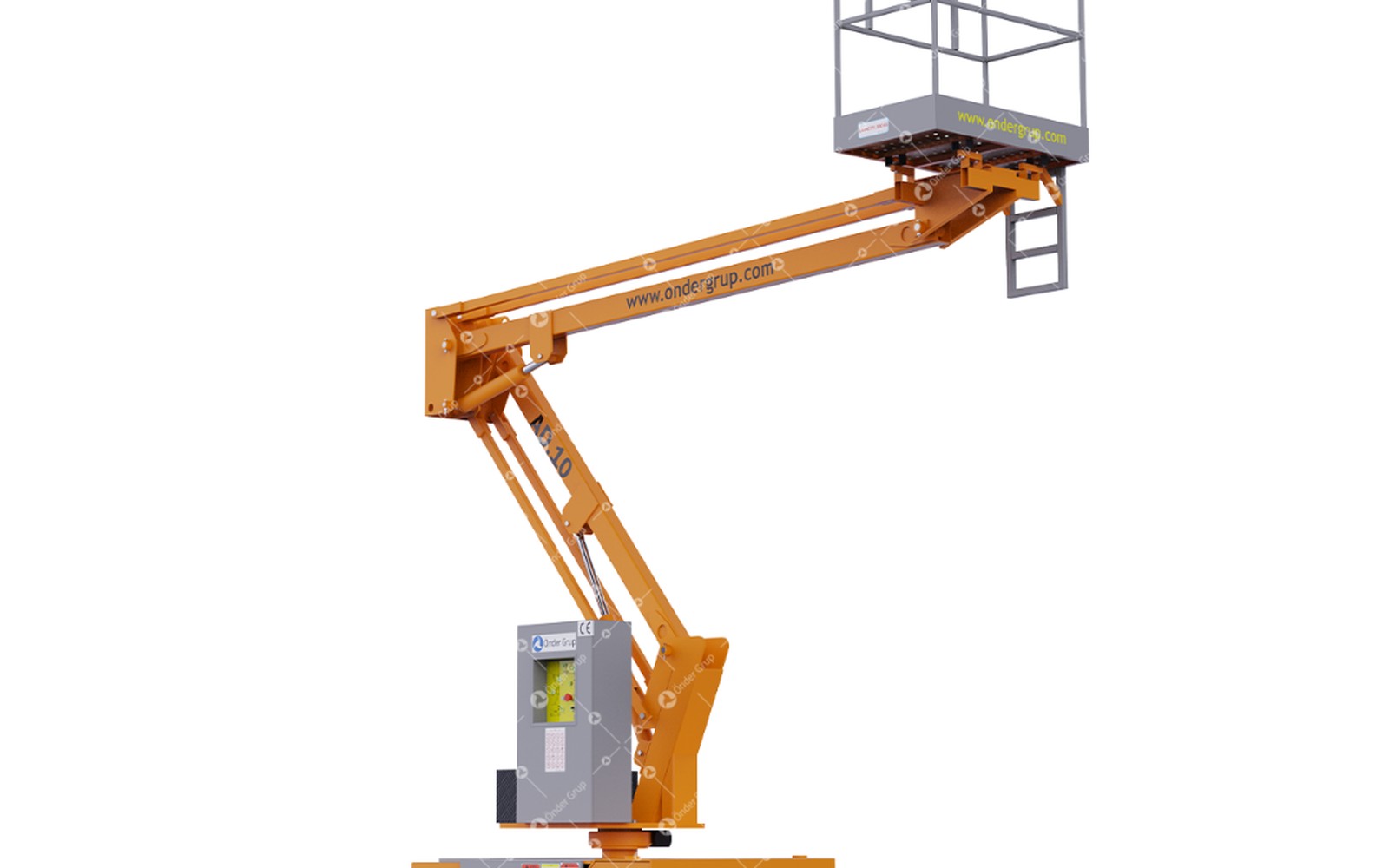
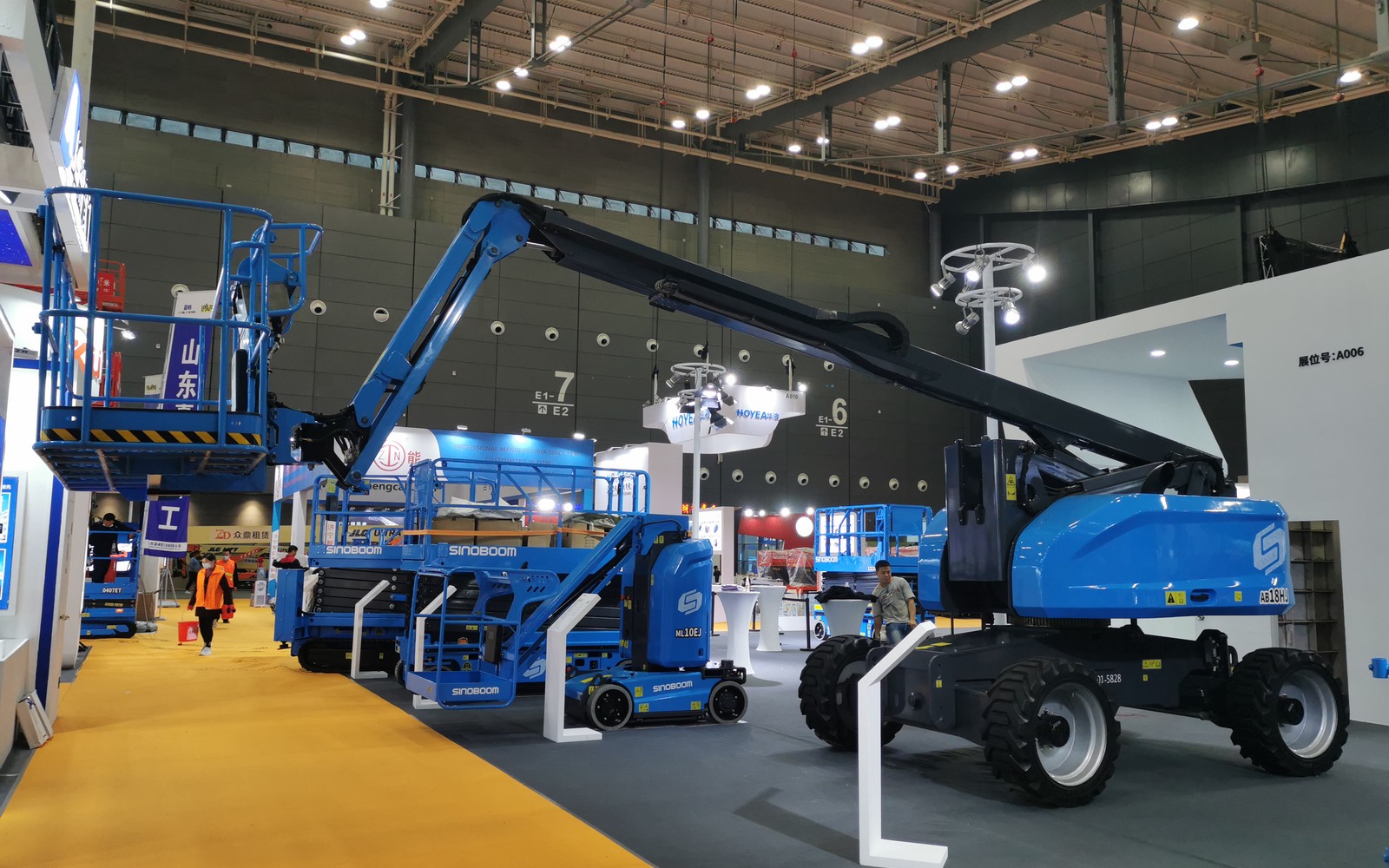
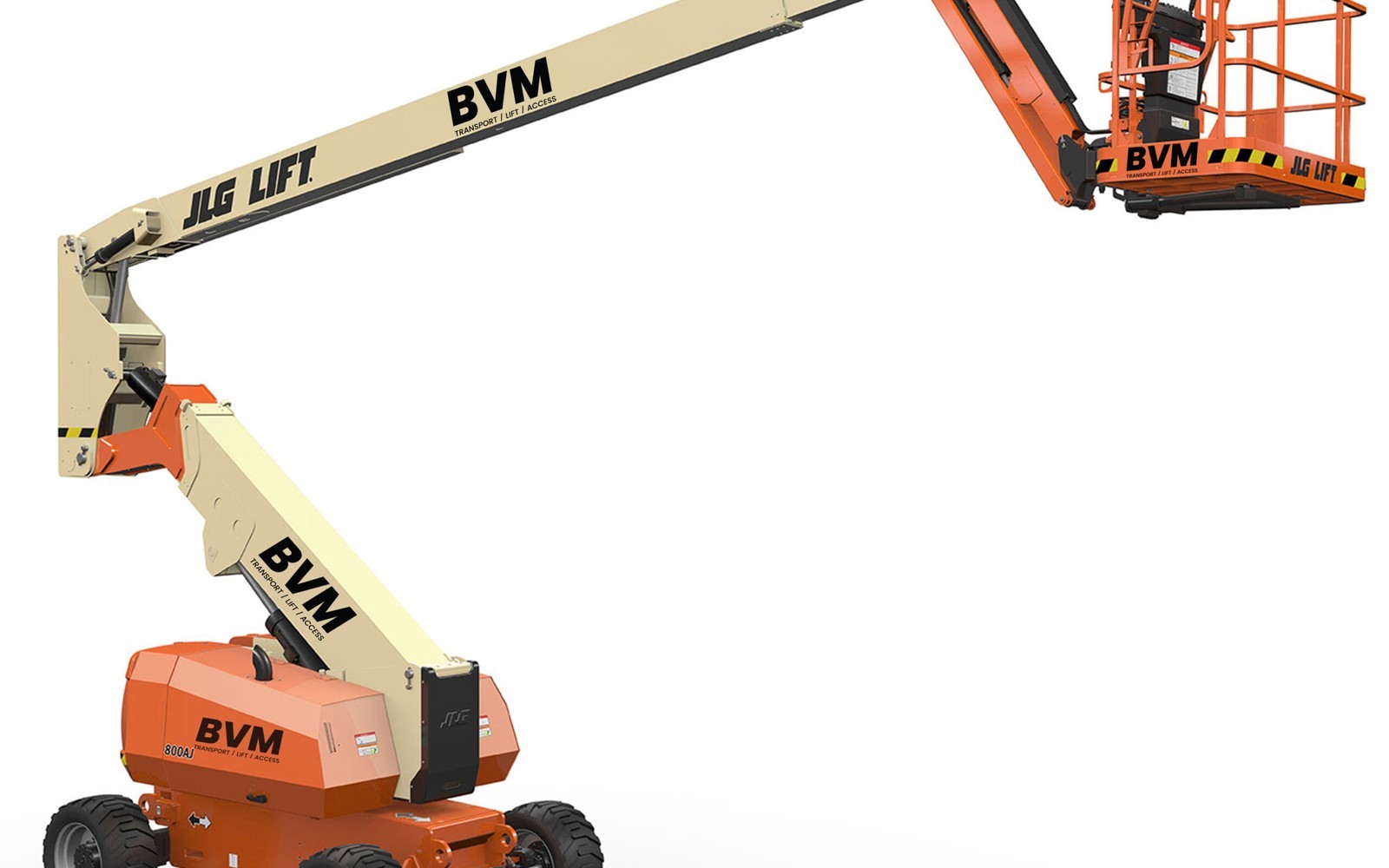
Knuckle booms and articulating booms serve production differently than they serve construction. A knuckle boom can work over an obstructed area, reaching past a thrust stage edge or over a FOH mix position to get a technician to a lighting bar without moving the desk. They're also the right call for exterior facade lighting on special events where the access footprint is restricted. Electric-drive articulating models are preferred in venues where a diesel would pull the fire suppression system.

Towable boom lifts earn their place on the touring side. A small touring company rigging an outdoor festival or a corporate event at a convention center parking lot uses a towable unit because mobilization has to be simple, and a unit that tows behind a pickup saves the cost of a dedicated truck and driver. Towable booms in the 40-to-50-foot range handle most outdoor production tasks: perimeter truss, delay speaker arrays, temporary lighting structures, and LED screen support frames.

Window Cleaning And Glazing
Production Companies That Own Equipment

Production Companies That Own Equipment

Grip and lighting rental houses that supply scaffolding, platforms, and aerial access alongside their expendables and expendable inventory. These companies use their owned lifts for both in-house event support and as rental revenue generators, so the utilization math is dual-tracked: earnings from their own crew jobs plus rental income when the unit goes out by the day.

Staging and set construction firms that build permanent and temporary performance spaces. A company that builds concert stages, LED display structures, and corporate event environments uses lifts continuously through the construction phase. Their equipment sits on a production site for days or weeks at a time, not hours, which makes ownership clearly better than rental at almost any day-rate comparison.

Concert touring production companies with in-house rigging departments. Larger tours carry their own lifts in the production truck when the venue isn't providing adequate access equipment. For these companies, the unit earns on every stop of the tour, and a 48-show run with owned equipment versus a rental at each venue adds up fast.

Corporate AV and live event companies in major markets. A full-service event company in a city that does 150-plus events a year needs reliable, immediately available equipment. Waiting on a rental yard to confirm availability is a liability when an event client's timeline doesn't have slack. We've financed equipment for production companies in Los Angeles, New York, Chicago, and other major event markets for exactly this reason.

Low Level Access Lift
Common questions
Answers from the desk.

We rent our lifts out when they're not on our own jobs. Does rental revenue count in underwriting?

Revenue is revenue. If rental income from your equipment shows up in your bank statements, it counts as part of the business's cash flow. Some underwriters will want to understand the revenue mix, especially if rental income is the majority, but it doesn't exclude you. A company with a documented rental history and steady statement deposits underwrites well.

We had a bad year during the pandemic and our credit took a hit. Can we still get funded?

COVID-period credit damage is something we've seen across almost every entertainment and events company. If the business has recovered and the current statements show healthy cash flow, we can often work around score damage from 2020 and 2021. The more recent the positive history, the better. challenged credit deals may come with a higher rate or a down payment requirement, but they close.

Can we finance a scissor lift that needs to go into venues with weight restrictions? We need something light.

Unit weight is a spec issue, not a financing issue. We finance what you specify. If you need a narrow, lightweight electric scissor for load-sensitive venue floors, source the unit that meets your weight spec and bring us the invoice. We fund the deal the same way regardless of the unit's gross weight. Just confirm the unit weighs what the spec sheet says; the venue will ask.

We want to buy a lift from an auction. Can you fund an auction purchase?

Auction purchases are possible but move faster than most deals because auction payment windows are short. Give us the auction lot information and expected price before the auction so we can have approval ready. If you win the lot, we can often fund within a few business days with a clean title and basic documentation. Planning ahead is the key on auction deals.

Is a $1 buyout lease or a loan better for our tax situation?

That's a question for your accountant, not us, because the answer depends on your tax situation, how long you plan to hold the unit, and whether you need the Section 179 deduction in the current year. What we can tell you is that a $1 buyout lease works like a loan for accounting purposes because you're treated as the owner from day one. A true operating lease is different. We offer both structures; your accountant can tell you which one fits your year.

We're financing a knuckle boom for a specific tour that runs six months. What happens after the tour?

The unit is yours for the full financing term regardless of when the tour ends. Most notes run 48 to 60 months. If you want to exit sooner, you can pay off the remaining balance. Some contracts include early payoff provisions. If the unit no longer fits your needs after the tour, selling it or doing a sale-leaseback on it to pull capital is an option, though that depends on remaining balance versus market value.

Common Questions on Film, Stage & Event Production

Straight answers before you send the equipment file.

We rent our lifts out when they're not on our own jobs. Does rental revenue count in underwriting?

Revenue is revenue. If rental income from your equipment shows up in your bank statements, it counts as part of the business's cash flow. Some underwriters will want to understand the revenue mix, especially if rental income is the majority, but it doesn't exclude you. A company with a documented rental history and steady statement deposits underwrites well.

We had a bad year during the pandemic and our credit took a hit. Can we still get funded?

COVID-period credit damage is something we've seen across almost every entertainment and events company. If the business has recovered and the current statements show healthy cash flow, we can often work around score damage from 2020 and 2021. The more recent the positive history, the better. challenged credit deals may come with a higher rate or a down payment requirement, but they close.

Can we finance a scissor lift that needs to go into venues with weight restrictions? We need something light.

Unit weight is a spec issue, not a financing issue. We finance what you specify. If you need a narrow, lightweight electric scissor for load-sensitive venue floors, source the unit that meets your weight spec and bring us the invoice. We fund the deal the same way regardless of the unit's gross weight. Just confirm the unit weighs what the spec sheet says; the venue will ask.

We want to buy a lift from an auction. Can you fund an auction purchase?

Auction purchases are possible but move faster than most deals because auction payment windows are short. Give us the auction lot information and expected price before the auction so we can have approval ready. If you win the lot, we can often fund within a few business days with a clean title and basic documentation. Planning ahead is the key on auction deals.

Is a $1 buyout lease or a loan better for our tax situation?

That's a question for your accountant, not us, because the answer depends on your tax situation, how long you plan to hold the unit, and whether you need the Section 179 deduction in the current year. What we can tell you is that a $1 buyout lease works like a loan for accounting purposes because you're treated as the owner from day one. A true operating lease is different. We offer both structures; your accountant can tell you which one fits your year.

We're financing a knuckle boom for a specific tour that runs six months. What happens after the tour?

The unit is yours for the full financing term regardless of when the tour ends. Most notes run 48 to 60 months. If you want to exit sooner, you can pay off the remaining balance. Some contracts include early payoff provisions. If the unit no longer fits your needs after the tour, selling it or doing a sale-leaseback on it to pull capital is an option, though that depends on remaining balance versus market value.
Get Terms on Film, Stage & Event Production

Tell us what you are buying, who is selling it, and when you need it earning. We will review the file and point you to the next step.

Get Loan Terms →Call (713) 375-4374