Single-Man Lift Financing

Single-Man Lift Financing

Aerial Lifts We Finance / Single-Man Lift Financing

Single-Man Lift Financing

Finance single-man lifts and one-operator aerial platforms from $50k. New or used, challenged-credit welcome, statement-led review below the $400k line, funded.

Approval is more than a credit score.

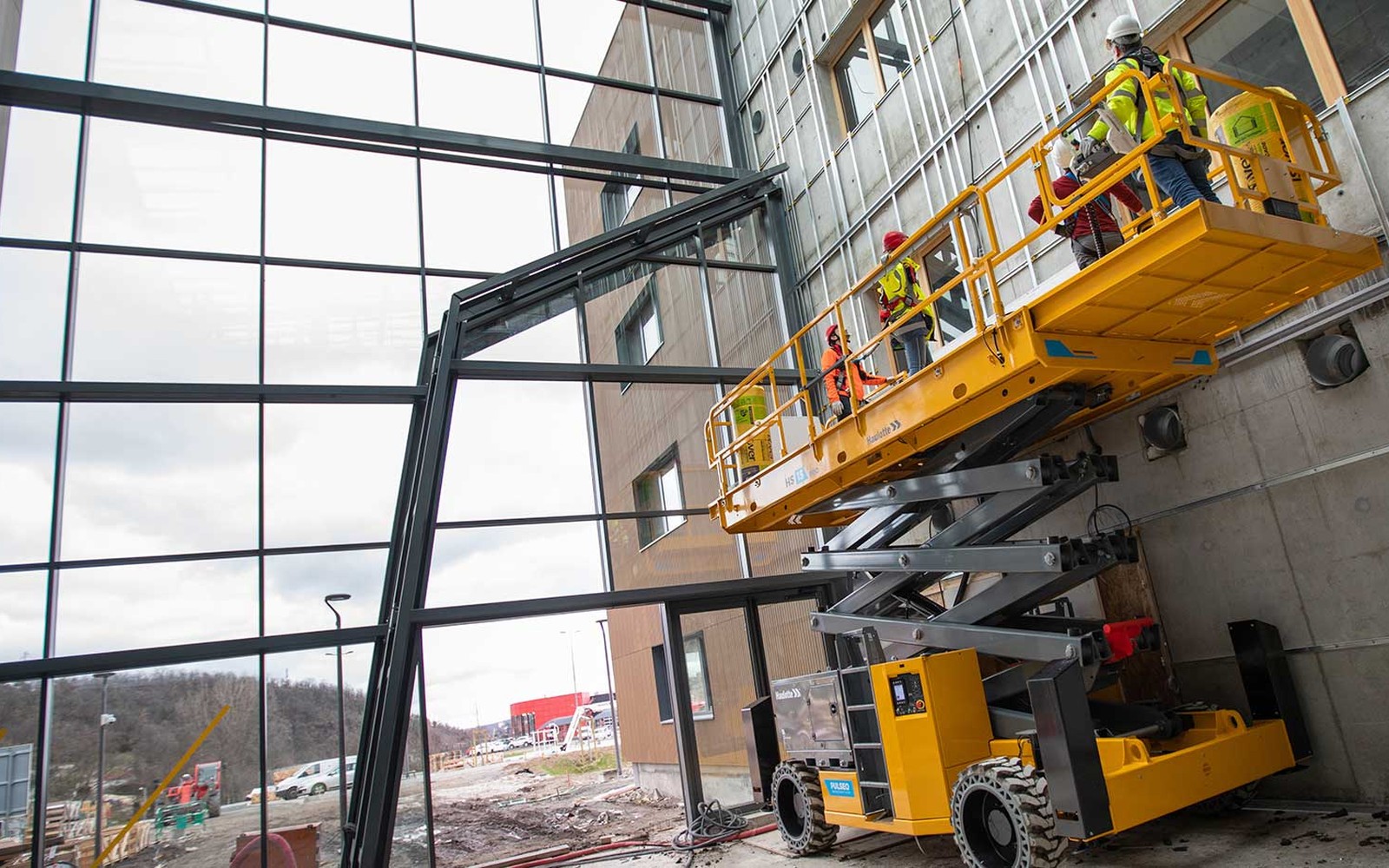
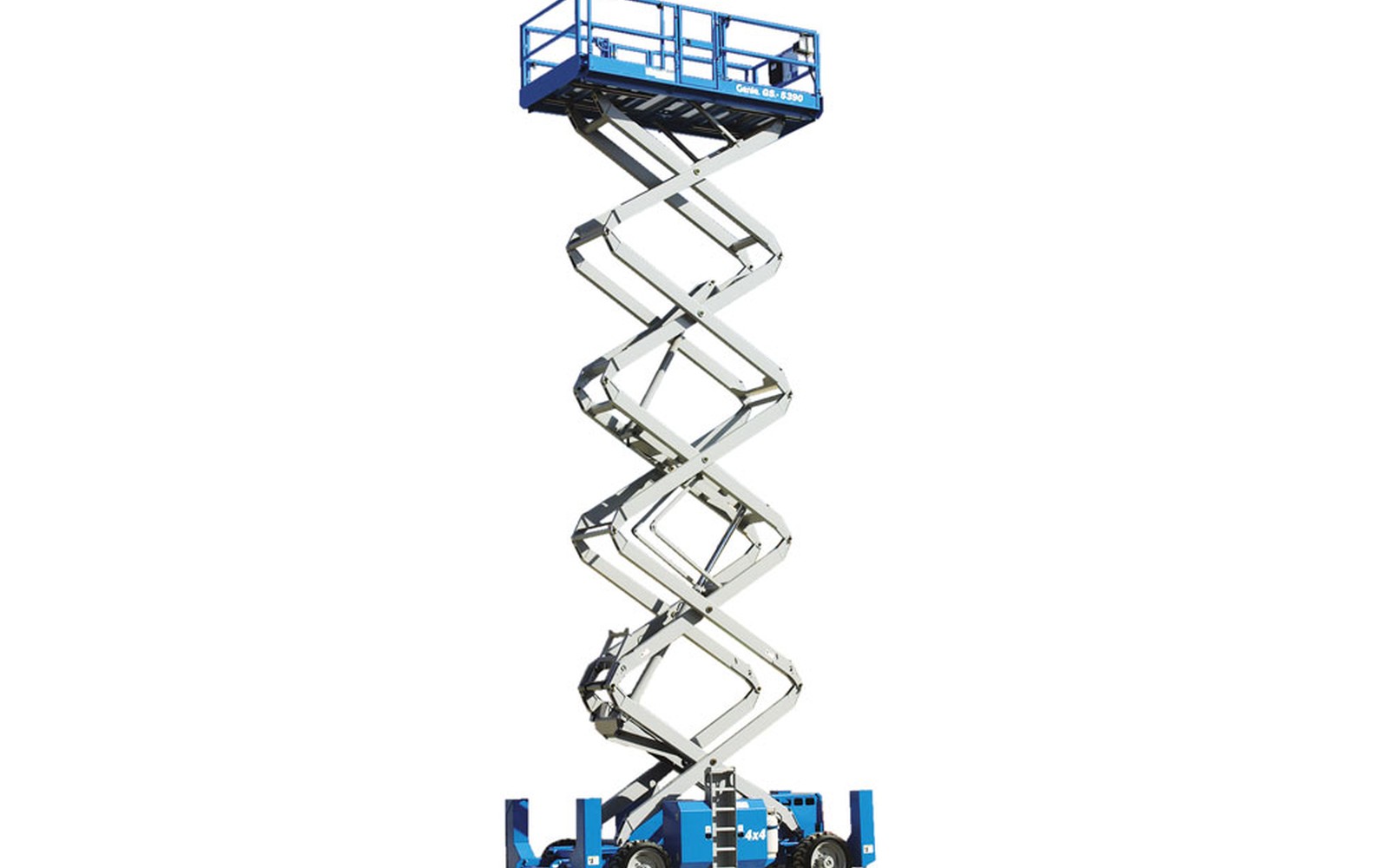
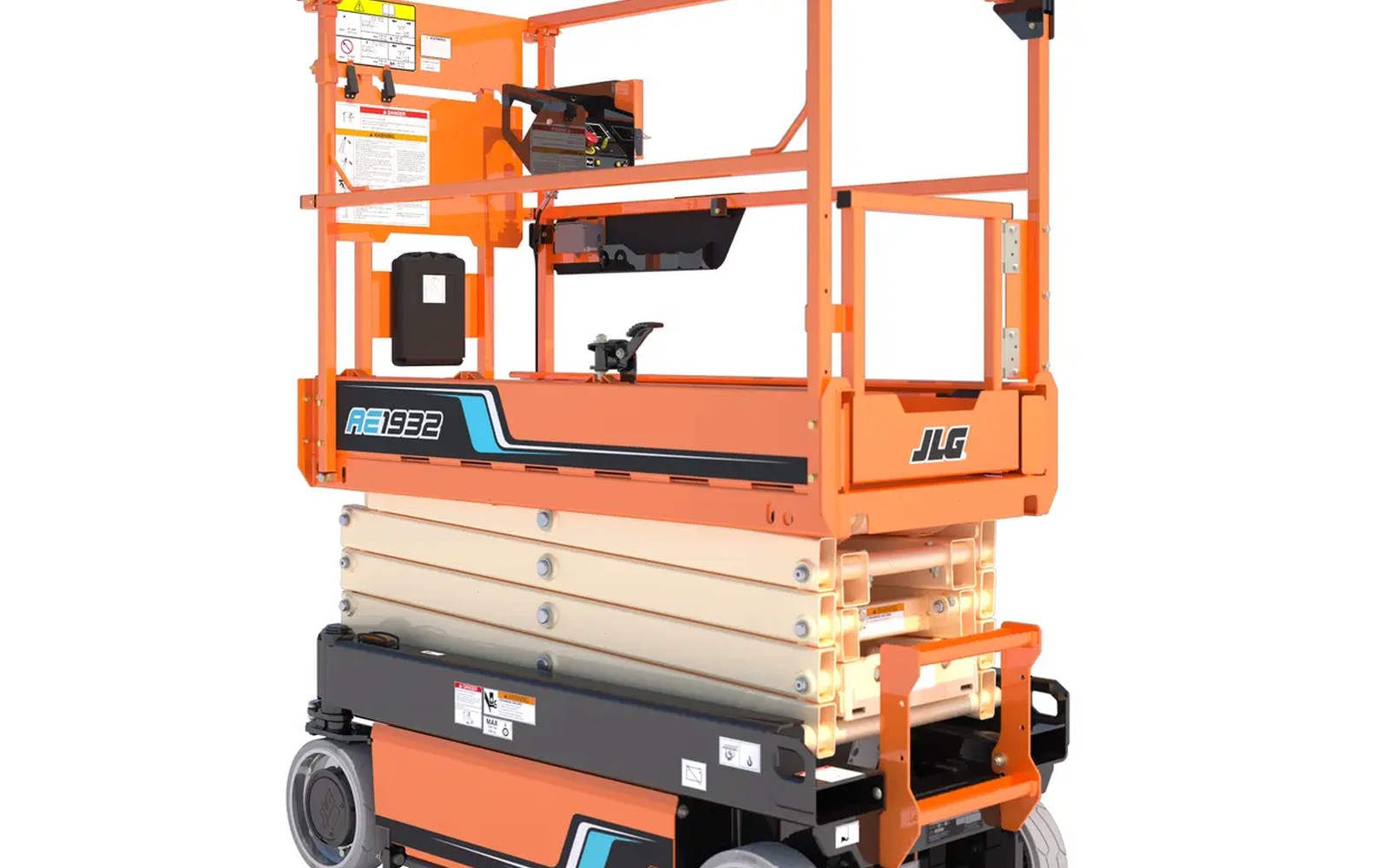
Rough Terrain Scissor Lift
  • Priced on the asset — deck height, hours, and resale strength carry the file.
  • Application-only up to $500,000 — financials stay in the drawer.
  • New, used, dealer, auction, or private party — all fundable.
  • Startups and challenged credit get structure, not a form rejection.
Single Man Lift

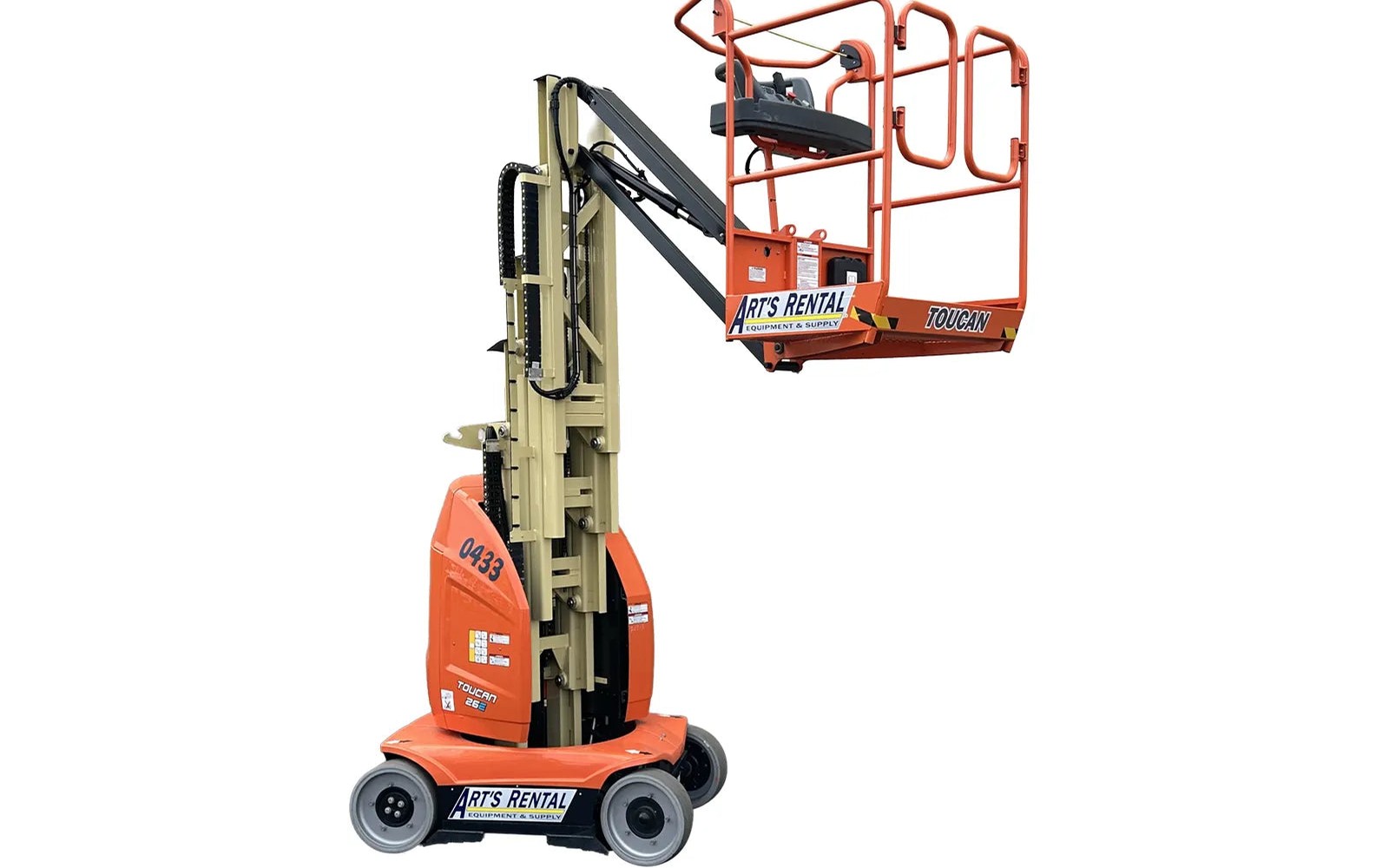
One technician, one unit, one overhead task. That is the economics of a single-man lift in a facility maintenance fleet. Where a two-man scissor lift is overkill for a solo ceiling job and a ladder violates the fall protection standard, a single-man platform puts one worker at the right height, keeps the footprint minimal, and eliminates the second crew member who was only there to stabilize the ladder. Over a year of routine maintenance work, that labor efficiency is a real number on the P&L.

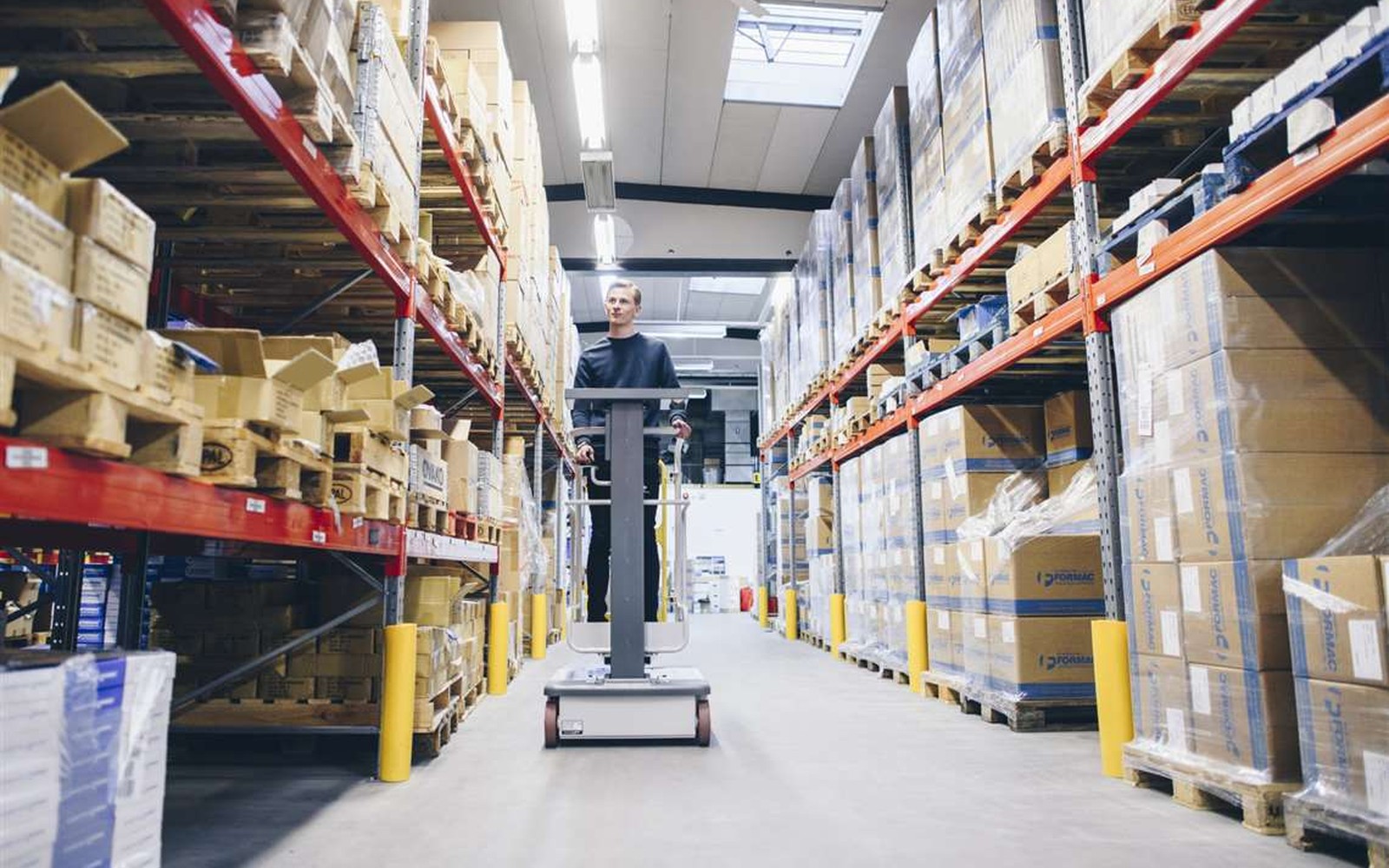
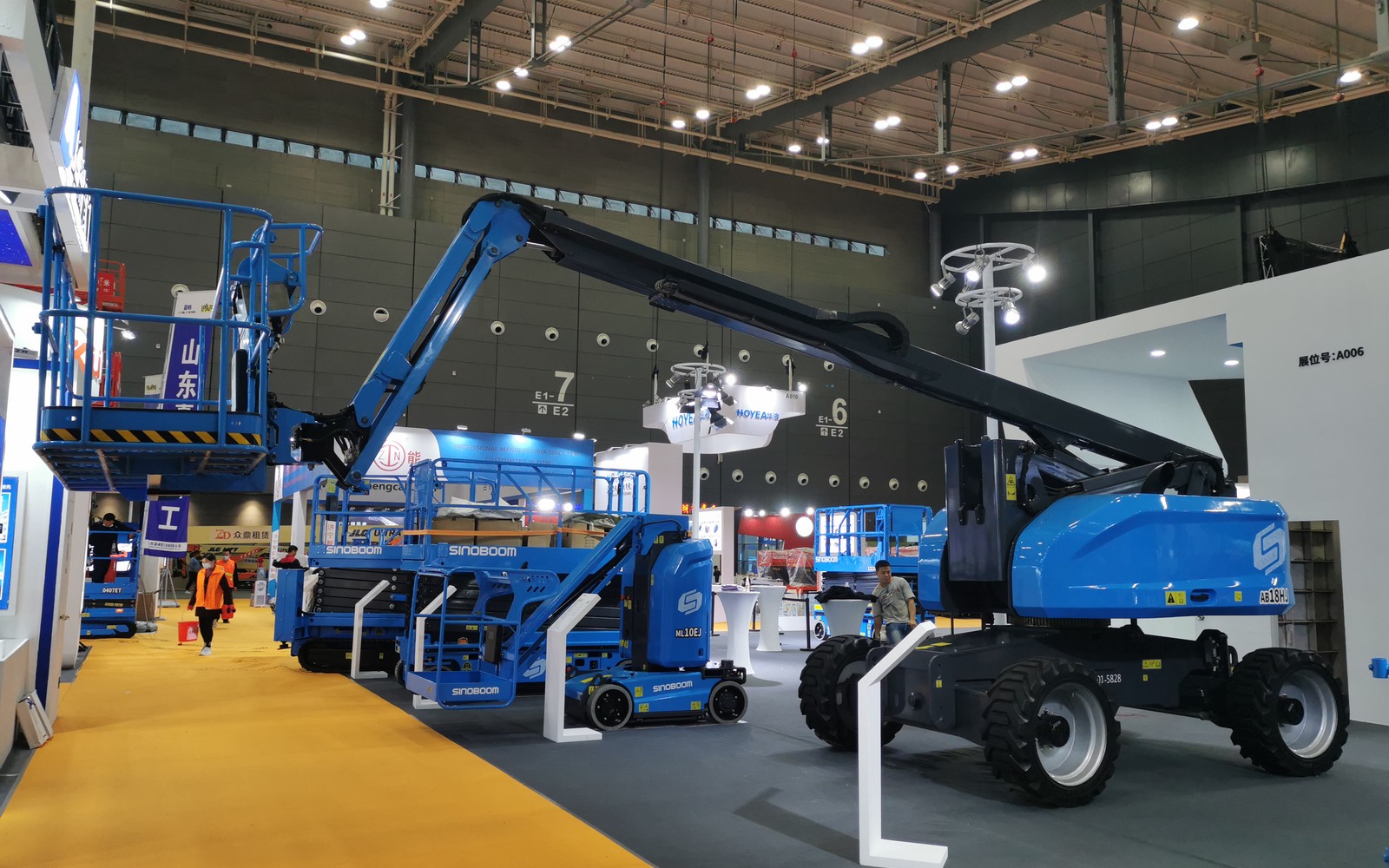
Single-man lifts cover a range of equipment, from compact push-around mast units at 15 to 20 feet up to self-propelled one-man platforms reaching 40 feet. The common thread is a platform rated for a single operator, typically 250 to 350 pounds, with controls accessible from the basket. Electric drive is standard on interior units. Most models are designed for hard-surface, indoor use, though some RT versions exist for light exterior work.

We fund single-man lift purchases as part of fleet transactions that clear our $50,000 floor. Individual units at the lower price points typically need to be combined with other equipment purchases in a single deal. Fleet buys of six to twenty units for a commercial maintenance company or rental yard are where we're most efficient. Statement-led review below the $400,000 line, three months of bank statements, and we close in about two weeks. challenged credit is part of the conversation, not the end of it.

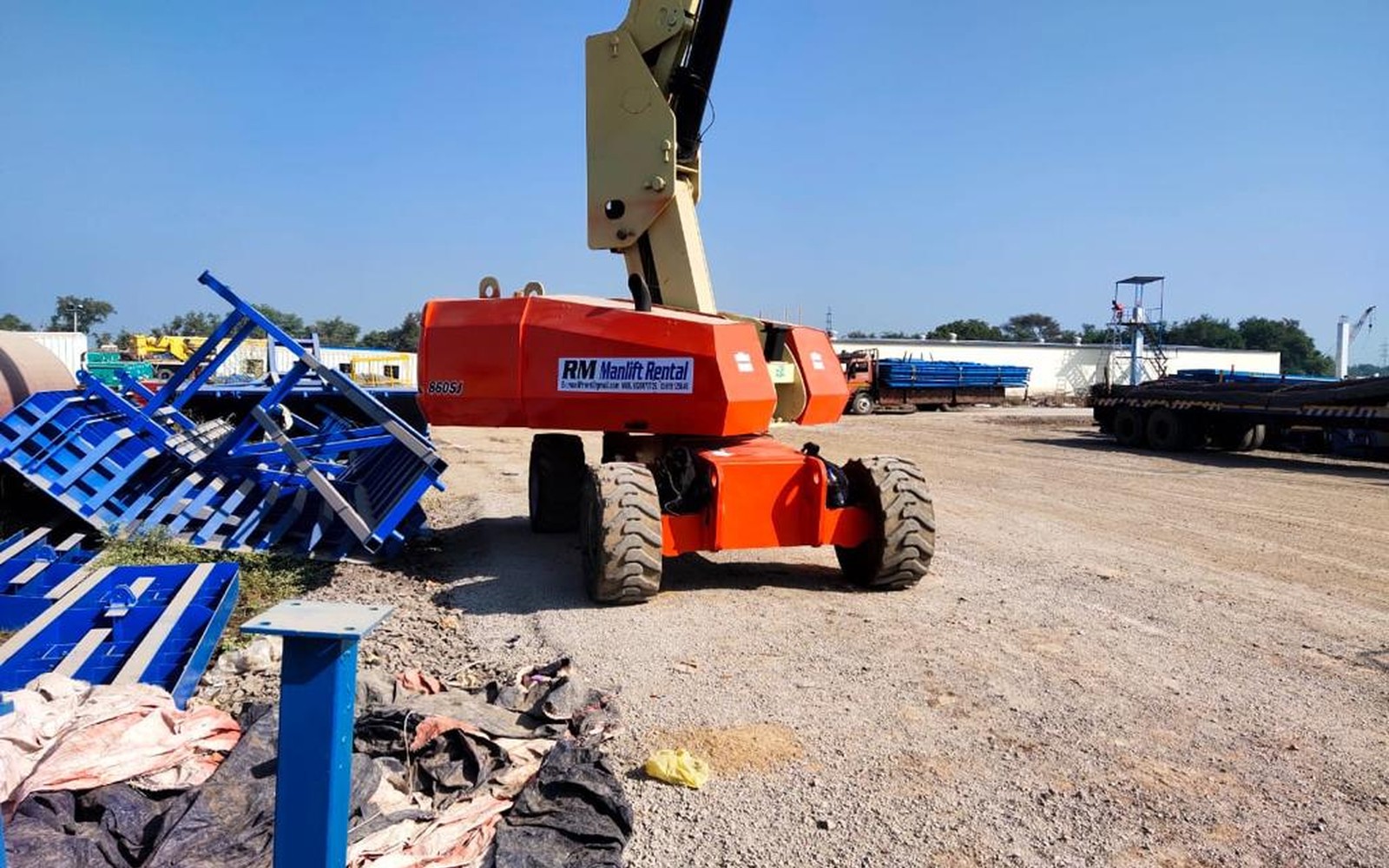
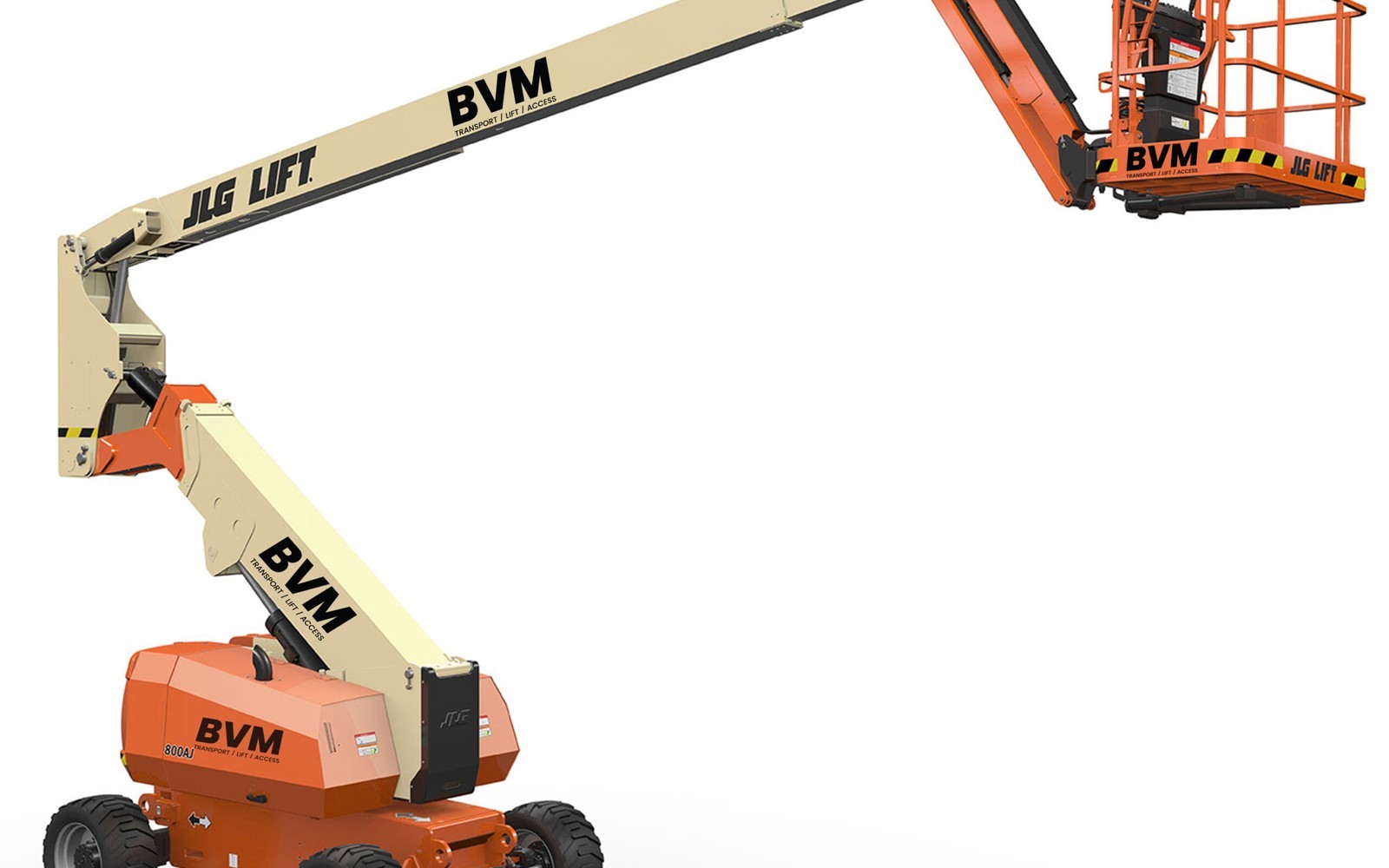
Straight Boom Lift
Who Uses Single-Man Lifts and Why They Buy Them

Who Uses Single-Man Lifts and Why They Buy Them

Building service contractors and facility maintenance companies are the primary buyer. A commercial cleaning company servicing office towers, retail chains, and industrial campuses typically maintains a fleet of these units for solo technicians doing high-area window cleaning, lighting maintenance, and overhead cleaning in spaces that don't warrant a full crew setup. The unit fits in a cargo elevator, positions in a conference room, and stores in a standard janitor closet or equipment room. That practicality is why large national building service companies maintain fleets of single-man platforms across dozens of facilities.

Telecommunications and network maintenance crews use single-man lifts for rack work in data centers and telecom rooms where the work is overhead but the space is too tight for a scissor lift and too tall for a rolling ladder. A one-man unit that can drive through a server room door and position under a cable tray at 20 feet is exactly what an NOC maintenance technician needs for a solo cable routing task that shouldn't take two people to accomplish.

Retail chains, grocery operators, and big-box distribution centers staff maintenance technicians who handle light bulb changes, refrigeration unit servicing, and HVAC filter replacement across the facility on a cycle. A single-man lift is standard equipment in that environment because the tasks are solo, the frequency is high, and the liability of ladder use in a busy public space is unacceptable. Chains with twenty locations often buy twenty-plus units in a fleet purchase.

Contractors serving general contractors on interior finish work, such as ceiling grid installation and light fixture placement, use single-man lifts for the phases of a commercial buildout where one person with a unit is more efficient than a crew on scaffolding. Interior buildout work in office and retail is a consistent source of demand for single-man platforms.

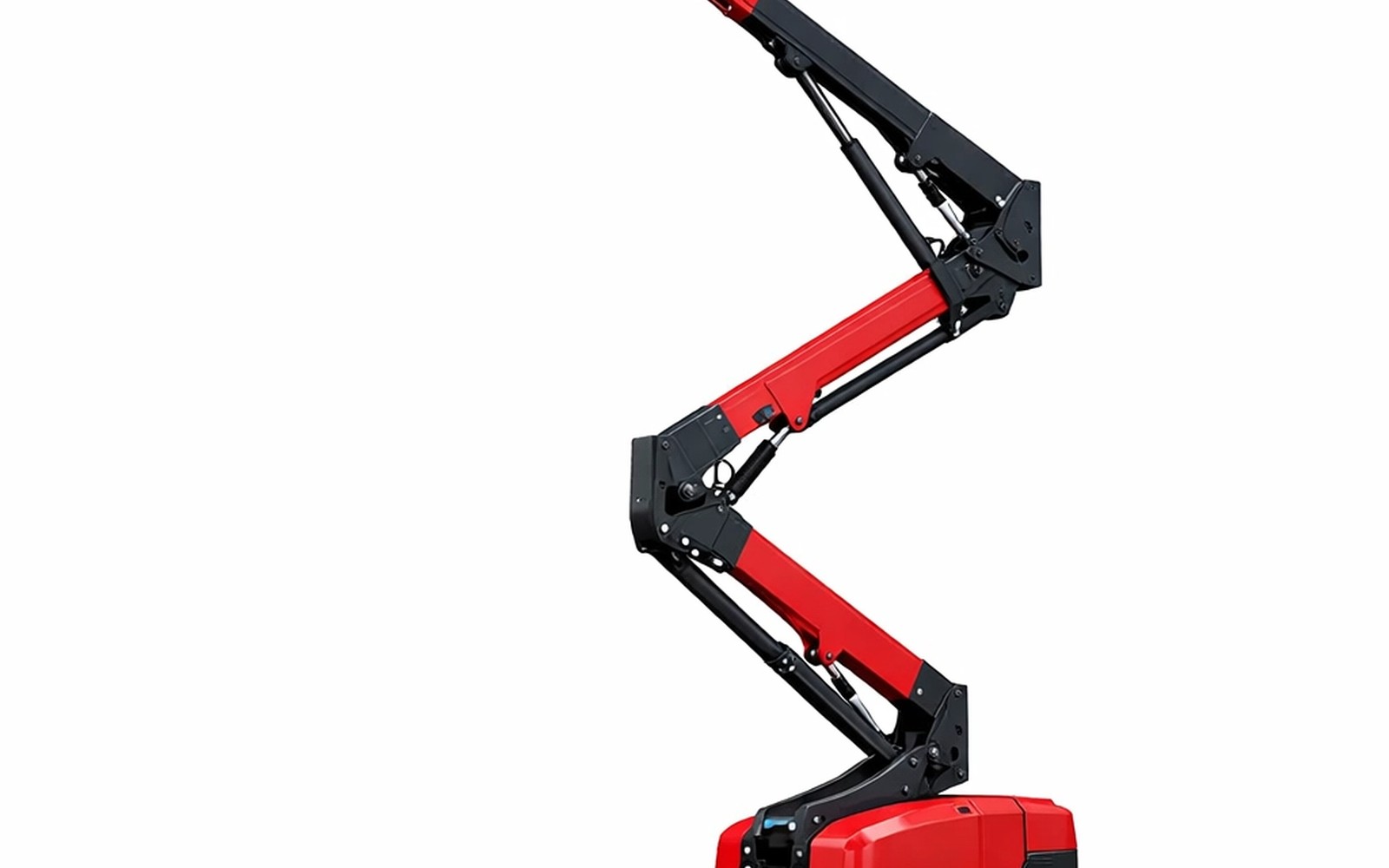
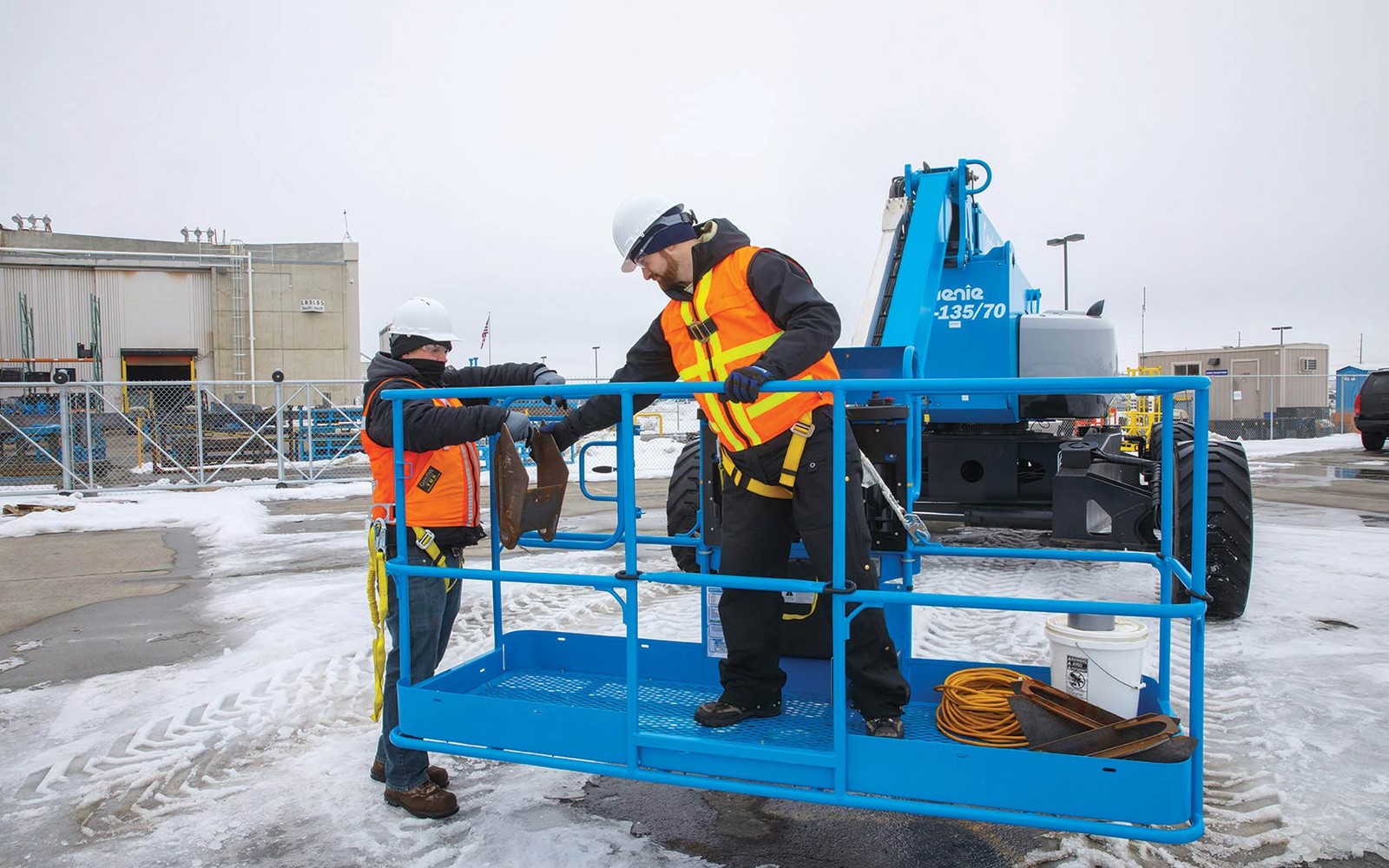
Towable Boom Lift
Structuring a Single-Man Lift Fleet Deal

Structuring a Single-Man Lift Fleet Deal

Fleet purchases of single-man lifts lend themselves to blanket financing structures. Instead of a fixed transaction for a specific number of units, a blanket facility lets you draw against an approved credit line as you buy units over time. You get a term sheet for the total facility amount, draw against it as units arrive and are placed in service, and manage one monthly payment that adjusts as the balance changes. This is efficient for maintenance companies and rental operators who are growing their fleet incrementally rather than buying all units at once.

Standard loan and lease structures also work for defined fleet buys. If you're purchasing fifteen units for a new facility contract, we write a single deal covering all fifteen, produce one payment, and file the lien on the fleet. At the end of the term you own all fifteen units, or you have a lease-end option depending on the structure you chose at origination.

Sale-leaseback is available for existing fleet operators who own single-man lifts and want working capital. The value per unit on small single-man platforms is modest, but a fleet of thirty units can represent meaningful aggregate equity. We assess the fleet value, fund against it, and structure the payment over the term. You continue operating the units normally during the leaseback period.

Operators considering the economics of owning versus renting single-man lifts should look at their annual rental spend on this category and compare it against the annual cost of ownership including financing, insurance, and maintenance. In most cases where the unit would be rented more than 10 to 15 times per year, ownership wins on the math. For help thinking through the right financing structure for your specific situation, see our page on aerial lift equipment loans and how loan versus lease terms compare in practice.

Low Level Access Lift
Common questions
Answers from the desk.

Can I finance single-man lifts as part of a mixed fleet that includes scissors and booms?

Yes. Mixed fleet transactions are common. We combine all the units into a single deal with one monthly payment, one set of documents, and one lien filing. The mix of unit types doesn't affect the process, only the total transaction value.

What if I need to add units to the fleet six months after the original deal closes?

A blanket facility lets you do exactly that: draw against the approved credit line as you add units without running a new application each time. Alternatively, a second transaction on the new units is always available, though the blanket approach is cleaner for ongoing fleet growth.

Are single-man lifts covered by the same ANSI standards as larger aerial platforms?

Yes. Single-man lifts must comply with ANSI A92 standards for aerial work platforms, including operator training requirements and equipment inspection protocols. The fact that only one operator is in the basket doesn't change the training or inspection obligations under the standard.

Our facility maintenance company serves clients across three states. Can we finance under our main entity?

Yes, as long as the operating entity with the revenue and bank statements is the borrowing entity. Multi-state operations are common and don't complicate the deal. The equipment can be deployed across locations as the operation requires.

How do lenders handle insurance requirements on a fleet of single-man lifts?

Lenders require the financed equipment to be covered by commercial property or inland marine insurance, typically at replacement value. For a fleet of single-man lifts, you'll add an equipment rider to your commercial policy or maintain an inland marine floater covering the fleet. Provide a certificate of insurance showing the lender as additional insured and loss payee.

Common Questions on Single-Man Lift Financing

Straight answers before you send the equipment file.

Can I finance single-man lifts as part of a mixed fleet that includes scissors and booms?

Yes. Mixed fleet transactions are common. We combine all the units into a single deal with one monthly payment, one set of documents, and one lien filing. The mix of unit types doesn't affect the process, only the total transaction value.

What if I need to add units to the fleet six months after the original deal closes?

A blanket facility lets you do exactly that: draw against the approved credit line as you add units without running a new application each time. Alternatively, a second transaction on the new units is always available, though the blanket approach is cleaner for ongoing fleet growth.

Are single-man lifts covered by the same ANSI standards as larger aerial platforms?

Yes. Single-man lifts must comply with ANSI A92 standards for aerial work platforms, including operator training requirements and equipment inspection protocols. The fact that only one operator is in the basket doesn't change the training or inspection obligations under the standard.

Our facility maintenance company serves clients across three states. Can we finance under our main entity?

Yes, as long as the operating entity with the revenue and bank statements is the borrowing entity. Multi-state operations are common and don't complicate the deal. The equipment can be deployed across locations as the operation requires.

How do lenders handle insurance requirements on a fleet of single-man lifts?

Lenders require the financed equipment to be covered by commercial property or inland marine insurance, typically at replacement value. For a fleet of single-man lifts, you'll add an equipment rider to your commercial policy or maintain an inland marine floater covering the fleet. Provide a certificate of insurance showing the lender as additional insured and loss payee.

Get Terms on Single-Man Lift Financing

Tell us what you are buying, who is selling it, and when you need it earning. We will review the file and point you to the next step.

Get Loan Terms →Call (713) 375-4374