Self-Propelled Boom Lift Financing

Self-Propelled Boom Lift Financing

Aerial Lifts We Finance / Self-Propelled Boom Lift Financing

Self-Propelled Boom Lift Financing

Finance self-propelled boom lifts for jobsite mobility without a tow vehicle. New or used, credit history weighed against lift value, $50k minimum, funded in.

Approval is more than a credit score.

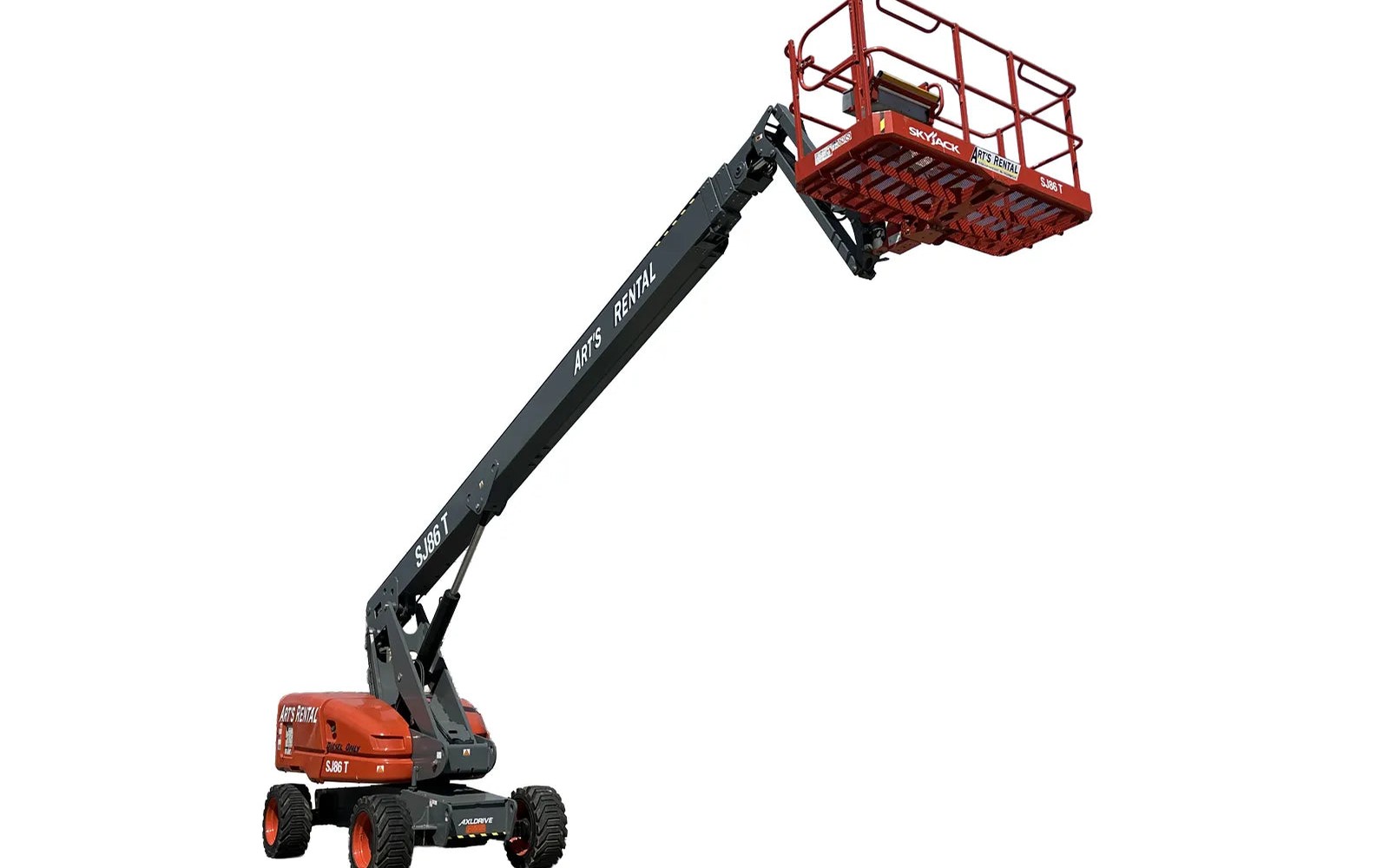
Boom Lift
  • Priced on the asset — deck height, hours, and resale strength carry the file.
  • Application-only up to $500,000 — financials stay in the drawer.
  • New, used, dealer, auction, or private party — all fundable.
  • Startups and challenged credit get structure, not a form rejection.
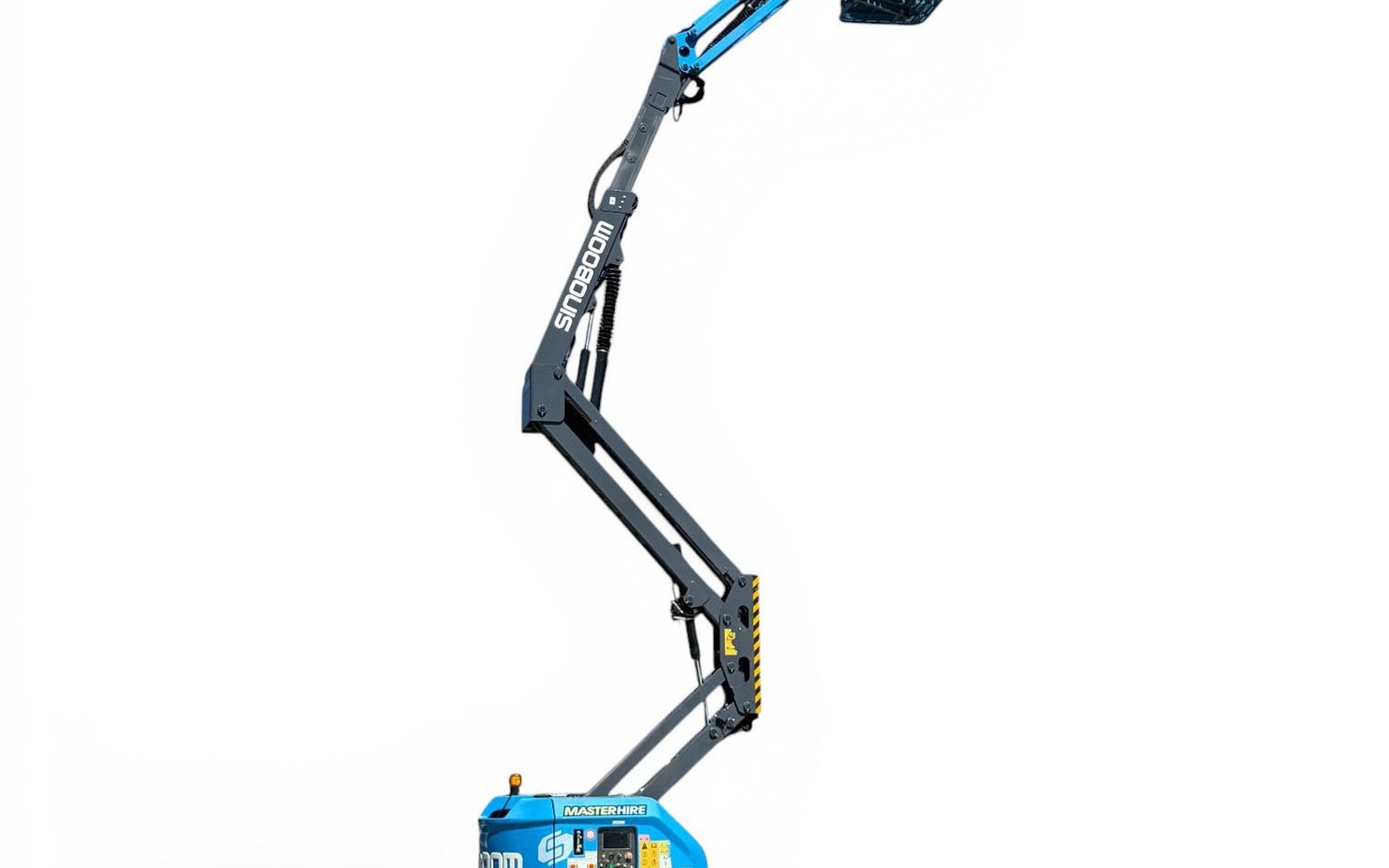
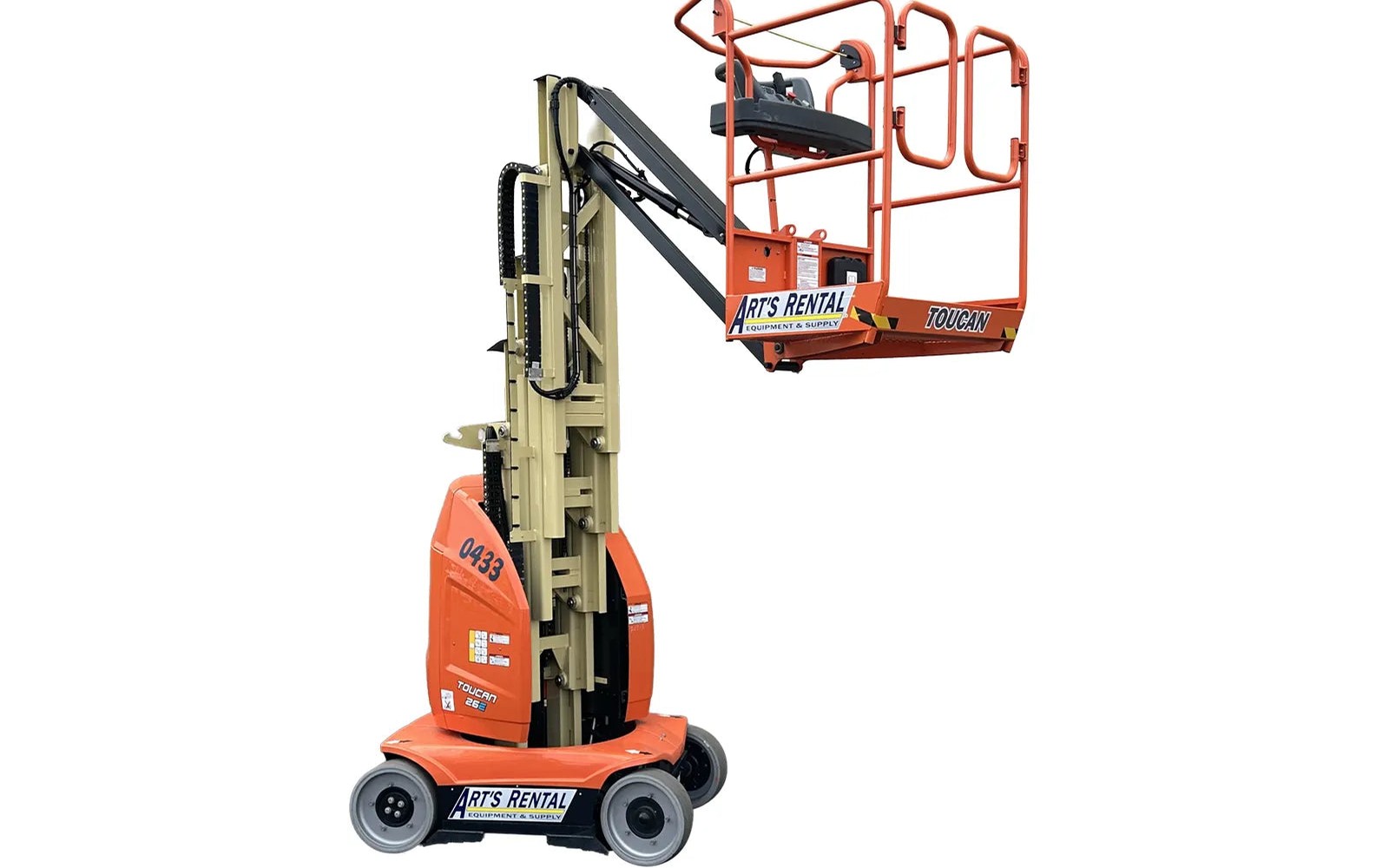
Electric Boom Lift

A self-propelled boom drives itself to the work. That sounds obvious, but the distinction matters on busy jobsites where the unit has to move across a slab, reposition between setups, and get itself from the laydown area to the structure without a tow vehicle in the way. Towable booms need a truck and a driver. Self-propelled units need a charged battery or a full diesel tank and an operator at the controls. For contractors who are billing time in the air rather than time moving equipment, the drive capability pays for itself fast.

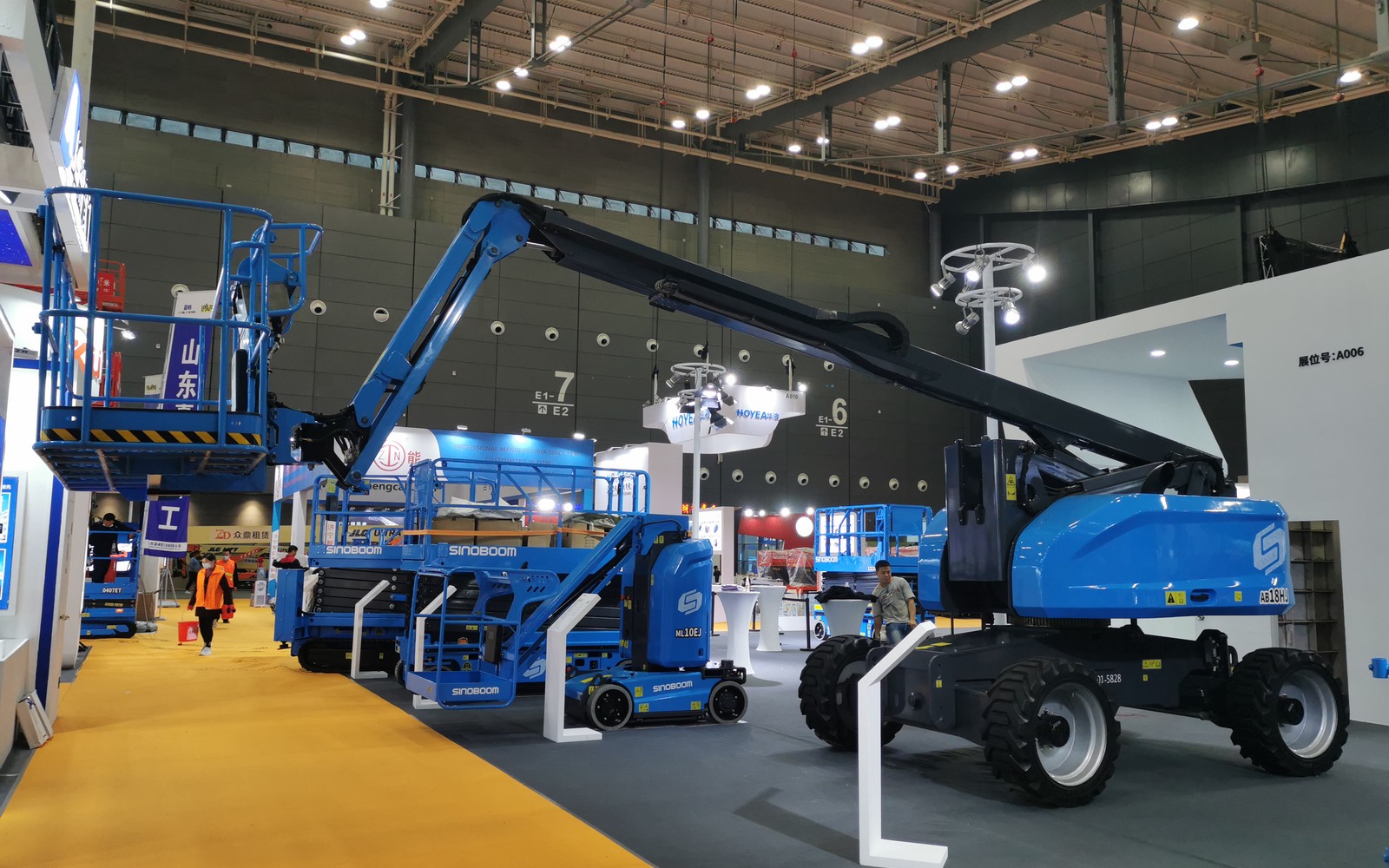
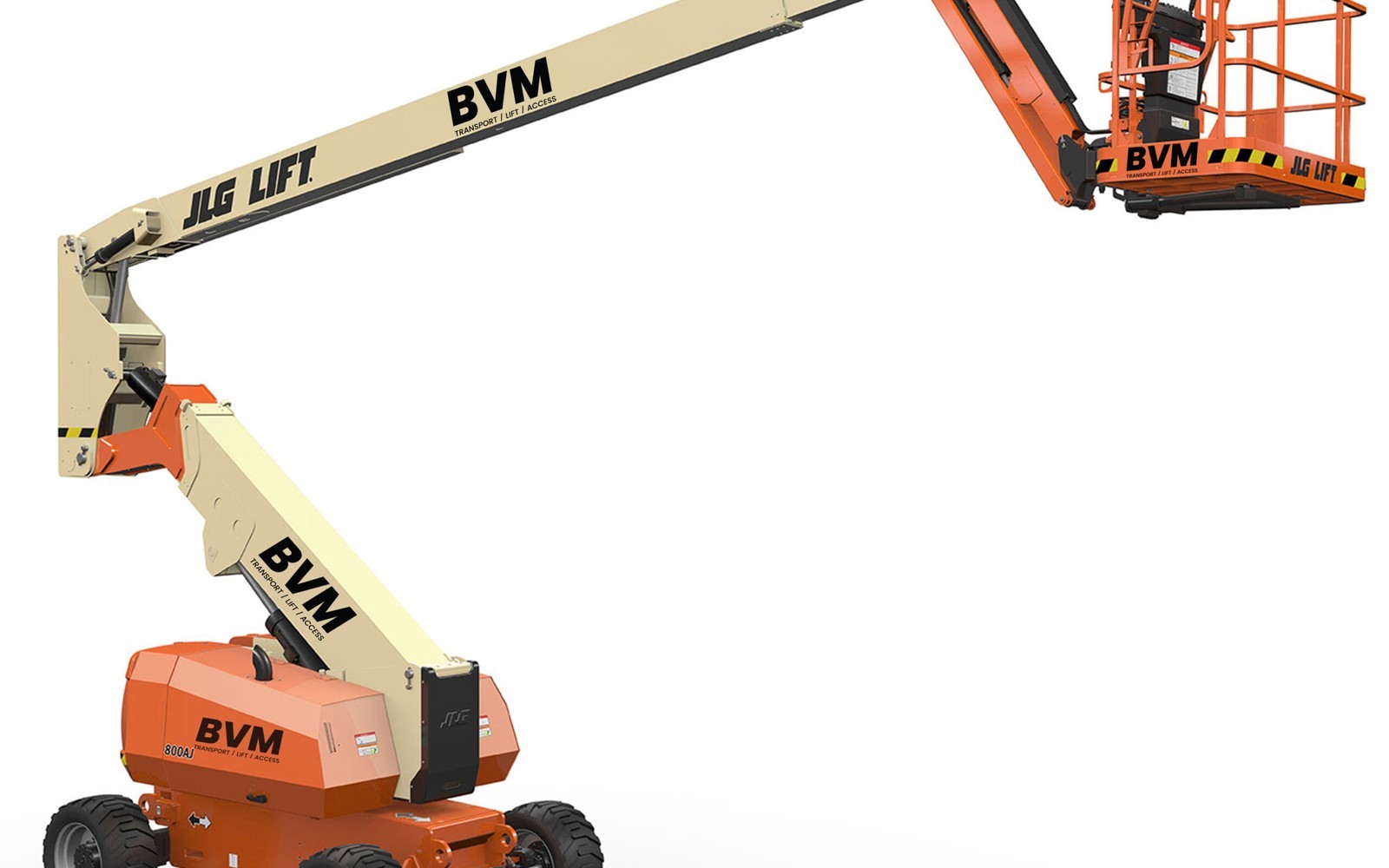
Self-propelled boom lifts split into two camps: electric slab machines for interior and light-outdoor work, and four-wheel-drive diesel or dual-fuel rough-terrain units for open sites, grades, and soft ground. The Genie S-60 telescopic boom and the JLG 600S are workhorses of the electric slab class, reaching 60 feet of working height and driving themselves across finished concrete floors at up to 4 mph. On the rough-terrain side, the JLG 600AJ and Genie Z-60 move through active construction sites under their own power with 4WD and oscillating axles to handle uneven terrain. We fund all of them, from $50k up, new or used.

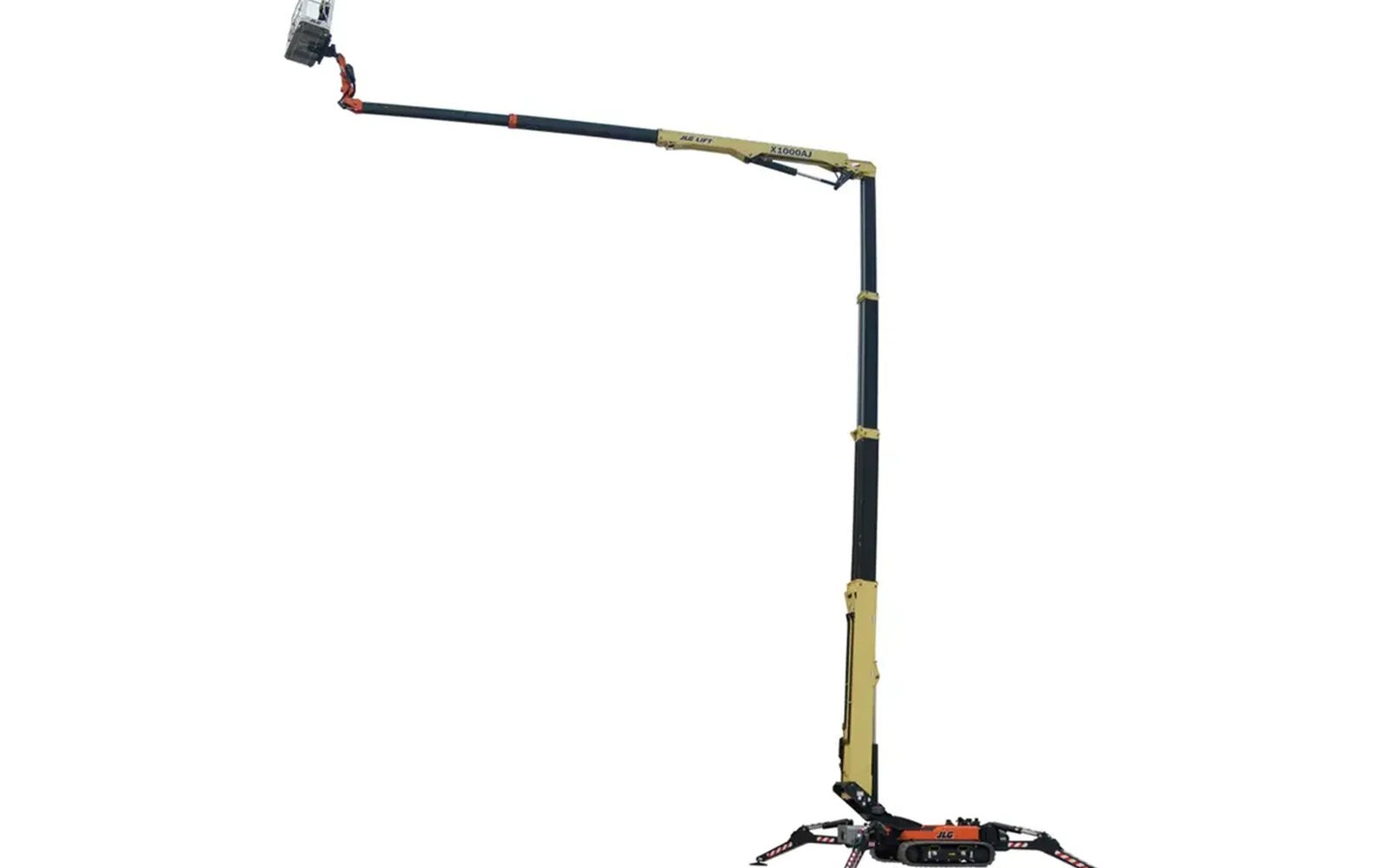
Knuckle Boom Lift
Where Self-Propelled Booms Work

Steel erection and ironwork crews rely on self-propelled telescopic booms because the job moves. A crew connecting steel on a multi-story structure needs to reposition multiple times per shift. A towable unit would require a second machine and a second operator to move it. The self-propelled drive means the boom operator relocates the machine between connections without leaving the controls or waiting for help.

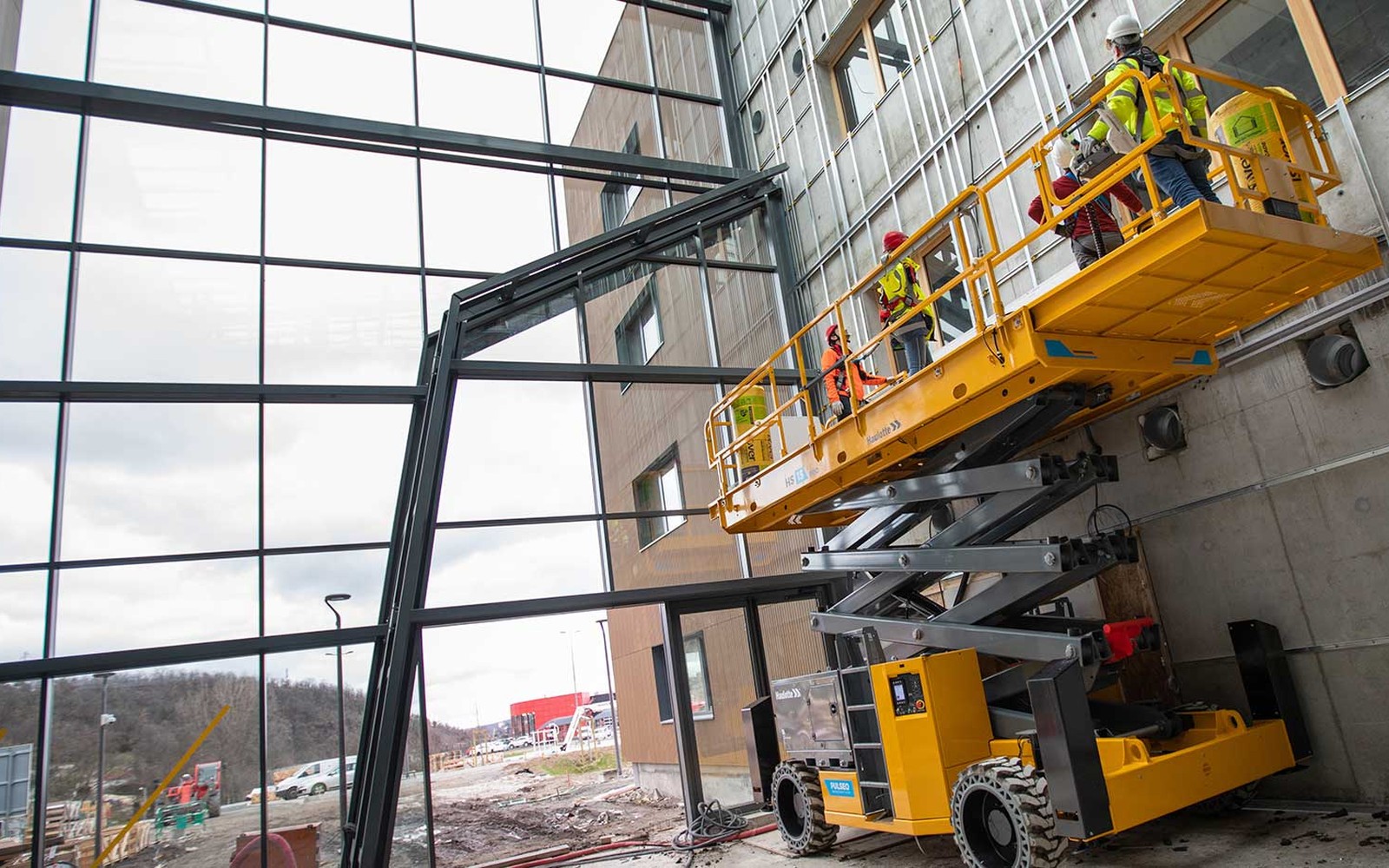
Commercial construction in general is heavy on self-propelled boom demand. General contractors running mid-size commercial projects carry self-propelled booms as standard fleet, both for their own crews and as units they can keep on site for all the trades that need elevation. Electricians, HVAC crews, plumbers, and finish trades all use the same boom rather than each trade bringing its own lift. Utilization on that kind of shared jobsite asset runs high, which is exactly the profile that makes financing the unit smart instead of renting it indefinitely.

Rental yards keep self-propelled booms as high-utilization units because demand from construction accounts is consistent and the rate card on a 60-foot self-propelled boom is well above the comparable scissor. If you're in the rental business, these machines carry their weight in the fleet.

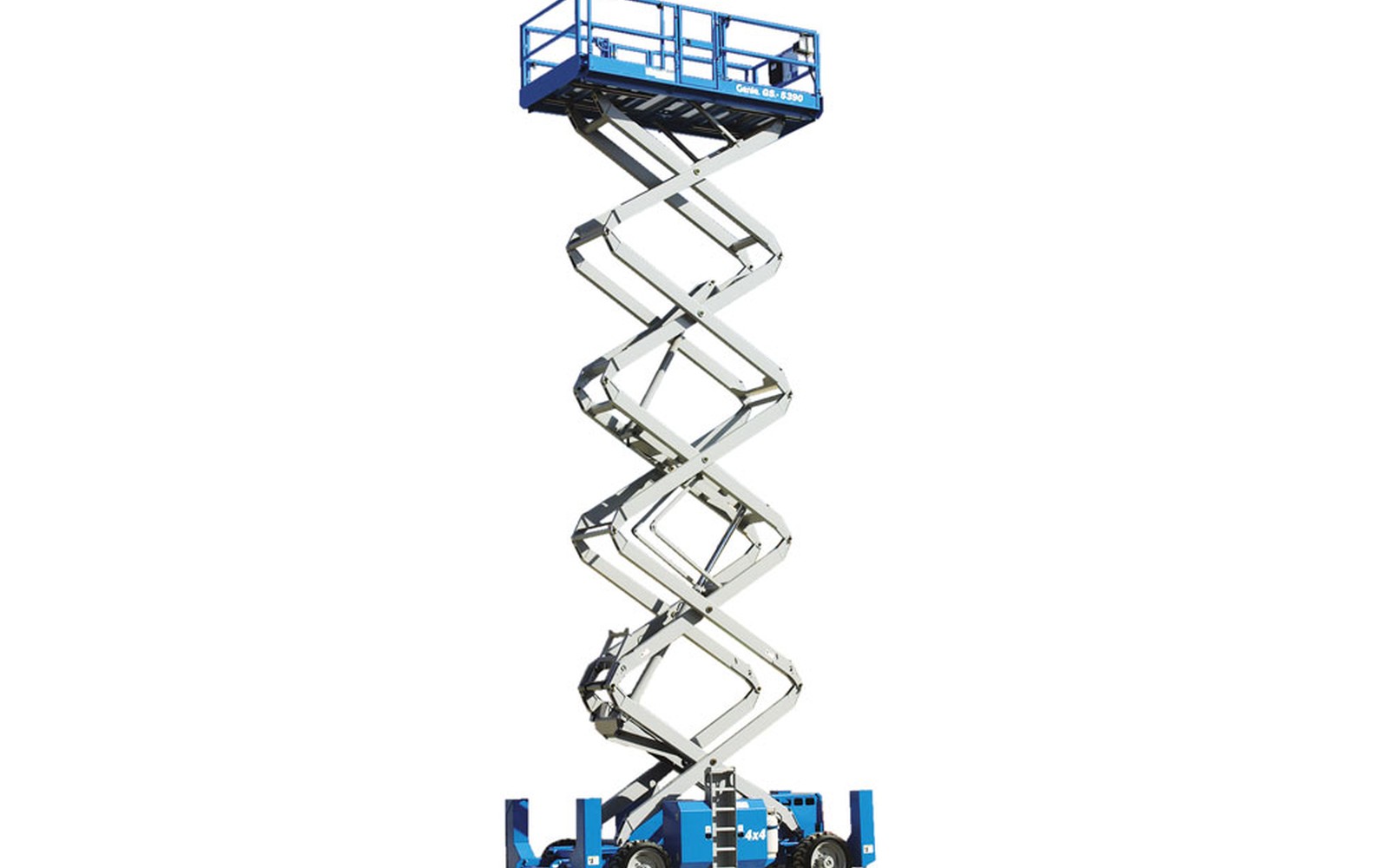
Narrow Scissor Lift
Drive Class and Platform Specs

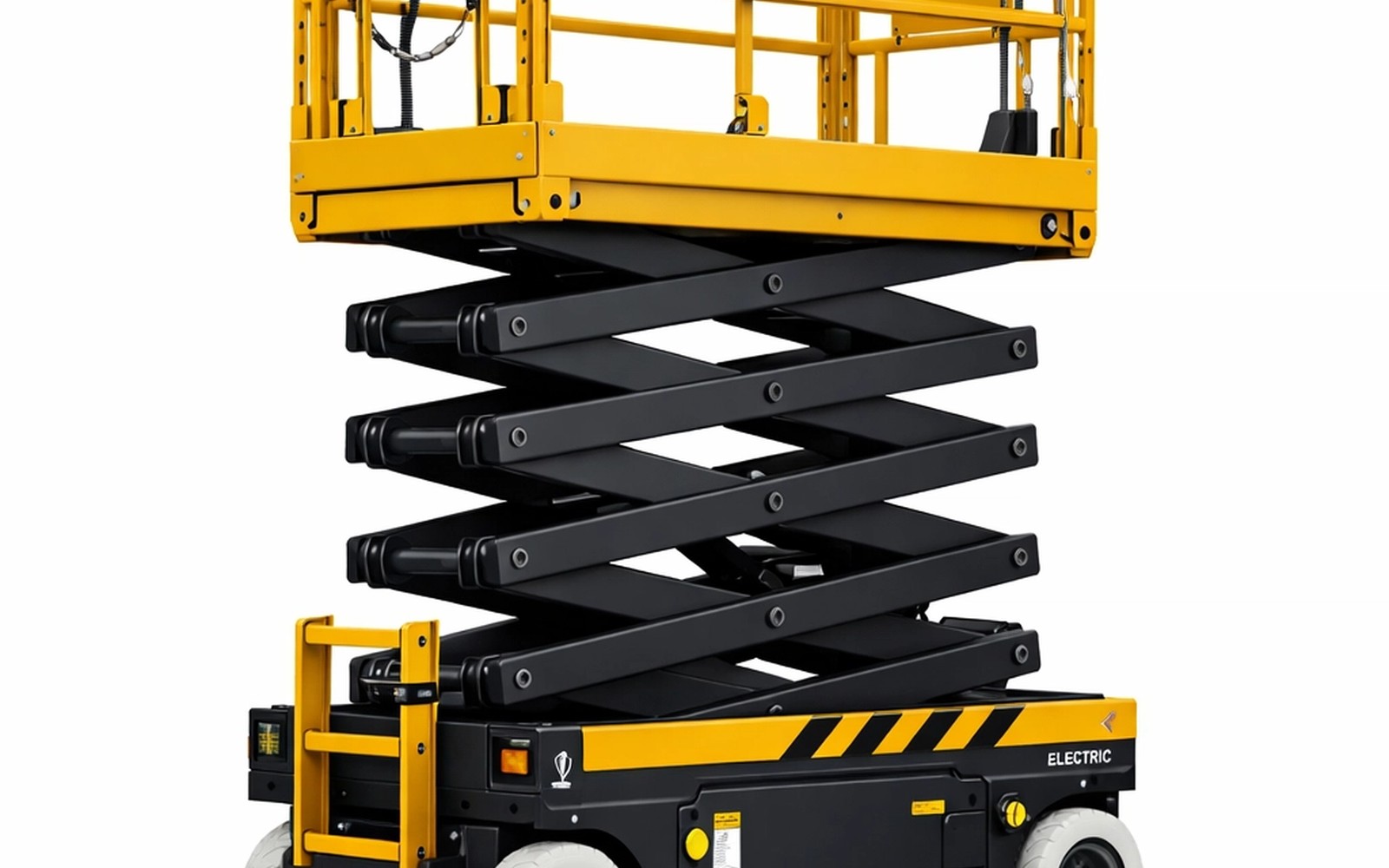
The electric slab-drive class covers units from about 40 to 80 feet of working height. Non-marking tires, AC drive motors, and battery capacities that support a full shift of operation are standard. The Genie S-60 runs a 60-foot working height with 57 feet of horizontal outreach at full elevation. The JLG 600S is comparable. Both use four-wheel drive for the drive function even though they're slab machines, which gives them better traction on ramps and inclines in parking structures and multi-level buildings. Platform capacity on units in this class is typically 500 to 660 pounds, supporting two workers and a standard tool load.

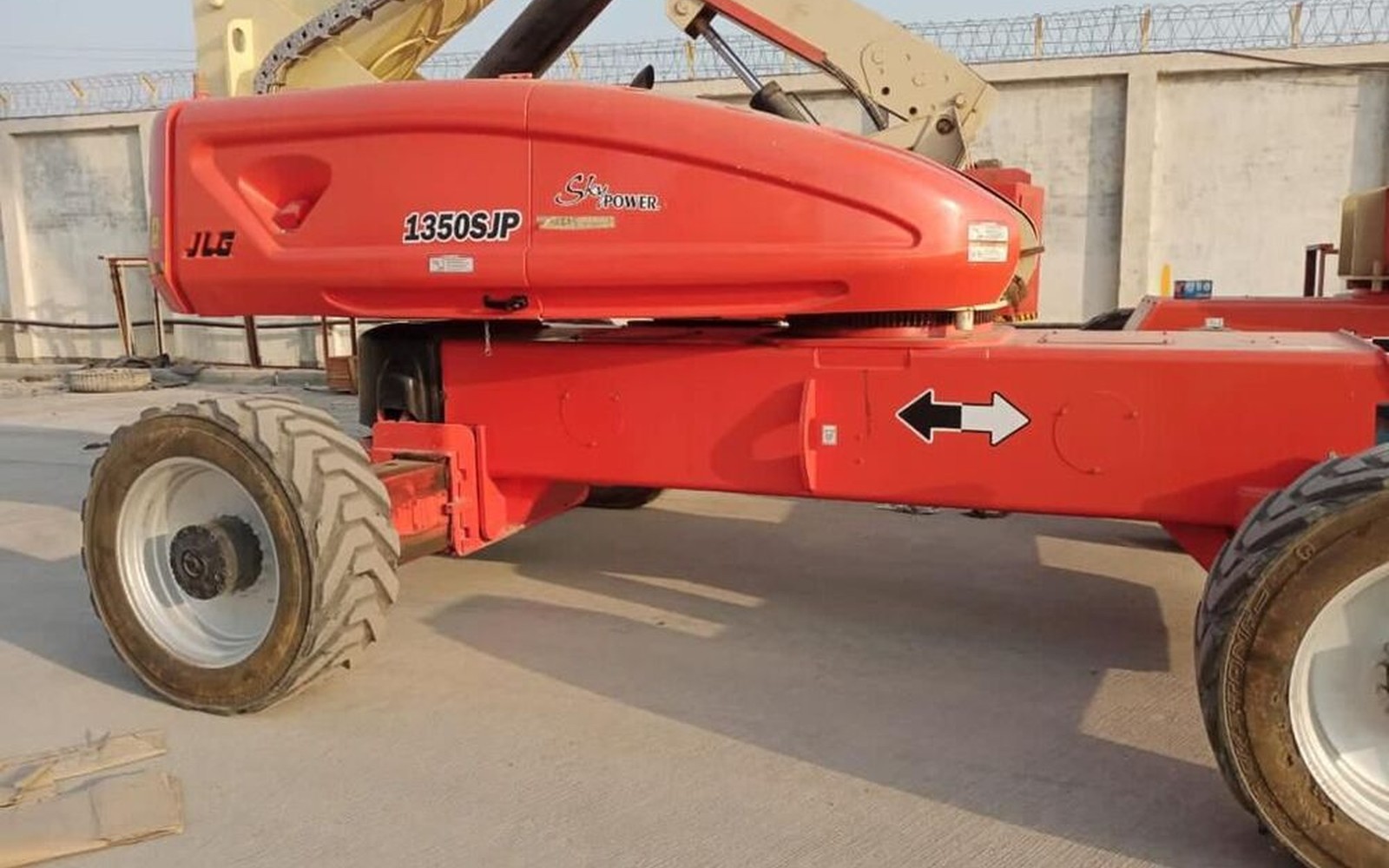
Rough-terrain self-propelled booms in the 60-foot class, like the JLG 600AJ articulating boom and the Genie Z-60, use diesel power (or dual fuel on some models), 4WD with oscillating axles, and foam-filled tires. Drive speeds on these are slower than electric slab units, typically 2.5 to 3.5 mph, but they handle grades up to 45 percent in some configurations. These machines go where the slab-electric units cannot: active dirt sites, partially graded lots, bridge and highway infrastructure work, and any job where the surface is soft or unpredictable.

For buyers focused on the telescopic boom lift end of the self-propelled class, straight-stick reach at 80, 120, and 150 feet is available. The higher you go, the more the machine costs and the more the annual utilization has to justify the payment. At 150 feet, you're looking at a specialized machine that needs the right project pipeline to earn its keep. We fund those too, but the underwriting looks harder at cash flow and backlog on the higher end.

Low Level Access Lift
Common questions
Answers from the desk.

Is there a difference in how you finance electric self-propelled booms vs. diesel rough-terrain units?

Not materially. The underwriting focuses on your cash flow and the asset value, not on what powers the machine. Diesel rough-terrain booms tend to cost more than electric slab units of comparable height, so the deal size is larger, but the process and timeline are the same.

We're a rental company buying six self-propelled booms at once. Do we need six separate applications?

No. A multi-unit order is structured as one deal. One application, one term sheet, one closing. We size the whole fleet purchase off three months of bank statements and fund at close.

Can we finance a self-propelled boom that's already three years old with 800 hours on it?

Yes. Three years and 800 hours is young for this class of machine. Boom lifts are routinely financed with much higher hours, provided the condition is good. Give us the asset details including the service history and we'll review.

We want to refinance a self-propelled boom we own outright to pull cash for a second unit purchase.

That's a common structure. A cash-out refinance on the unit you own free and clear, combined with purchase financing on the new one, can both close off the same application cycle. We handle both sides of the transaction.

The seller is a private owner, not a dealer. Will you still finance it?

Yes. Private-party sales are routine for us. We confirm the asset, structure the deal, wire the funds to the seller, and you take delivery. The process is the same as buying from a dealer, just with a different payee.

Common Questions on Self-Propelled Boom Lift Financing

Straight answers before you send the equipment file.

Is there a difference in how you finance electric self-propelled booms vs. diesel rough-terrain units?

Not materially. The underwriting focuses on your cash flow and the asset value, not on what powers the machine. Diesel rough-terrain booms tend to cost more than electric slab units of comparable height, so the deal size is larger, but the process and timeline are the same.

We're a rental company buying six self-propelled booms at once. Do we need six separate applications?

No. A multi-unit order is structured as one deal. One application, one term sheet, one closing. We size the whole fleet purchase off three months of bank statements and fund at close.

Can we finance a self-propelled boom that's already three years old with 800 hours on it?

Yes. Three years and 800 hours is young for this class of machine. Boom lifts are routinely financed with much higher hours, provided the condition is good. Give us the asset details including the service history and we'll review.

We want to refinance a self-propelled boom we own outright to pull cash for a second unit purchase.

That's a common structure. A cash-out refinance on the unit you own free and clear, combined with purchase financing on the new one, can both close off the same application cycle. We handle both sides of the transaction.

The seller is a private owner, not a dealer. Will you still finance it?

Yes. Private-party sales are routine for us. We confirm the asset, structure the deal, wire the funds to the seller, and you take delivery. The process is the same as buying from a dealer, just with a different payee.
Get Terms on Self-Propelled Boom Lift Financing

Tell us what you are buying, who is selling it, and when you need it earning. We will review the file and point you to the next step.

Get Loan Terms →Call (713) 375-4374