Aircraft & MRO Hangars

Aircraft & MRO Hangars

Industries We Serve / Aircraft & MRO Hangars

Aircraft & MRO Hangars

Aerial lift financing for MRO facilities and aircraft hangars. Low-profile scissors, self-propelled booms, and hangar-safe platforms. New or used, fund in 1-2.

Approval is more than a credit score.

General Contractors
  • Priced on the asset — deck height, hours, and resale strength carry the file.
  • Application-only up to $500,000 — financials stay in the drawer.
  • New, used, dealer, auction, or private party — all fundable.
  • Startups and challenged credit get structure, not a form rejection.
Painting Contractors

A wide-body aircraft tail stands 63 feet off the ground. Getting a technician to the horizontal stabilizer without grounding the plane involves either an aircraft docking system that costs millions, or a self-propelled aerial platform that can maneuver around the empennage without contact. MRO facilities at the regional and independent level use aerial lifts as their primary access solution for airframe maintenance, avionics installation, and exterior treatment. The lift earns every shift the hangar is running.

We fund aerial platforms for aircraft maintenance organizations, fixed-base operators with maintenance departments, MRO contractors, and hangar facilities servicing business aviation and commercial fleets. $50k minimum, most deals close in one to two weeks. The equipment requirements in aviation maintenance are specific, and we've financed units for this application before. Tell us the aircraft types you service and the access heights you need; we'll confirm the equipment is in scope.

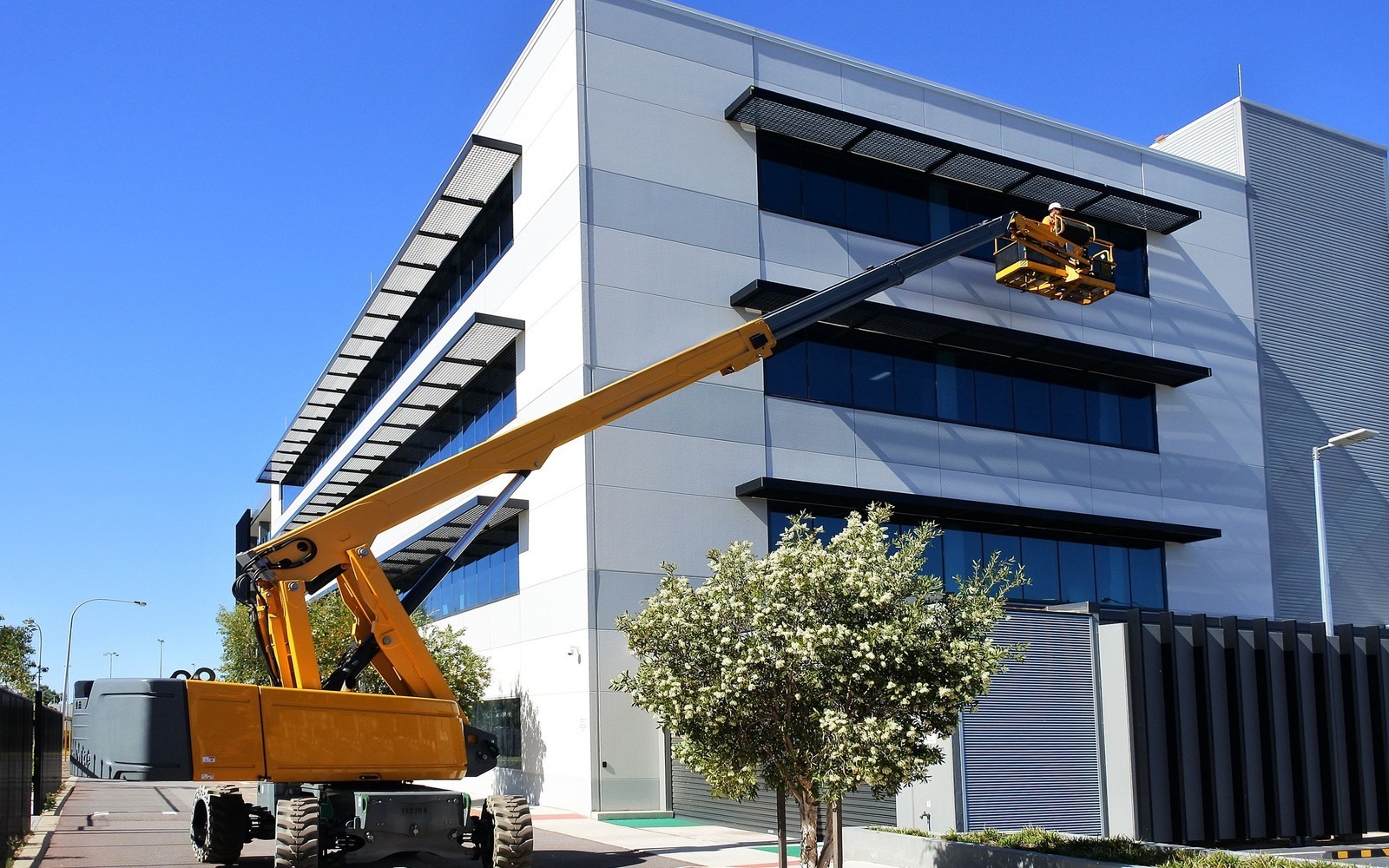
Aviation maintenance has tight clearance tolerances. A lift that snags a control surface or drags a boom against a fuselage skin causes significant, expensive damage. The platforms that work in hangars are spec'd for this: electric-drive articulating booms with precise controls, self-propelled scissors with low drive speeds in elevated position, and dedicated aircraft maintenance platforms designed with non-marking surfaces and soft contact bumpers. We finance all of these configurations.

Solar Installation Contractors
What Goes in the Hangar

What Goes in the Hangar

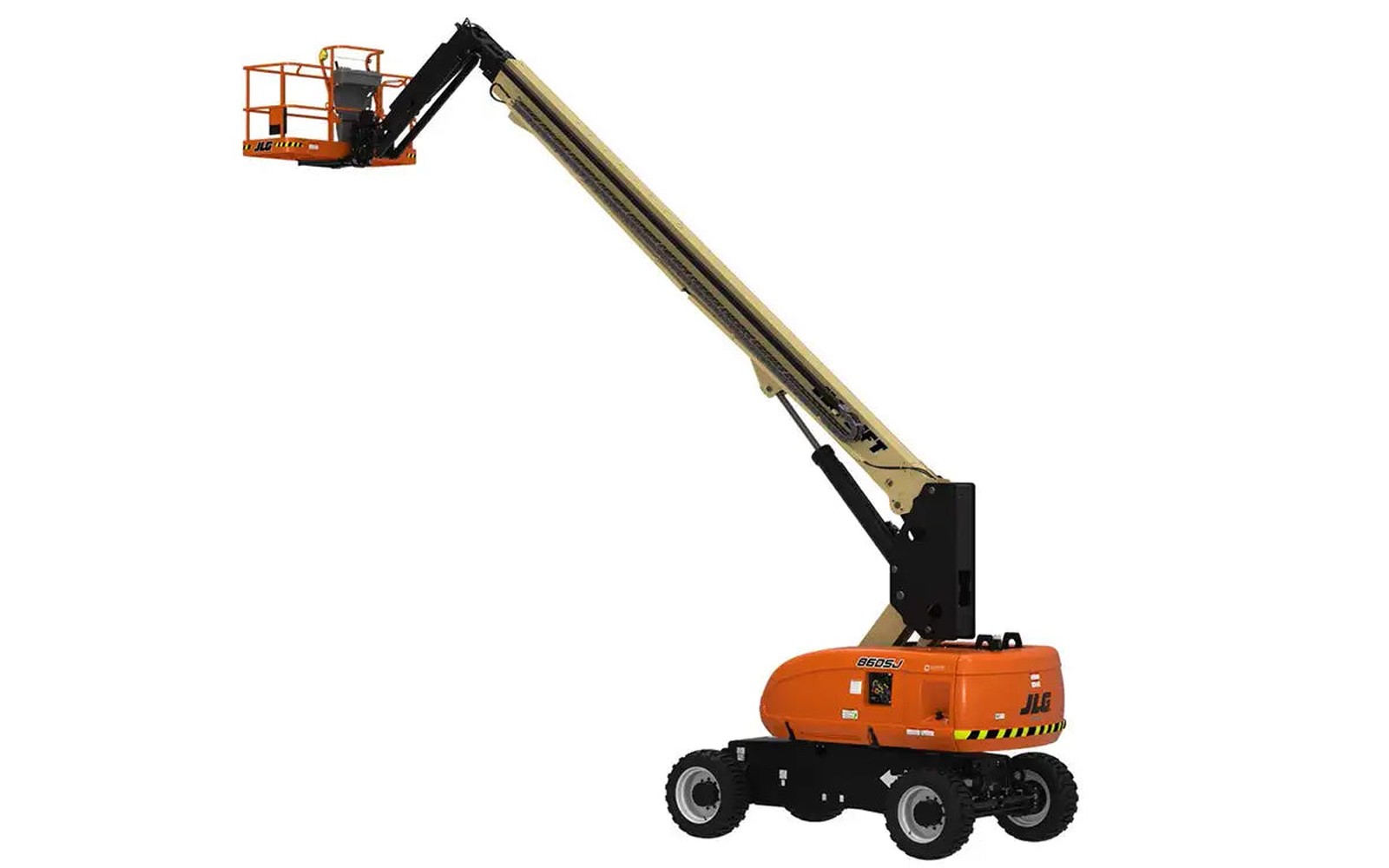
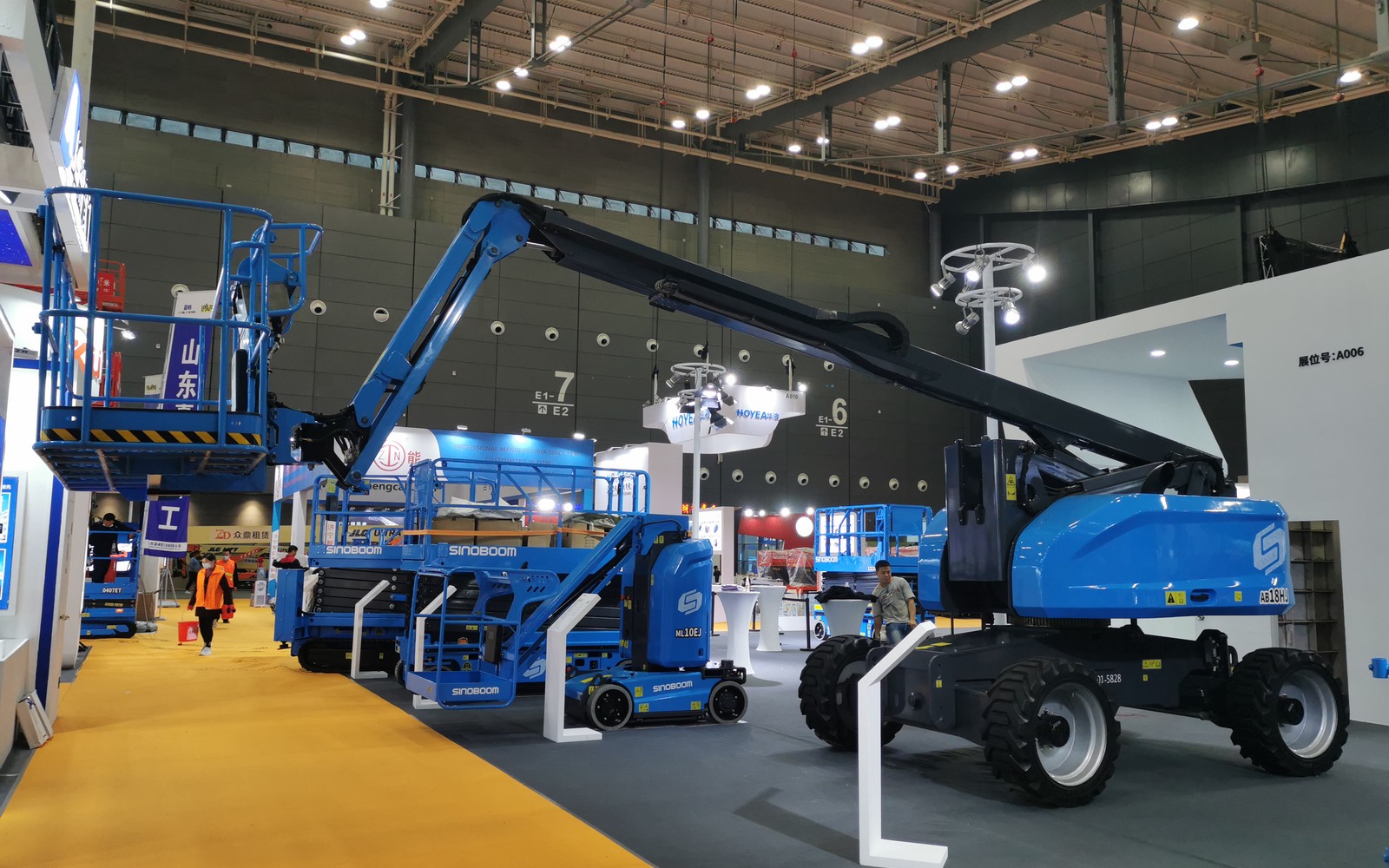
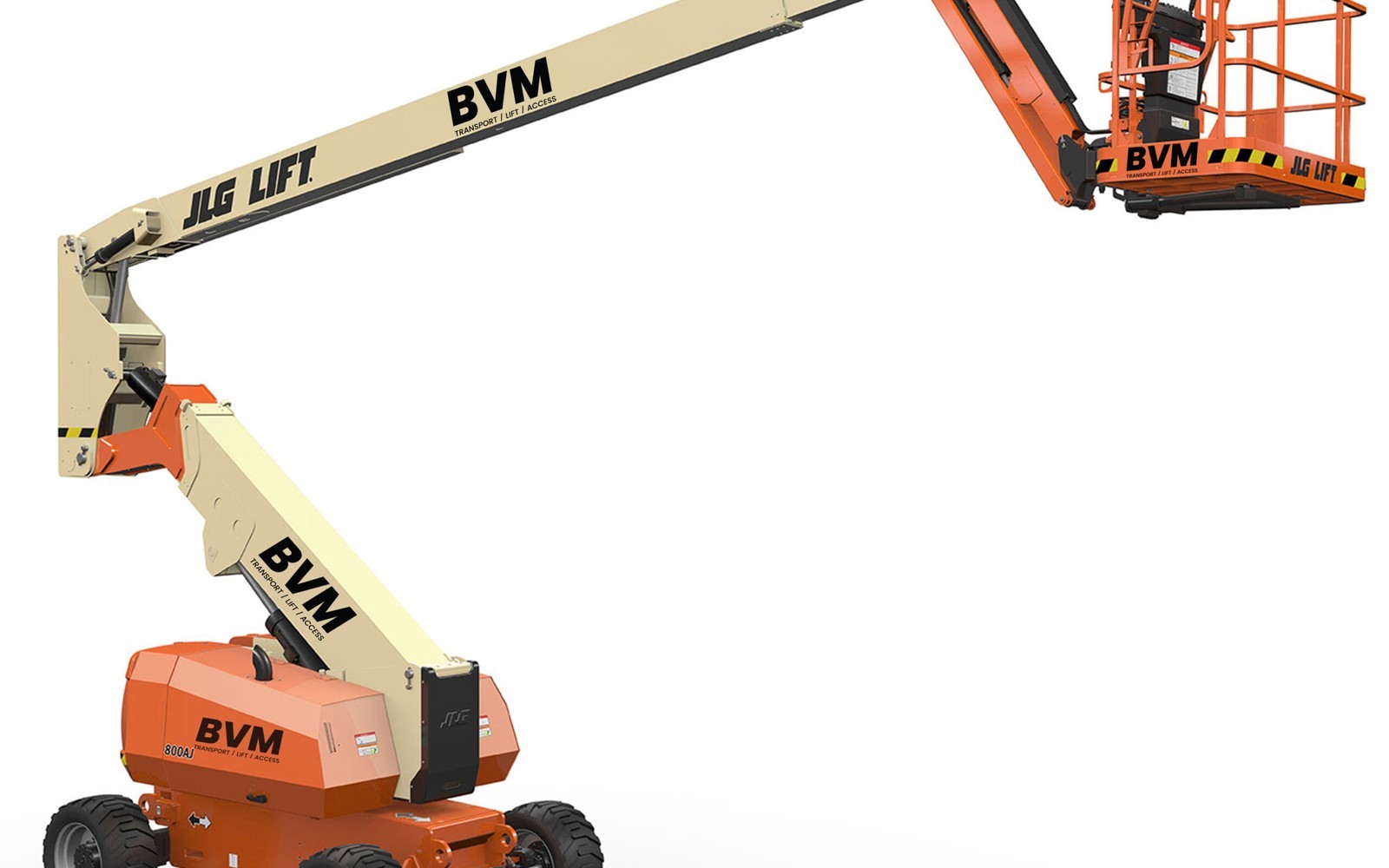
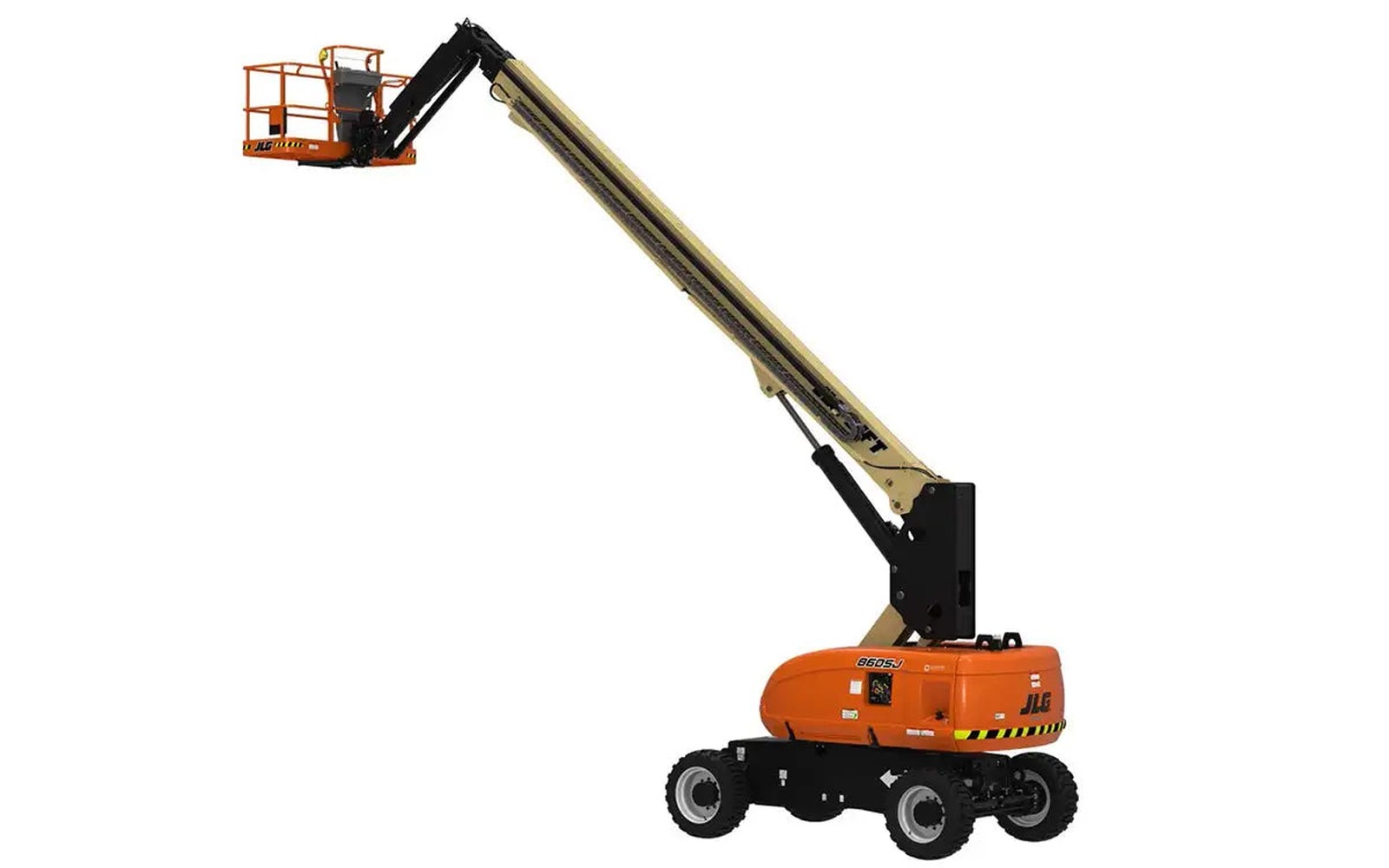
Electric articulating booms are the preferred access platform for most MRO work on turbine aircraft. A JLG 600AJ or Genie Z-60 in electric drive operates silently, produces no fumes in an enclosed hangar, and can position the platform with fine control around engine nacelles and wing leading edges. The articulating jib gives a technician access to contoured surfaces that a straight boom can't reach without repositioning. Articulating boom lifts in the 45-to-65-foot range cover most narrowbody and regional jet empennage heights.

For fuselage access on narrowbody aircraft, slab electric scissors in the 26-to-32-foot class park alongside the fuselage and give technicians a stable, level platform for interior and exterior work from the wing root to the forward cabin. Non-marking tires are required in most hangars to protect sealed concrete and epoxy floor coatings from rubber transfer. A 26-foot electric scissor with foam-filled non-marking tires is a standard hangar tool for this reason.

Business aviation hangars servicing large-cabin jets (Gulfstream G650, Bombardier Global 6000, and similar) need platforms with longer reach to the tail section without repositioning around the T-tail configuration. A self-propelled 60-foot boom with up-and-over capability handles the horizontal stabilizer access that a shorter platform can't reach without the risk of over-extending at radius.

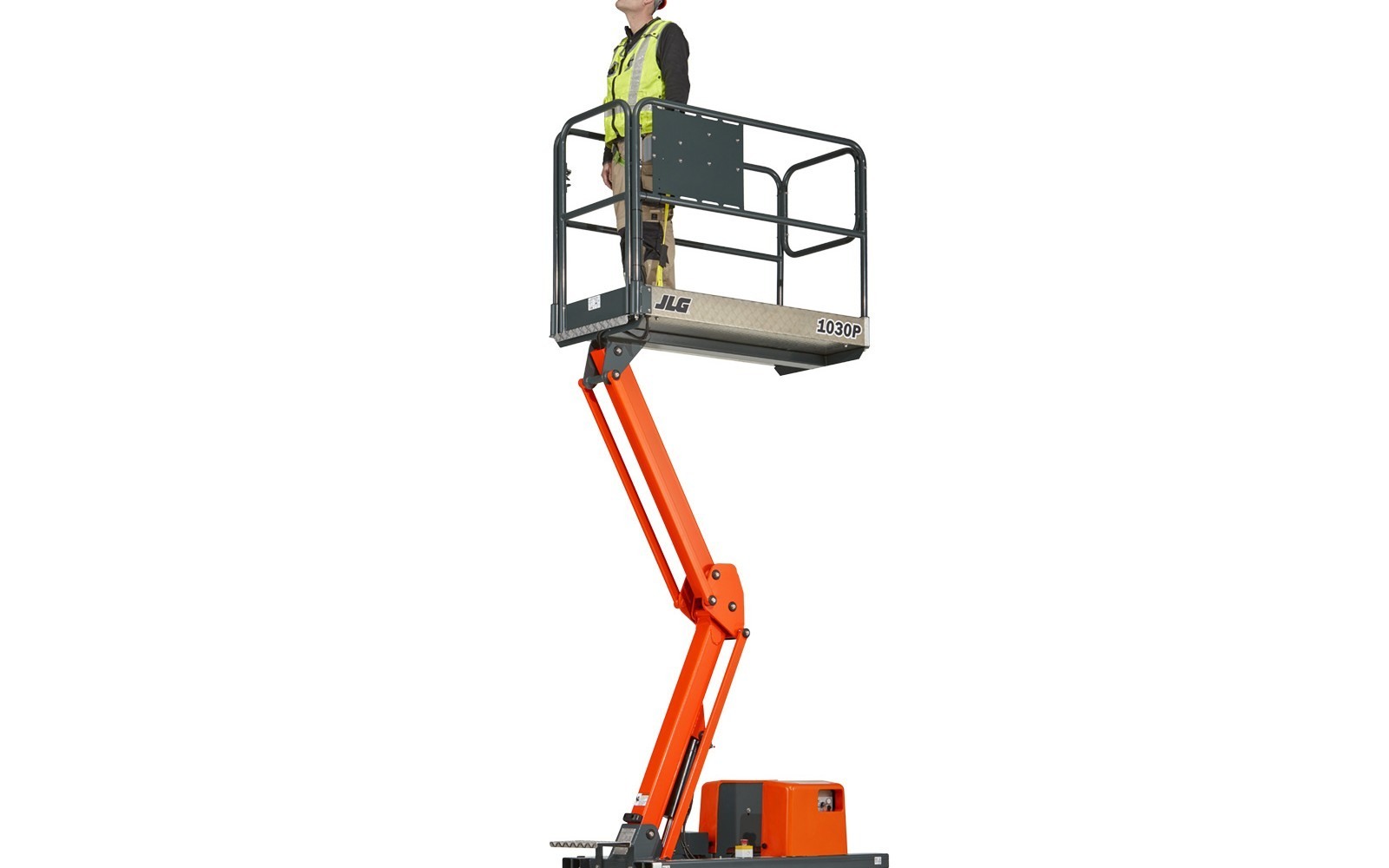
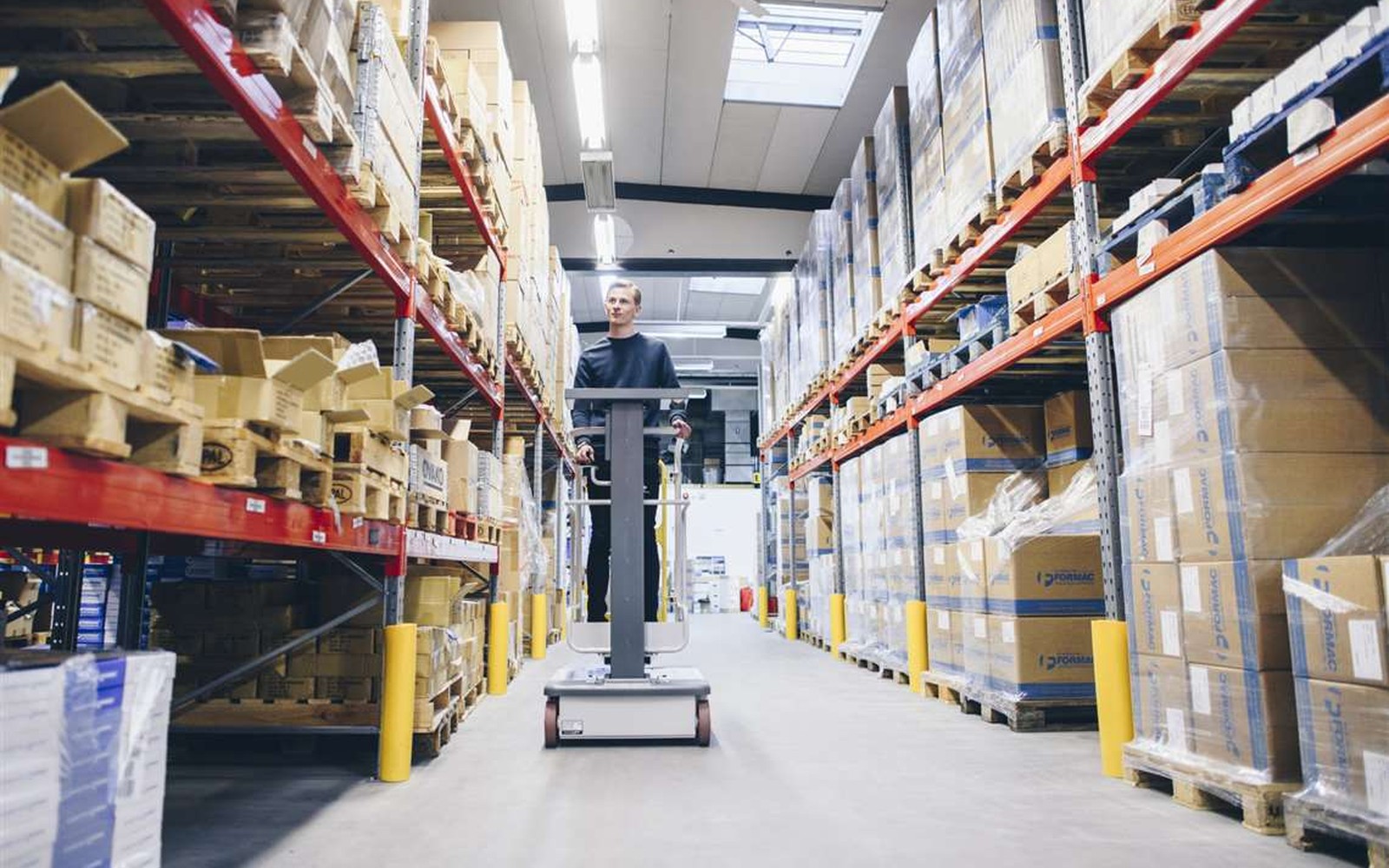
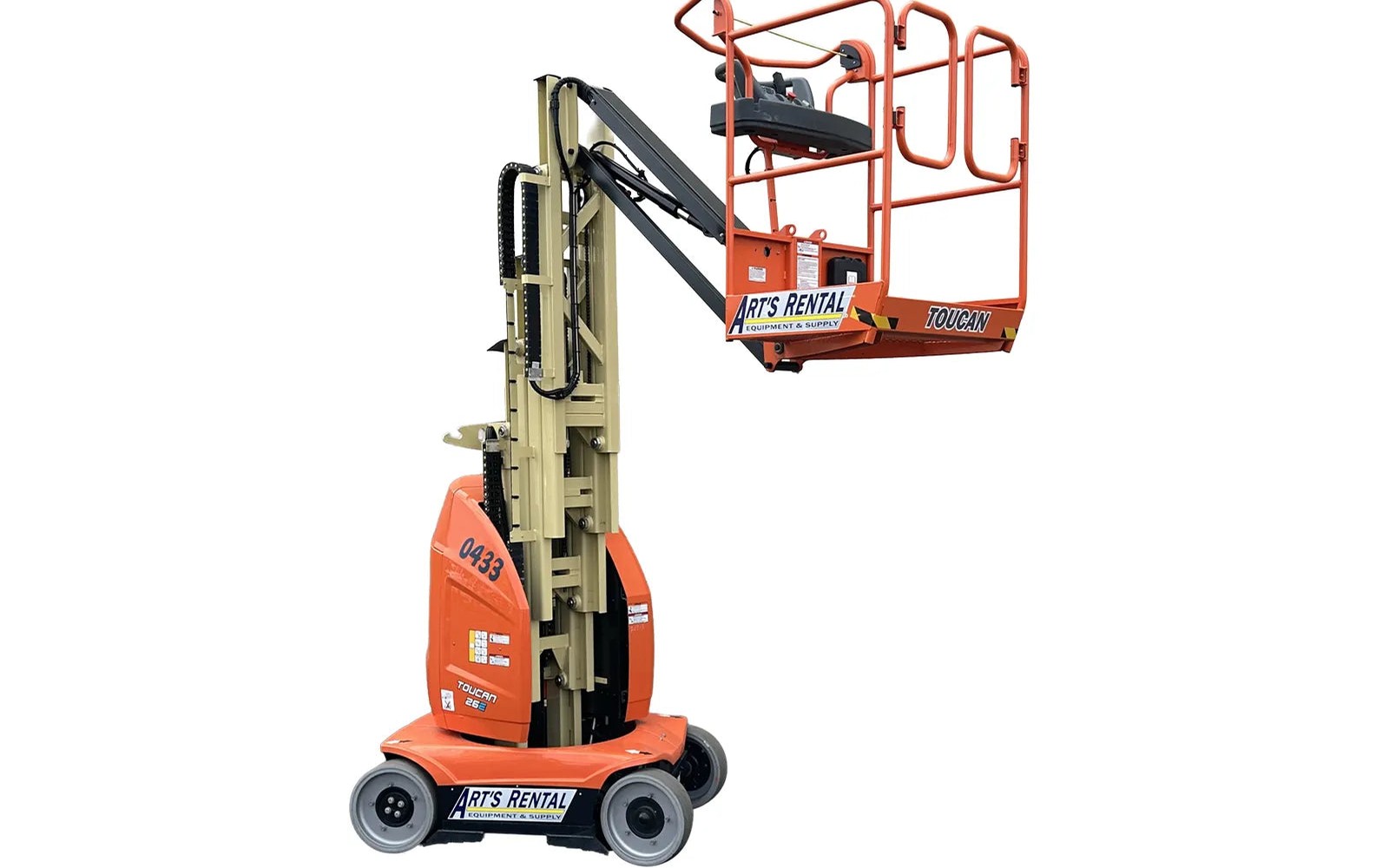
Engine shop and heavy maintenance environments sometimes use vertical mast lifts and personnel lifts for work inside the hangar where full-size platforms can't maneuver. Engine stands, avionics bays, and interior cabin refurbishment all have specific access geometries that a multi-unit hangar fleet accommodates. We can fund a mixed fleet order as a single deal.

Tree Care And Arborists
Who We Fund in Aviation Maintenance

Who We Fund in Aviation Maintenance

Part 145 certificated repair stations, from large regional MRO providers to single-shop avionics specialists. The certificate holder is the borrowing entity, and three months of statements plus a clean application covers most deals under $400k.

Fixed-base operators (FBOs) with in-house maintenance operations. An FBO that does annual inspections, line maintenance, and avionics work for the aircraft it fuels needs hangar access equipment. These businesses often have consistent revenue tied to airport activity and fuel throughput, which makes for a straightforward underwrite.

Business aviation operators with large-cabin fleets that maintain aircraft in-house. A corporate flight department managing a fleet of two to four large-cabin jets and performing routine maintenance internally needs owned access equipment rather than depending on a vendor every time the tail needs attention.

Independent maintenance contractors who service aircraft at multiple facilities. These contractors bring their own equipment to the aircraft rather than depending on the facility to provide it. An independent A&P mechanic or small maintenance shop that works across several airports may need a towable boom or a trailer-mounted platform that travels with the technician. We finance trailer-mounted boom lifts for exactly this application.

Low Level Access Lift
Common questions
Answers from the desk.

We need a lift that won't damage aircraft skin if it makes contact. Can you finance a purpose-built aircraft maintenance platform?

Yes. Platforms designed specifically for aircraft maintenance with soft contact bumpers, non-marking surfaces, and foam-filled tires are financeable equipment. We don't limit financing to general-purpose lifts. If you have a quote for a dedicated aircraft maintenance platform from a manufacturer or dealer, send it over and we'll confirm it qualifies. Most do.

Our hangar ceiling is 50 feet and we service G650-class aircraft with a tail height of about 25 feet. What platform class covers that?

A G650 has a tail height of roughly 25 feet, so a 40-to-45-foot working-height articulating boom in electric drive covers the horizontal stabilizer with room for the technician and tools at platform height. The JLG 450AJ and Genie Z-45 are both commonly used for this. If you're also accessing the vertical stabilizer top, which on a G650 is near 25 feet, you'll want a 60-foot platform. Bring us the quote for whatever unit your maintenance team specifies.

We're a new Part 145 certificate holder, in business 14 months. Does that qualify?

14 months is workable, though deal terms may be tighter than for an established operator. We'll want three months of statements showing revenue, the certificate documentation, and strong personal credit from the owner. A down payment may be required. Tell us about the business and the unit you need; we'll give you an honest picture of what's possible.

Can we buy a used electric boom lift from another MRO that's upgrading their fleet?

Private-party purchases from other MRO facilities are some of the cleanest used deals in this market. Hangar-use units often have low hours, documented maintenance logs, and clear ownership. We need the serial number, condition and hour information, a bill of sale, and clear title. If the selling facility had a loan on the unit, the lien needs to be discharged at closing, which we can coordinate.

We have two electric booms that are paid off. Can we refinance to get capital for a shop tooling purchase?

A cash-out refinance or sale-leaseback on your existing lifts pulls equity out while you keep using the equipment. For two paid-off units, we'd appraise the current market value, structure a note against that value, and pay you the proceeds. The lifts stay in the hangar. It's a reasonable way to fund tooling without a separate equipment loan.

Common Questions on Aircraft & MRO Hangars

Straight answers before you send the equipment file.

We need a lift that won't damage aircraft skin if it makes contact. Can you finance a purpose-built aircraft maintenance platform?

Yes. Platforms designed specifically for aircraft maintenance with soft contact bumpers, non-marking surfaces, and foam-filled tires are financeable equipment. We don't limit financing to general-purpose lifts. If you have a quote for a dedicated aircraft maintenance platform from a manufacturer or dealer, send it over and we'll confirm it qualifies. Most do.

Our hangar ceiling is 50 feet and we service G650-class aircraft with a tail height of about 25 feet. What platform class covers that?

A G650 has a tail height of roughly 25 feet, so a 40-to-45-foot working-height articulating boom in electric drive covers the horizontal stabilizer with room for the technician and tools at platform height. The JLG 450AJ and Genie Z-45 are both commonly used for this. If you're also accessing the vertical stabilizer top, which on a G650 is near 25 feet, you'll want a 60-foot platform. Bring us the quote for whatever unit your maintenance team specifies.

We're a new Part 145 certificate holder, in business 14 months. Does that qualify?

14 months is workable, though deal terms may be tighter than for an established operator. We'll want three months of statements showing revenue, the certificate documentation, and strong personal credit from the owner. A down payment may be required. Tell us about the business and the unit you need; we'll give you an honest picture of what's possible.

Can we buy a used electric boom lift from another MRO that's upgrading their fleet?

Private-party purchases from other MRO facilities are some of the cleanest used deals in this market. Hangar-use units often have low hours, documented maintenance logs, and clear ownership. We need the serial number, condition and hour information, a bill of sale, and clear title. If the selling facility had a loan on the unit, the lien needs to be discharged at closing, which we can coordinate.

We have two electric booms that are paid off. Can we refinance to get capital for a shop tooling purchase?

A cash-out refinance or sale-leaseback on your existing lifts pulls equity out while you keep using the equipment. For two paid-off units, we'd appraise the current market value, structure a note against that value, and pay you the proceeds. The lifts stay in the hangar. It's a reasonable way to fund tooling without a separate equipment loan.
Get Terms on Aircraft & MRO Hangars

Tell us what you are buying, who is selling it, and when you need it earning. We will review the file and point you to the next step.

Get Loan Terms →Call (713) 375-4374