Answers from the desk.
Can I use a working capital loan to buy a lift and then refinance it into equipment financing later?
You can, and we've seen operators do it. But you'll carry the higher-rate working capital cost until the refi closes, and some lenders won't refinance a unit that was purchased with unsecured working capital funds. The cleaner move is to start with equipment financing on the front end.
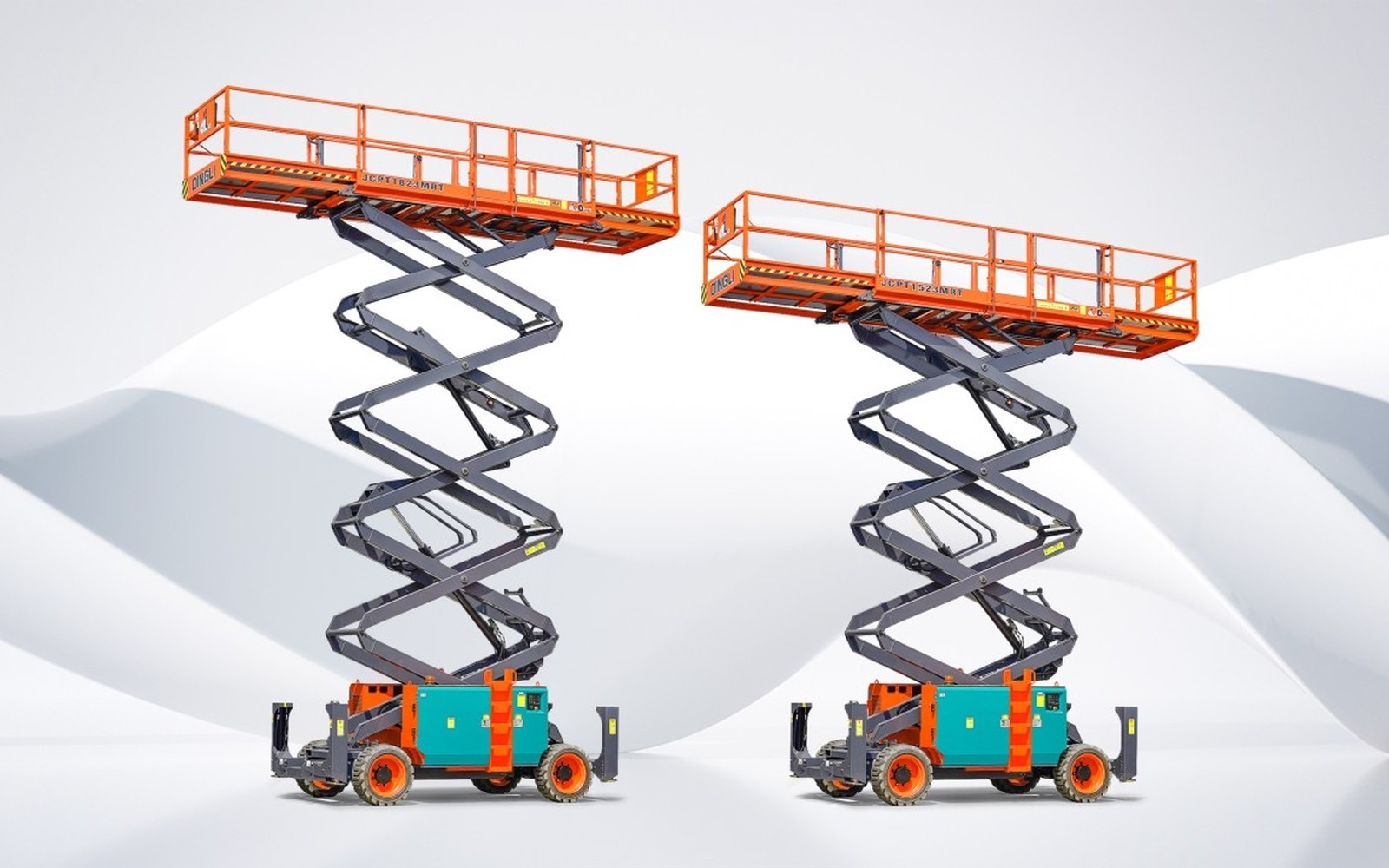
My business line of credit has room. Why would I still use equipment financing for a $90,000 scissor lift?
Because drawing $90,000 off a revolving line ties up capacity you may need for payroll, fuel, or a supplier deposit. Equipment financing is a separate facility secured by the lift, so the line stays available. You also get a fixed monthly payment rather than a revolving balance with a variable rate.
How does equipment financing affect my working capital line at the bank?
Equipment loans typically show up on the balance sheet as a separate long-term liability, not as a draw against a revolving line. This usually has a smaller impact on your borrowing capacity than most operators expect. Many banks view properly structured equipment debt as neutral to positive because it's secured by a depreciating hard asset.
Do I need to have zero balance on my working capital line to qualify for equipment financing?
No. Equipment financing underwriting looks primarily at the business's cash flow (three months of bank statements) and the value of the collateral. An existing working capital balance doesn't disqualify you; it's one factor among several, not a gating requirement.
Can I structure equipment financing with seasonal payments so it doesn't conflict with my working capital needs in slow months?
Yes. Seasonal payment structures are available, including step-up payments tied to your busy season and deferred starts if you need time before the unit generates revenue. That flexibility is one of the reasons equipment financing often fits a yard's cash flow better than a rigid working capital draw.