Private-Party Purchase Financing

Private-Party Purchase Financing

Financing Options / Private-Party Purchase Financing

Private-Party Purchase Financing

Finance a scissor lift or boom lift you're buying directly from another operator or rental company. We fund private-party aerial lift purchases from $50,000.

Approval is more than a credit score.

Startup Aerial Lift Financing
  • Priced on the asset — deck height, hours, and resale strength carry the file.
  • Application-only up to $500,000 — financials stay in the drawer.
  • New, used, dealer, auction, or private party — all fundable.
  • Startups and challenged credit get structure, not a form rejection.
Working Capital Vs Equipment Financing

Good iron sells off someone's yard before it ever hits a dealer lot. The rental company downsizing, the contractor who overbought during a build cycle, the operator who just upgraded and has three units to move, these are the transactions where prices are real and the seller knows what the machine has been through. Private-party purchases are where buyers who know equipment find value, and they're where buyers who don't know financing get stuck.

Most banks and a lot of equipment lenders won't touch a private-party purchase. No dealer invoice, no dealer bond, no dealer warranty, and the paperwork is on whoever puts the deal together. We fund private-party aerial lift acquisitions from $50,000 up. The machine doesn't need to have come off a dealer lot to qualify for financing.

Aerial Lift Refinancing
How Private-Party Equipment Financing Works

The mechanics differ from a dealer purchase in a few ways. There's no dealer standing between buyer and lender to handle the paperwork flow, so the buyer and seller have to supply what a dealer would normally provide: a bill of sale, title or proof of ownership, the machine's serial number and hours, and documentation confirming there are no outstanding liens on the unit.

We order an independent lien search and, for higher-value units, may require a third-party inspection or appraisal to confirm condition and value. On a used boom lift with 1,500 hours that's been well-maintained, that process is usually straightforward. On a unit that's been running hard with deferred maintenance, the inspection matters more because we're underwriting against the machine's actual value, not a sticker price.

Funding goes to the seller once the title work clears and the deal closes. You get the machine. We hold the lien until the note is paid. Same structure as a dealer purchase, just with more of the document assembly on the principals rather than a dealer F&I office handling it.

Bad Credit Aerial Lift Financing
What We Look at on a Private-Party Unit

The underwriting on a private-party purchase focuses heavily on the machine itself because the collateral position is the primary security. For scissor lifts, we're looking at platform age, hours, structural condition, battery or engine health (depending on the drive class), and whether current annual inspection is documented. A 2018 electric slab scissor with 800 hours and a clean inspection sticker is a different deal than a 2013 unit with 3,200 hours and no recent service records.

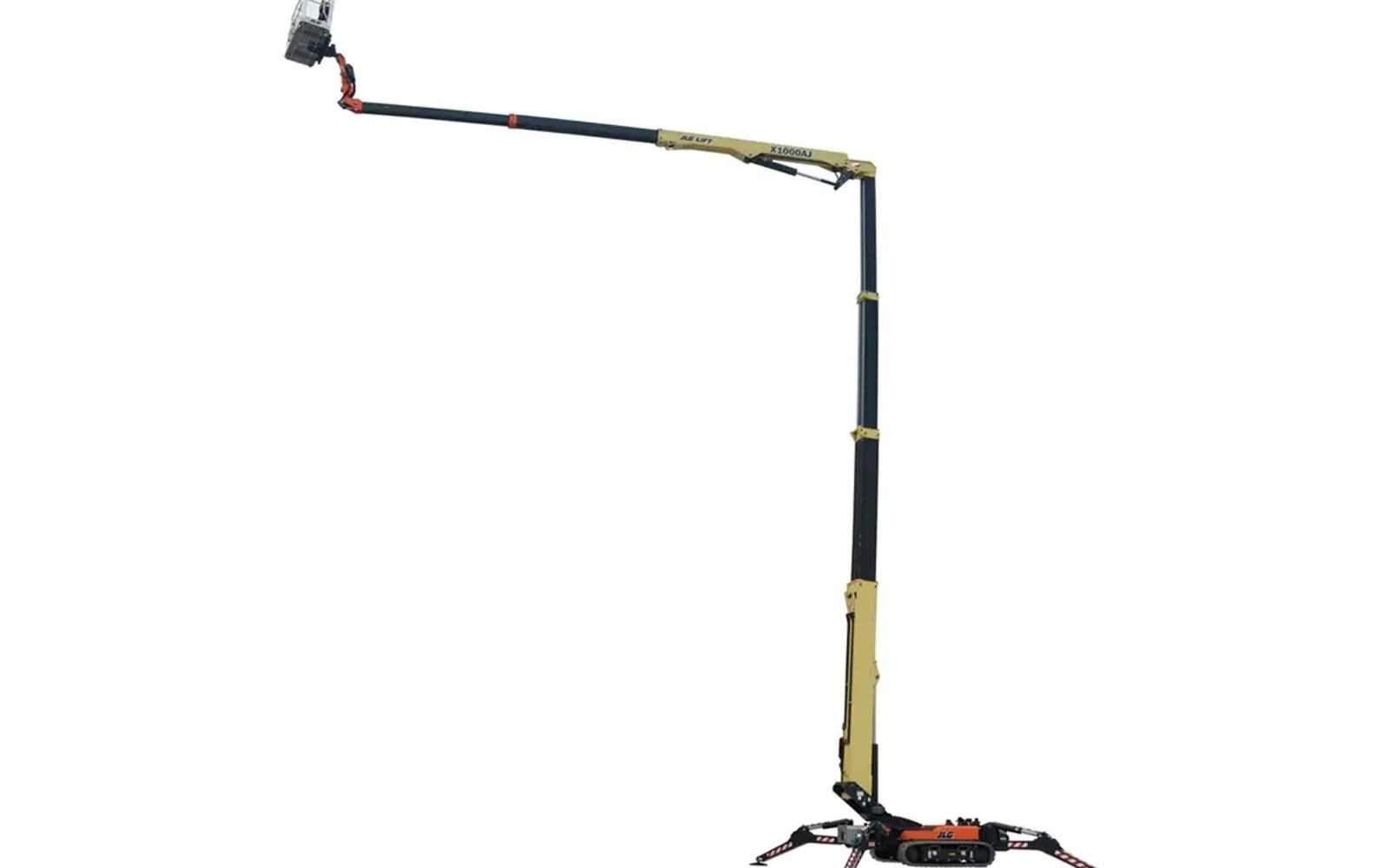
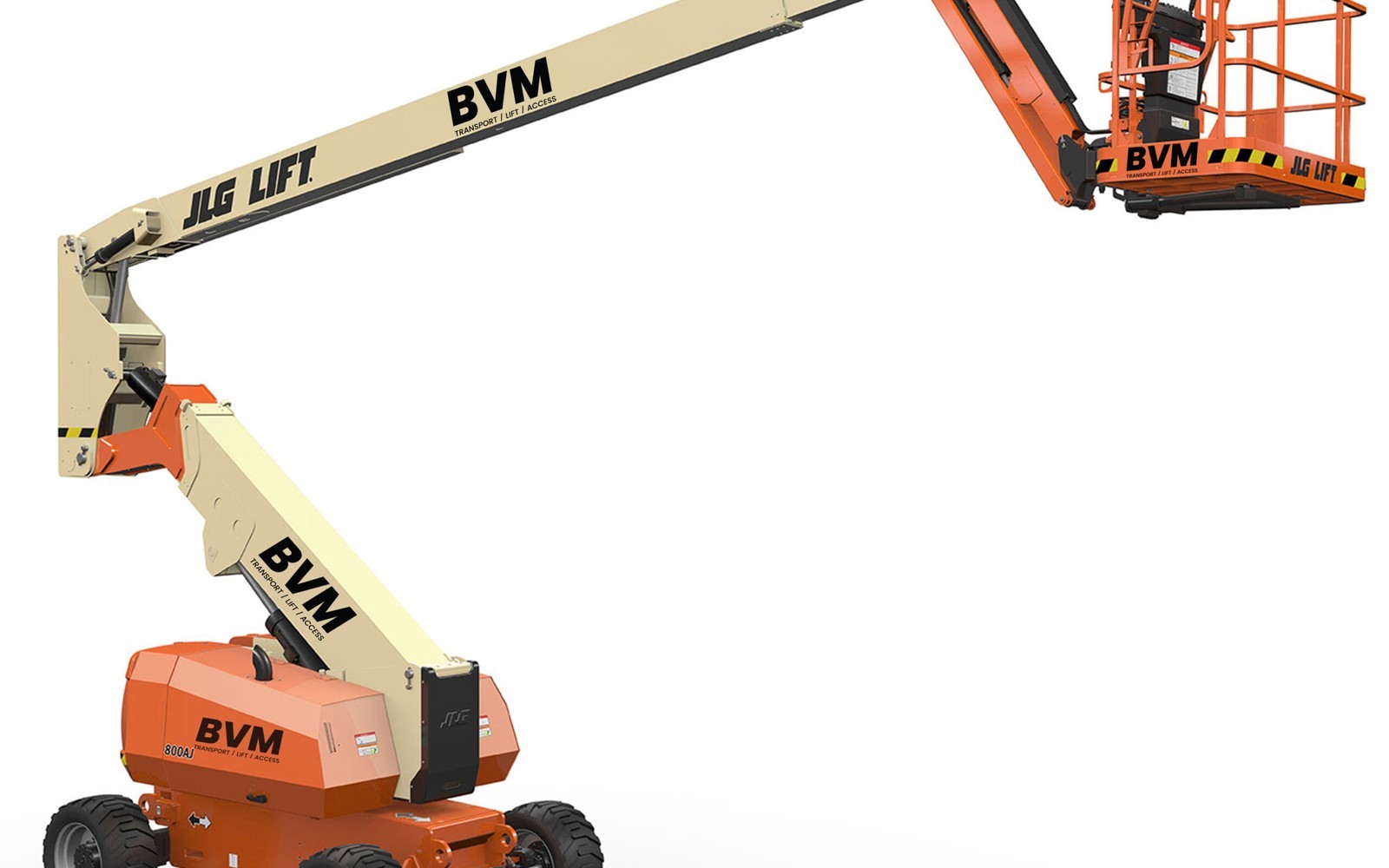
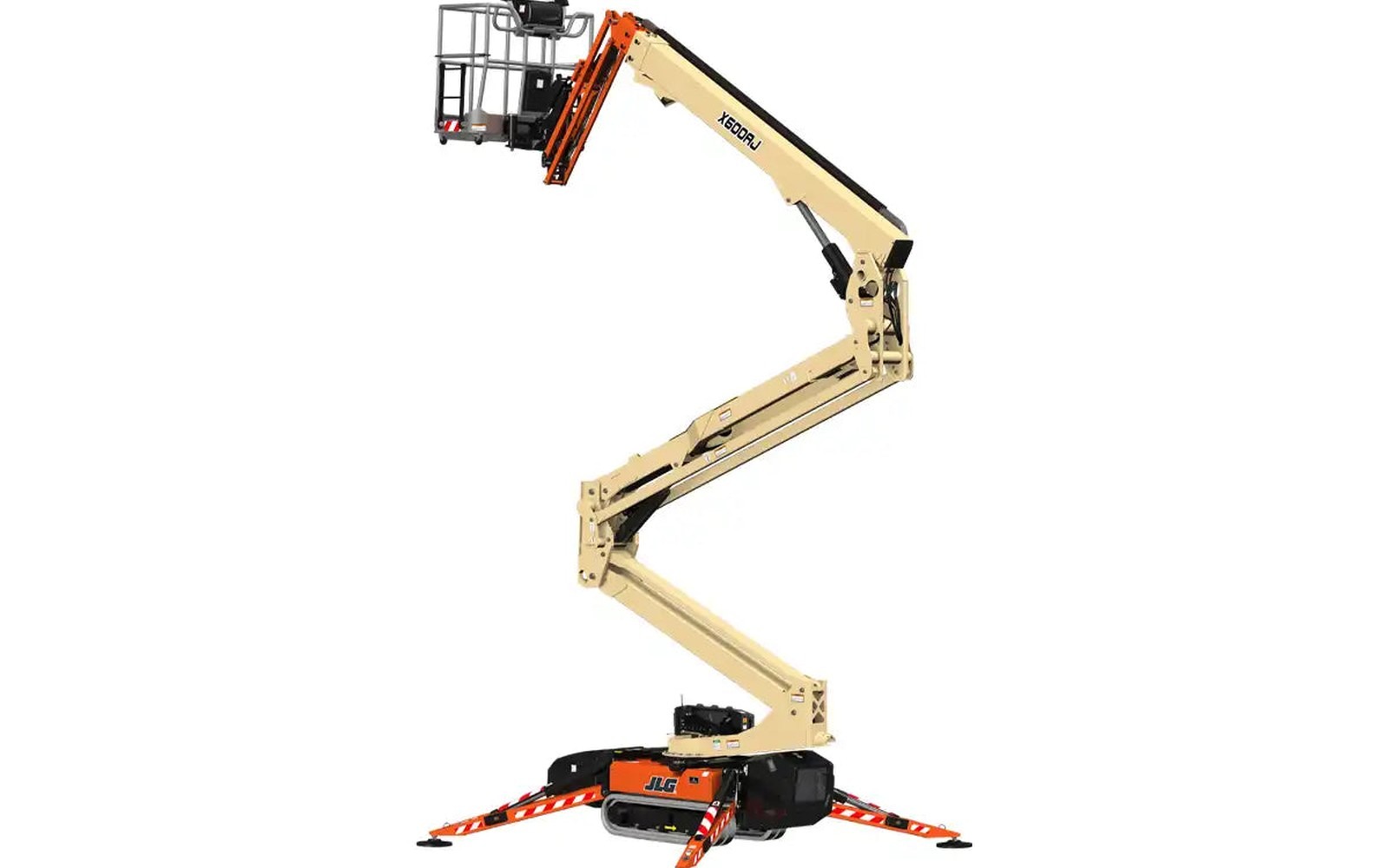
For telescopic boom lifts and articulating units, hours matter significantly because cylinders, pins, and structural welds are the life of the machine. We'll want to know the work environment, outdoor rough-terrain work ages a machine differently than indoor slab work, and we want service records if they exist. An operator who can hand us a folder of annual inspection reports from the last five years is going to have a smoother transaction than one who's selling off the lot with nothing but a title.

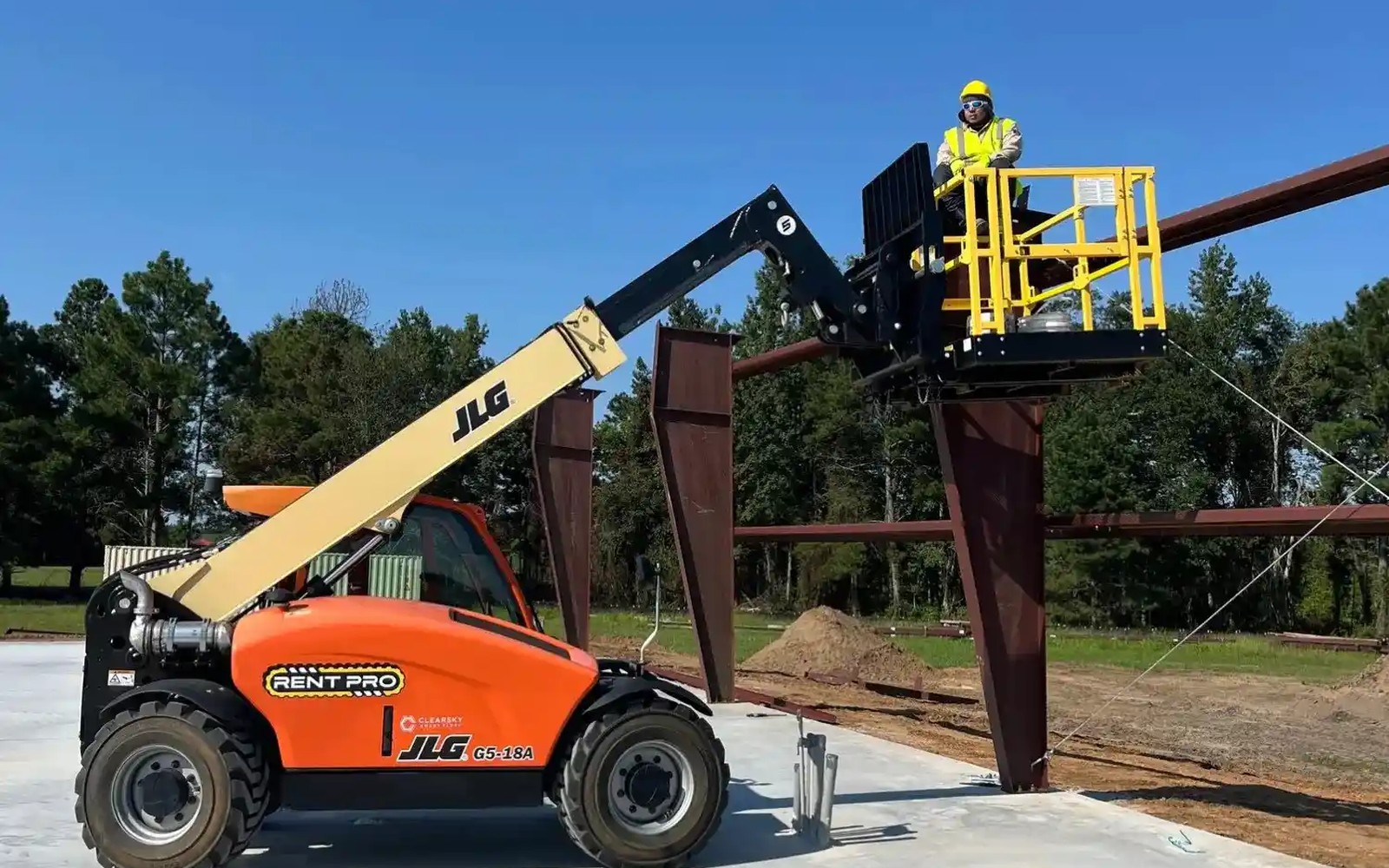
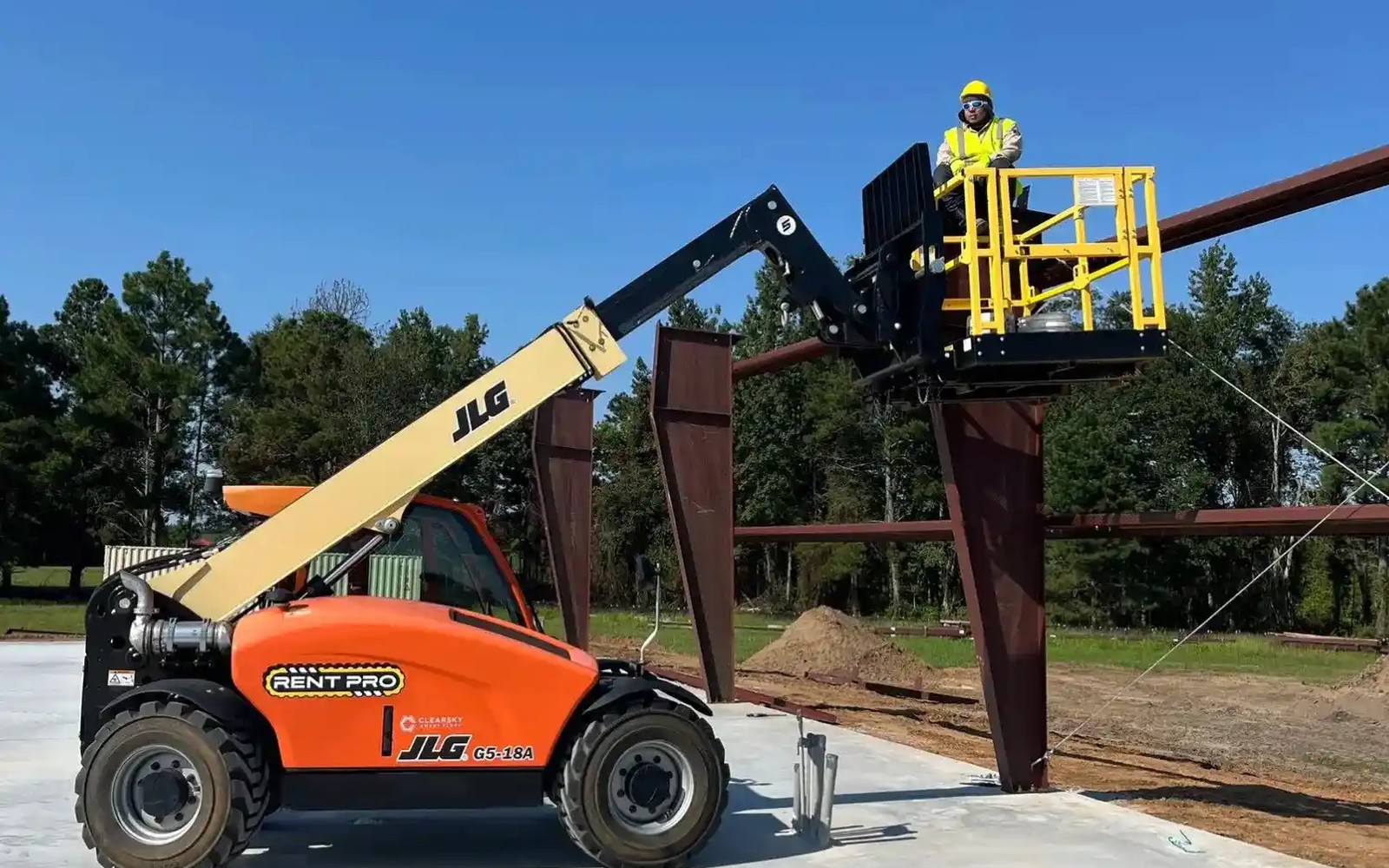
Make and model matter for collateral value. Genie, JLG, Skyjack, and Haulotte units in good condition hold value well enough to support financing. Lesser-known brands or very old units with limited parts availability are harder to underwrite because the residual value picture is less predictable. JLG financing and Genie lift financing cover the most common units in private-party sales by a significant margin.

Low Level Access Lift
Common questions
Answers from the desk.

The seller wants cash quickly. Can private-party aerial lift financing close in under two weeks?

On a straightforward deal with clean title and a seller who's organized, we can close in seven to ten business days. The biggest variable is how fast the title and lien search move, which depends partly on the state. If the seller has the title in hand and there are no liens to clear, the timeline compresses. If there are complications, it takes longer.

Do I need to get an inspection done before applying, or can I apply first?

Apply first. We'll tell you what we need for the specific unit based on its age, hours, and the funding amount. On units that clearly fall within standard collateral parameters, we may not require a third-party inspection at all. On higher-hour or older machines where the value needs confirmation, we'll order or require an inspection and that's when you'd arrange it.

The seller has a lien from their own financing that isn't fully paid off. Can we still close the deal?

Yes, it just adds a step. The existing lien has to be paid off at closing, and we coordinate the payoff directly to the seller's lender. It's called a payoff and title transfer, and it's common in used equipment transactions. We need the payoff amount and the seller's lender's information to structure the close properly.

I'm buying from a rental company that's going out of business. Is that harder to finance than a normal private-party sale?

If the company is in formal bankruptcy, it can be more complex because title transfers from a bankruptcy estate require court approval. If they're simply closing and selling off fleet assets voluntarily, it's treated like any other private-party sale. Clarify the seller's status early so we know what we're working with.

Can I use an equipment line of credit for private-party purchases, or only for dealer buys?

You can draw on an equipment line for private-party purchases. The draw process is the same; the additional documentation requirement is on the seller's side rather than a dealer's. Rental yards that buy units opportunistically from other operators often find the line structure convenient for exactly this reason, having pre-approved capacity available when a deal comes up.

Common Questions on Private-Party Purchase Financing

Straight answers before you send the equipment file.

The seller wants cash quickly. Can private-party aerial lift financing close in under two weeks?

On a straightforward deal with clean title and a seller who's organized, we can close in seven to ten business days. The biggest variable is how fast the title and lien search move, which depends partly on the state. If the seller has the title in hand and there are no liens to clear, the timeline compresses. If there are complications, it takes longer.

Do I need to get an inspection done before applying, or can I apply first?

Apply first. We'll tell you what we need for the specific unit based on its age, hours, and the funding amount. On units that clearly fall within standard collateral parameters, we may not require a third-party inspection at all. On higher-hour or older machines where the value needs confirmation, we'll order or require an inspection and that's when you'd arrange it.

The seller has a lien from their own financing that isn't fully paid off. Can we still close the deal?

Yes, it just adds a step. The existing lien has to be paid off at closing, and we coordinate the payoff directly to the seller's lender. It's called a payoff and title transfer, and it's common in used equipment transactions. We need the payoff amount and the seller's lender's information to structure the close properly.

I'm buying from a rental company that's going out of business. Is that harder to finance than a normal private-party sale?

If the company is in formal bankruptcy, it can be more complex because title transfers from a bankruptcy estate require court approval. If they're simply closing and selling off fleet assets voluntarily, it's treated like any other private-party sale. Clarify the seller's status early so we know what we're working with.

Can I use an equipment line of credit for private-party purchases, or only for dealer buys?

You can draw on an equipment line for private-party purchases. The draw process is the same; the additional documentation requirement is on the seller's side rather than a dealer's. Rental yards that buy units opportunistically from other operators often find the line structure convenient for exactly this reason, having pre-approved capacity available when a deal comes up.
Get Terms on Private-Party Purchase Financing

Tell us what you are buying, who is selling it, and when you need it earning. We will review the file and point you to the next step.

Get Loan Terms →Call (713) 375-4374