Low-Level Access Lift Financing

Low-Level Access Lift Financing

Aerial Lifts We Finance / Low-Level Access Lift Financing

Low-Level Access Lift Financing

Finance low-level access lifts and compact platform equipment from $50k as part of a fleet purchase. New or used, challenged-credit welcome, funded in 1-2.

Approval is more than a credit score.

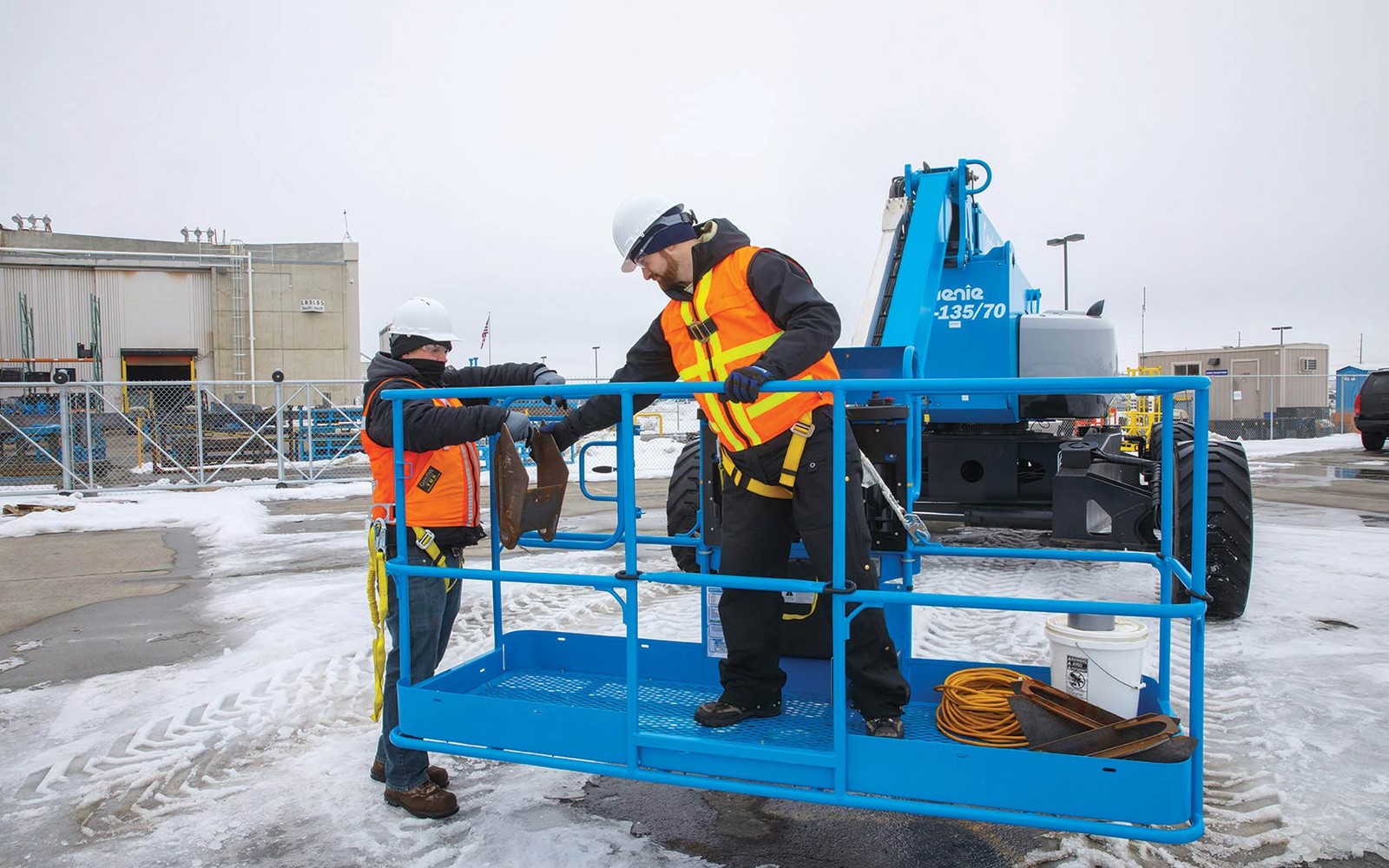
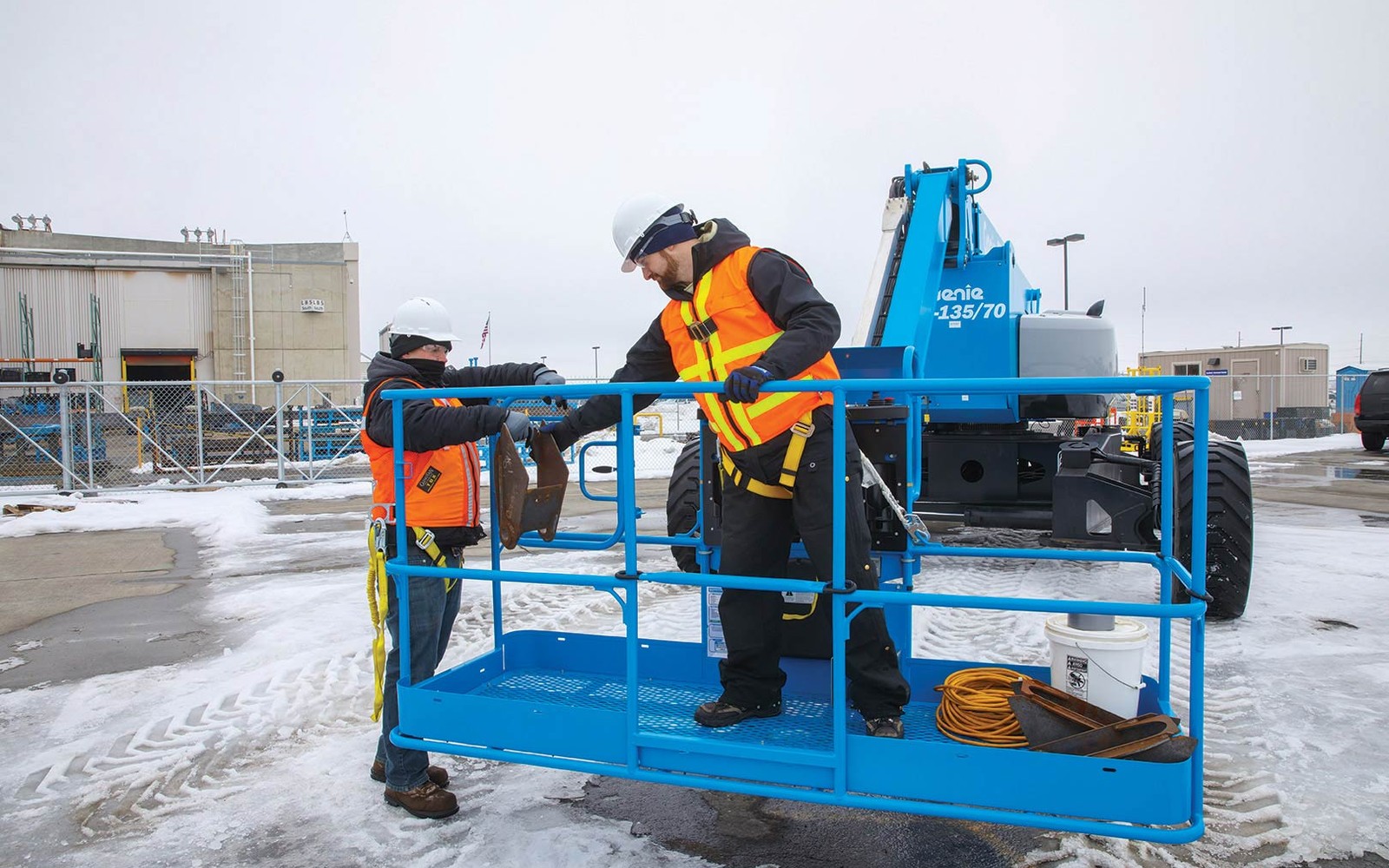
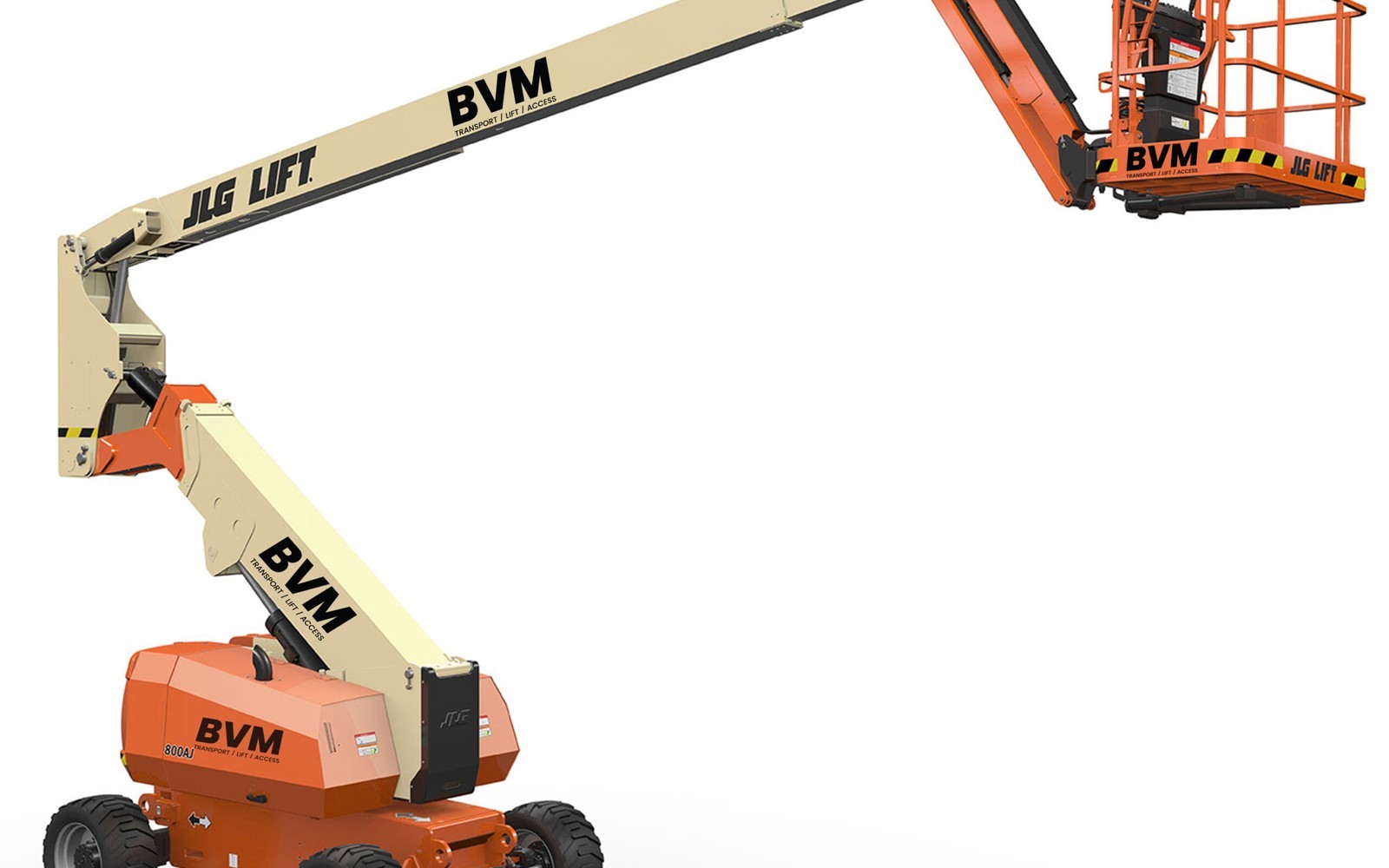
135 Foot Boom Lift
  • Priced on the asset — deck height, hours, and resale strength carry the file.
  • Application-only up to $500,000 — financials stay in the drawer.
  • New, used, dealer, auction, or private party — all fundable.
  • Startups and challenged credit get structure, not a form rejection.
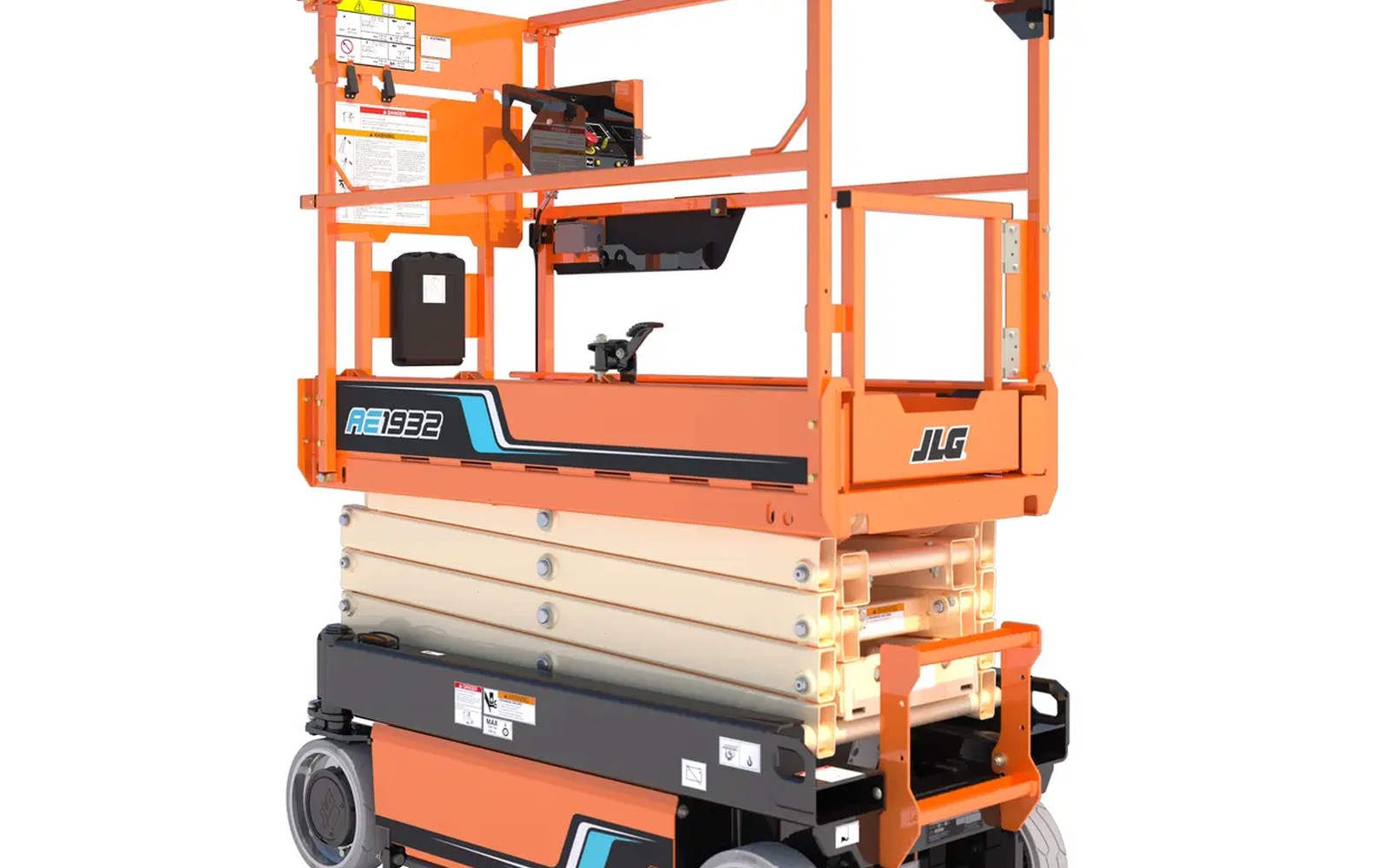
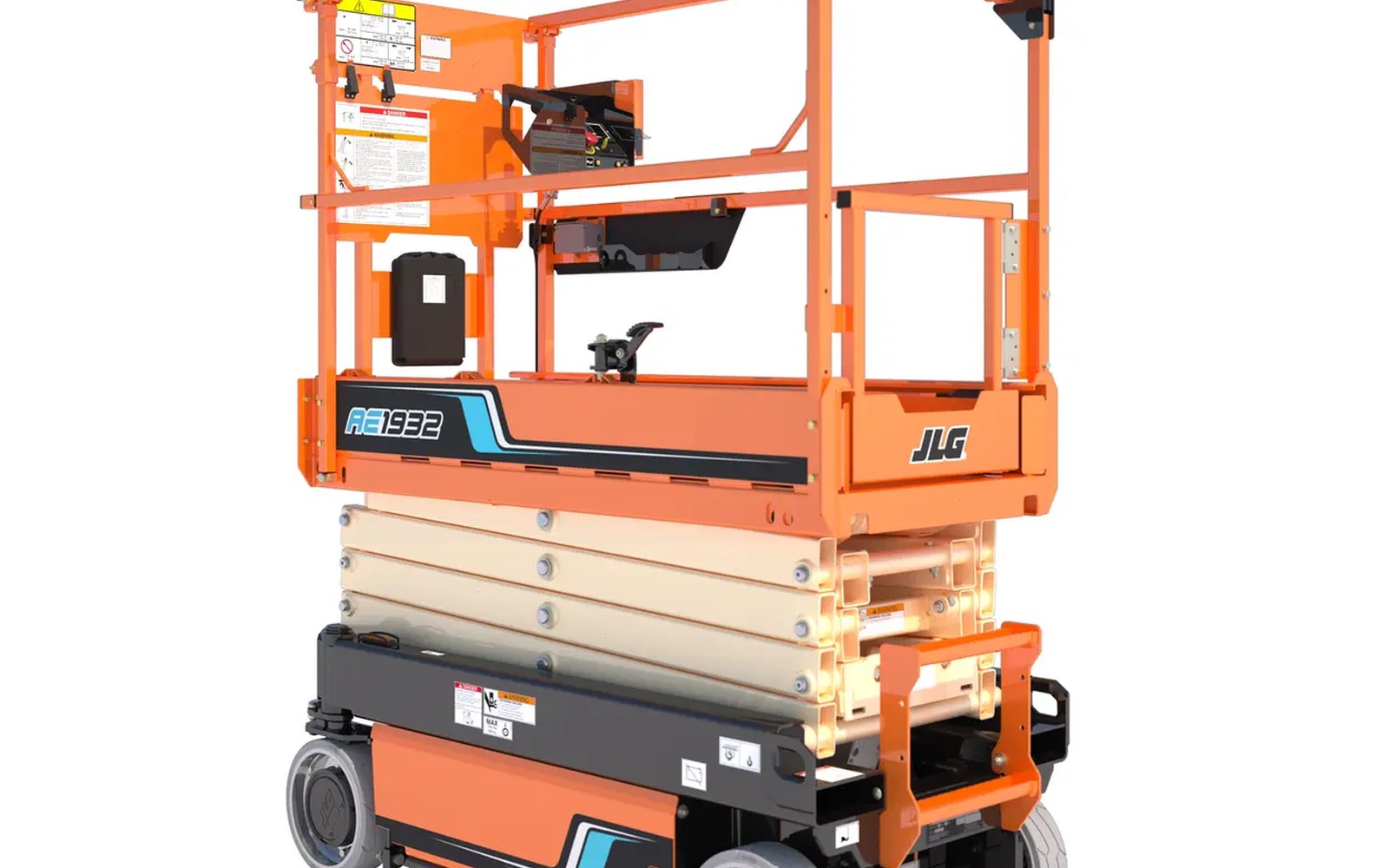
19 Foot Scissor Lift

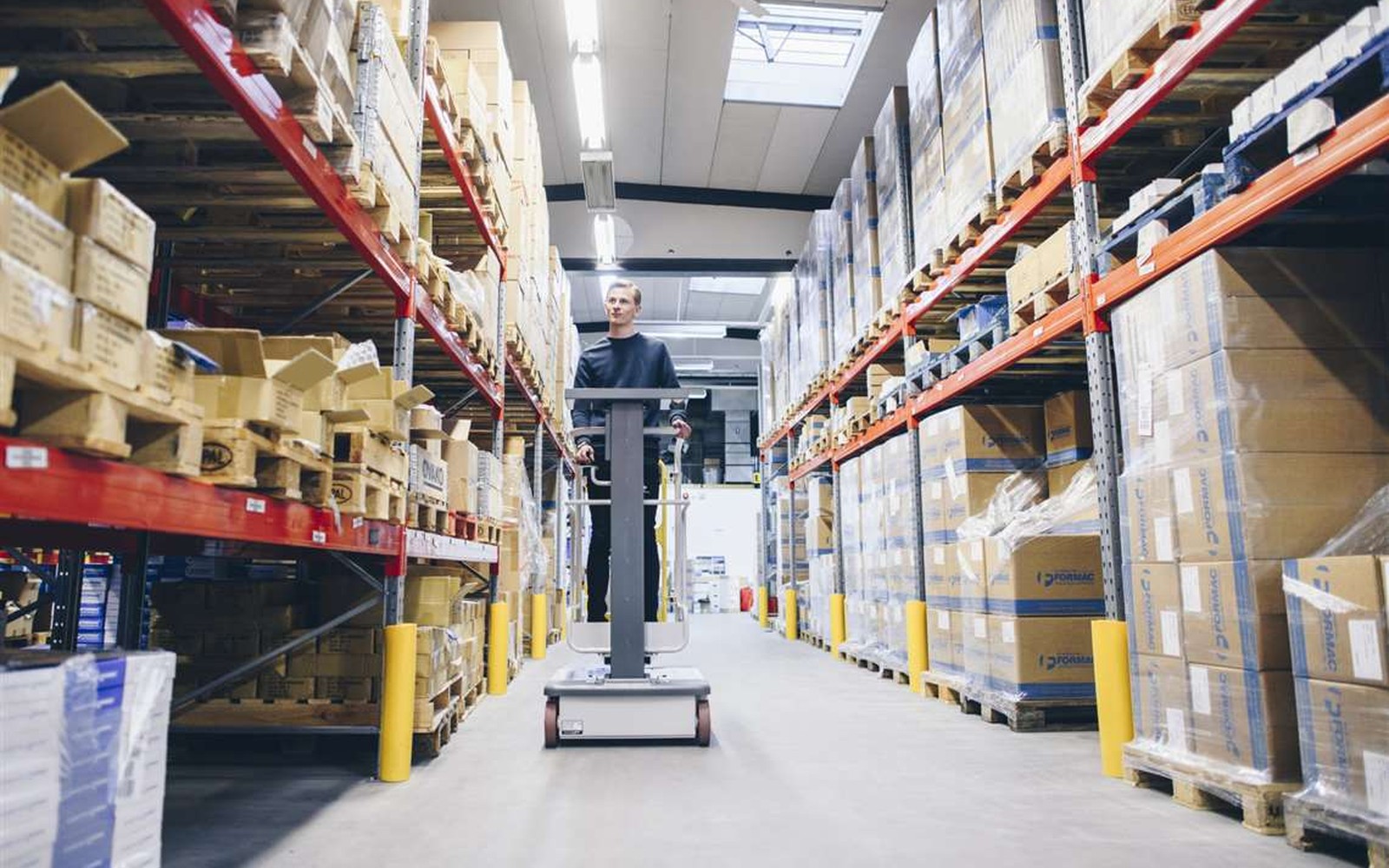
Most overhead work in a commercial building happens between eight and sixteen feet. Lighting replacements, ceiling tile access, sprinkler head adjustments, HVAC register cleaning, overhead signage, and duct tape repairs to exposed HVAC all live in that height band. The equipment used most of the time for this work is also the equipment least likely to be on a facilities manager's radar: the low-level access lift, sometimes called a podium lift or micro scissor. It is compact, lightweight, fits through a standard door, runs on battery with no exhaust, and gives a solo worker a stable, guardrailed platform at a height that would otherwise mean a six-foot stepladder and a questionable risk tolerance.

Low-level access lifts typically reach 10 to 20 feet of working height, occasionally up to 26 or 28 feet on larger compact models. Platform size is smaller than a standard scissor, generally accommodating one worker comfortably. Weight is dramatically lower than a standard scissor lift, which allows operation on elevated floors and sensitive surfaces where a full-size platform would require structural assessment. The units are also quiet enough for occupied buildings during business hours, which matters for facilities teams doing maintenance while tenants are at their desks.

We fund these as part of fleet transactions above our $50,000 minimum. A facilities company buying ten units for a commercial property portfolio, a rental company stocking its micro-lift inventory, or a contractor purchasing a mixed fleet of low-level and mid-height access equipment can combine the purchase into one deal. Statement-led review below the $400,000 line, three months of bank statements, funded in about two weeks.

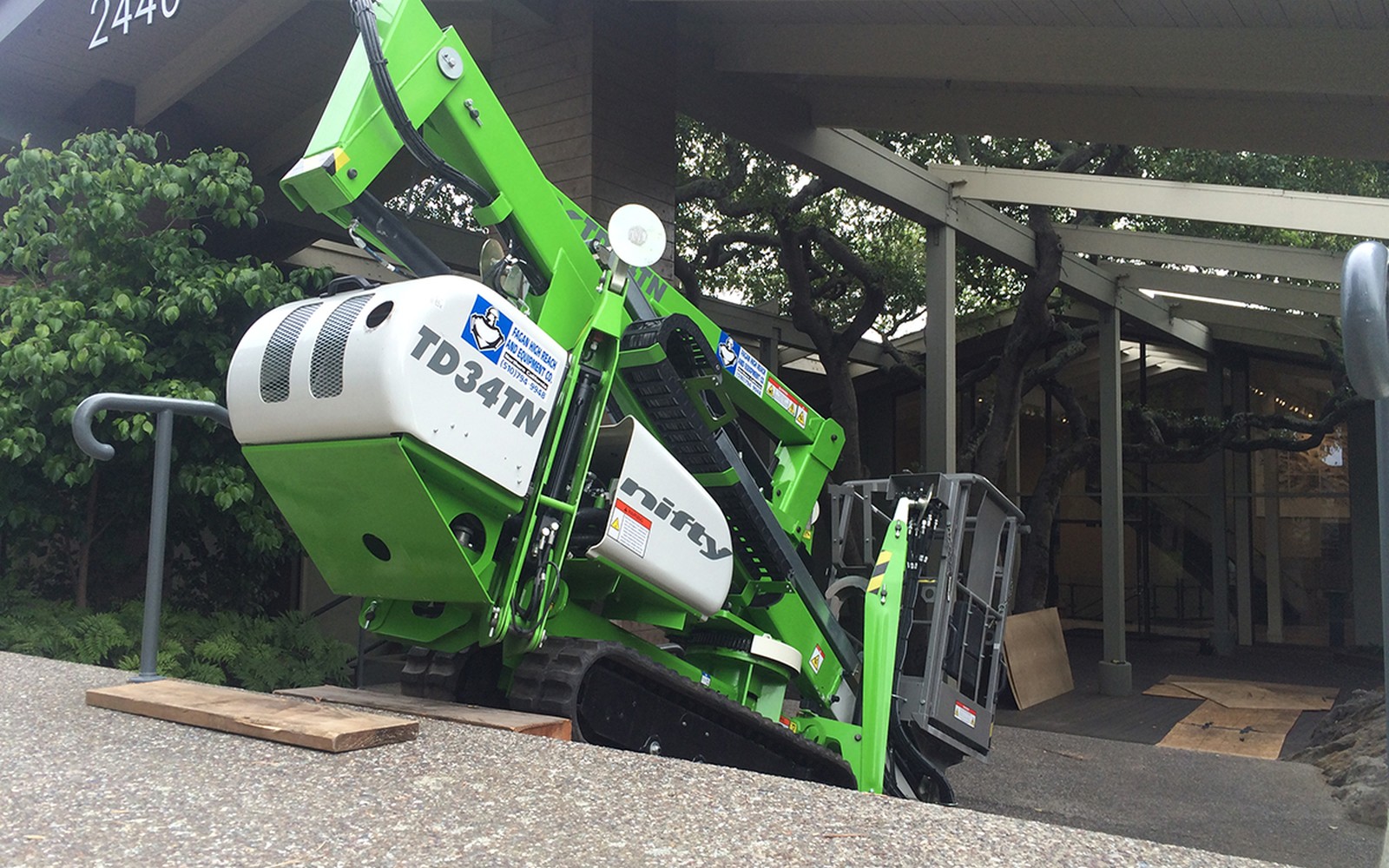
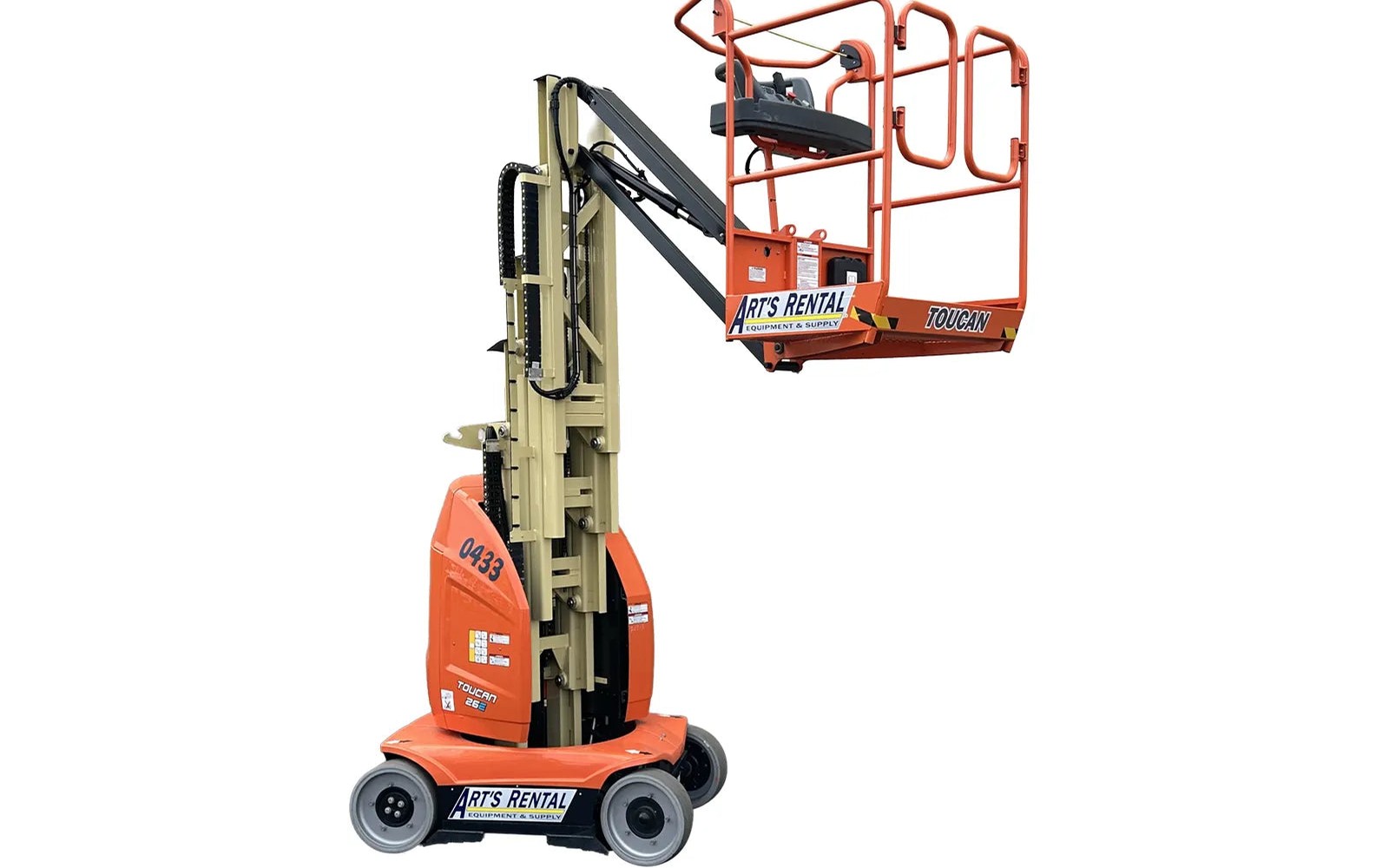
40 Foot Boom Lift
Low-Level Access Lift Specs in Practice

Low-Level Access Lift Specs in Practice

The defining specs for low-level access lifts are weight, width, and working height. Weight matters because these units are often used on upper floors, mezzanines, and retrofit spaces where floor loading is constrained. The lightest models weigh under 500 pounds, which is well within the tolerance of most commercial building floors. Standard scissor lifts can weigh 6,000 to 10,000 pounds, an entirely different structural conversation.

Width is critical for access through doorways and around interior obstacles. Compact low-level lifts fold to 30 to 36 inches wide, fitting through standard 36-inch commercial doorways and maneuvering in corridors and between workstations. The ability to bring the unit through a regular door eliminates the loading dock access requirement that limits where full-size aerial platforms can be deployed.

Working height in the 10-to-20-foot range covers the vast majority of commercial ceiling work in standard office, retail, and institutional buildings. Specific models from Hy-Brid Lifts, Snorkel, and JLG target this category with guardrailed platforms that meet fall protection requirements for work above six feet, which is the threshold where OSHA regulations require fall protection for employees on elevated surfaces. Providing workers with a guardrailed platform instead of a ladder eliminates the ladder fall risk exposure entirely.

For buyers who need a range of access heights across different tasks, low-level access lifts are the right tool for work under 20 feet while mast lifts and scissor lifts cover the higher range. A well-organized maintenance fleet has all three tiers available and deploys the appropriate unit for each task rather than putting a full-size scissor on every ceiling job.

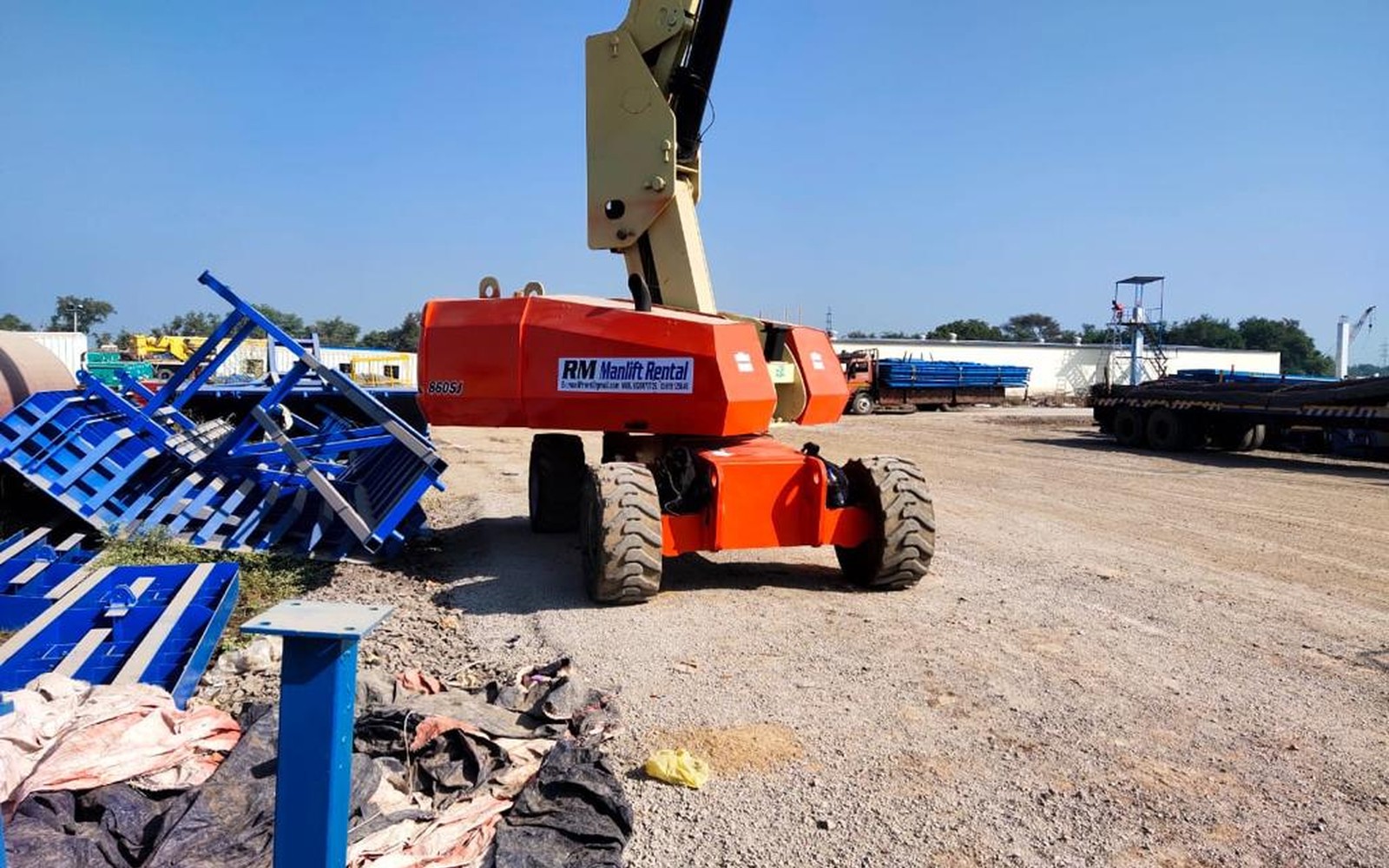
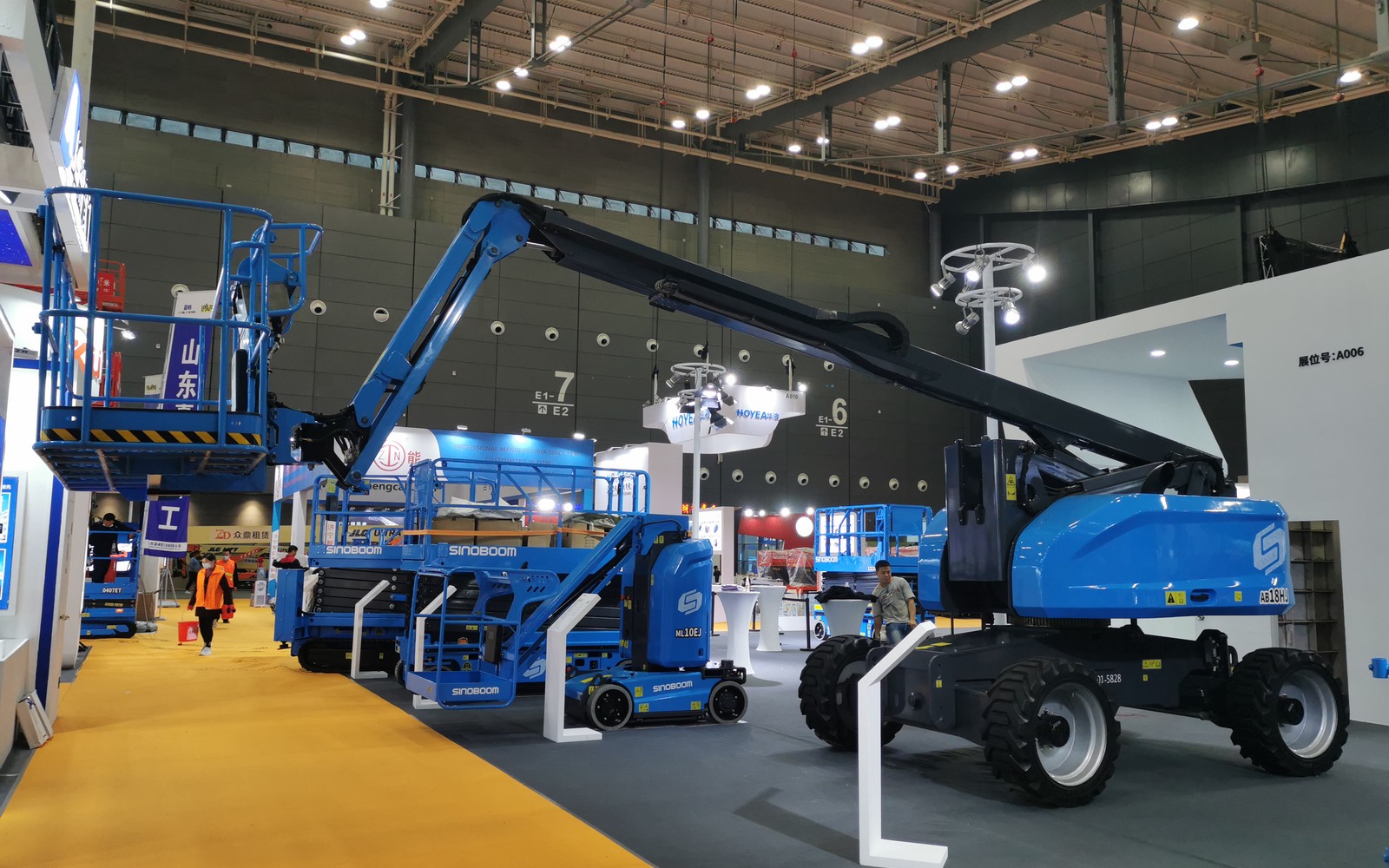
80 Foot Boom Lift
The Operations That Benefit Most

The Operations That Benefit Most

Property management companies maintaining large commercial portfolios are the natural fit for low-level access lifts. A company managing office, retail, or mixed-use buildings faces routine ceiling access tasks on a continuous cycle across dozens of properties. Stocking low-level lifts at key locations or deploying a mobile maintenance crew with a unit in the van eliminates the rental cost that accumulates when every ceiling task requires an equipment order.

Retail chains doing store maintenance across a large footprint of locations face a similar calculation. Overhead lighting retrofits, seasonal display installations, and ceiling-mounted technology upgrades all require reliable access between eight and eighteen feet. A centralized equipment pool with low-level access lifts deployed across regional maintenance teams is how large retailers handle this without an annual rental bill that runs into the tens of thousands of dollars.

Healthcare facilities, educational institutions, and hospitality properties use low-level access lifts for maintenance in occupied spaces where noise, exhaust, and access logistics must be managed around patient care, classes, or guest experience. A battery-electric low-level lift operating in silent mode on a ward floor or in a hotel corridor does the work without the disruption that a larger platform or a contractor crew would create.

Rental companies serving these buyer categories keep low-level access lifts in inventory alongside their larger platforms because the customer set is broad and the utilization is consistent. For a rental yard near a commercial district, these units rent regularly to small contractors and property management teams who need ceiling access for a day without committing to a full scissor lift rental. Rental operators interested in financing for equipment rental companies will find that multi-unit low-level platform purchases are a common and efficient transaction type for us.

Low Level Access Lift
Common questions
Answers from the desk.

Can I finance low-level access lifts if each unit costs less than $50,000?

Yes, by combining multiple units into a single transaction. We have a $50,000 floor on the total deal, not per unit. A fleet of six low-level access lifts at $8,000 to $12,000 each easily clears the floor when purchased together. We structure it as a single deal with one payment covering the full fleet.

Do low-level access lifts require operator certification?

OSHA requires that aerial work platform operators be trained and qualified under the applicable ANSI standard, which includes low-level access platforms. The training is not as extensive as for larger platforms, but it is required. Most manufacturers and rental companies offer the training, and many equipment dealers include it with a new unit purchase.

Are Hy-Brid Lifts easy to get financing on?

Yes. Hy-Brid Lifts is a recognized manufacturer with a documented resale market, which supports clean advance rates on both new and used units. We finance Hy-Brid units the same way we finance JLG, Genie, and Snorkel equipment in this category.

Can we finance low-level access lifts for a property we manage but don't own?

Yes. The financing is against your business entity, not the property. As long as your company is the operating party and the revenue is in your business account, the property ownership structure doesn't affect the deal. Property management companies finance equipment under their management entity regularly.

What is the typical depreciation life for a low-level access lift?

For tax purposes, aerial work platforms generally fall under a five-to-seven-year depreciation schedule under MACRS. Section 179 expensing can allow you to deduct the full purchase price in the year of purchase up to current annual limits. Your accountant can determine the most advantageous depreciation treatment based on your current-year income position.

Common Questions on Low-Level Access Lift Financing

Straight answers before you send the equipment file.

Can I finance low-level access lifts if each unit costs less than $50,000?

Yes, by combining multiple units into a single transaction. We have a $50,000 floor on the total deal, not per unit. A fleet of six low-level access lifts at $8,000 to $12,000 each easily clears the floor when purchased together. We structure it as a single deal with one payment covering the full fleet.

Do low-level access lifts require operator certification?

OSHA requires that aerial work platform operators be trained and qualified under the applicable ANSI standard, which includes low-level access platforms. The training is not as extensive as for larger platforms, but it is required. Most manufacturers and rental companies offer the training, and many equipment dealers include it with a new unit purchase.

Are Hy-Brid Lifts easy to get financing on?

Yes. Hy-Brid Lifts is a recognized manufacturer with a documented resale market, which supports clean advance rates on both new and used units. We finance Hy-Brid units the same way we finance JLG, Genie, and Snorkel equipment in this category.

Can we finance low-level access lifts for a property we manage but don't own?

Yes. The financing is against your business entity, not the property. As long as your company is the operating party and the revenue is in your business account, the property ownership structure doesn't affect the deal. Property management companies finance equipment under their management entity regularly.

What is the typical depreciation life for a low-level access lift?

For tax purposes, aerial work platforms generally fall under a five-to-seven-year depreciation schedule under MACRS. Section 179 expensing can allow you to deduct the full purchase price in the year of purchase up to current annual limits. Your accountant can determine the most advantageous depreciation treatment based on your current-year income position.
Get Terms on Low-Level Access Lift Financing

Tell us what you are buying, who is selling it, and when you need it earning. We will review the file and point you to the next step.

Get Loan Terms →Call (713) 375-4374