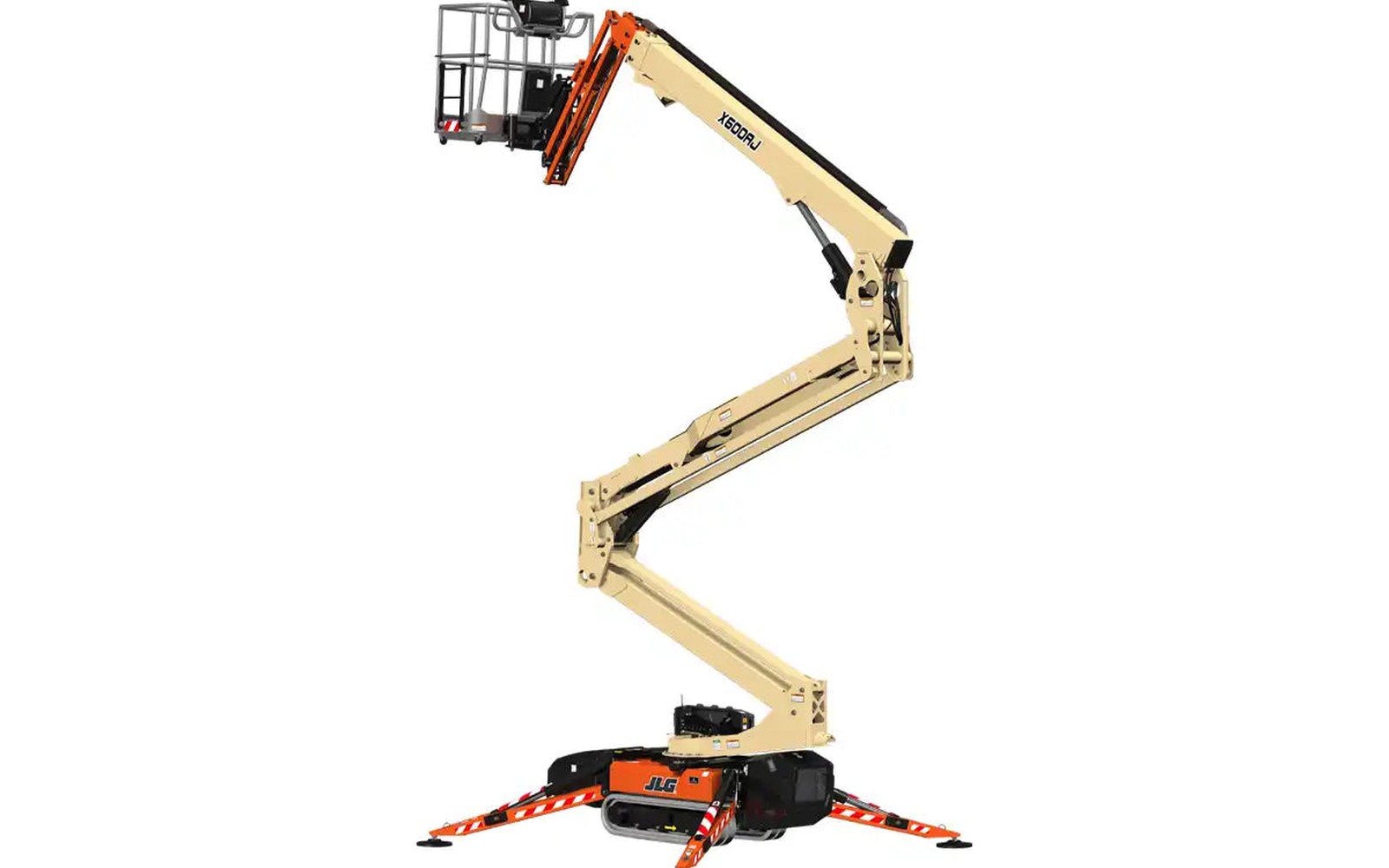
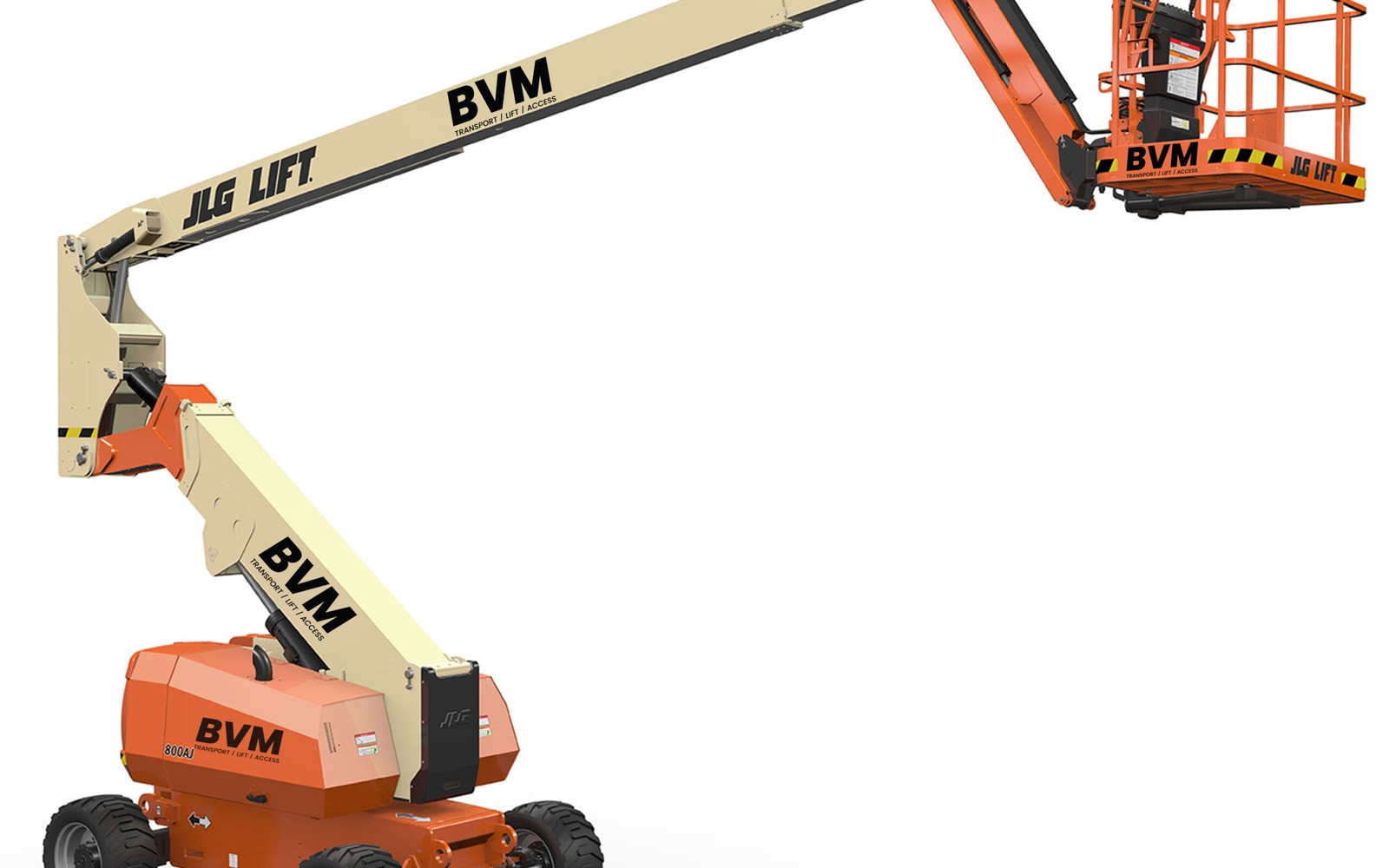
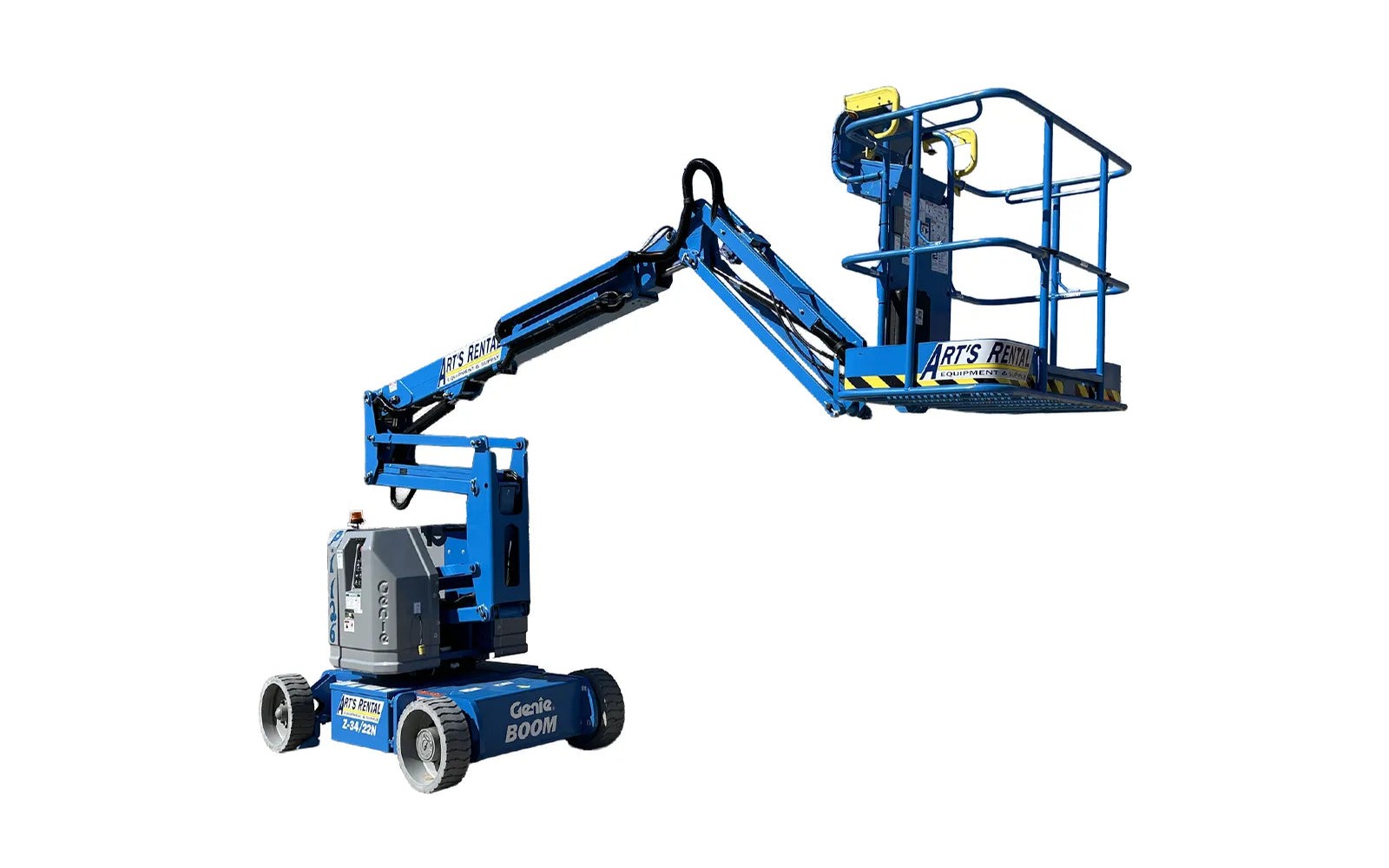
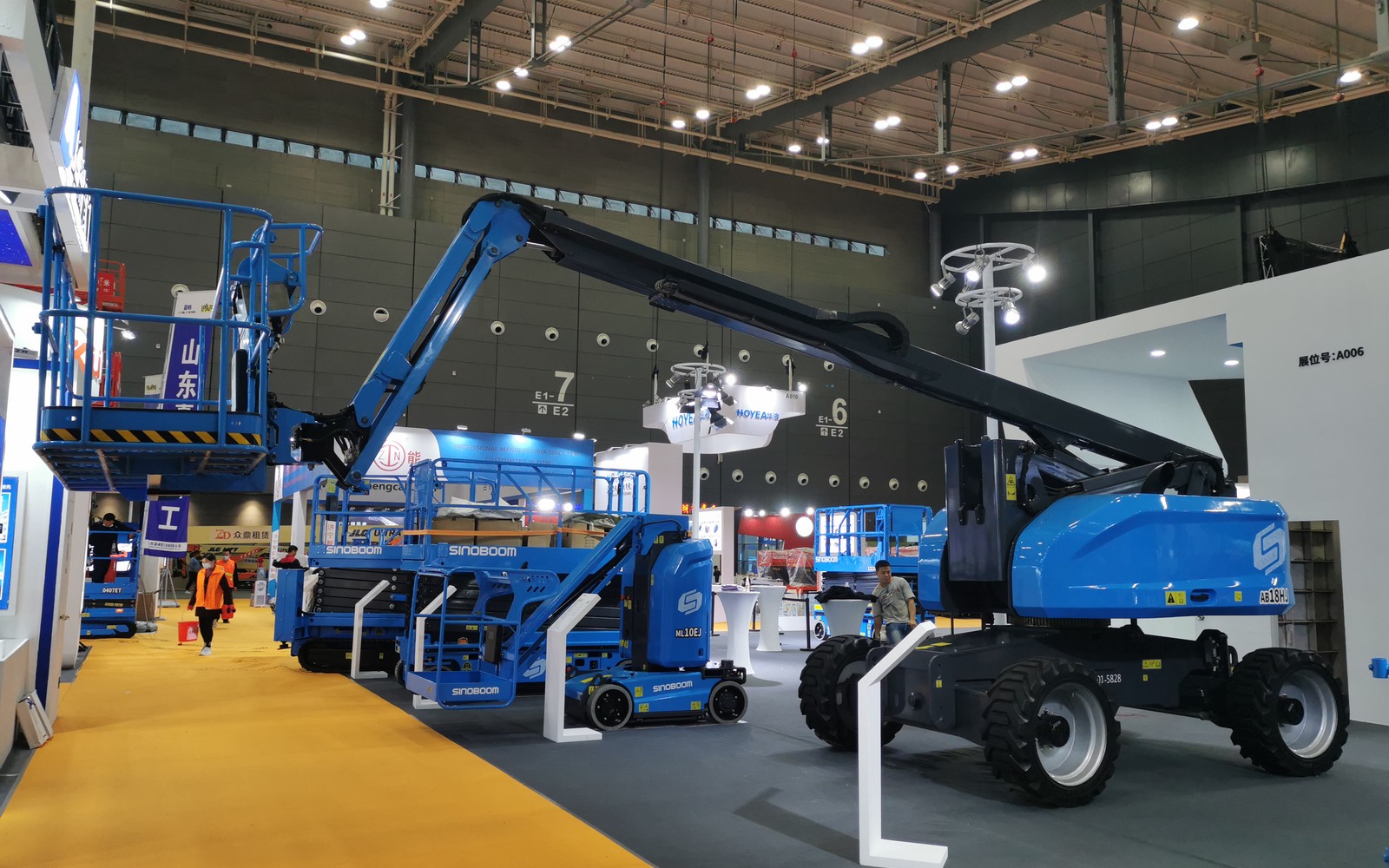
Sixty feet of glass above a marble lobby floor. That is the job an atrium lift was built for. Convention center light maintenance, hotel grand staircase rigging, airport terminal window cleaning, museum skylight inspection, and glass-roof commercial buildings all share the same problem: the work is high, the floor surface is expensive, and a standard aerial platform is either too wide to maneuver or too heavy for the substrate. Atrium lifts solve that problem with a narrow, tracked chassis, ultra-low ground pressure, and a compact articulating boom that reaches into spaces a conventional machine can't access without damaging the environment it's working in.
These units are specialized, and the price reflects it. New atrium lifts from manufacturers like Bravi, Hinowa, and Hy-Brid command prices from roughly $80,000 to $200,000 depending on height class and configuration. Used units in good condition represent a significant discount but require careful due-diligence on the crawler track system and the hydraulic seals. Most deals we fund in this category run $80,000 to $150,000, well within our $50,000 floor and application-only ceiling of $400,000.
The buyer base for atrium lifts is narrower than for conventional scissors or booms, but the utilization on a well-spec'd unit is strong. Specialty cleaning and maintenance contractors, property management firms handling high-end commercial portfolios, and rental companies serving the hospitality and institutional construction sectors all have recurring demand for this type of equipment. We fund them the same way we fund any aerial lift: three months of bank statements, the equipment invoice, one-page application, and we close in about two weeks.